What are the sacred meanings behind different types of ritual vessels used in spiritual ceremonies?
Understanding Ritual Vessel Sacred Meanings
The Pagan Book of Days: A Guide to the Festivals, Traditions, and Sacred Days of the Year
View ProductRitual vessel sacred meanings run deep through human spiritual history, connecting us to ancient wisdom and divine energies. These sacred containers serve as bridges between our earthly existence and the spiritual realms, carrying profound symbolism that transcends their physical form. Chalices, bowls, horns, and cups transform ordinary substances into sacred offerings while embodying concepts of transformation, divine connection, fertility, protection, and the feminine principle.
The power of these vessels lies not only in their function but in their ability to hold space for spiritual transformation. When you hold a ritual vessel during ceremony, you connect with thousands of years of sacred practice. Each type of vessel carries specific energetic signatures that enhance different aspects of spiritual work, from invoking divine blessing to facilitating communion with ancestors and gods.
Ancient Chalice Symbolism Origins
Ancient chalices emerged across multiple civilizations as sacred tools for spiritual rebirth and divine communion. The Shang dynasty in China created ritual vessels etched with taotie masks and thunder patterns called leiwen, designed to conduct cosmic energy and invoke protection during ceremonies. These intricate symbols transformed ordinary wine or grain into vehicles for divine connection, marking the shift from mundane to sacred time through the principle of kenosis, or emptying oneself to receive divine influx.
Egyptian and Mesopotamian cultures developed their own chalice traditions, incorporating animal motifs and geometric forms to represent fertility, renewal, and cosmic alignment. These vessels served as wombs for spiritual rebirth, containing offerings to ancestors and gods while facilitating communication between realms. The symbols carved into these ancient chalices tell stories of protective beasts, fertility animals, and mythical creatures, each design element chosen to enhance the vessel’s spiritual potency and connect the user with specific divine energies.
Celtic traditions embraced chalice symbolism with particular reverence for sites like the Chalice Well, where iron-rich waters represented sacred blood, fertility rites, and portals to the Otherworld. The Vesica Piscis symbol found at these sites represents the union of heaven and earth, male and female principles coming together in sacred balance. These Celtic chalices often featured intricate knotwork and spiral designs that mirrored the cyclical nature of life, death, and rebirth, establishing patterns of sacred geometry that continue to influence modern pagan practices.
The evolution of ancient chalice symbolism reveals consistent themes across cultures: the vessel as feminine principle, the container as transformer of ordinary into sacred, and the cup as a tool for divine communion. These early traditions established the foundation for all subsequent ritual vessel practices, creating a universal language of sacred symbolism that speaks to the deepest aspects of human spiritual experience. Your modern ritual practice connects directly to these ancient roots every time you lift a chalice in ceremony.
Norse Viking Drinking Horns Traditional Altar Chalices
Norse Viking drinking horns functioned as powerful ritual vessels in ceremonies honoring gods like Odin and Thor, serving as traditional altar chalices that held mead and offerings during sacred gatherings. These horns symbolized abundance, communal bonds, and warrior strength while connecting the user to divine favor and ancestral wisdom. Vikings etched protective runes into their drinking horns, believing these symbols would grant protection in battle and victory in all endeavors. The curved shape of the horn itself represented the crescent moon and feminine divine energy, creating a perfect balance with the masculine warrior culture that used them.
The ritual use of drinking horns extended beyond simple consumption of mead or ale. These vessels served as focal points for oaths and sacred vows, with participants drinking from the same horn to seal bonds of brotherhood and loyalty. The shared drinking experience created spiritual unity among clan members while invoking the blessings of the gods. Traditional Norse ceremonies featured the horn being passed sunwise around the sacred circle, with each participant offering toasts to different deities or ancestors. This practice strengthened both community bonds and divine connections, making the horn a vessel for both social and spiritual transformation.
Viking horns incorporated ancient vessel motifs like animal protectors and thunder patterns, adapting broader symbolic traditions to Norse spiritual practices. Fertility symbols carved into the horn’s surface aligned with seasonal celebrations and agricultural cycles, while protective beast imagery invoked the power of bears, wolves, and ravens. These animal spirits served as guardians during ritual work and sources of strength during challenging times. The horn’s natural origin from powerful animals like aurochs or buffalo added another layer of spiritual significance, connecting the user to the primal forces of nature and the wild hunt led by Odin himself.
Traditional altar chalices in various pagan practices evolved from these early horn traditions, maintaining the essential symbolism while adapting to different cultural contexts. The horn’s inability to stand upright without support created a practical reminder of the need for community and divine support in spiritual work. This physical characteristic reinforced the social and spiritual lessons embedded in Norse religious practice, teaching that individual strength must be balanced with group unity and divine connection. Modern practitioners who incorporate drinking horns into their ritual work tap into this rich tradition of community building and divine communion.
Modern Sacred Vessel Uses

Contemporary Wiccan, pagan, and eclectic practices have transformed traditional ritual vessels into versatile tools for diverse spiritual work. Modern practitioners use chalices to honor the Goddess on their altars, creating focal points for divine feminine energy during daily devotions and seasonal celebrations. These vessels facilitate libations for abundance and gratitude, allowing practitioners to offer wine, water, or herbal infusions to deities, spirits, and the natural world. The act of pouring libations creates energetic exchanges that strengthen relationships with spiritual allies while expressing appreciation for life’s blessings and challenges.
Handfasting ceremonies feature chalices as symbols of unity and shared spiritual journey, with couples drinking from the same vessel to seal their sacred bond. Healing rituals incorporate these vessels to hold blessed water, herbal remedies, or moon-charged elixirs that carry specific intentions for physical, emotional, or spiritual wellness. The chalice’s association with the water element makes it particularly effective for cleansing work, emotional healing, and intuitive development. Modern practitioners often consecrate their ritual vessels during full moon ceremonies, charging them with lunar energy that enhances their spiritual effectiveness throughout the ritual year.
Multi-chambered vessels and those with decorative handles serve specialized functions in contemporary practice, allowing for complex ritual actions like mixing different ingredients for specific magical purposes. Some practitioners use double-walled chalices that keep contents at desired temperatures during lengthy ceremonies, while others prefer vessels with removable inner cups for easy cleaning and maintenance. These practical considerations support sustained ritual practice while preserving the vessel’s sacred nature. Modern materials like stainless steel, pewter, and food-safe ceramics provide durability and safety without compromising spiritual significance.
Group rituals often feature multiple vessels to accommodate different aspects of ceremony or allow each participant to work with their personal chalice while maintaining connection to the group’s collective energy. Large ceremonial bowls serve as community vessels for group blessings, shared drinks, or collective offerings that unite individual intentions into powerful group workings. The evolution of ritual vessel use in modern practice demonstrates how ancient wisdom adapts to contemporary needs while maintaining essential spiritual principles. Your personal relationship with your ritual vessels deepens through regular use and conscious attention to their sacred nature.
Ceremonial Cup Material Significance
The materials used to create ceremonial cups carry profound spiritual significance that enhances their ritual effectiveness and symbolic meaning. Bronze vessels in ancient China conducted cosmic energy through thunder pattern engravings, with the metal itself serving as a conductor for divine forces during ceremony. Silver chalices in modern Wiccan practice evoke lunar energy and the Goddess’s pure receptivity, while their reflective surface symbolizes the mirror between physical and spiritual realms. Glass vessels represent transparency, clarity of intention, and the ability to see truth through illusion, making them valuable tools for divination and scrying work.
Ceramic and clay vessels connect practitioners to earth energy and the transformative power of fire, having been shaped by human hands and changed through the firing process. These materials embody the creative principle and the ability to transform raw potential into manifest form. Iron-rich materials like those found at sacred springs manifest the sacred blood of the earth, carrying properties of renewal, strength, and deep grounding. The reddish color of iron-oxide creates visual connections to life force energy and menstrual mysteries, making iron vessels particularly appropriate for fertility work and goddess worship.
Wood vessels carved from sacred trees like oak, ash, or hawthorn carry the living energy of the forest and seasonal cycles. Each type of wood brings specific properties: oak for strength and endurance, ash for protection and connection between worlds, willow for lunar energy and psychic development. The organic nature of wood creates vessels that breathe with natural rhythms and develop character through use. Antler and horn vessels maintain connection to animal spirits and the wild hunt, carrying masculine solar energy that balances the feminine receptive nature of the cup shape. These materials often come with their own spiritual histories and animal medicine.
Precious metals like gold represent solar energy, divine will, and incorruptible spiritual truth, though their cost often makes them impractical for regular ritual use. Copper vessels conduct both physical and spiritual energy while connecting to Venus energy and matters of love, beauty, and artistic creation. The green patina that develops on copper over time symbolizes the natural aging process and wisdom gained through experience. Stone vessels carved from materials like obsidian, quartz, or marble carry the ancient wisdom of geological time and earth’s deep memories. Your choice of vessel material should align with your specific spiritual goals and personal energy, creating harmony between tool and practitioner that enhances ritual effectiveness.
Sacred Bowls and Their Ritual Functions

Sacred bowls represent some of the most versatile and powerful ritual vessels in modern pagan practice, serving functions that extend far beyond simple containers to become active participants in spiritual transformation. These vessels parallel chalices in their representation of the divine feminine womb but offer greater capacity and stability for complex ritual work. Hindu Purana traditions feature sacred bowls that contain sacrificial offerings, with the breaking of these vessels amid ceremonial chaos representing the impermanent nature of physical reality and the transformative power of destruction. This concept translates into modern practice through bowls used for burning petitions, dissolving salt for purification, or mixing ingredients that will be scattered to the elements.
Pagan contexts utilize sacred bowls as womb-like containers for herbs, blessed water, or ritual blood during fertility rites and life-passage ceremonies. The bowl’s wide opening and stable base make it ideal for group rituals where multiple participants contribute ingredients or energy to a collective working. Scrying bowls filled with water, oil, or ink serve as windows into other realms and times, with their reflective surfaces revealing visions and spiritual guidance. The circular shape of bowls creates natural energy boundaries that contain and focus magical work, while geometric bands carved or painted around the rim enhance these energetic properties through sacred geometry principles.
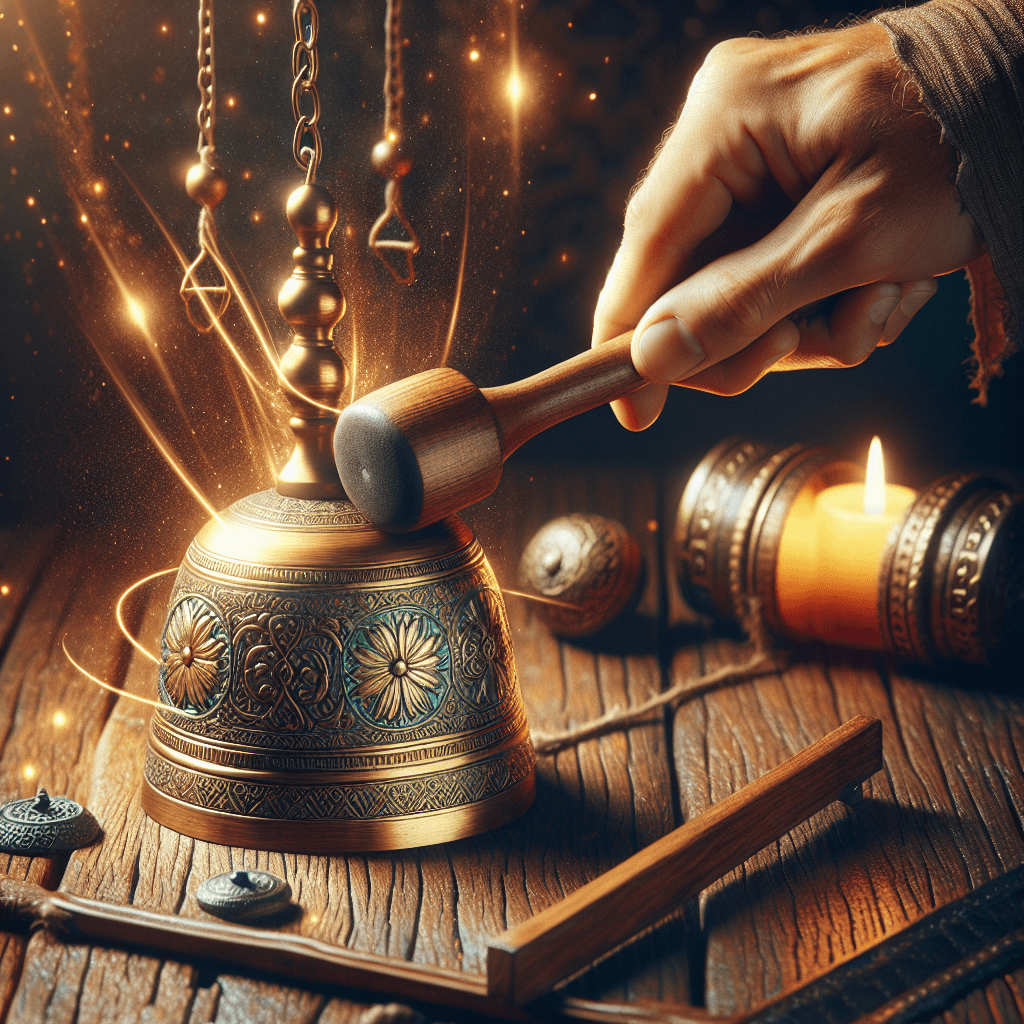
Offering bowls placed on altars or in natural settings serve as gifts to deities, ancestors, spirits of place, and elemental forces, creating reciprocal relationships that support ongoing spiritual practice. These vessels often remain in position for extended periods, becoming focal points for meditation and daily devotional work. Singing bowls made from metal alloys produce sound vibrations that cleanse energy, mark ritual transitions, and induce altered states of consciousness. The resonance created by striking or rimming these bowls with wooden mallets generates frequencies that align chakras, clear negative energy, and call spiritual allies to witness ceremony.
Modern practitioners often maintain multiple sacred bowls for different purposes: one for earth-based work with herbs and stones, another for water ceremonies and cleansing, and specialized bowls for specific deities or magical traditions. The act of consecrating these bowls through elemental blessings, lunar charging, or deity dedication transforms simple containers into powerful spiritual tools that accumulate energy and effectiveness through regular use. Ritual vessel sacred meanings continue to evolve as modern practitioners discover new applications for these ancient tools while honoring their traditional spiritual significance.
Which ritual vessel calls to your spirit, and how will you begin incorporating its sacred meanings into your personal practice?
Related Items:

Lilly Dupres
Owner & AuthorLilly Dupres, a lifelong practitioner of paganism, established Define Pagan to offer a clear definition of paganism and challenge misconceptions surrounding modern pagan lifestyles.