
What are the 7 essential tools every beginner needs for their first pagan altar setup?
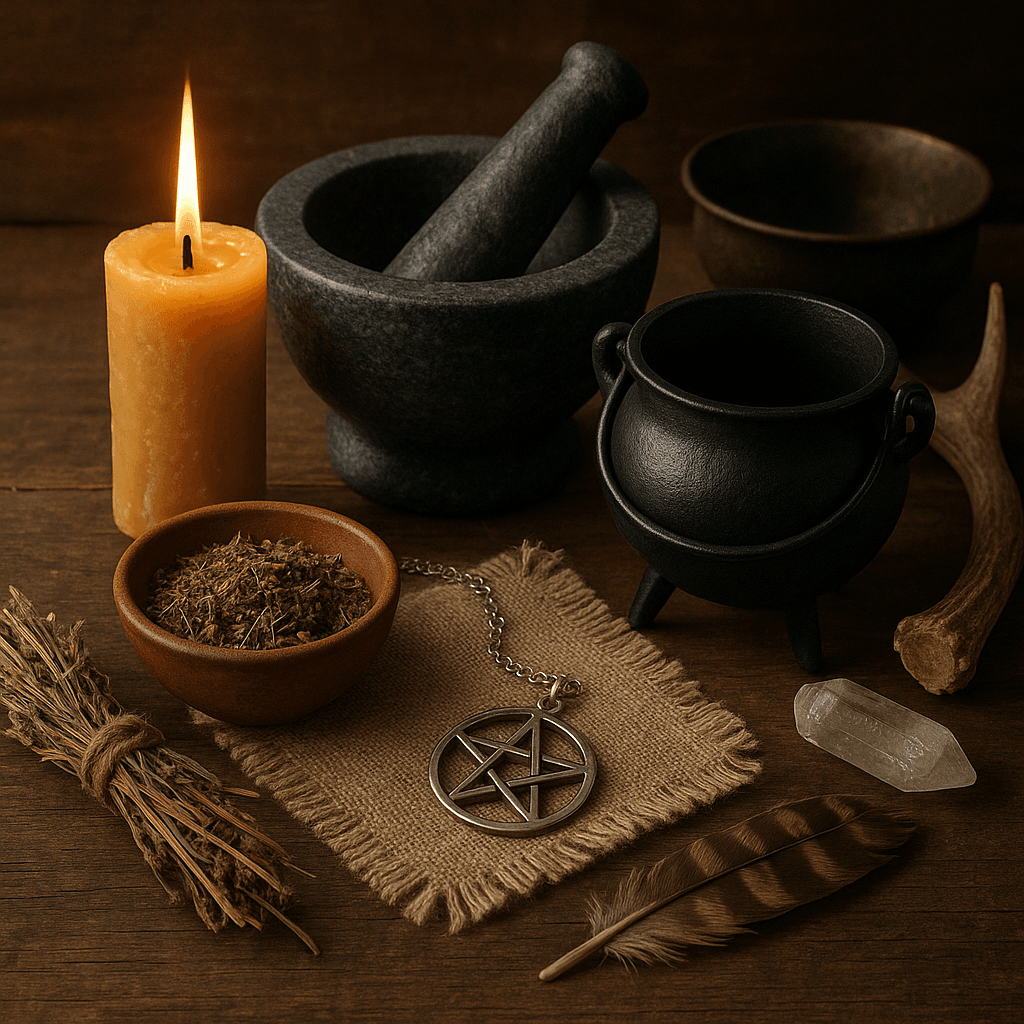
The core seven tools represent the four elements plus foundational items for energy work and ritual. These Essential Pagan Altar Tools include the athame for directing energy, chalice for water offerings, wand for invocation, pentacle for grounding, cauldron for transformation, candles for illumination, and incense or censer for purification. These tools allow basic circle casting, elemental balance, and spellwork without overwhelming new practitioners. Many people start with just these seven items or fewer, adding crystals or a besom later as their practice develops.
Essential Pagan Altar Tools
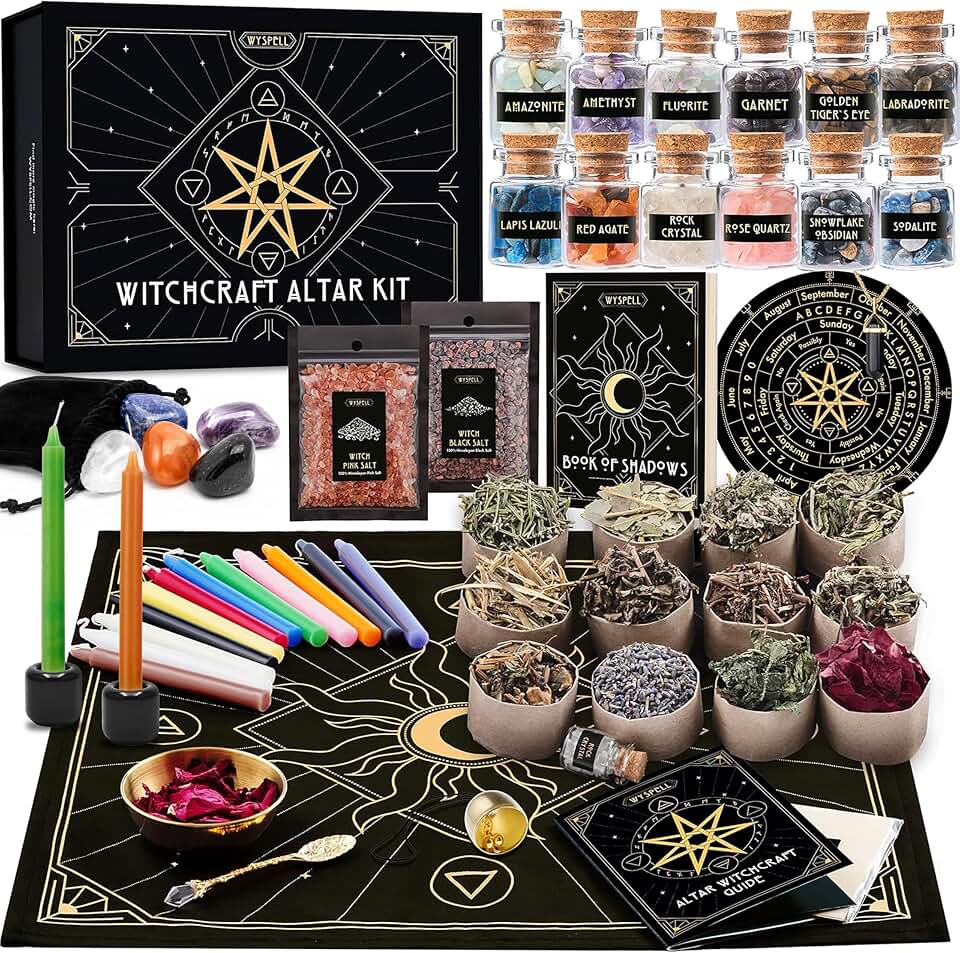
Wyspell Large Witchcraft Kit - 77 PCS - Altar Spell Set - Witchy Gifts
View ProductEssential Pagan Altar Tools serve as ritual objects that focus energy, represent the four elements, and support spellwork, devotion, and invocation across various traditions. These sacred implements vary between paths like Wicca, Irish Paganism, and eclectic witchcraft, but they all serve similar foundational purposes in spiritual practice. The beauty of pagan altar work lies in its flexibility. No fixed must-have items exist because each practitioner personalizes their altar to reflect their unique spiritual journey and connection to the divine.
Common items include athame, chalice, wand, pentacle, cauldron, candles, incense, crystals, besom, and herbs. These tools work together to create a sacred space that anchors your ritual work and helps you connect with elemental energies. Your altar becomes a focal point for meditation, spellwork, and daily spiritual practice. The tools you choose should resonate with your personal beliefs and feel meaningful in your hands. Some practitioners prefer elaborate setups with dozens of items, while others work with just three or four basic tools. Both approaches are valid and effective.
Beginner’s Guide to Sacred Items
Starting your collection of Essential Pagan Altar Tools requires a simple approach focused on items that hold personal meaning for you. Begin with one candle to represent fire and the hearth energy that warms your spiritual practice. White or black candles work well for most rituals since white represents purification and protection while black offers grounding and banishing energy. Add natural elements like stones, feathers, shells, or pieces of wood that you find during walks or travels. These items connect you directly to earth’s energy without requiring any expense.
Crystals enhance your altar’s energy field, with clear quartz amplifying intention and black tourmaline providing protection from negative influences. An altar cloth protects your surface and makes your space portable when needed. You do not need to purchase everything at once. Use household items as substitutes while building your collection. A regular bowl serves as a chalice for water offerings. A kitchen knife works as an athame for directing energy. A small pot or heat-safe bowl functions as a cauldron for burning herbs or incense. Focus on the intention and energy you bring to your practice rather than having perfect tools. Your spiritual connection matters more than expensive implements.
Must-Have Tools for New Practitioners
When building your collection of Essential Pagan Altar Tools, prioritize items that represent each of the four elements in your ritual space. For earth energy, place a pentacle disc, stone, or crystal on the north side of your altar to provide grounding and stability during spellwork. Water finds representation through a chalice, bowl, or small cup placed in the western position, holding blessed water, moon water, or other sacred liquids for offerings and cleansing. Air and fire elements need representation through tools like wands, athames, candles, and incense.
Your wand or athame directs energy and casts circles, while candles provide the fire element’s illumination and transformative power. Incense or a censer brings air element purification and helps raise the vibration of your sacred space. Add a cauldron for mixing herbs, burning incense, or holding fire during rituals. This vessel represents transformation and the triple goddess in many traditions. Crystals amplify your intention and add specific energies to your work. High-vibration stones like amethyst enhance spiritual connection while grounding stones like hematite keep you centered during intense ritual work. Modern practitioners often emphasize protective stones like black tourmaline to shield against digital age stressors and electromagnetic fields. Build your toolkit gradually, adding pieces that call to you rather than rushing to acquire everything at once.
Traditional Ceremonial Object Meanings Explained
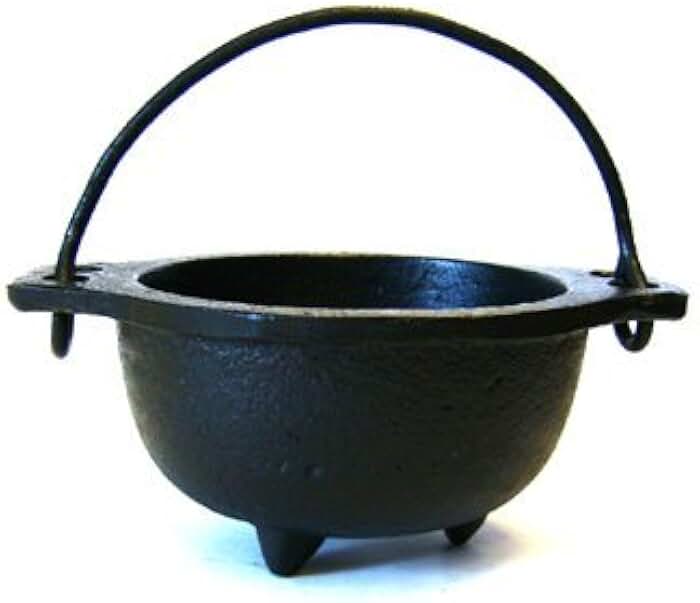
Cast Iron Cauldron w/Handle, Ideal for smudging, Incense Burning, Ritual Purpose, Decoration, Candle Holder, etc. (4" Diameter Handle to Handle, 2.5" Inside Diameter)
View ProductUnderstanding the deeper meanings behind Essential Pagan Altar Tools helps you use them more effectively in your spiritual practice. The athame serves as your primary energy-directing tool, traditionally featuring a double-edged blade with a black handle to absorb and direct power during circle casting and cord cutting rituals. This ritual knife represents fire or air depending on your tradition and never cuts physical objects, only energy. Your chalice symbolizes the divine feminine and goddess energy, holding water for libations, wine for celebration, or blessed liquids for ritual use.
The wand directs your will and invokes elemental powers, often crafted from wood that resonates with your magical goals like oak for strength or willow for intuition. A pentacle disc anchors earth energy and charges other ritual items placed upon its surface, featuring the five-pointed star that represents the elements plus spirit. The cauldron transforms raw materials into magical energy through mixing herbs, burning incense, or holding ritual fires, serving as the iconic symbol of witchcraft and rebirth.
Candles provide fire element energy with different colors supporting specific magical intentions, though black and white candles handle most basic ritual needs for banishing and blessing work. Incense and censers purify your space with air element energy while raising spiritual vibrations and carrying prayers to higher realms. The besom or ritual broom sweeps away negative energy before and after ceremonies. Crystals and herbs connect you to nature’s power while amplifying your magical work through their unique vibrational properties. Different traditions emphasize different tools, with Irish Paganism favoring hag stones for protection and Ogham symbols for divination work.
Building Your First Ritual Kit
Creating your first collection of Essential Pagan Altar Tools starts with selecting an appropriate surface for your sacred work. Choose a shelf, small table, wooden chest, tree stump, or portable box that will serve as your altar foundation. Your altar needs a central location in your home where you will see it daily and feel comfortable performing rituals without interruption. Some traditions prefer positioning the altar to face north or east, though your personal comfort and available space matter more than perfect directional alignment.
Cover your chosen surface with cloth to protect it and define your sacred space. Any fabric works, from simple cotton to elaborate brocade, with colors chosen to match your magical goals or seasonal celebrations. Arrange your tools according to elemental correspondences, placing air items like incense or your wand in the east, fire tools like candles or athame in the south, water elements like your chalice in the west, and earth items like crystals or pentacle in the north. Add a centerpiece that represents your spiritual focus, such as a deity statue, special book, or meaningful natural object. Include an offerings bowl for leaving gifts to spirits or deities you work with. Seasonal decorations help you stay connected to nature’s cycles throughout the year. Start with indoor placement while learning to use your tools, then experiment with outdoor altars for special occasions. Your ritual kit should remain simple and manageable rather than overwhelming you with too many options.
Altar Table and Cloth

The foundation of your Essential Pagan Altar Tools collection begins with selecting the right altar table and cloth for your sacred space. Your altar table serves as the working surface where you will focus energy, perform rituals, and connect with divine forces on a regular basis. This surface needs to feel sacred to you while meeting practical needs for your living situation. A dedicated shelf works well for small spaces and keeps your tools visible for daily inspiration. Small tables offer more working room for elaborate rituals and group work. Wooden chests provide storage underneath while creating a stable surface above. Tree stumps bring natural energy indoors and connect you to forest magic. Portable boxes allow you to practice anywhere and keep your tools private when needed.
Consider your space limitations, privacy needs, and how often you plan to move your altar when making this choice. Position your altar table where you will see it regularly, as daily visual contact strengthens your spiritual connection and reminds you to maintain consistent practice. The altar cloth protects your table surface while defining the boundaries of your sacred space. Any material works for altar cloths, from simple cotton fabric to leather or elaborate tapestries. Color choices should reflect your magical intentions or seasonal celebrations, with green representing earth energy, blue for water, red for fire, and yellow for air elements. Your cloth also makes your altar portable when you want to practice outdoors or travel with your tools. Change cloths seasonally to stay connected with nature’s cycles and keep your practice fresh and engaging.
Your journey with Essential Pagan Altar Tools begins with understanding that sacred practice grows from intention rather than expensive implements. Which of these seven foundational tools calls to you first as you begin building your spiritual practice?
Related Items:

Lilly Dupres
Owner & AuthorLilly Dupres, a lifelong practitioner of paganism, established Define Pagan to offer a clear definition of paganism and challenge misconceptions surrounding modern pagan lifestyles.


