What are the 7 essential tools every beginner needs for their first pagan altar setup?
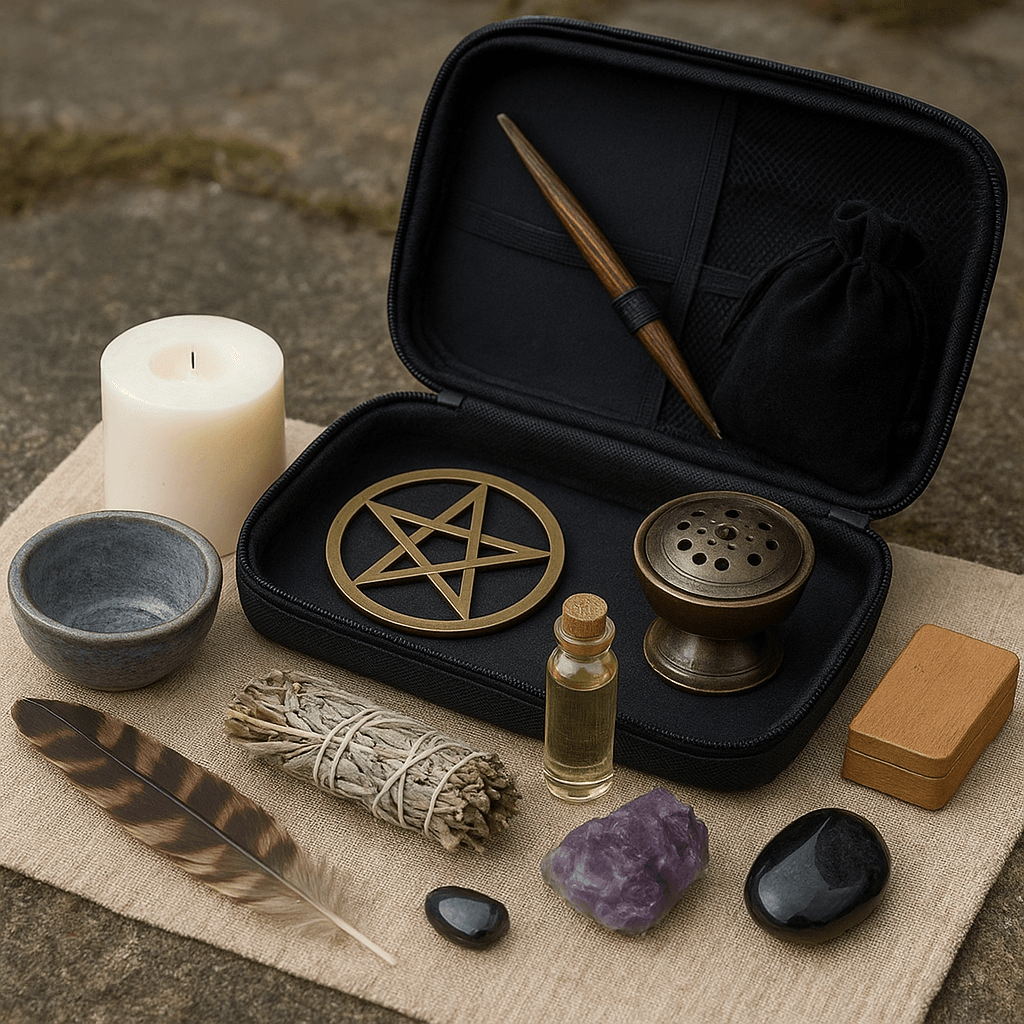
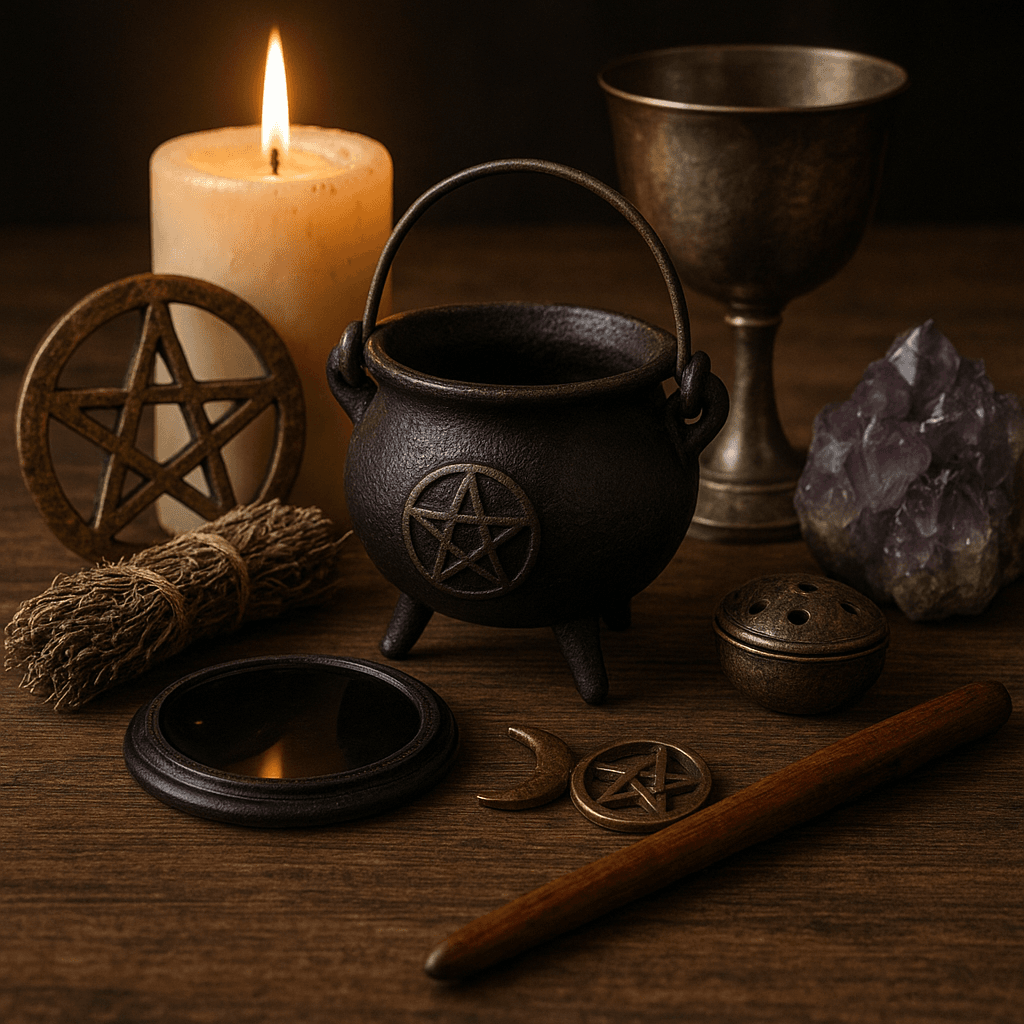
The seven essential pagan altar tools that form the foundation of modern practice are the athame, wand, chalice, pentacle, cauldron, candles, and incense or a burner for it. These tools represent core elements and functions in pagan and Wiccan practices. The athame directs energy and casts circles, representing air or fire. The wand focuses intent and corresponds to fire or air. The chalice symbolizes water, emotion, and the divine feminine. The pentacle provides protection and elemental balance through earth energy. The cauldron serves multiple purposes for offerings, burning, or transformation rituals. Candles bring fire element energy for light, intention, and ritual work. Incense purifies spaces and invokes spiritual presence through air element connection. Each tool serves specific ritual functions while working together to create balanced sacred space. Modern practitioners adapt these traditional tools to fit personal beliefs and living situations. The key lies in understanding each tool’s symbolic meaning rather than acquiring expensive versions. Your altar becomes a personal reflection of your spiritual path, and these seven essential pagan altar tools provide the foundation for meaningful practice.
Beginner Pagan Altar Setup
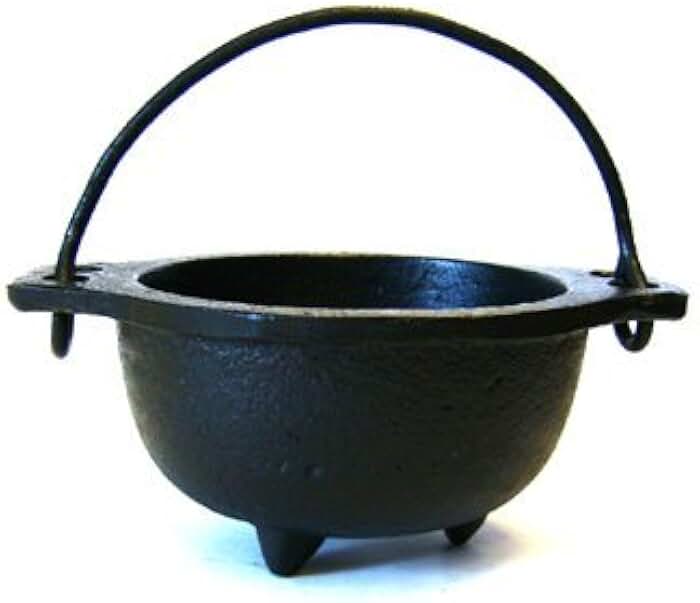
Cast Iron Cauldron w/Handle, Ideal for smudging, Incense Burning, Ritual Purpose, Decoration, Candle Holder, etc. (4" Diameter Handle to Handle, 2.5" Inside Diameter)
View ProductCreating your first pagan altar begins with selecting the right surface and location for your practice space. Start with simple surfaces like small tables, shelves, windowsills, trays, or wooden boxes that offer portability and storage options. Choose private, meaningful spots such as bedroom corners, east or north walls, or portable setups that allow discreet practice. Face your altar toward your preferred direction or deity to enhance spiritual connection. The physical space matters less than the intention you bring to it. Your altar should feel sacred and personal to you. Consider factors like privacy, accessibility, and the ability to leave items undisturbed between rituals. Many practitioners find success with dedicated corner spaces or repurposed furniture that serves dual purposes. The location should inspire reverence while remaining practical for regular use.
Arrange your essential pagan altar tools directionally to honor the four elements and create energetic balance. Place feathers or incense in the east to represent air element. Position your wand or athame in the south for fire energy. Set your chalice or cauldron in the west to honor water. Place your pentacle or stones in the north for earth connection. Position a central candle to represent spirit or divine energy. This directional arrangement creates energetic flow and elemental harmony during ritual work. You may adjust directions based on your specific tradition or personal preferences. Some practitioners prefer deity-focused arrangements or follow different cultural traditions. The key involves understanding why you place each item in its position.
Add personal items like deity statues, crystals, offerings, or family heirlooms to reflect your unique spiritual path. Keep your arrangement flexible and allow it to evolve as your practice deepens. Your altar should tell your spiritual story through meaningful objects and arrangements. Include seasonal decorations, fresh flowers, or natural items that connect you to earth cycles. Personal photographs, artwork, or handmade items add intimate touches that strengthen your connection to the space. Remember that altars are living spaces that grow and change with your spiritual development. Regular updates and seasonal changes keep the energy fresh and aligned with your current needs and interests.
Sacred Tool Selection Guide
Select your essential pagan altar tools based on symbolism, personal resonance, and traditional meaning rather than expense or appearance. The athame serves as your primary energy directing tool and traditionally features a black handle. This ritual knife never cuts physical objects but instead cuts through spiritual barriers and casts protective circles. Choose an athame that feels comfortable in your hand and resonates with your energy. The blade material matters less than your connection to the tool. Many practitioners prefer double-edged blades for symbolic balance, while others choose single-edged designs for focused intent. Your athame becomes an extension of your will during ritual work. Handle it with respect and store it safely when not in use.
Your wand serves as a focusing tool for spell work and energy direction. Choose from wood, crystal, metal, or mixed materials based on your preferences and magical goals. Different woods carry specific properties, with oak for strength, willow for lunar work, and birch for new beginnings. Crystal-tipped wands combine stone energy with wood properties. DIY wands often carry more personal energy than purchased ones. Length should feel comfortable for pointing and drawing symbols. Many practitioners prefer wands between 13 and 21 inches long. Decorate your wand with personal symbols, ribbons, or stones that enhance its energy. Store your wand in silk or natural cloth to preserve its energetic properties.
The chalice represents water element and divine feminine energy during ritual work. Choose materials like silver, pewter, glass, or ceramic based on your budget and preferences. Size should accommodate ritual drinks and offerings without overwhelming your altar space. Consider chalices with meaningful symbols like pentacles, Celtic knots, or goddess figures. Your chalice participates in blessing rituals, seasonal celebrations, and deity offerings. Clean it thoroughly between uses and dedicate it solely to ritual purposes. The pentacle serves as your earth element representative and protection symbol. Traditional designs feature a five-pointed star within a circle, representing elemental balance and divine protection. Materials include wood, metal, ceramic, or stone. Size should fit your altar proportions while remaining visible during ritual work.
The cauldron brings transformation energy to your practice through its connection to rebirth and change. Choose smaller sizes for altar use and larger versions for outdoor rituals. Cast iron cauldrons are traditional and durable, while ceramic versions work well for indoor altars. Use your cauldron for burning herbs, holding offerings, or mixing ritual ingredients. Candles provide fire element energy and focus for ritual work. Start with basic black and white candles, then expand to colors that match your magical goals. Choose candles that burn cleanly and fit securely in your holders. Incense brings air element energy and creates sacred atmosphere through scent and smoke. Select scents that align with your intentions, such as sandalwood for protection or lavender for peace.
Ritual Tool Cleansing Methods
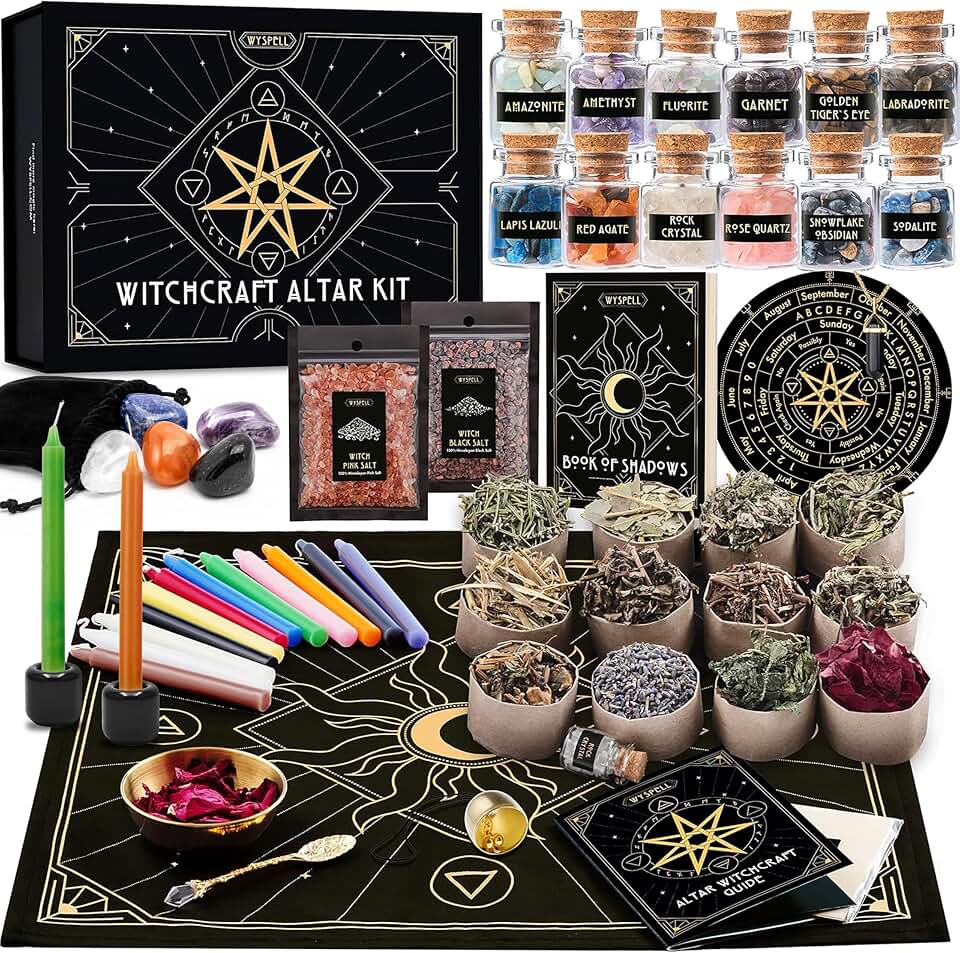
Wyspell Large Witchcraft Kit - 77 PCS - Altar Spell Set - Witchy Gifts
View ProductCleanse all essential pagan altar tools before first use and regularly afterward to maintain their spiritual effectiveness and remove stagnant energy. Smoke cleansing offers the most versatile method for purifying your tools. Pass each item through incense smoke or burning herbs like sage, rosemary, or cedar. Move tools slowly through the smoke while visualizing negative energy dispersing and positive energy flowing in. This method works safely for all materials and adds blessing energy to your tools. Create your own cleansing blends using herbs that align with your spiritual path and personal preferences. Dried lavender, mugwort, and frankincense create effective cleansing combinations. Always ensure proper ventilation when burning herbs indoors.
Sound vibration provides another powerful cleansing method for your sacred tools. Ring bells, strike singing bowls, or shake rattles near each item while focusing on clearing unwanted energy. Sound waves penetrate materials deeply and restore natural energetic frequencies to your tools. This method works especially well for metal items like athames and chalices. Tibetan singing bowls create particularly effective vibrations for cleansing work. You might also use recorded sacred music, chanting, or drumming for sound cleansing. The key involves intention combined with sustained sound vibration around your tools.
Visualization techniques allow you to cleanse tools without physical materials when other methods are unavailable. Hold each tool while breathing deeply and visualizing bright white light surrounding and penetrating the item. See this light dissolving any negative or stagnant energy while filling the tool with fresh, positive vibration. This method requires focused concentration but works effectively with consistent practice. Combine visualization with deep breathing for enhanced results. Some practitioners prefer golden light, purple flame, or other colors that resonate with their energy.
Salt water cleansing works well for non-porous materials but requires caution with metal and wood items that might rust or warp. Mix sea salt or rock salt with spring water and lightly sprinkle or dab onto appropriate tools. Avoid soaking items unless you know they can handle moisture exposure. This method connects your tools to both earth and water element energies. Always dry metal items thoroughly after salt water contact. For altars themselves, smoke the entire space with cleansing herbs or pass candle flames at safe distances from flammable materials. Repeat cleansing monthly, after intense rituals, or when tools feel energetically heavy. Align cleansing with moon phases for enhanced potency, with new moons for clearing and full moons for charging.
Budget-Friendly Altar Alternatives
Creating meaningful altar space does not require expensive purchases when you use everyday items creatively and focus on intention over appearance. Coffee tables, end tables, bookshelf spaces, kitchen cabinets, trunks, or cloth-draped dressers serve excellently as altar bases. Look around your home for surfaces that offer the right height, privacy, and accessibility for your practice. A simple cloth can transform any surface into sacred space while hiding mundane storage underneath. Vintage scarves, fabric remnants, or even colored towels work perfectly as altar coverings. The energy you bring to the space matters more than the monetary value of your setup.

Kitchen items make excellent substitutes for traditional essential pagan altar tools while maintaining their spiritual effectiveness. Use any cup or mug as your chalice, focusing on its symbolic meaning rather than its material value. A butter knife or letter opener serves as an athame when dedicated to ritual use only. Find a sturdy branch outdoors to create your personal wand, or use a wooden spoon if natural materials are unavailable. Any plate or small tray functions as a pentacle, especially when you draw or paint a pentagram symbol on its surface. Small pots or heat-safe bowls substitute for cauldrons during indoor rituals. Tea lights provide fire energy at minimal cost while remaining safe for small spaces.
Thrift stores offer treasure troves of altar supplies at fraction of retail costs while supporting sustainable shopping practices. Look for interesting chalices, unique plates, small cauldrons, candle holders, and decorative items that speak to your spiritual sensibilities. Estate sales and garage sales often yield unexpected gems for altar work. Antique stores sometimes carry items with interesting histories that add depth to your practice. Natural items found outdoors cost nothing while connecting you directly to earth energy. Collect interesting stones, feathers, shells, or pieces of wood during walks or hikes. Seasonal items like pinecones, leaves, or flowers refresh your altar throughout the year.
Portable setups work perfectly for practitioners who share living space or travel frequently. Use trays, shoeboxes, or small containers that hold your tools securely while allowing easy setup and storage. This approach keeps your practice private while maintaining accessibility. Create altar kits in bags or boxes that contain everything needed for ritual work. Focus on intention and personal connection rather than elaborate displays. Your essential pagan altar tools enhance spiritual work but are never absolutely required for meaningful practice. Personalize your space with free printouts, handmade symbols, or artwork that reflects your spiritual path. The most powerful altars combine practical accessibility with personal meaning, regardless of their monetary value.
Building your sacred space with essential pagan altar tools opens doorways to deeper spiritual connection and meaningful ritual practice. Which of these seven fundamental tools calls to your spirit first as you begin creating your personal altar space?
Related Items:

Lilly Dupres
Owner & AuthorLilly Dupres, a lifelong practitioner of paganism, established Define Pagan to offer a clear definition of paganism and challenge misconceptions surrounding modern pagan lifestyles.