
What Essential Tools Do You Need to Set Up Your First Altar for Spiritual Practice?
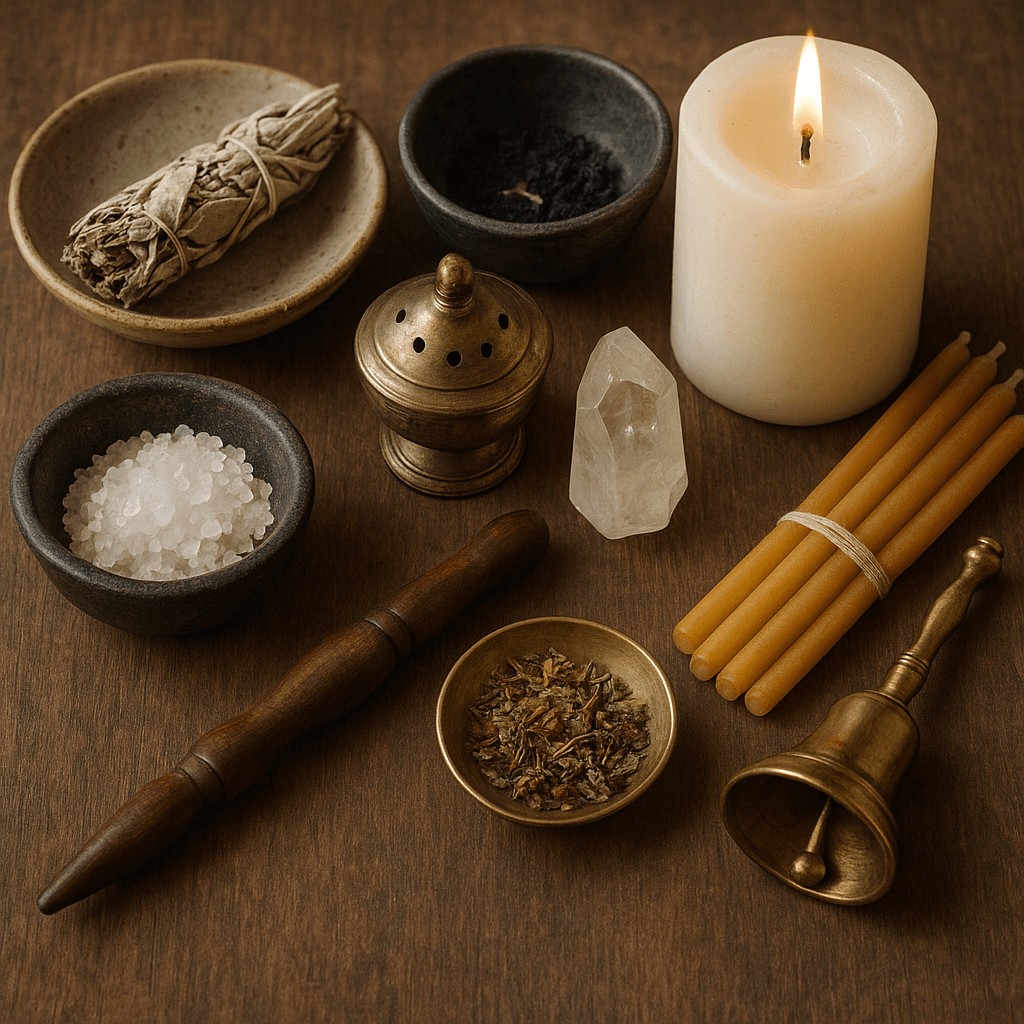
This Essential Altar Tools Guide will show you exactly what you need to create a meaningful sacred space. Start with representations of the four elements: a candle for fire, incense or feather for air, a chalice or cup of water for water, and crystals, stones, or pentacle tile for earth. Add personal items like seasonal decorations or meaningful crystals such as rose quartz, amethyst, or hematite on a simple surface like a shelf, tray, or windowsill. No elaborate tools are required initially.
Beginner Altar Setup Essentials
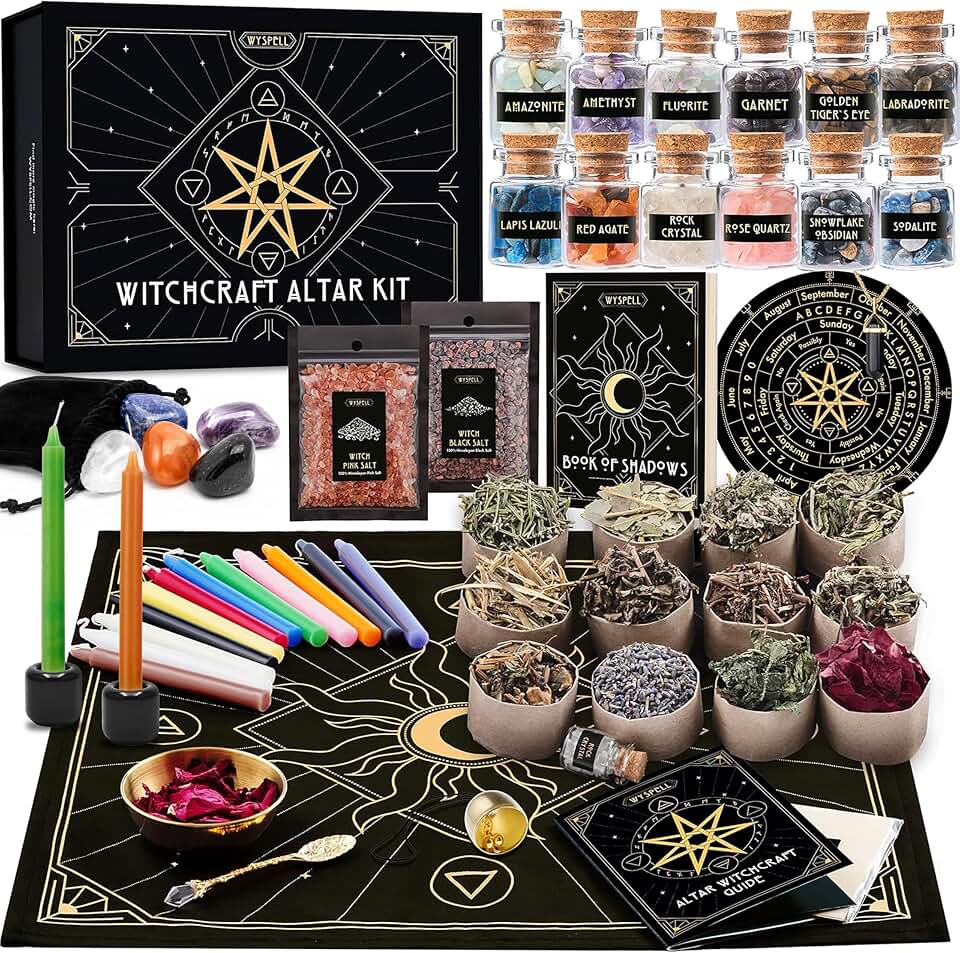
Wyspell Large Witchcraft Kit - 77 PCS - Altar Spell Set - Witchy Gifts
View ProductStarting your altar setup requires nothing more than a stable surface and intention. Choose any flat area like a nightstand, dresser, bookshelf, or wooden box to represent the elements and your spiritual intentions. Your altar space needs proper definition through an altar cloth in colors that match your purpose: white for purity, red for passion, green for abundance, purple for intuition, or black for protection. This cloth protects the surface and creates visual boundaries for your sacred space.
Cleansing your chosen area comes before placing any items. Use incense, bells, or visualization to remove negative energy from the space. Direction matters when placing your elemental representations. Position your feather or incense in the east to represent air, place your candle in the south for fire, set your water in the west, and place stones or crystals in the north for earth. This directional arrangement follows traditional elemental correspondences and creates energetic balance.
Include white or black candles as your starting point for candle magic. White candles represent purity and general blessing work, while black candles provide protection and banishing energy. Add a personal photo or meaningful object to connect your energy with the altar. For specific goals like abundance, incorporate green candles or items that represent prosperity. Keep your beginner setup simple but purposeful. Too many items create visual chaos and dilute your focus during ritual work.
Your altar grows with your practice. Begin with essential elements and add items as you learn what resonates with your spiritual path. Document what works in your practice and what feels unnecessary. This helps you understand your personal altar preferences before investing in additional tools. Remember that your altar serves your spiritual needs, not the other way around.
Must-Have Sacred Ritual Items
Core ritual items focus energy and connect you with elemental forces during spiritual work. Your chalice represents water and the feminine divine principle. Choose a vessel that feels comfortable in your hands and holds meaning for you. Materials range from glass to metal to ceramic, each carrying different energetic properties. Silver connects to lunar energy, copper amplifies healing work, and glass maintains neutral energy that works with any intention.
Your athame or wand directs energy during ritual work. The athame represents masculine energy and the element of air in most traditions. Your wand carries similar directional properties but feels gentler for those uncomfortable with blade symbolism. Choose the tool that feels natural in your dominant hand. Some practitioners use both tools for different types of work. Your athame typically handles banishing and circle casting, while your wand focuses on blessing and invoking.
The cauldron symbolizes transformation and the womb of the goddess. Use your cauldron for burning herbs, holding water for scrying, or containing ritual fires. Cast iron cauldrons work best for fire-based rituals, while ceramic versions suit water work and herb preparation. Your pentacle tile grounds earth energy and provides a stable base for charging other tools. Place items on your pentacle when you want to infuse them with earth element properties.
Candles in various colors expand your ritual options significantly. Start with black and white for protection and balance work. Add red for passion and strength, green for abundance and healing, blue for peace and communication, yellow for mental clarity, and purple for spiritual development. Stock chime candles for quick ritual work and pillar candles for extended ceremonies. Your candle selection grows based on the types of magical work you pursue most often.
Incense and herbs bring air element energy to your practice. Frankincense and myrrh work for general spiritual purposes. Sage clears negative energy, lavender brings peace, rosemary enhances memory and protection, and cedar provides grounding. Crystals anchor earth energy and amplify specific intentions. Clear quartz amplifies any intention, amethyst enhances psychic abilities, rose quartz opens the heart, and hematite provides grounding protection.
Complete Altar Tool Collection

Expanding your altar collection requires thoughtful selection of items that enhance your specific practice. Deity statues create focal points for devotional work and help you connect with divine energies. Choose representations that speak to your heart rather than following prescribed lists. Your goddess and god statues anchor feminine and masculine divine energy on your altar. Position these centrally or according to your tradition’s guidelines.
Your bowl of salt, sand, or soil provides pure earth element representation. Sea salt carries cleansing properties, while soil from your local area connects you with land spirits. River sand bridges water and earth elements for versatile energy work. Replace these materials regularly to maintain fresh energy. Your bell calls spirits, marks ritual beginnings and endings, and clears stagnant energy from your space. Choose a bell with a clear, pleasing tone that resonates with your energy.
Smudging sticks and loose herbs expand your cleansing options beyond simple incense. White sage bundles provide powerful clearing energy, while sweetgrass invites positive spirits. Palo santo offers gentle cleansing with uplifting energy. Cedar smudge connects you with tree wisdom and provides steady grounding. Store herbs in sealed containers to maintain their potency and prevent contamination.
Divination tools add guidance elements to your altar space. Tarot cards, oracle decks, runes, or scrying mirrors help you access intuitive wisdom. Keep these tools wrapped in silk or stored in wooden boxes to protect their energy. Your book of shadows documents your spiritual journey and records successful spells and rituals. This becomes one of your most valuable magical tools over time.
Seasonal items keep your altar connected to natural cycles. Change decorations with the wheel of the year to maintain fresh energy flow. Spring flowers, summer fruits, autumn leaves, and winter evergreens mark seasonal transitions. Personal items like family heirlooms, travel mementos, handmade objects, or meaningful photographs make your altar uniquely yours. These items carry your personal energy and strengthen your connection to the sacred space.
Professional Ceremonial Equipment Guide
Advanced altar setups require dedicated furniture and high-quality tools that support serious ritual work. Invest in a proper altar table when you commit to regular practice. Small wooden tables provide stable surfaces and natural material connection. Wall-mounted shelves save floor space while creating permanent altar areas. Your altar table becomes the foundation for all other magical work, so choose quality construction that will last years of use.
High-quality ritual blades hold energy better than mass-produced alternatives. Your athame should feel balanced in your hand and hold a sharp edge. Traditional black handles absorb negative energy, while wooden handles provide warm, natural connection. Some practitioners prefer ritual swords for group work or outdoor ceremonies. These larger blades command more energy but require careful handling and storage.
Chime candles work perfectly for focused ritual work because they burn completely in single sessions. Stock multiple colors for varied magical purposes. Pillar candles provide longer burning times for extended rituals or devotional work. Floating candles add water element connection when used in cauldrons or bowls. LED candles offer safe alternatives for areas where open flames pose risks.
Moon water containers collect lunar energy for magical work. Use glass jars or silver bowls to gather water during full moons. This charged water enhances any ritual or spell work. Store moon water in dark places to preserve its energy until needed. Sound tools like Native American flutes, singing bowls, or chimes add auditory elements that shift consciousness during ritual work.
Position deity representations centrally with working tools arranged by elemental direction around them. This creates natural energy flow during ceremonies. Keep your most powerful tools closest to the center, with supporting items arranged in outer circles. Maintain clear pathways around your altar for movement during ritual work. Good lighting helps you see clearly during detailed work without disrupting the ceremonial atmosphere.
Best Altar Tables for Wiccans and Pagans

Cast Iron Incense Burner 4" L 2" H, Ideal for smudging, Incense Burning, Ritual Purpose, Decoration etc. (4" L)
View ProductSelecting the right altar table determines your practice’s stability and growth potential. Small wooden tables provide natural material connection and sturdy construction for regular use. Look for tables with storage drawers or shelves underneath to keep ritual supplies organized and accessible. Solid wood construction lasts longer than particle board and holds energy better than synthetic materials. Your table height should allow comfortable standing or kneeling during ritual work.
Wall-mounted shelves maximize space efficiency in small living areas while creating permanent altar locations. Install shelves at appropriate heights for your physical needs and ritual requirements. Multiple shelf levels accommodate growing tool collections and seasonal decorations. Floating shelves create clean lines that focus attention on your altar items rather than supporting hardware.
Portable options like trays, wooden boxes, or converted furniture pieces suit renters and travelers. These altars pack away completely when needed and set up quickly for ritual work. Decorative trays work well for simple altars that require frequent moving. Wooden boxes with hinged lids store everything safely and create instant altar surfaces when opened. Convert old furniture pieces like small chests or side tables into dedicated altar spaces with personal touches.
Window sills provide natural lighting and connection to outdoor energy cycles. Use this space for sun and moon charging of tools and crystals. Window altars work especially well for seasonal celebrations and weather magic. Ensure your items stay secure and weather-protected in these locations. Some practitioners maintain both indoor working altars and window display areas for different purposes.
Budget-friendly alternatives include repurposed household furniture and simple construction projects. Bookshelf tops create excellent altar spaces with storage below for supplies. Plastic storage containers work for temporary or outdoor ritual spaces. Build simple altar tables from reclaimed wood for personalized sacred furniture. Your altar table investment should match your commitment level and available resources rather than following expensive recommendations.
Your Essential Altar Tools Guide journey begins with understanding that every meaningful spiritual practice grows from simple, intentional beginnings rather than expensive collections. Will you start building your sacred space with the four elements today?
Related Items:

Lilly Dupres
Owner & AuthorLilly Dupres, a lifelong practitioner of paganism, established Define Pagan to offer a clear definition of paganism and challenge misconceptions surrounding modern pagan lifestyles.


