How to Create Beautiful Seasonal Altar Arrangements That Change Throughout the Year
The key lies in establishing a dedicated sacred space and carefully layering symbolic elements that honor the natural rhythms of the earth. Seasonal altar arrangement tips begin with selecting an appropriate location, choosing themed altar cloths, and incorporating meaningful items like flowers, candles, crystals, herbs, and natural objects that reflect the Wheel of the Year’s transitions. Your altar becomes a living reflection of seasonal energy when you gather fresh nature finds and arrange them intuitively for optimal balance and energy flow. Regular blessing of the space and frequent refreshing of elements maintains the sacred connection and honors the constant cycle of renewal that defines pagan practice.
Spring Equinox Sacred Space Setup
Creating your spring altar requires careful attention to placement and symbolism that honors the awakening earth. Choose a quiet, visible spot near natural light where morning sun streams through windows, as this placement amplifies the growing energy of the season. Your altar cloth should reflect spring’s gentle emergence through light green, yellow, pink, blue, or white fabrics that capture the soft palette of early blooms. Fresh flowers form the heart of your spring display, with daffodils, tulips, crocuses, and cherry blossoms bringing living energy to your sacred space. These blooms connect you directly to the earth’s renewal and provide a visual reminder of life returning after winter’s dormancy.
Fertility symbols add deeper meaning to your spring arrangement through colored eggs, small rabbit figurines, lamb representations, bird nests, and seeds ready for planting. These items honor the reproductive energy surging through all living things during spring equinox time. Your candle selection should focus on white, green, or yellow tapers anointed with jasmine oil to enhance their spiritual potency. The gentle flame represents the returning light while the scent connects you to spring’s floral awakening. Crystal choices like rose quartz, amethyst, aquamarine, aventurine, and clear quartz support themes of new love, spiritual clarity, emotional healing, and fresh beginnings that define this season.
Incorporating the four elements creates energetic balance within your spring altar arrangement. Earth appears through foraged stones and seeds gathered during nature walks, while water manifests in small vases filled with moon water charged during the full moon closest to the equinox. Fire energy flows through your candles and any small LED lights you choose to add, while air connects through feathers found during outdoor time and the rising smoke of jasmine, myrrh, frankincense, or vervain incense. Arrange these elements harmoniously around your altar space, creating visual flow that draws the eye in a gentle circular pattern. Bless your completed arrangement with intentions focused on growth, renewal, and the manifestation of goals you want to nurture throughout the growing season.
Summer Solstice Altar Decoration Guide
Your summer solstice altar celebrates the peak of solar energy and requires bold colors and sun-focused symbolism. Select a sacred space that receives maximum daylight hours and choose vibrant altar cloths in yellow, orange, red, gold, or green to evoke the sun’s powerful energy at its height. These warm tones create an immediate connection to solar deities and the fire element that dominates this season. Sun symbols become central focal points for your arrangement, including solar wheels, fresh sunflowers, hand-drawn sun images, and statues representing solar goddesses like Amaterasu or Brigid in her summer aspect. These symbols channel the masculine energy of the sun while honoring the divine feminine that nurtures all growth.
Seasonal flowers and herbs bring the garden’s abundance directly onto your altar space. Sunflowers create dramatic height and solar connection, while daisies, marigolds, roses, and peonies add color variety and floral energy. Fresh herbs like lavender, mint, basil, and rosemary provide aromatic elements while connecting you to the practical magic of summer’s harvest. These living plants change daily, requiring regular attention and replacement that keeps you actively engaged with your altar practice. Gold and yellow candles serve as central focal points, with some practitioners adding twinkle lights to create a sun-like radiance that continues glowing even after sunset.
Crystal selection for summer focuses on stones that amplify solar energy and personal power. Citrine attracts abundance and success, carnelian boosts confidence and creativity, sunstone connects directly to solar deities, and amber carries ancient earth energy perfect for this abundant season. Natural elements from your local environment add authentic seasonal touch through oak branches, seasonal fruits like strawberries and citrus, colorful feathers, and shells from summer beach visits. These items connect your practice to your specific geographic location and the unique way summer manifests in your area.
Arrangement requires intuitive placement that creates both visual appeal and energetic balance throughout your altar space. Place larger items like sunflowers and oak branches toward the back, medium-sized elements like candles and statues in the middle area, and smaller crystals and shells along the front edge where you interact most directly. Light all candles and incense simultaneously during solstice rituals to amplify the solar energy and create a powerful focus for meditation, manifestation work, and celebration of the sun’s peak power.
Autumn Harvest Ritual Table Design
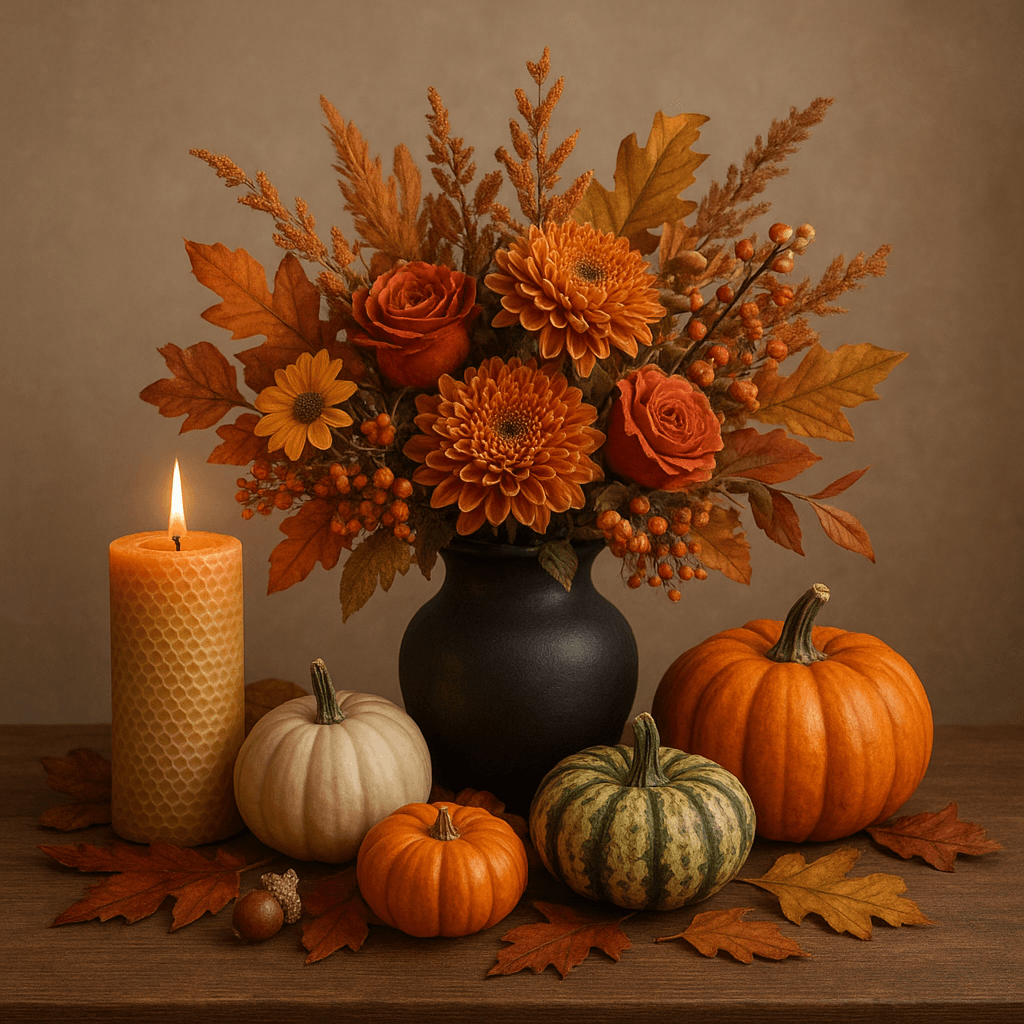
Autumn altar arrangements celebrate the earth’s generous harvest and prepare your sacred space for the introspective months ahead. Choose earth-toned altar cloths in deep oranges, rich browns, burgundy, gold, or forest green that reflect the changing leaves and ripening crops. These warm, grounding colors create visual harmony with the season’s natural palette while supporting the introspective energy that autumn brings to spiritual practice. Your altar cloth becomes the foundation for displaying the abundance that earth provides during harvest time, creating a visual feast that honors agricultural cycles and natural rhythms.
Harvest symbols form the centerpiece of your autumn arrangement through fresh pumpkins, winter squash, corn stalks, wheat sheaves, and seasonal gourds in various sizes and colors. These items represent the culmination of spring’s planting and summer’s growth, reminding you of the patience required for manifestation and the reward that comes from consistent effort. Apple displays honor the sacred fruit associated with wisdom, divination, and the thinning veil between worlds that characterizes autumn energy. Include different apple varieties alongside nuts like walnuts, pecans, and acorns that represent stored wisdom and preparation for winter’s contemplative period.
Autumn flowers and foliage bring seasonal beauty while connecting your indoor space to outdoor changes happening throughout your environment. Chrysanthemums, asters, and late-blooming roses provide fresh floral energy, while branches of changing maple, oak, or birch leaves create dramatic displays that shift daily as colors deepen. Dried herbs like sage, rosemary, thyme, and oregano from your summer garden add aromatic elements while representing the preservation of knowledge and experience gained throughout the growing season. These preserved plants symbolize wisdom distilled from experience and knowledge stored for future use.
Crystal selections for autumn focus on grounding stones that support introspection and spiritual deepening. Smoky quartz clears negative energy while promoting grounding, carnelian supports courage during life transitions, citrine maintains optimism during darker months, and garnet provides energy and passion for inner work. Arrange candles in deep red, orange, gold, and brown colors throughout your display, creating warm lighting that combats shorter days while supporting meditation and ritual work. Your autumn altar becomes a place of gratitude, reflection, and preparation for winter’s inward journey, honoring both the earth’s gifts and your personal growth throughout the year.
Winter Sacred Space Arrangement Ideas
Winter altars embrace the season’s contemplative energy while celebrating light’s return during the longest nights. Select altar cloths in deep blue, silver, white, forest green, or rich purple that reflect winter’s crystalline beauty and the mystery of the season’s inward-turning energy. These colors support meditation, dreamwork, and the spiritual introspection that winter naturally encourages in pagan practice. Your cloth choice sets the tone for a season focused on inner growth, ancestral connection, and preparation for spring’s eventual return. The simplicity of winter colors allows symbolic elements to stand out dramatically against the darker background.
Evergreen branches become central to winter altar arrangements, representing eternal life and the continuity that persists through apparent death and dormancy. Pine, fir, cedar, and spruce provide aromatic elements while connecting your indoor space to the natural world’s winter aspect. Holly branches with bright red berries add color while representing protection and the life force that survives winter’s challenges. Mistletoe honors ancient traditions while symbolizing love and connection during the social season of winter celebrations. These evergreen elements require regular replacement to maintain freshness and prevent fire hazards near candles.
Winter symbols honor both the season’s challenges and its gifts through representations of snow, ice, and crystalline beauty. Clear quartz crystals create ice-like displays while amplifying spiritual energy during meditation and ritual work. White candles represent the returning light while silver candles honor lunar energy that dominates winter’s longer nights. Pinecones symbolize potential dormant within protective shells, while bare branches represent the essential structure that remains when surface beauty falls away. These natural elements remind you that apparent emptiness often contains profound spiritual potential.
Indoor arrangements work best for winter altars because outdoor elements face harsh weather conditions that limit their effectiveness. Focus on creating warm, inviting spaces that draw you toward regular spiritual practice during months when outdoor time becomes limited. Add small LED lights to create starlike effects that honor winter’s clear night skies, while maintaining several candles for the living flame energy that becomes especially important during dark months. Your winter altar serves as a beacon of spiritual light and warmth, supporting your practice through the season’s natural challenges while preparing your spirit for the renewal that spring will eventually bring.
Indoor vs. Outdoor Considerations
Indoor altars provide stability and protection that suits year-round spiritual practice across all seasonal transitions. Your indoor space remains unaffected by weather changes, allowing delicate items like candles, incense, and paper elements to remain safe while providing consistent access regardless of external conditions. Temperature control prevents candle warping and protects sensitive crystals from extreme heat or cold that could damage their structure or energetic properties. Indoor lighting allows you to create specific ambiance through candle arrangements and small LED additions that enhance meditation and ritual work without competing with bright sunlight or struggling against wind conditions.
Small spaces benefit particularly from indoor altar arrangements because you control every aspect of the environment while maximizing limited square footage through vertical arrangements and wall-mounted displays. Personal items like jewelry, photographs, and inherited tools integrate easily into indoor settings where they remain protected while adding intimate energy to your practice. Indoor air circulation supports incense use while preventing smoke from dispersing too quickly, allowing aromatic elements to enhance your spiritual work effectively.
Outdoor altars connect you directly to natural energy and seasonal changes but require different planning and maintenance approaches. Garden locations allow immediate access to fresh flowers, herbs, and seasonal plants without transportation or storage concerns. You gather materials directly from the surrounding environment, creating authentic connections to your local ecosystem and its specific seasonal rhythms. Weatherproof altar cloths and water-resistant containers become necessary investments, while temporary setups work better than permanent installations that face continuous weather exposure.
Focus outdoor arrangements around solstices and equinoxes when weather conditions typically allow extended outdoor time and seasonal energy reaches peak intensity. Avoid perishable items during extreme weather periods and never leave open flames unattended in outdoor settings where wind conditions change rapidly. Outdoor altars amplify seasonal energy through direct environmental connection but require daily attention and frequent adjustment based on weather changes. Your choice between indoor and outdoor approaches depends on your living situation, local climate, available time for maintenance, and personal preference for convenience versus direct nature connection. Both approaches offer valid paths for honoring seasonal altar arrangement tips throughout your spiritual practice.
Which seasonal transition challenges your current altar practice most, and how will you adapt these arrangement techniques to strengthen your connection with nature’s changing rhythms?
Related Items:

Lilly Dupres
Owner & AuthorLilly Dupres, a lifelong practitioner of paganism, established Define Pagan to offer a clear definition of paganism and challenge misconceptions surrounding modern pagan lifestyles.