How to Create Seasonal Altar Decorations for Beginners on a Budget
Getting Started with Budget-Friendly Altar Creation
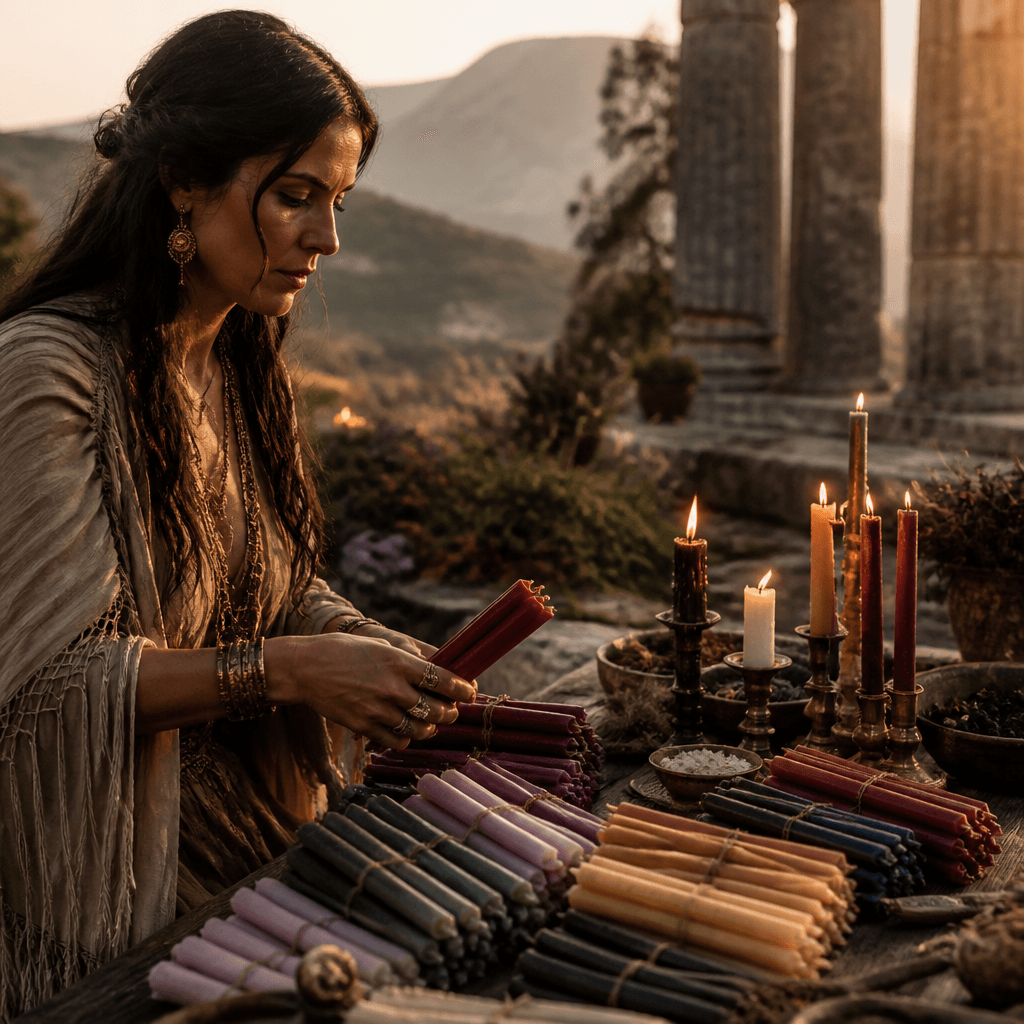
Start by foraging natural items during walks in nature. Collect stones, feathers, fallen branches, fresh flowers, moss, and budding greenery with gratitude while avoiding harm to living plants. Transform household items into sacred tools by using mason jars as vases for fresh blooms and repurposing ribbons, fabrics, or painted wooden eggs for wreaths. Free symbols like seeds, eggshells, or printed fairy images add meaningful touches to your seasonal altar decoration ideas. Focus on intention over expense by pairing items for balance, such as light and dark candles. Add potted herbs or sprouting bulbs grown from kitchen scraps. Layer a simple cloth base with foraged elements to create stunning displays for under ten dollars. Your sacred space reflects your personal connection to the wheel of the year, not your spending power. Nature provides abundant materials during each season, making budget-friendly altar creation both accessible and spiritually fulfilling.
Spring Equinox Altar Setup

Wheel of The Year Wood Sign 12",Sabbats Pagan Sign Witches Runes Wood Engraved Board Wiccan Holidays,Wicca Calendar,Yule Altar, Celestial Sign,Vintage Handmade Tabletop Ornament Decor
View ProductSpring Equinox altars celebrate renewal, growth, and the balance between light and darkness through fresh energy and pastel color palettes. Light greens represent growth, soft pinks embody love, yellows capture sunshine, and mossy tones connect you to awakening earth. Core elements include fresh flowers like daffodils, tulips, hyacinths, and cherry blossoms that announce winter’s end. Potted herbs or sprouting bulbs symbolize new beginnings while eggs and rabbit symbols honor fertility traditions. Seeds represent potential waiting to unfold, fairy figurines invite magical energy, and nature gifts like stones or feathers ground your practice in natural cycles.
Budget-conscious practitioners create stunning displays by foraging these natural items during walks, always collecting with gratitude and respect for living systems. Repurpose household items by transforming mason jars into vases for fresh blooms collected from your yard or neighborhood. Paint wooden eggs found at thrift stores or create egg symbols using eggshells from your kitchen. Add green, yellow, or pastel candles to represent the awakening sun without breaking your budget. Create DIY wreaths using grapevine bases wrapped with foraged moss, decorated with painted eggs and repurposed ribbons. Balance becomes essential during this equinox, so arrange items in pairs like balanced branches or matching candles representing harmony between opposing forces. Layer a simple cloth base, preferably in spring colors, with your foraged elements to create depth and visual interest. Enhance your altar’s intention through simple rituals like creating flower water blessings or writing gratitude notes to burn safely. Your spring altar grows more powerful through personal connection than expensive purchases. Focus on items that speak to your individual path toward renewal and growth during this season of awakening.
Summer Solstice Sacred Arrangements
Summer Solstice altars honor the sun’s peak power through bold, fiery colors and abundant natural materials celebrating transformation and protection. Your color palette should feature orange, yellow, pink, red, and gold displayed on bright altar cloths that capture summer’s intense energy. Fresh summer flowers and herbs become central elements, including sunflowers, lavender, chamomile, calendula, St. John’s Wort, vervain, yarrow, mugwort, roses, daisies, mint, rosemary, and basil. These plants connect your practice to traditional midsummer celebrations while providing materials you collect during peak growing season. Include fresh fruits from local sources or your garden to represent summer’s abundance and the earth’s generous gifts. Golden, orange, or white candles symbolize bonfire energy when outdoor fires aren’t possible. Sun crystals like citrine, garnet, carnelian, sunstone, or tiger’s eye amplify solar energy, though small specimens or even photos work for budget-conscious practitioners.
Budget-friendly approaches include foraging summer flowers and herbs during walks, always asking permission from plant spirits and taking only what you need. Repurpose ribbons and fabric scraps as clooties for making wishes, tying them to branches or small trees near your altar space. Transform mason jars into sun catchers by placing golden candles inside, creating safe bonfire symbols for indoor altars. Collect oak leaves during summer walks and charge them with solar energy by leaving them in direct sunlight before adding them to your display. Build your altar outdoors when possible to connect directly with summer’s peak energy and perform rituals like herb gathering or sunrise honoring. Layer your bright cloth base with foraged flowers arranged in simple mason jar vases, surrounded by collected stones, feathers, and charged plant materials. Create balance through pairs of golden candles or matching arrangements of summer flowers. Your summer solstice altar celebrates abundance through grateful collection of nature’s generous summer offerings rather than expensive purchases.
Autumn Harvest Altar Displays

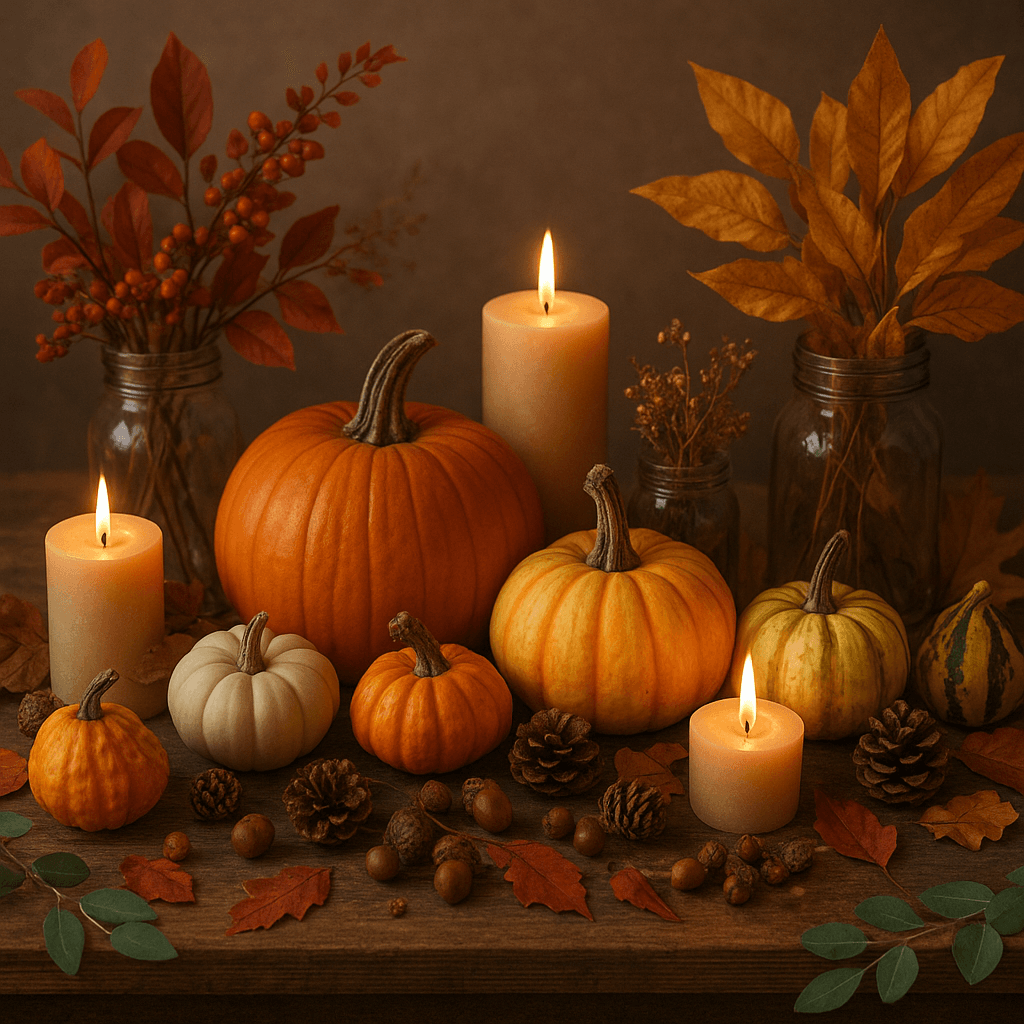
Autumn Harvest altars express gratitude for abundance through earth-toned colors and foraged materials celebrating the season’s generous offerings. Your color palette should emphasize amber, orange, brown, deep red, and golden yellow displayed on earth-toned cloth bases that reflect autumn’s rich energy. Foraged fall leaves become primary decorative elements, collected during walks when trees release their summer growth in preparation for winter rest. Acorns, pinecones, and fallen branches provide structural elements that ground your altar in forest energy. Small pumpkins, gourds, and winter squash represent the harvest’s bounty, often available free from gardening neighbors or gleaned from local farms with permission. Wheat sheaves, corn husks, and dried grasses symbolize grain harvests that sustained our ancestors through winter months. Include harvest fruits like apples, pears, and late berries to honor the season’s final fresh offerings before winter’s arrival. Amber and orange candles create warm light during lengthening nights, while brown candles connect your practice to earth energy.
Budget-conscious practitioners create stunning autumn displays by focusing on abundant free materials available during fall walks. Collect fallen leaves in various colors and stages of decay, representing life’s natural cycles. Gather acorns, pinecones, and interesting seed pods that trees drop freely during autumn preparation. Transform mason jars into harvest vessels by filling them with collected seeds, small gourds, or colorful leaves. Create corn dollies using dried husks found near fields or farmer’s markets, often available free after harvest. Repurpose fabric scraps in autumn colors as altar cloths or ribbon accents. Press collected leaves between book pages to preserve their beauty for extended altar use. Balance your display through pairs of harvest elements like matching small pumpkins or balanced arrangements of colorful leaves. Layer your earth-toned cloth base with foraged materials arranged in simple wooden bowls or repurposed containers. Focus on gratitude practices that acknowledge abundance already present in your life rather than seeking additional material acquisitions. Your autumn altar becomes a meditation on thankfulness for nature’s generous cycle of growth, harvest, and rest.
Winter Solstice Decoration Themes
Winter Solstice altars honor the returning light during the year’s longest night through evergreen symbols and warming colors that promise spring’s eventual return. Your color palette should feature deep green, white, red, and gold arranged on dark cloth bases that emphasize the contrast between winter’s depth and light’s promise. Evergreen boughs become essential elements, representing life’s persistence through winter’s challenges. Holly branches with bright berries symbolize hope during dark times, while pinecones represent seeds of future growth sleeping beneath winter’s blanket. White candles symbolize the returning light, red candles represent life force persisting through cold months, and gold candles honor the sun’s promised return after solstice night. Include representations of ice and snow through clear crystals, white stones, or simple glass containers filled with salt to represent winter’s crystalline beauty.

New Age Imports, Inc. bo, Triple Moon Pentacle Copper 3", for Altar, Ritual use, Incense Burner, smudging, Decoration, offering Bowl, 3" Diameter 2" Height
View ProductBudget-focused practitioners create powerful winter altars using abundant free materials available during cold months. Collect evergreen boughs from tree trimmings, fallen branches after storms, or with permission from wooded areas, always expressing gratitude for these gifts. Gather pinecones during winter walks when they fall freely from trees preparing for spring growth. Transform mason jars into light holders by placing white candles inside, creating safe illumination for the longest night’s vigil. Repurpose white fabric scraps or old sheets as altar cloths representing snow’s covering of sleeping earth. Create simple wreaths using foraged evergreen branches tied with repurposed ribbons, honoring traditional practices of tossing ritual wreaths into fires. Collect interesting stones during winter walks to represent earth’s enduring strength beneath seasonal changes. Balance your display through pairs of white and red candles representing the interplay between winter’s rest and life’s persistence. Layer your dark cloth base with evergreen boughs arranged around light sources, surrounded by collected pinecones and stones. Focus on introspection and protection practices that honor winter’s invitation to rest and reflect before spring’s return. Your winter solstice altar becomes a beacon of hope during darkness, celebrating light’s return through simple, meaningful seasonal altar decoration ideas.
What seasonal materials from your local area will you incorporate into your next altar to deepen your connection with the natural cycles surrounding your practice?
Related Items:

Lilly Dupres
Owner & AuthorLilly Dupres, a lifelong practitioner of paganism, established Define Pagan to offer a clear definition of paganism and challenge misconceptions surrounding modern pagan lifestyles.