

Evidence-Based Ritual Design: Creating Ceremonies That Actually Work
The Foundation of Effective Ritual Design
How do you create evidence-based rituals that actually improve wellbeing and performance? Evidence-Based Ritual Design starts with understanding that effective pagan practices aren’t just about following ancient traditions blindly—they’re about combining time-tested wisdom with modern research to create ceremonies that genuinely transform lives. The key lies in recognizing that rituals work through measurable psychological and physiological mechanisms, not just mystical energy. When we design rituals that leverage these scientific insights, we create practices that consistently deliver results rather than leaving outcomes to chance.
The foundation of creating powerful rituals begins with understanding three core elements: cultural and symbolic resonance, psychological benefit integration, and measurable evaluation methods. Cultural and symbolic elements ensure your rituals connect with participants on a deep, meaningful level that respects their background and worldview. This isn’t about cultural appropriation—it’s about creating inclusive practices that honor the diverse paths within modern paganism while maintaining effectiveness. Psychological benefit integration means incorporating elements that research has proven to reduce stress, enhance emotional wellbeing, and build resilience, such as meditation components, communal participation, and symbolic actions that create cognitive shifts. Finally, evaluation methods help you track what works and what doesn’t, allowing you to refine your practices over time based on actual outcomes rather than assumptions.
Scientific Ritual Outcomes and Evidence-Based Ceremony Design
Modern research reveals fascinating insights about how rituals actually work in the brain and body. Scientific ritual outcomes show that ceremonial practices trigger specific neurochemical responses that promote healing, bonding, and personal transformation. Studies in neuroscience demonstrate that ritual participation activates the release of oxytocin, dopamine, and endorphins—the same chemicals associated with feelings of connection, reward, and natural pain relief. This explains why evidence-based ceremony design focuses on elements like synchronized movement, group chanting, and symbolic actions that maximize these beneficial neurochemical cascades.
For the skeptical paganism scientific guide approach, it’s important to understand that rituals work through multiple validated mechanisms. Rhythmic activities like drumming and chanting induce altered states of consciousness by affecting brainwave patterns, particularly increasing theta waves associated with deep meditation and healing. The placebo effect, rather than being dismissed as fake, is actually a powerful healing mechanism that rituals can ethically harness through proper expectation setting and symbolic frameworks. Social support mechanisms activated during group rituals provide measurable stress reduction and immune system benefits that persist long after the ceremony ends.
Measurable spiritual practice results show up in various ways that modern pagans can track and optimize. Regular ritual participation correlates with reduced cortisol levels, improved heart rate variability, enhanced immune function, and better sleep quality. Psychological measurements reveal increased sense of purpose, improved emotional regulation, enhanced social connection, and greater resilience to life stressors. The key is designing rituals that intentionally target these outcomes rather than hoping they’ll occur randomly. This might involve incorporating specific breathing patterns known to activate the parasympathetic nervous system, using visualization techniques that engage neuroplasticity for personal change, or structuring group elements that maximize social bonding and support network strengthening.
When applying these insights to pagan practice, successful evidence-based ceremony design integrates traditional elements with scientific understanding. A sabbat celebration might incorporate grounding techniques that literally reduce inflammatory markers through earthing effects, seasonal symbolism that aligns with circadian rhythm optimization, and community elements that strengthen social support networks. Moon phase rituals can leverage chronobiology research about how lunar cycles affect human physiology and psychology, while protection spells can be designed as cognitive behavioral interventions that build actual confidence and boundary-setting skills. The goal isn’t to reduce magic to mere psychology, but to ensure your magical practices create real, positive changes in your life and the lives of others.

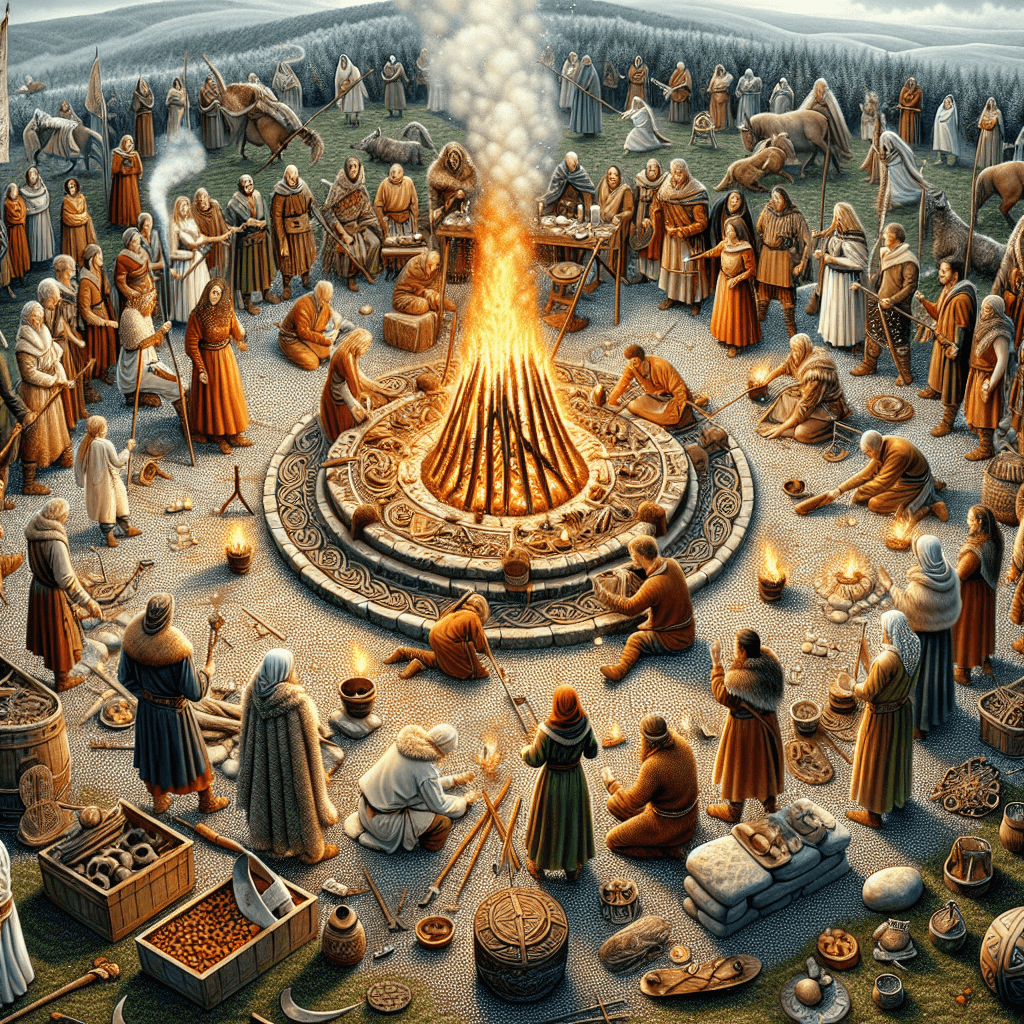

Ritual Mental Health Benefits and Ceremony Psychological Effects
The ritual mental health benefits documented in research provide a roadmap for designing ceremonies that genuinely support psychological wellbeing. Studies consistently show that regular ritual participation reduces symptoms of anxiety and depression while increasing overall life satisfaction and emotional resilience. This happens through several mechanisms that smart ritual designers can intentionally incorporate. First, rituals provide structure and predictability in an often chaotic world, giving participants a sense of control and stability that directly counters anxiety. The symbolic framework of rituals helps people process difficult emotions and life transitions in a contained, meaningful context rather than feeling overwhelmed by raw experience.
Ceremony psychological effects extend beyond temporary mood improvements to create lasting cognitive and behavioral changes. Rituals serve as powerful anchoring experiences that help establish new neural pathways and reinforce positive beliefs about oneself and the world. When someone participates in a ritual of personal empowerment, for example, the multisensory, emotionally charged nature of the experience creates strong memory encoding that can be accessed later during challenging times. The social witnessing aspect of group ceremonies provides external validation and accountability that supports sustained personal growth and behavior change.
The therapeutic potential of ritual lies partly in its ability to bypass rational mind resistance that often blocks healing and growth. While therapy focuses on cognitive processing, ritual engages the whole person—body, emotions, imagination, and spirit—creating opportunities for transformation that purely intellectual approaches might miss. This is particularly valuable for trauma healing, where rational understanding alone rarely provides complete resolution. Carefully designed rituals can provide safe containers for processing traumatic experiences, integrating fragmented aspects of self, and establishing new narratives of empowerment and healing.
Modern pagans can maximize these mental health benefits by designing rituals that specifically address their psychological needs and goals. Someone dealing with grief might create ceremonies that honor loss while gradually opening space for new growth and meaning. Those struggling with self-esteem could develop personal empowerment rituals that use physical gestures, affirmations, and symbolic objects to literally embody new beliefs about their worth and capabilities. The key is moving beyond generic ritual formats to create personalized ceremonies that target specific psychological outcomes while maintaining the essential elements that make rituals effective: clear intention, symbolic action, altered consciousness, and meaningful closure.
Understanding ceremony psychological effects also means recognizing potential risks and contraindications. Rituals that involve intense emotional states or altered consciousness aren’t appropriate for everyone, particularly those with certain mental health conditions or trauma histories. Evidence-based ritual design includes proper screening, preparation, and aftercare to ensure ceremonies enhance rather than destabilize mental health. This might involve partnering with mental health professionals, providing clear informed consent about ritual processes, and having support systems in place for integration of powerful experiences.
Transforming Your Practice Through Evidence-Based Approaches
Evidence-Based Ritual Design transforms pagan practice from hopeful tradition into powerful technology for personal and community transformation. By understanding how rituals actually work and designing them to maximize beneficial outcomes, we create ceremonies that consistently deliver the healing, empowerment, and connection that draw people to pagan paths in the first place. The marriage of ancient wisdom with modern research doesn’t diminish the magic—it makes the magic more reliable, accessible, and genuinely life-changing. What specific aspect of your current ritual practice could benefit from a more evidence-based approach?


