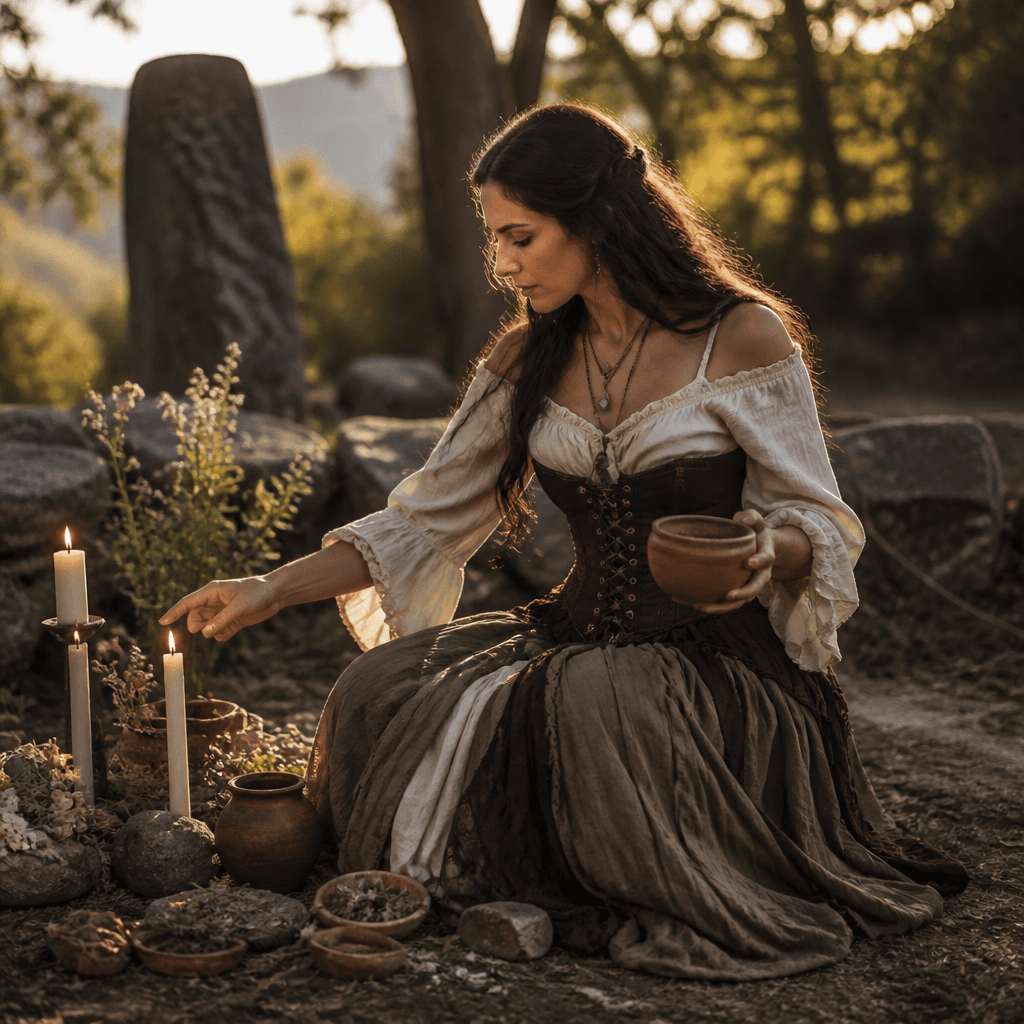
How do you use a chalice in pagan rituals for beginners?
Selecting and Preparing Your Chalice
Start by selecting a simple chalice made from glass, ceramic, metal, or wood. Avoid plastic materials as they interfere with energy flow. Cleanse your chalice by rinsing it with water and passing it through incense smoke or moonlight to remove residual energies. Consecrate the vessel by placing it on a pentacle, anointing it with oil, and exposing it to all four elements. Visualize energy flowing from your hands into the chalice during this process.
Basic Ritual Applications
During ritual work, cast your circle first, then fill the chalice with water or wine for libations, blessings, or communion. Pour offerings to deities, invoke Goddess energy, or perform the symbolic Great Rite by dipping your athame into the liquid. For solitary practice, meditate while gazing into the liquid as a spiritual gateway. Chalice ritual uses paganism encompasses these fundamental practices that connect you with divine feminine energy and the water element. The chalice serves as one of the most essential tools in modern pagan practice, representing intuition, receptiveness, and the sacred feminine principle that balances masculine energies in ritual work.
Sacred Chalice Ceremonial Practices

New Age Imports, Inc. Pentagram Chalice 5" High~ Silver Plated 100% Solid Brass
View ProductModern pagan traditions place the chalice at the western point of the altar to represent the element of water, intuition, and receptive feminine energy. This positioning aligns with directional correspondences that honor the natural flow of elemental powers throughout sacred space. The chalice holds various liquids including water, wine, mead, or ale for libations, offerings, blessings, and communal sharing during ceremonies. These practices create unity among participants while honoring deities and spiritual forces.
Water serves purification purposes when blessed with salt and sprinkled throughout ritual space or on participants. Wine connects practitioners with celebratory aspects of seasonal festivals and deity worship. Ale and mead link modern pagans to ancestral traditions and earth-based spirituality. Scrying represents another significant use where practitioners gaze into still water within the chalice to receive visions, messages, or spiritual guidance. The reflective surface becomes a window between worlds, allowing communication with spirit guides and accessing inner wisdom.
Handfasting ceremonies incorporate dual chalices where couples blend different wines to symbolize their union and commitment. This practice creates a tangible representation of two lives joining while maintaining individual identities. Group rituals feature the chalice during Cakes and Ale portions where blessed drinks are shared among all participants. This communal aspect grounds the energy raised during ritual work while creating bonds between practitioners.
The chalice also receives moon water during esbat rituals, charging lunar energy for future magical workings. Full moon ceremonies often include filling the chalice with pure water and exposing it to moonlight overnight. This moon-charged water becomes a powerful addition to future spells, blessings, and purification rites. Seasonal celebrations incorporate specific liquids that correspond to the time of year, such as apple cider during autumn festivals or fresh spring water during vernal equinox rituals.
What Does a Chalice Represent in Wicca and Modern Paganism

The chalice embodies the Goddess in her many aspects, representing the divine feminine principle that balances masculine energies in nature and spiritual practice. This sacred vessel symbolizes the womb, fertility, birth, renewal, and the endless cycle of life, death, and rebirth. Water element associations connect the chalice to emotions, intuition, dreams, and psychic abilities. These correspondences make the chalice essential for workings that involve emotional healing, developing psychic gifts, or connecting with lunar energies.
The upright position signifies the open womb receiving blessings from the divine, welcoming spiritual energy and fertile potential into ritual space. When inverted, the chalice represents birth and creative power flowing outward into manifestation. This duality reflects the complete cycle of creation from conception through birth.
In Wiccan symbolism, the chalice contrasts with the athame, creating perfect balance between receptive and projective energies. The athame represents fire and air elements along with masculine divine energy, while the chalice embodies water and earth elements with feminine divine energy. During the Great Rite ceremony, an athame plunged into a wine-filled chalice symbolizes the sacred union between God and Goddess. This symbolic act represents creation itself, the spark of life that emerges when opposing forces unite in perfect balance. The ritual acknowledges that all manifestation requires both masculine and feminine energies working together.
Beyond fertility symbolism, the chalice represents abundance in all forms including material prosperity, spiritual growth, and emotional fulfillment. Transformation themes connect to the chalice through its ability to hold different substances and change their spiritual properties through blessing and consecration. The vessel itself remains constant while its contents transform through ritual work. Communal bonds strengthen when groups share drinks from the same chalice, creating energetic connections between participants that extend beyond the ritual circle.
Blessing Rituals Water Wine
Water blessing rituals begin by filling the chalice with pure spring water or filtered water, then adding a small amount of sea salt or rock salt to create consecrated water for purification purposes. Stir the mixture clockwise while invoking divine protection and cleansing properties. Speak words such as “I bless and consecrate this water in the name of the divine feminine, may it cleanse and purify all that it touches.” This blessed water serves multiple purposes including cleansing ritual space, purifying magical tools, anointing participants, and creating protective barriers around sacred areas. Sprinkle the consecrated water in the four directions while calling upon elemental guardians to witness and protect your ritual work. The water blessing extends to healing purposes where participants receive drops on their foreheads for emotional cleansing or spiritual renewal.

Wine blessing rituals involve pouring red or white wine into the chalice while focusing on its transformative properties and connection to divine ecstasy. Add aromatic spices like cinnamon, cloves, or herbs that correspond to your magical intention. Light a candle nearby to represent the fire element joining with water element energies. Perform the Great Rite by slowly dipping the athame into the wine while visualizing the union of divine masculine and feminine energies. Inscribe pentacles above the chalice with your athame while speaking blessing words like “With sacred union and divine creation, I bless this wine as a gift from the Gods.”
This blessed wine becomes suitable for libations poured onto the earth as offerings to deities and land spirits. Participants drink the remaining wine to internalize divine energies and complete the blessing cycle. Seasonal wine blessings incorporate fruits, herbs, or flowers that correspond to current festivals such as elderberries for Samhain or fresh berries for summer solstice. Energy raising through chanting, drumming, or dancing amplifies the blessing process by building power that infuses into the liquid. Group participation multiplies this effect as multiple practitioners focus their combined will on the chalice contents, creating potent blessed liquids for magical workings.
Beginning Your Journey with the Sacred Chalice
The sacred chalice connects modern pagans to ancient wisdom while serving practical purposes in contemporary spiritual practice. Its versatile nature allows both beginners and experienced practitioners to explore feminine divine energy through water element work. Whether you seek purification, blessing, communion, or scrying, the chalice offers a direct path to spiritual connection and magical transformation. Chalice ritual uses paganism provides endless opportunities for deepening your practice and honoring the sacred feminine within yourself and the natural world. What aspect of chalice work calls to your spiritual path, and how will you begin incorporating this sacred tool into your own pagan practice?
Related Items:

Lilly Dupres
Owner & AuthorLilly Dupres, a lifelong practitioner of paganism, established Define Pagan to offer a clear definition of paganism and challenge misconceptions surrounding modern pagan lifestyles.