How to Consecrate Ritual Tools for Beginners Using Simple Household Items
Ritual tool consecration methods offer accessible ways for new practitioners to transform everyday objects into sacred implements using items already in your home. You need only table salt, tap water, a white candle, matches, and dried herbs from your kitchen like rosemary or sage. The process involves four steps: cleansing the tool with smoke and salted water, consecrating it through visualization and intention, charging it with elemental energies, and dedicating it to your spiritual practice. This transformation takes 10-20 minutes and requires no special altar or expensive supplies. Your kitchen knife becomes an athame, a drinking glass transforms into a chalice, and a wooden spoon evolves into a wand through this simple process. The key lies in your focused intention and connection with the four elements: earth, air, fire, and water. Start by grounding yourself in a quiet space, gather your household items, and prepare to witness ordinary objects become vehicles for your spiritual work. This approach makes ritual tool consecration accessible to everyone, regardless of budget or experience level.
Traditional Consecration Rituals Explained
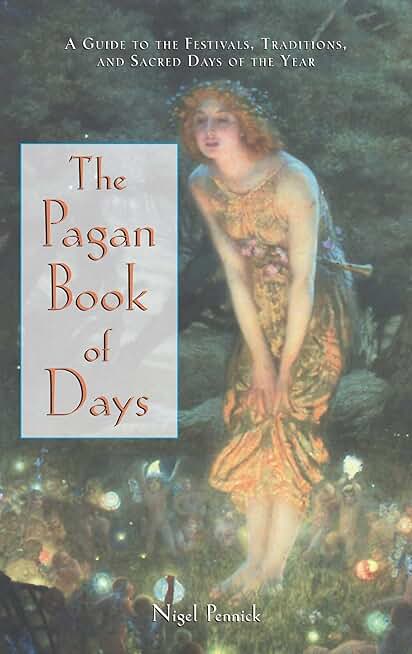
The Pagan Book of Days: A Guide to the Festivals, Traditions, and Sacred Days of the Year
View ProductTraditional ritual tool consecration methods follow ancient patterns that connect practitioners with elemental forces through structured ceremonies. These time-tested approaches begin with casting a circle or purifying your sacred space through smudging with sage or asperging with blessed water. The three-phase process starts with cleansing to remove unwanted energies, moves to consecration for dedicating the tool, and concludes with charging through elemental forces or deity invocation. You pass your tool through representations of each element in specific order: smoke from incense or herbs for air, flame from a candle for fire, salt or earth for the earth element, and water that has been charged under moonlight.
The visualization component requires you to see white light flowing from the earth through your projective hand into the tool while speaking aloud your intentions. Traditional practitioners often invoke deities like the Goddess and Horned God, stating phrases such as “I consecrate this wand and charge it with the energy of Fire” while repeating the process for each element. The visualization technique of tying an invisible magical cord around your tool in each cardinal direction creates energetic bonds between you and your implement. These methods, influenced by practitioners like Scott Cunningham, emphasize deosil or clockwise movement during the ritual and trust your intuitive guidance throughout the process.
Advanced variations include exposing tools to full moon energy overnight, anointing with consecrated oils, or burying implements in earth for complete lunar cycles. Traditional consecration transforms your relationship with tools from mundane objects to extensions of your spiritual will. Seasonal re-consecration maintains the potency of your tools, especially after heavy ritual use or when energy feels diminished.
DIY Sacred Tool Blessing Steps
DIY sacred tool blessing steps make ritual tool consecration methods accessible to practitioners working with household items and limited resources. Your consecration journey begins with gathering simple materials: table salt from your kitchen, tap water you charge under moonlight or starlight, white birthday candles, standard matches or lighter, and dried herbs like rosemary, sage, or thyme from your spice rack. The beauty of this approach lies in its adaptability to any living situation, whether you practice in a studio apartment, shared home, or outdoor space.

Begin your ritual by creating a clean workspace, lighting your candle, and taking three deep breaths to center your energy. Hold your chosen tool and state your intention to transform it from ordinary object to sacred implement. Pass the tool through candle smoke while visualizing negative energies dissolving, then sprinkle it with your salted water mixture to cleanse on multiple elemental levels. The consecration phase involves holding the tool in your dominant hand while visualizing pure white light entering from the earth through your body and into the object.
Speak your consecration words aloud: “I consecrate this tool for sacred rites and dedicate it to my spiritual practice.” Charging occurs when you invoke each element separately, touching salt to the tool for earth energy, sprinkling water drops for emotional and intuitive connection, passing through herb smoke for air element communication, and briefly exposing to flame for transformative fire energy. Complete your blessing by dedicating the tool to your chosen spiritual path, whether through prayer to specific deities, connection with natural forces, or alignment with your higher self.
Store consecrated tools separately from everyday items in dedicated boxes, bags, or sacred spaces to maintain their energetic integrity. This process works equally well for kitchen knives becoming athames, drinking glasses transforming into chalices, wooden utensils evolving into wands, or jewelry pieces becoming protective amulets. The entire ritual requires only 15-20 minutes but creates lasting energetic changes that enhance your spiritual practice.
Best Altar Chalices for Wiccans and Pagans: A Complete Buyer’s Guide
Best altar chalices for Wiccans and Pagans represent the water element, divine feminine energy, and emotional connections within ritual tool consecration methods. Your chalice selection impacts every ritual where you hold sacred beverages, moon water, or offerings to deities and spirits. Traditional chalices crafted from silver, pewter, or ceremonial glass feature stems and ritual engravings like pentacles, triple moons, or Celtic knots that enhance their symbolic power. Silver chalices conduct energy exceptionally well but require regular polishing and careful handling, while pewter options offer durability and excellent energy retention at lower cost points.
Glass chalices provide visual beauty and easy cleansing but risk breaking during enthusiastic rituals or outdoor ceremonies. Cauldron-style chalices made from cast iron or ceramic offer wide bases perfect for floating candles, herb mixtures, or substantial liquid offerings during advanced magical workings. These broader vessels suit practitioners focused on hearth magic, seasonal celebrations, or group rituals where multiple participants share consecrated beverages. Simple goblets crafted from wood, basic ceramic, or repurposed household glassware serve beginning practitioners excellently while they develop their spiritual practice and personal preferences.

Wooden chalices connect you directly with earth energies and suit eco-conscious practitioners, though they require careful cleaning and periodic re-oiling to prevent cracking. Crystal chalices carved from quartz, amethyst, or other stones amplify energy work and suit practitioners focused on healing, divination, or elixir preparation. These specialized pieces command higher prices but offer unique energetic properties that enhance specific magical applications. Your chalice selection depends on ritual frequency, storage space, budget constraints, and personal aesthetic preferences that resonate with your spiritual path.
Consider the chalice size based on your typical ritual needs: intimate solo ceremonies require smaller vessels while group celebrations need larger capacity options. Test potential chalices by holding them and sensing energy flow between your hands and the vessel before making final decisions. Dedicate your chosen chalice exclusively to ritual purposes to maintain pure energetic imprints and avoid contamination from mundane use. Regular cleansing with salted water, moonlight exposure, or sage smoke maintains your chalice’s spiritual potency throughout years of dedicated service.
Which of your everyday household items calls out to become your first consecrated ritual tool?
Related Items:

Lilly Dupres
Owner & AuthorLilly Dupres, a lifelong practitioner of paganism, established Define Pagan to offer a clear definition of paganism and challenge misconceptions surrounding modern pagan lifestyles.