Celtic Hearth Fire Rituals for Seasonal Celebrations and Home Practice

Celtic hearth fire rituals form the beating heart of ancient Celtic spiritual practice, connecting our ancestors to the sacred cycles of nature through the transformative power of flame. These sacred Celtic hearth-fire rituals were central to seasonal celebrations, especially Samhain, Imbolc, Bealtaine and Lughnasadh, and involved extinguishing and relighting household fires from a communal sacred flame, tending perpetual hearth-fires, and using fire for purification, protection, fertility and community bonding. The ancient Celts understood that fire served as more than mere illumination or warmth—it represented the divine spark that connected earthly households to celestial powers, creating a bridge between the mundane and the sacred.
Modern Pagan and Neo-Celtic practice adapts these ancient actions into accessible at-home hearth rites, small bonfire ceremonies, candle work, and devotional flame-keeping using tools such as a cauldron, athame or ritual knife, fire source and snuffer. The beauty of these rituals lies in their adaptability, allowing contemporary practitioners to honor ancestral wisdom while creating meaningful spiritual experiences within the safety and comfort of modern homes.
Understanding the historical context reveals that Celtic communities would gather at hilltops and sacred sites during major festivals, lighting massive communal bonfires that served as the source flame for every household hearth in the village. Families would deliberately extinguish their home fires and then rekindle them using embers from this shared sacred flame, ensuring that every dwelling carried the same blessed energy throughout the season. This practice of communal flame-sharing created powerful bonds within Celtic society, literally linking every hearth through fire and symbolically uniting the community under shared spiritual protection and blessing.
Ancient Celtic Fire Ceremonies
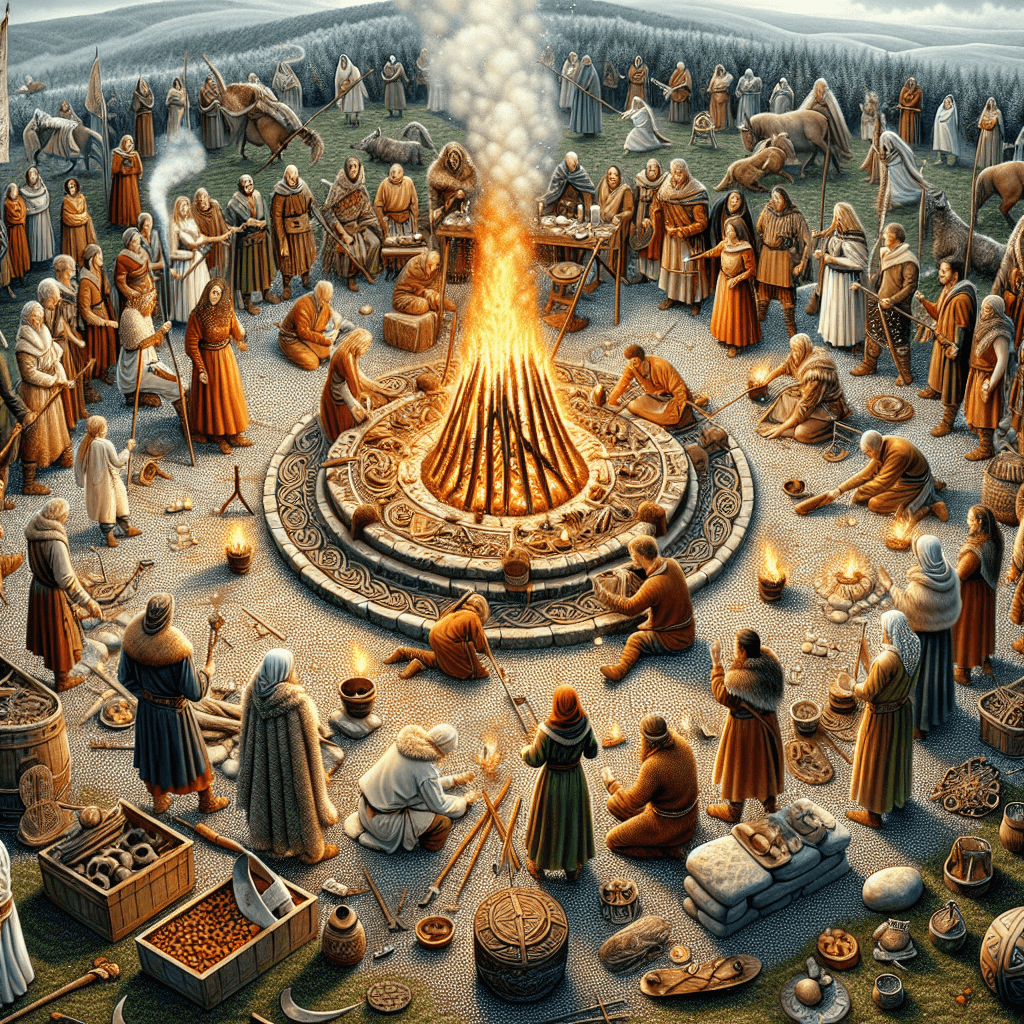
The ancient Celtic fire ceremonies that form the foundation of traditional hearth fire rituals were sophisticated spiritual practices deeply woven into the fabric of Celtic society and seasonal observance. During the great festivals of Samhain and Bealtaine, entire communities would gather on hilltops and at sacred sites to kindle massive ritual bonfires, creating spectacular displays of flame that could be seen across vast distances and served as beacons of spiritual renewal for the surrounding countryside. These communal fires were not merely celebratory gatherings but profound religious ceremonies that marked the turning of the wheel of the year, with Samhain fires guiding the community through the dark months ahead and Bealtaine flames welcoming the return of fertility and growth to the land.
The Celtic hearth fire rituals associated with these festivals required every household to participate in a synchronized spiritual practice that began with the deliberate extinguishing of all domestic fires throughout the settlement. This act of extinguishing represented a symbolic death or ending, clearing away the accumulated energies of the previous season and creating a clean spiritual slate for the new phase of the annual cycle. Once all hearth fires had been extinguished, designated fire-keepers would kindle the great communal flame using traditional methods, often involving the friction of specific sacred woods or the striking of flint, ensuring that the new fire was born from pure elemental forces rather than carried over from previous flames.
The perpetual sacred hearth traditions represent another fascinating dimension of ancient Celtic fire ceremonies, most notably exemplified in the flame-keeping practices associated with the goddess Brigid at her sacred site in Kildare. These long-running devotional flames were tended continuously by designated attendants known as flame-keepers or daughters of the flame, who maintained an unbroken line of sacred fire that symbolized the eternal nature of divine presence and the continuity of spiritual tradition across generations. The Brigid flame tradition demonstrates how Celtic hearth fire rituals extended beyond seasonal celebrations to encompass daily spiritual practice, with the perpetual flame serving as a constant reminder of the sacred within the ordinary rhythms of daily life.
Archaeological evidence and early medieval texts suggest that similar perpetual flames were maintained at other significant Celtic sites, including royal centers like the Hill of Tara, where the sacred fire represented the spiritual authority and legitimacy of the ruling powers. These perpetual flames required not only physical tending but also spiritual dedication, as the flame-keepers performed daily prayers, offerings, and protective rituals to ensure the continued blessing and power of the sacred fire. The responsibility of tending these flames was considered a sacred calling that required training, commitment, and deep spiritual preparation, as the flame-keepers served as intermediaries between the divine realm and the human community.
The practical ritual acts that comprised ancient Celtic fire ceremonies included a rich variety of symbolic and functional practices designed to harness the protective, purifying, and fertility-enhancing powers of sacred flame. Smooring represented one of the most widespread and essential practices, involving the careful covering of hearth embers with ash each evening to preserve glowing coals through the night while offering protective prayers and blessings over the sleeping household. This daily practice of smooring and morning rousing of the fire created a rhythm of devotional activity that punctuated Celtic domestic life with regular moments of spiritual connection and household blessing.
The morning rousing ceremony involved removing the ash covering, adding fresh fuel to revive the flame, and speaking prayers of gratitude and protection as the fire blazed back to life, symbolically welcoming the return of light and warmth to begin each new day. During major festivals, Celtic communities engaged in more elaborate fire rituals that included driving cattle between parallel bonfires for protection and health, jumping over smaller flames for fertility and purification, and passing sacred objects or ritual tools through smoke to cleanse and bless them for spiritual use. These fertility and cleansing practices demonstrate how Celtic hearth fire rituals integrated seamlessly with agricultural and pastoral life, addressing practical concerns about livestock health and crop fertility while simultaneously creating powerful spiritual experiences that reinforced community bonds and cultural identity.
Sacred Hearth Lighting Methods
The sacred hearth lighting methods employed in traditional Celtic practice reflect a sophisticated understanding of fire as both a practical necessity and a powerful spiritual tool, requiring specific techniques and ceremonial approaches that honored the sacred nature of flame while ensuring effective household management and protection. The rekindling ritual that formed the centerpiece of seasonal Celtic hearth fire rituals followed a precise sequence of extinguishment and relighting that created a dramatic spiritual transformation within the domestic space, marking the transition from one seasonal phase to another through the symbolic death and rebirth of the household flame.
This rekindling process began with the deliberate and ceremonial extinguishing of all existing fires within the home, an act that required both practical preparation and spiritual intention as families prepared to temporarily exist without the warmth, light, and cooking capability that fire provided. The extinguishing ceremony itself involved specific prayers or invocations that acknowledged the service of the departing flame and prepared the hearth space to receive the new sacred fire, creating a sense of ritual drama and spiritual significance that elevated the practical act of fire management into a profound religious experience. Once the hearth had been properly prepared and all flames extinguished, the family would receive the new sacred flame from the communal source, either by traveling to collect burning embers from the central bonfire or by receiving fire carried by designated community members who distributed the blessed flame from house to house throughout the settlement.
The process of introducing the sacred flame into the household involved careful ceremonial procedures that ensured the proper blessing and protection of the domestic space while safely establishing the new fire within the prepared hearth. Traditional Celtic hearth lighting methods included the practice of walking the newly kindled flame in a clockwise direction around the perimeter of the home, pausing at doorways, windows, and other threshold spaces to offer blessings and invoke protection for all who dwelt within the dwelling. This circumambulation of the house with sacred flame served multiple purposes, creating a spiritual boundary of protection around the domestic space, introducing the blessed fire to every area of the home, and establishing the new seasonal energy throughout the household environment.
The lighting ceremony also incorporated specific prayers, chants, or invocations that varied according to the season and the particular needs of the family, with Samhain rekindling focusing on protection through the dark months and Bealtaine lighting emphasizing fertility, growth, and abundance for the coming season. Modern practitioners of Celtic hearth fire rituals can adapt these traditional lighting methods by using a consecrated candle as the sacred flame source, walking clockwise through their homes while lighting additional candles or oil lamps in each room, and speaking appropriate blessings or intentions as they establish the new spiritual energy throughout their living space.

The smooring and rousing practices that maintained Celtic hearth fires between major rekindling ceremonies represent some of the most intimate and personal aspects of traditional fire spirituality, creating daily opportunities for spiritual connection and household blessing within the ordinary rhythms of domestic life. Smooring involved the careful arrangement of glowing embers within the hearth, followed by the systematic covering of the coals with fine ash in specific patterns that would preserve the fire’s life through the night while creating symbolic designs that held protective or blessing significance. Traditional smooring prayers, preserved in collections like the Carmina Gadelica, reveal the deeply spiritual nature of this daily practice, with householders invoking the protection of various Celtic deities, saints, or spiritual powers as they prepared the fire for the night’s rest.
The morning rousing ceremony complemented the evening smooring with its own set of prayers, actions, and intentions, as the household fire-keeper would carefully remove the ash covering, add fresh fuel in a specific sequence, and coax the preserved embers back to full flame while speaking words of gratitude and invocation for the day ahead. This daily cycle of smooring and rousing created a rhythm of devotional practice that grounded Celtic spirituality in the practical necessities of household management, ensuring that every day began and ended with moments of sacred connection and spiritual intention. Modern practitioners can incorporate these traditional methods by maintaining a small contained fire in a cauldron or fire-safe vessel, covering glowing charcoal or wood embers with ash each evening while speaking protective prayers, and reviving the flame each morning with gratitude and intention-setting for the day ahead.
Modern Celtic Fire Practices
Modern Celtic fire practices represent a thoughtful evolution of ancient traditions, adapting the essential spiritual elements of traditional hearth rituals to contemporary living situations while maintaining the sacred intention and community connection that made these practices so powerful for our Celtic ancestors. Contemporary practitioners of Celtic hearth fire rituals have developed innovative approaches that honor the core principles of sacred flame-keeping while addressing modern concerns about safety, legality, and urban living constraints that make large bonfires and open hearth fires impractical for many people.
The miniaturization and containerization of Celtic fire rituals has opened these practices to apartment dwellers, suburban families, and urban pagans who might otherwise be unable to participate in flame-based spirituality, proving that the power of sacred fire lies not in the size of the flame but in the intention and reverence brought to the practice. Altar candles, small contained fires in cauldrons, smoke-cleansing with incense, and devotional continuous candles have become the primary tools for modern Celtic hearth fire rituals, allowing practitioners to create meaningful spiritual experiences within the safety constraints of contemporary homes. The adaptation of traditional Brigid flame-keeping into modern devotional candle practices demonstrates how ancient perpetual fire traditions can be maintained in apartment settings, with practitioners keeping small votive candles or oil lamps burning continuously on household altars while offering daily prayers, milk libations, and seasonal renewals that echo the flame-keeping practices of medieval Celtic monasteries and pagan temples.
Community revival and festival recreations have emerged as another vital dimension of modern Celtic fire practices, with contemporary Pagan groups, Druid orders, and Celtic cultural organizations creating large-scale celebrations that recreate the communal bonfire traditions of ancient Samhain and Bealtaine festivals. These modern gatherings serve multiple functions within the contemporary Pagan community, providing opportunities for large-group ritual experiences that individual practitioners cannot create alone, fostering connections between geographically scattered Celtic practitioners, and maintaining the living tradition of communal sacred fire that formed the heart of ancient Celtic spirituality.
Events organized by groups like the Beltane Fire Society in Edinburgh or various Samhain festivals throughout Ireland and Scotland demonstrate how traditional Celtic hearth fire rituals can be scaled up for modern community celebration while respecting both ancient traditions and contemporary safety requirements. These festivals often incorporate traditional elements like the ritual extinguishing and rekindling of fires, the blessing of participants through smoke or flame, and the sharing of fire from a central sacred source to individual torches or lanterns that attendees carry home to kindle their own hearth fires. The communal aspect of these modern festivals recreates the social bonding and spiritual unity that made ancient Celtic fire festivals such powerful community experiences, allowing contemporary practitioners to feel connected not only to ancestral traditions but also to a living community of like-minded spiritual seekers.
Personal practice adaptations have flourished as individual practitioners experiment with creating meaningful Celtic hearth fire rituals that fit their specific living situations, spiritual needs, and seasonal observances while maintaining connection to traditional practices and community celebrations. Seasonal rekindling ceremonies adapted for home practice might involve the ceremonial extinguishing of all candles and oil lamps throughout the house, followed by the lighting of a single consecrated candle that serves as the sacred flame source for relighting household illumination while walking clockwise through the home and offering seasonal prayers or intentions.
Daily morning fire rousing can be adapted using a small charcoal brazier or contained fire vessel, where practitioners kindle a small flame each morning while offering gratitude prayers, setting intentions for the day, or making simple offerings of bread, milk, or herbs to honor household spirits or Celtic deities. The practice of passing smoldering embers or candle flames between family members during seasonal celebrations creates intimate moments of shared spiritual experience that build household harmony and teach children about Celtic traditions and fire safety simultaneously. Fire-led shadow work and release ceremonies have become particularly popular among modern practitioners, involving the safe burning of written intentions, worries, or old patterns that practitioners wish to transform, allowing the sacred flame to carry away what no longer serves while making space for new growth and possibilities. These personal adaptations demonstrate how Celtic hearth fire rituals can be customized to address individual spiritual needs while maintaining connection to the essential elements of purification, protection, fertility, and community bonding that characterized ancient Celtic fire practices.
Celtic Fire Ritual Tools
The tools required for effective Celtic fire ritual practice represent a careful balance between traditional implements that connect practitioners to ancestral methods and modern adaptations that ensure safety, accessibility, and legal compliance in contemporary settings. A reliable fire source forms the foundation of any Celtic hearth fire ritual practice, whether practitioners choose traditional methods like ferro rods and flint, conventional matches and lighters, or ritual candles that can serve as the consecrated flame for lighting other fires and ceremonial tools. The choice of fire source often reflects the practitioner’s level of experience, the specific requirements of the ritual being performed, and the available space and safety considerations of the practice location, with many modern Celtic practitioners maintaining multiple fire-starting options to ensure they can create sacred flame under various circumstances.
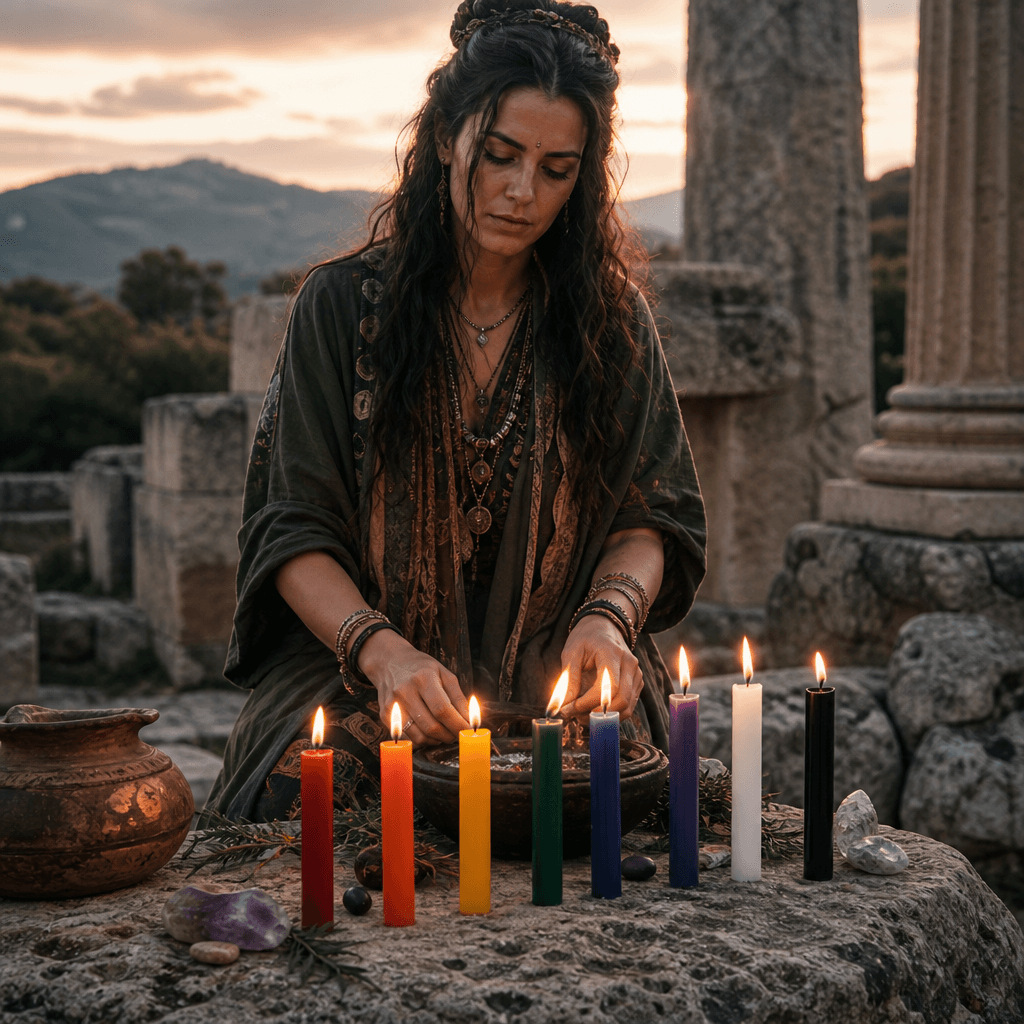
Beeswax or other natural candles have become essential tools for contemporary Celtic hearth fire rituals, providing clean-burning, long-lasting flames that can serve as altar centerpieces, devotional lights for deity honoring, or portable sacred fire sources that can be carried safely from room to room during house blessing ceremonies. The selection of appropriate candles for Celtic fire ritual work involves considering factors like burn time, wax composition, wick quality, and symbolic color associations, with many practitioners preferring white or natural-colored candles for general ritual work and specific colors for seasonal celebrations or deity-focused ceremonies.
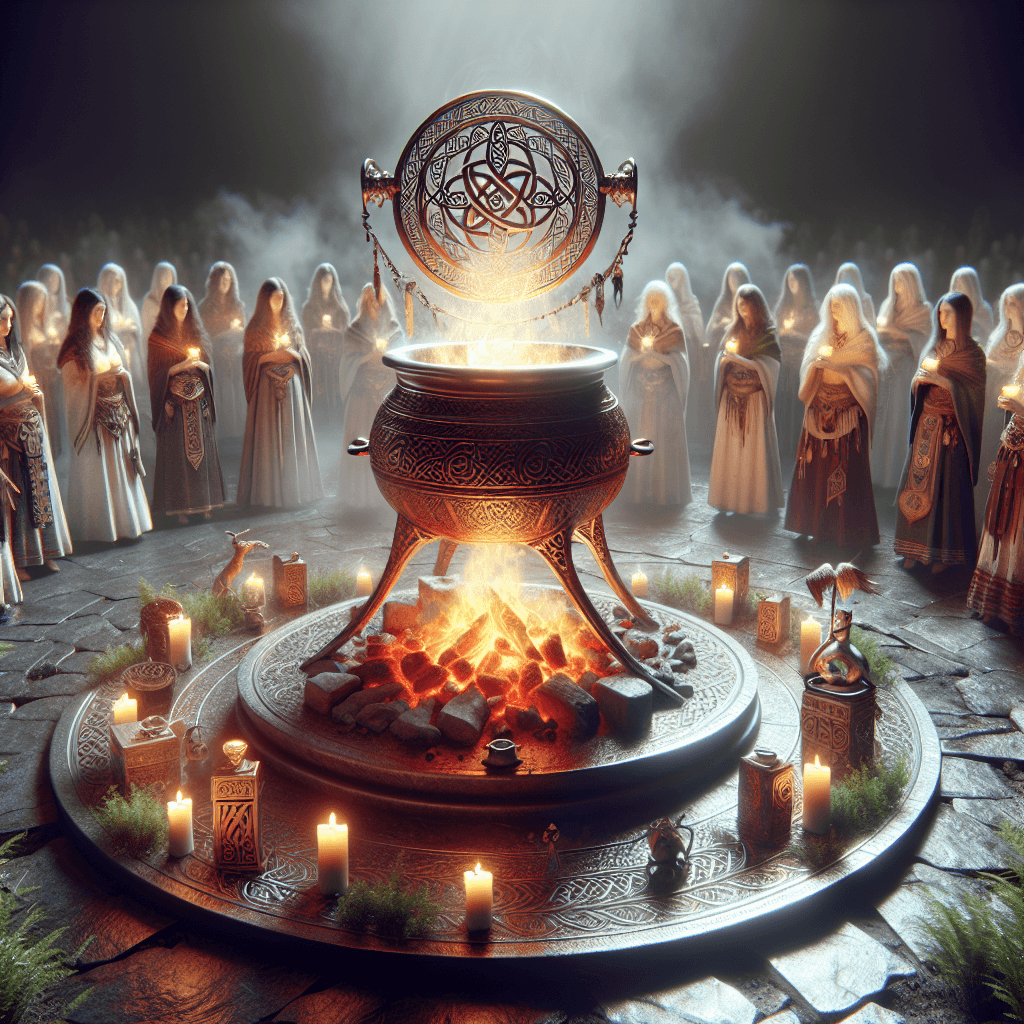
The cauldron represents perhaps the most iconic and versatile tool in the modern Celtic fire ritual arsenal, serving as a safe container for small contained fires, a vessel for burning written intentions or offering materials, and a powerful symbolic connection to the Celtic mythological tradition that associates cauldrons with transformation, rebirth, and divine nourishment. Iron cauldrons provide the most traditional connection to Celtic metalworking traditions and offer excellent heat resistance for actual fire-containing, while ceramic or stone fire bowls provide safer alternatives for indoor use and can be decorated with Celtic symbols or personal designs that enhance their spiritual significance.
The size and style of cauldron chosen for Celtic hearth fire rituals should reflect both practical considerations like available space and intended use, and aesthetic preferences that support the practitioner’s connection to Celtic symbolism and mythology. Many contemporary practitioners maintain multiple cauldrons of different sizes for various ritual purposes, including large outdoor cauldrons for group ceremonies, medium indoor cauldrons for seasonal household rituals, and small personal cauldrons for daily devotional practices or travel rituals. The proper care and seasoning of iron cauldrons requires attention to prevent rust and maintain their effectiveness for fire-containing, while ceramic and stone vessels need careful handling to prevent thermal shock and cracking from rapid temperature changes.
Ritual cutting tools like the athame, boline, or simple ritual knife serve important ceremonial functions in Celtic fire ritual practice, including the symbolic marking or carving of candles to enhance their spiritual purpose, the cutting of herbs or natural materials for burning offerings, and the safe manipulation of wicks, charcoal, or other fire-related materials during ceremonies. The choice between different types of ritual blades often reflects personal preference, tradition-specific requirements, and practical considerations about the intended uses of the tool, with athames typically reserved for purely ceremonial energy-directing functions and bolines or other working knives used for actual physical cutting tasks.
Safety considerations require that all ritual cutting tools be maintained in good condition, handled with appropriate care and attention, and used only for their intended purposes within the ritual context rather than for mundane household tasks that might diminish their spiritual significance. Fire extinguishing tools represent crucial safety equipment that should be considered as essential as fire-starting tools for responsible Celtic hearth fire ritual practice, including brass or copper snuffers for ceremonially extinguishing candles, spray bottles or small water vessels for emergency fire suppression, and proper ash containers for safe disposal of burnt materials. The selection and placement of extinguishing tools requires forethought and planning to ensure they are readily accessible during fire rituals while remaining unobtrusive enough not to detract from the spiritual atmosphere of the ceremony.
The Role of Sacred Fires in Indo-European Traditions

The role of sacred fires within the broader context of Indo-European spiritual traditions reveals that Celtic hearth fire rituals represent one branch of an ancient and widespread religious complex that spans from Ireland to India, demonstrating remarkable consistency in the use of sacred flame for community bonding, divine connection, and ritual purification across diverse cultures and geographic regions. Comparative analysis of Indo-European fire traditions reveals striking parallels between Celtic hearth-keeping practices and similar customs found in Roman, Germanic, Vedic, and Slavic traditions, suggesting that these practices derive from shared ancestral religious concepts that were carried by Indo-European peoples as they spread across Europe and Asia thousands of years ago.
The Roman tradition of Vestal virgins maintaining a perpetual flame in the temple of Vesta directly parallels the Celtic tradition of Brigid’s flame-keepers at Kildare, with both traditions involving specially trained women who dedicated their lives to tending sacred fires that symbolized the spiritual welfare and continuity of their respective communities. Germanic and Norse traditions included sacred fires at seasonal gatherings and ritual occasions, while Vedic traditions developed elaborate fire sacrifice ceremonies that involved multiple sacred fires with specific purposes, demonstrating how different Indo-European cultures developed their shared fire-keeping inheritance in directions that reflected their particular environmental conditions, social structures, and theological emphases.
The shared functions of sacred household and communal fires across Indo-European traditions include their role as spiritual focal points that unite communities through shared sacred flame, their connection to royal authority and divine kingship, and their use in purification and blessing ceremonies that mark important transitions in both individual and community life. Celtic hearth fire rituals share with other Indo-European fire traditions the practice of maintaining perpetual flames at important religious sites, the seasonal rekindling of household fires from communal sacred sources, and the use of fire for divination, oath-taking, and treaty-making ceremonies that required divine witness and sanction.
The widespread Indo-European practice of driving livestock through smoke or between fires for purification and protection appears in Celtic Beltane traditions, Roman Parilia festivals, and various Germanic seasonal celebrations, suggesting that this ritual complex represents an ancient shared inheritance that addressed common concerns about agricultural fertility, livestock health, and community protection across diverse Indo-European societies. The association of sacred fires with specific deities or divine figures also shows remarkable consistency across Indo-European traditions, with Celtic Brigid paralleling Roman Vesta, Germanic Frigg or Berchta, and various Vedic fire deities in their roles as divine protectors of hearth, home, and community welfare.
The guardianship of sacred fires by dedicated keepers represents another shared feature of Indo-European religious traditions that demonstrates the importance placed on maintaining unbroken connections between human communities and divine powers through the medium of sacred flame. Roman Vestal virgins, Celtic flame-keepers, Germanic temple attendants, and Vedic fire priests all served similar functions as specialized religious practitioners whose primary responsibility involved the proper maintenance, protection, and ritual use of sacred fires within their respective traditions. These fire-keeping roles typically required extensive training, special ritual purification, and long-term dedication that set the flame-keepers apart from ordinary community members while making them essential intermediaries between human and divine realms.
The social status and religious authority accorded to fire-keepers across Indo-European traditions reflects the central importance of sacred flame in maintaining cosmic order, community welfare, and divine favor, with the flame-keepers serving as living guarantees that the essential connection between their communities and the sacred powers remained intact and properly maintained. Modern Celtic hearth fire rituals can be understood within this broader Indo-European context as part of a living tradition that connects contemporary practitioners not only to specifically Celtic ancestors but to the wider family of Indo-European spiritual practices that continue to influence European and European-derived religious traditions today, providing a sense of deep historical continuity and cultural connection that extends far beyond the Celtic world alone.
Celtic hearth fire rituals offer modern practitioners a profound way to connect with ancestral wisdom while creating meaningful spiritual experiences that honor both traditional practices and contemporary safety requirements, demonstrating how ancient traditions can evolve and adapt while maintaining their essential spiritual power and community-building potential. What specific aspect of Celtic fire ritual practice most appeals to you, and how might you begin incorporating these sacred flame traditions into your own spiritual journey?
Related Items:

Lilly Dupres
Owner & AuthorLilly Dupres, a lifelong practitioner of paganism, established Define Pagan to offer a clear definition of paganism and challenge misconceptions surrounding modern pagan lifestyles.