How to Reclaim Your Sacred Personal Power After Trauma or Spiritual Disconnection

Planets for Pagans: Sacred Sites, Ancient Lore, and Magical Stargazing
View Product →This question touches the core of what many spiritual seekers face when traditional religious structures have failed them or when life’s hardships have severed their connection to the divine. To reclaim your sacred personal power after trauma or spiritual disconnection, the process centers on reconnecting with your inner divine authority, healing trauma through spiritual empowerment, setting and maintaining sacred boundaries, and accessing supportive resources for healing, especially after religious or ritual abuse. This journey is deeply anchored in ancient pagan wisdom that honors the sacred connection to nature, ancestral spirits, and cyclical life rhythms.
The path begins with understanding that your spiritual sovereignty was never truly lost—it was simply buried beneath layers of conditioning, trauma, and disconnection. Ancient pagan traditions teach us that every human being carries within them a spark of the divine, an inherent wisdom that predates organized religion and social conditioning. When we speak of reclaiming sacred personal power, we’re talking about excavating this innate knowing from beneath the debris of harmful experiences and reconnecting with the primal truth of who we are as spiritual beings.
Recognizing Your Inner Divine Authority
The foundation of reclaiming sacred personal power lies in recognizing that you are your own spiritual authority. This doesn’t mean rejecting all guidance or wisdom from others, but rather understanding that the ultimate decision-maker in your spiritual journey is you. Ancient pagan wisdom teaches us that the divine doesn’t exist solely outside of ourselves but flows through us as living beings connected to the web of life. This recognition becomes particularly crucial for those who have experienced spiritual abuse or have been taught to defer their inner knowing to external authorities.
Your inner divine authority manifests through your intuition, your connection to natural cycles, and your ability to discern what feels aligned versus what feels harmful. Pagan traditions have always honored the individual’s direct relationship with the sacred, whether through connecting with nature spirits, working with the elements, or honoring ancestral wisdom. This personal relationship with divinity bypasses the need for intermediaries who might exploit or manipulate your spiritual seeking. When you recognize your inner divine authority, you begin to trust your own spiritual experiences and insights rather than constantly seeking validation from others.
Developing this recognition often involves unlearning patterns of spiritual dependency. Many people, especially those raised in authoritarian religious environments, have been conditioned to believe that their own spiritual insights are unreliable or even dangerous. Pagan wisdom contradicts this conditioning by teaching that each person has unique gifts and perspectives that contribute to the greater understanding of the sacred. Your dreams, your attraction to certain natural places, your resonance with specific deities or spiritual practices—these are all expressions of your inner divine authority expressing itself.
The process of recognizing this authority also involves learning to distinguish between your authentic spiritual impulses and the voices of conditioning or trauma. This discernment develops through practice, patience, and often with the support of trusted guides who honor your autonomy rather than seeking to control your spiritual expression. Ancient pagan practices like divination, meditation in nature, and dream work can help you strengthen this connection to your inner knowing and build confidence in your spiritual discernment.
Healing Trauma Through Spiritual Empowerment
Trauma creates disconnection—from ourselves, from others, and from the sacred. Traditional therapy approaches focus primarily on the psychological aspects of healing, but spiritual empowerment recognizes that trauma affects the whole person, including their energetic and spiritual bodies. Ancient pagan wisdom offers profound tools for healing because it understands humans as multidimensional beings connected to larger cycles and energies that can support the healing process.
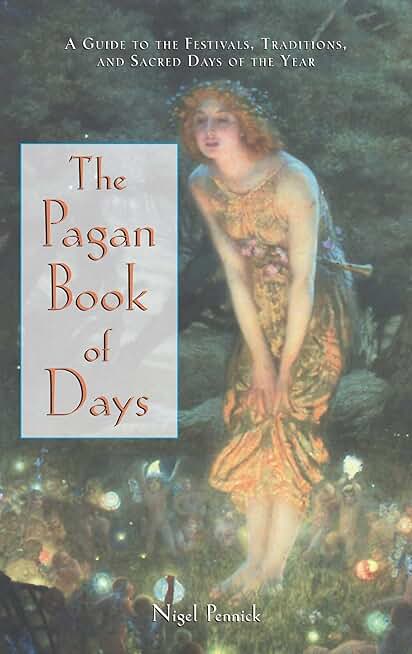
The Pagan Book of Days: A Guide to the Festivals, Traditions, and Sacred Days of the Year
View Product →Spiritual empowerment in trauma healing works by reconnecting you with sources of power and wisdom that exist beyond the traumatic experience. This might involve working with plant spirits, connecting with protective deities, or drawing strength from the elements of earth, air, fire, and water. These connections remind the traumatized parts of yourself that you are part of something larger and more enduring than whatever caused your wounds. This perspective doesn’t minimize the reality of trauma but places it within a broader context that includes your inherent resilience and connection to supportive spiritual forces.
Energy work becomes particularly important in this healing process because trauma often creates blockages or disturbances in your energetic system. Practices like chakra balancing, aura cleansing, and working with crystals can help restore energetic harmony and remove stagnant energy that keeps you stuck in traumatic patterns. Breathwork and meditation help regulate the nervous system while also opening you to spiritual insights and guidance. These practices work on multiple levels simultaneously, addressing both the physiological effects of trauma and the spiritual disconnection that often accompanies it.
The cyclical nature of pagan spirituality offers another powerful healing tool. Unlike linear religious narratives that might view trauma as punishment or failure, pagan wisdom understands that life naturally includes cycles of death and rebirth, darkness and light, wounding and healing. This perspective helps you understand your healing journey as part of a natural process rather than as something you need to rush through or overcome. Seasonal celebrations, moon cycles, and other natural rhythms can provide structure and meaning to your healing process, helping you move through difficult emotions and experiences with greater acceptance and patience.
Building Boundaries After Religious Abuse
Religious abuse creates particular challenges because it weaponizes the very spiritual longing that could otherwise support healing and growth. When sacred concepts like faith, surrender, and devotion have been used to manipulate and control, rebuilding healthy spiritual boundaries becomes essential for reclaiming your sacred personal power. This process requires learning to distinguish between authentic spiritual guidance and manipulative religious control while developing the skills to protect your spiritual autonomy.
Healthy spiritual boundaries start with recognizing your right to your own spiritual experience. This means understanding that no person, group, or institution has the right to dictate your relationship with the sacred or to punish you for following your authentic spiritual path. Pagan wisdom supports this understanding by teaching that spirituality is inherently diverse and personal. The multiplicity of gods, goddesses, and spiritual paths in ancient pagan traditions demonstrates that there is no single correct way to connect with the divine.
Building these boundaries often involves learning to say no to spiritual practices, communities, or teachers that don’t feel aligned with your authentic path. This can be challenging, especially if you’ve been conditioned to believe that questioning spiritual authority is dangerous or wrong. However, your discomfort or resistance to certain spiritual approaches is often your inner wisdom protecting you from potentially harmful situations. Learning to honor and act on these feelings becomes a crucial skill in maintaining your spiritual autonomy.
The process also involves developing discernment about spiritual communities and teachers. Healthy spiritual environments encourage questions, respect individual differences, and support your connection to your own inner guidance. They don’t demand unquestioning obedience, isolate you from outside perspectives, or use fear and shame as motivational tools. Understanding these differences helps you recognize red flags and make choices that support your healing rather than recreating abusive dynamics in new spiritual contexts.
Resources and Support for Healing After Ritual Abuse
Healing from ritual abuse requires specialized understanding and support because this form of trauma specifically targets the spiritual dimensions of a person’s being. Unlike other forms of abuse, ritual abuse deliberately corrupts sacred symbols, practices, and beliefs to create deeper psychological and spiritual wounds. Recovery requires not only addressing the trauma itself but also reclaiming positive associations with spirituality and sacred practice.

Professional support should ideally come from therapists who understand both trauma recovery and spiritual development. These practitioners recognize that healing from ritual abuse often involves rebuilding trust in spiritual experiences and practices that may have been corrupted by the abuse. They can help you distinguish between authentic spiritual experiences and trauma-related flashbacks or triggers, supporting your return to healthy spiritual practice at your own pace.
Peer support from other survivors who understand the specific challenges of ritual abuse can be invaluable. These connections help combat the isolation that ritual abuse often creates while providing practical strategies for navigating spiritual recovery. Online communities and support groups specifically for ritual abuse survivors offer spaces to share experiences and healing strategies without having to explain or justify your experiences to people who might not understand.
Creating your own healing support network might also involve connecting with nature-based spiritual practitioners who understand the healing power of earth-centered spirituality. Many ritual abuse survivors find that working with the elements, seasons, and natural cycles helps them reconnect with the sacred in ways that feel safe and empowering. The key is finding practitioners who respect your autonomy and healing process rather than trying to impose their own spiritual framework on your recovery journey.
The path of reclaiming sacred personal power through ancient pagan wisdom offers hope and practical tools for those seeking to heal from spiritual disconnection and trauma. By recognizing your inner divine authority, healing trauma through spiritual empowerment, building healthy boundaries, and accessing appropriate support, you can rebuild a relationship with the sacred that honors your autonomy and supports your wholeness. What aspects of your own spiritual journey are calling for deeper exploration and healing?