What are the most common ritual tools and their symbolic meanings for beginners?
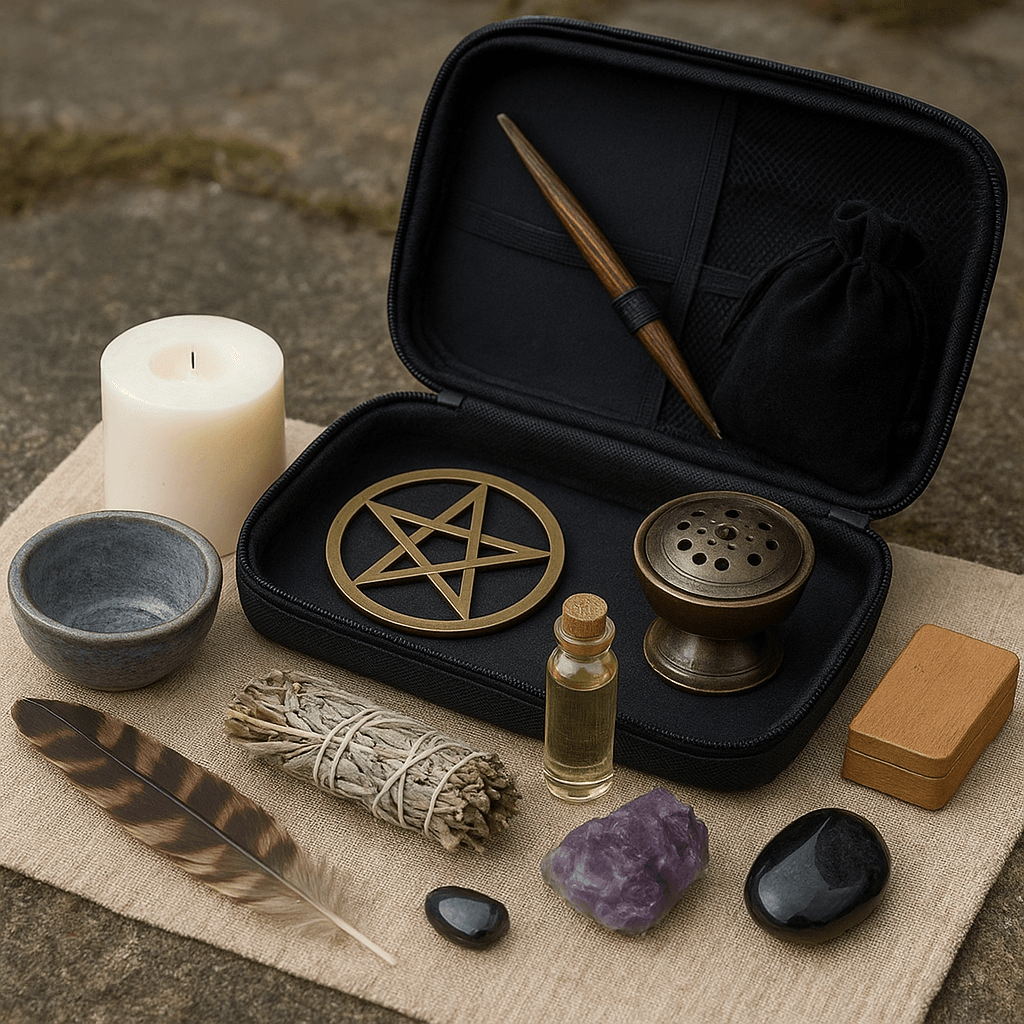
Understanding ritual tools and symbolism is essential for anyone starting their pagan journey, as these sacred implements serve as physical bridges between our everyday world and the realm of spiritual practice. The most fundamental tools include the pentacle representing earth and protection, the athame or ritual knife for directing energy and casting circles, the wand for invoking and channeling power, and the chalice symbolizing water and the divine feminine. Each tool carries deep symbolic meaning while serving practical purposes in ritual work. Beyond these core implements, beginners should familiarize themselves with candles for elemental work and deity representation, incense for purification and creating sacred atmosphere, and bells for marking ritual moments and cleansing space. The beauty of these tools lies not in their monetary value or elaborate craftsmanship, but in their ability to focus intention and create meaningful connections with spiritual forces. Many practitioners find that simple, personally meaningful objects work just as effectively as expensive ceremonial pieces, making this path accessible to people from all walks of life.
Essential Wiccan Altar Tools
The Pagan Book of Days: A Guide to the Festivals, Traditions, and Sacred Days of the Year
View Product →The foundation of Wiccan practice rests upon a specific collection of altar tools, each carefully chosen to represent the four classical elements and serve distinct ritual purposes. The pentacle, often crafted as a wooden or metal disc inscribed with a five-pointed star, stands as the earthly anchor of your sacred space, used to consecrate objects and ground energy during magical work. Your athame, traditionally featuring a black handle and double-edged blade, never touches physical matter but instead cuts through spiritual barriers, casts protective circles, and directs energy with precision and authority. The wand, whether carved from sacred wood, crafted from metal, or adorned with crystals, serves as an extension of your personal power, helping you invoke deities, banish unwanted energies, and channel your intentions into the universe. Your chalice holds more than just ritual wine or blessed water; it embodies the receptive principle, the womb of creation, and the flowing nature of emotional and psychic energy.
These primary tools work in harmony with supporting implements like color-coordinated altar cloths that shift with seasonal celebrations and magical intentions, offering bowls for presenting gifts to deities or holding ritual ingredients, and your personal Book of Shadows where you record spells, observations, and spiritual insights. The placement of these tools follows traditional patterns, with items representing masculine energy typically positioned on the right side of the altar and feminine energy tools arranged on the left, creating a balanced sacred workspace that honors both aspects of divine force. Remember that these tools amplify your natural abilities rather than creating magic themselves; they become sacred through your dedication, regular use, and the personal energy you invest in them over time.
Sacred Symbols Meaning Guide
Sacred symbols serve as concentrated packets of spiritual wisdom, carrying complex metaphysical concepts that speak directly to our subconscious minds and connect us with ancient streams of knowledge. The pentacle remains perhaps the most recognizable pagan symbol, with its five points representing earth, air, fire, water, and spirit, while the enclosing circle symbolizes unity, protection, and the eternal cycle of energy that flows through all existence. Norse practitioners often work with the Vegvisir, an intricate compass-like symbol that offers guidance through life’s storms and ensures safe passage through both physical and spiritual journeys, making it particularly powerful for those facing major transitions or seeking clarity in uncertain times. The Helm of Awe radiates protective energy, serving as a spiritual shield that deflects negative influences while strengthening your personal boundaries and inner resolve during challenging magical work.
Celtic traditions contribute the triquetra, an elegant three-cornered knot that represents the triple goddess in her maiden, mother, and crone aspects, or the interconnected nature of mind, body, and spirit that forms the foundation of holistic magical practice. Elemental symbols provide direct pathways for connecting with natural forces: rough stones or salt for earth’s grounding stability, feathers or incense smoke for air’s mental clarity, candles or actual flames for fire’s transformative power, and bowls of spring water or seashells for water’s emotional depth and intuitive wisdom. These symbols gain potency through consistent use and personal association, whether carved into ritual tools, painted on altar surfaces, drawn in the air during spellwork, or worn as jewelry that keeps their energy close to your body throughout daily life. The key lies in understanding that symbols work through resonance rather than mere intellectual knowledge; they awaken something deep within your psyche that recognizes their truth on a level that transcends ordinary thinking.
DIY Ritual Tool Creation

Creating your own ritual tools transforms the practice from passive consumption into active spiritual craftsmanship, imbuing each implement with personal energy and intention from the moment of conception through completion. Wand creation offers an ideal starting point, whether you select a fallen branch during a meaningful nature walk, choose specific wood types for their magical properties like oak for strength or willow for lunar magic, or combine materials such as copper wire, crystals, and carved symbols that reflect your individual path and personality. The process itself becomes a ritual: harvesting materials mindfully, working in sacred space, and infusing each step with focused intention creates a tool that resonates specifically with your energy signature and magical style.
Athame creation requires more specialized skills, but you can consecrate and customize existing knives by wrapping handles with meaningful cords, carving symbols into wooden handles, or dedicating family heirlooms that carry ancestral connections to your magical practice. Chalices and offering bowls present endless creative possibilities, from decorating simple ceramic vessels with glass paints and meaningful symbols to repurposing found objects like large shells, interesting stones with natural depressions, or vintage cups that speak to your aesthetic sensibilities. Pentacle creation allows for maximum creativity: paint sacred symbols on smooth river rocks, wood-burn designs into circular wood slices, work with clay to create personalized discs, or arrange crystals and natural materials on wooden bases to create three-dimensional representations of your spiritual beliefs.
Incense burners can emerge from shells collected during beach meditations, small pottery bowls crafted in art classes, or even repurposed household items that you transform through ritual consecration and dedicated use. The investment of time, creativity, and personal energy during the creation process establishes a deep energetic bond between practitioner and tool, often making handmade implements more spiritually potent than expensive commercial alternatives that carry no personal history or emotional connection.
African Diasporic Pagan Traditions vs. Wicca
The landscape of modern pagan practice encompasses diverse spiritual traditions that approach ritual tools and symbolism from vastly different cultural foundations and historical experiences, creating rich opportunities for learning while demanding respectful acknowledgment of distinct origins and practices. Wiccan traditions, emerging from mid-twentieth-century British occultism and drawing heavily on ceremonial magic, emphasize standardized tool sets that correspond to elemental forces and a dualistic deity structure featuring complementary masculine and feminine principles expressed through the Lord and Lady archetypes. These practices center on individual empowerment, seasonal celebrations following the Wheel of the Year, lunar cycle observances, and personal magical development that allows practitioners to work as solitary individuals or in small, democratically organized covens.
African Diasporic traditions such as Vodou, Santería, Candomblé, and Hoodoo carry forward ancestral wisdom preserved through centuries of cultural survival, resistance, and adaptation, featuring tools and symbols that maintain deep connections to specific Orishas, Loa, and ancestral spirits who demand particular offerings, colors, plants, and ritual approaches. The machete in Vodou ceremonies serves not merely as a ritual knife but as a direct link to Ogou, the warrior spirit who clears paths and provides protection, while drums create the rhythmic foundation that facilitates spirit possession and divine communication rather than simply marking ritual time. Divination tools like cowrie shells, bones, and cards carry cultural knowledge systems that require years of study and community initiation rather than self-taught exploration, emphasizing the communal nature of these practices where individual spiritual development occurs within supportive community structures guided by experienced elders.

Colors hold profound significance in these traditions, with each Orisha or Loa associated with specific hues that must be honored through altar decorations, clothing choices, and offering presentations, creating visual languages that communicate directly with spiritual forces. While both path types view ritual tools as essential bridges between human and divine realms, African Diasporic traditions maintain stronger emphasis on community participation, ancestral reverence, cultural preservation, and the understanding that spiritual power flows through collective celebration and mutual support rather than primarily individual achievement.
The world of ritual tools and symbolism offers endless opportunities for spiritual growth, creative expression, and meaningful connection with forces greater than ourselves, whether you feel drawn to Wiccan practices, African Diasporic traditions, or other pagan paths that honor the sacred through physical objects and symbolic representations. Which ritual tools are calling to your spirit, and how will you begin incorporating their ancient wisdom into your modern magical practice?