Which herbs should I buy for planetary magic and ritual work?

Building a practical herb cabinet for planetary magic starts with understanding what you need before you shop. Most practitioners end up with shelves full of random herbs they never use because they bought by reputation instead of purpose.
The smart approach focuses on function first. Each planet connects to specific types of magical work, and the herbs you choose should match the outcomes you want most often.
Essential Herbal Correspondences for Each Planet by Magical Purpose
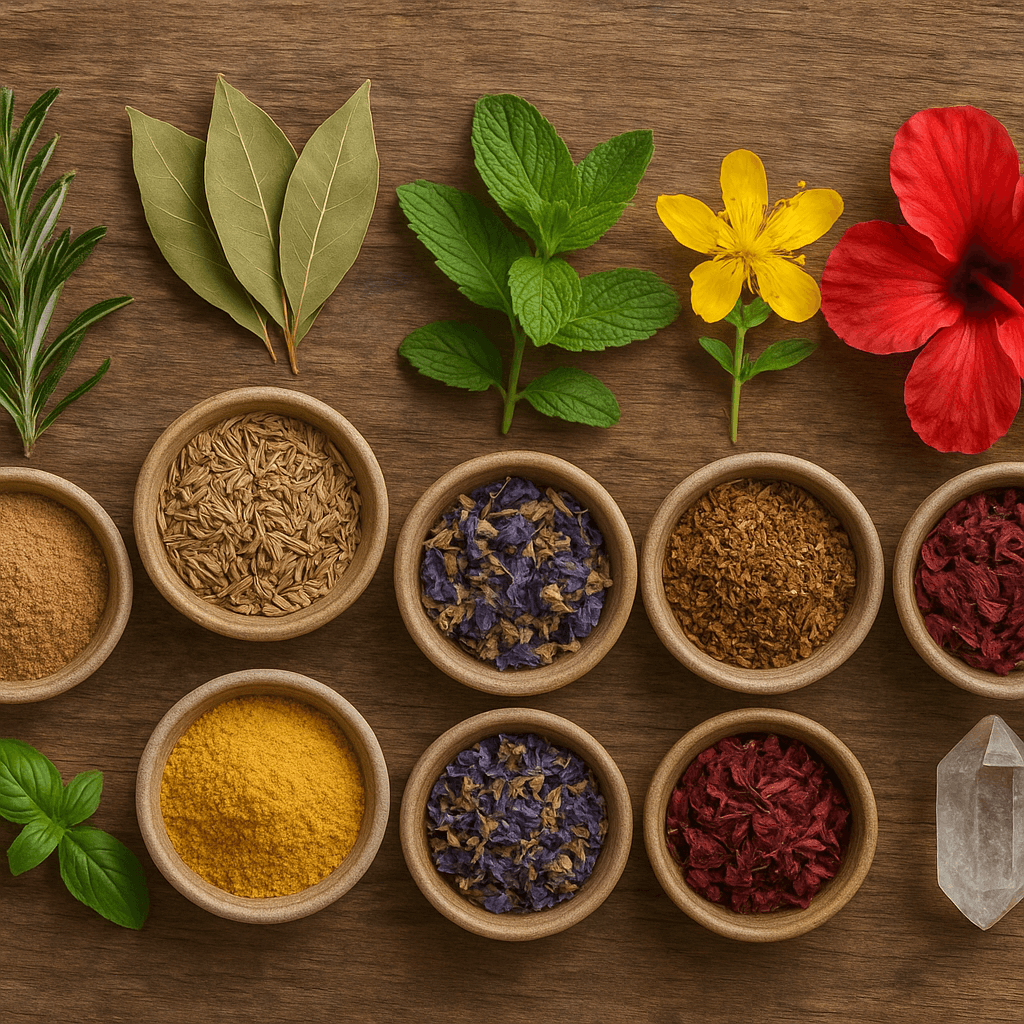
Sun herbs power workings that need visibility, confidence, and successful completion. Bay leaf works reliably because it dries well and has centuries of documented magical use. Rosemary covers multiple solar functions: cleansing, protection, clarity, and strength. Cinnamon, marigold, and frankincense round out the solar toolkit for consecration and vitality work.
Moon herbs serve subtle, receptive magic. Mugwort is the classic choice for divination and dream work, though you should handle it carefully if you’re sensitive to strong plants. Jasmine, poppy, willow, and white flowers support intuition, reflection, and emotional healing. Stock these for work that requires receptivity rather than force.
Mercury herbs enhance communication, study, and quick thinking. Lavender and thyme cross easily from folk magic into everyday use, making them versatile for smoke, wash, or sachet work. Fennel, dill, and clove appear regularly in workings where clarity and movement matter more than dramatic effect.
Venus herbs focus on attraction, harmony, and reconciliation. Rose leads this category for obvious reasons, supported by apple blossom, damiana, and hibiscus. These herbs work best in magic aimed at bringing things together rather than separating them.
Mars herbs provide the sharp, hot energy needed for banishing and defense. Garlic, pepper, ginger, mustard, nettle, and dragon’s blood resin deliver the force required for protection work and courage magic. Use these when you need to cut through obstacles or establish firm boundaries.

Cunningham's Encyclopedia of Magical Herbs (Llewellyn's Sourcebook Series)
View ProductJupiter herbs support expansion, prosperity, and authority. Agrimony, anise, clove, sage, borage, and nutmeg align with blessing work and situations where you need to grow or increase something positive.
Saturn herbs handle discipline, endings, and constraint magic. Comfrey, cypress, patchouli, yew, hemp, and horsetail work best for protection that requires binding or magic that needs to end something definitively.
How to Choose Herbal Correspondences for Each Planet Based on Your Practice
Your herb selection should match how you actually work magic. Different magical techniques require different preparations and qualities from your plant materials.
If you drink magical teas, buy only culinary-grade, safe-to-ingest herbs. Keep poisonous or irritant plants in a separate collection clearly labeled for external use only. Many traditional magical herbs are not safe for consumption.
For incense burning, focus on resinous herbs and aromatic leaves. Scent and burning quality matter more than appearance or historical stories. Fresh rosemary burns differently than dried, and powdered herbs create more smoke than whole leaves.
Candle dressing works best with finely cut or powdered herbs. Large pieces waste material and don’t adhere well to wax. If you make sachets regularly, choose herbs that retain scent when dried and won’t crumble into dust.
Dried herbs store longer and work more reliably than fresh for most spell supplies. Fresh herbs bring stronger energy to immediate workings but require refrigeration and lose potency quickly.
Common Mistakes When Building Your Planetary Herb Collection
The biggest error in selecting herbal correspondences for each planet is buying by reputation rather than research. A herb strongly connected to the Sun in one tradition might function differently in another system. Your working list should follow one coherent approach rather than mixing random correspondences from different sources.
The Modern Witchcraft Guide to Magickal Herbs: Your Complete Guide to the Hidden Powers of Herbs (Modern Witchcraft Magic, Spells, Rituals)
View ProductAnother mistake treats all “hot” herbs as automatically powerful. Mars plants easily overpower gentle workings where subtlety serves better than force. Saturn herbs create very binding effects that might be too strong if you only want basic protection.
Many practitioners also ignore quality and sourcing. Herbs sold for decoration or potpourri often lack the potency needed for magical work. Old, stale herbs that have lost their scent and color won’t perform as expected in ritual use.
Start with herbs for the planetary work you do most often. If you focus on prosperity magic, invest in high-quality Jupiter herbs before buying random Mars materials you rarely need. Build your collection around your actual practice rather than trying to cover every possibility at once.
Choose suppliers who understand ritual use. They typically stock herbs with better potency, proper cuts for magical work, and fresher material that performs reliably in spells and rituals.
The right herbs make your magical work more effective by matching the planetary energies to your specific intentions. Quality matters because fresh, properly prepared herbs carry the energy you need for successful outcomes. Explore our collection of ritual-grade herbs specifically chosen for planetary and seasonal magical work at https://www.definepagan.com/pagan-shop/.

Lilly Dupres
Owner & AuthorLilly Dupres, a lifelong practitioner of paganism, established Define Pagan to offer a clear definition of paganism and challenge misconceptions surrounding modern pagan lifestyles.