Are your herbs making your spells fail?

You set the perfect timing. You focused your intent with laser precision. Your ritual felt right from start to finish. But your spells still fall flat. The problem might be sitting right in your herb cabinet.
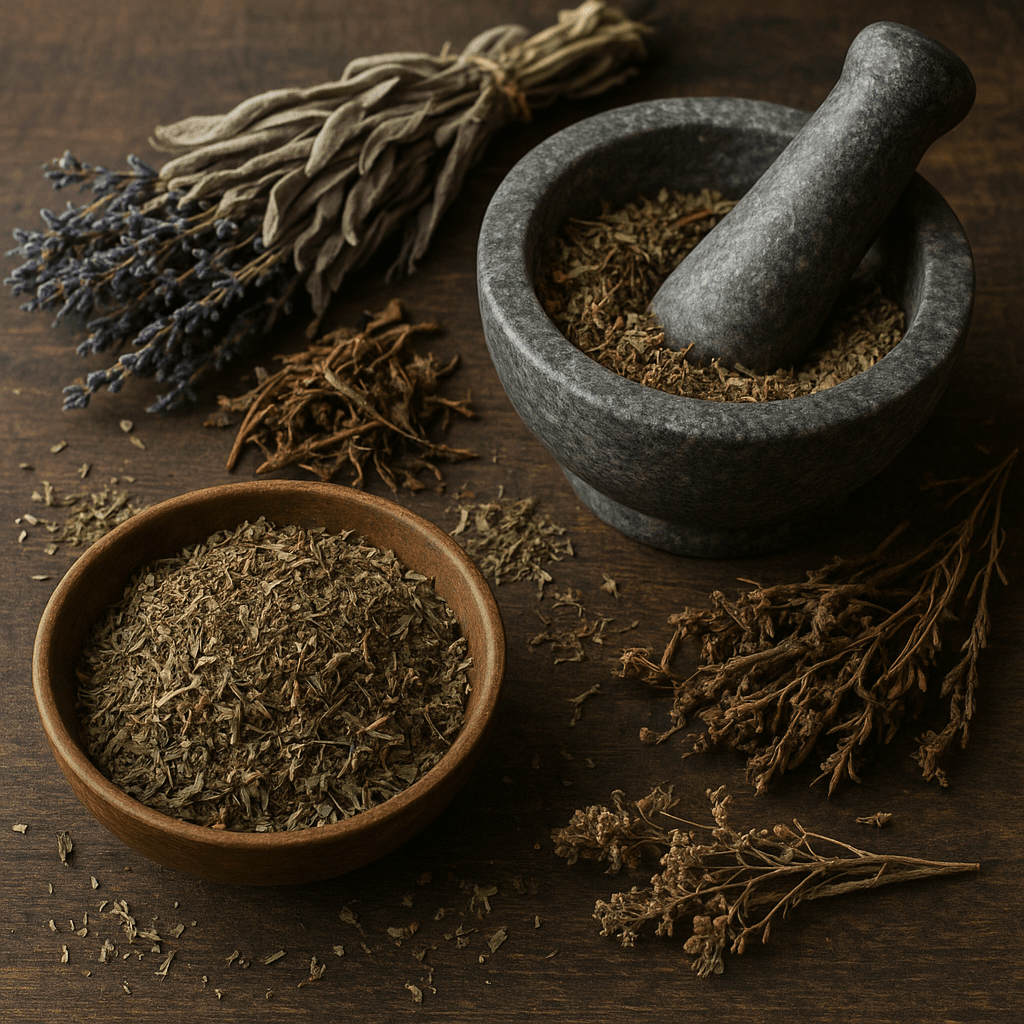
Low-quality herbs absolutely weaken spellwork. They show up as weak scent, faded color, stale texture, dust, mold, or herbs that have lost their essential character. When your rosemary smells like cardboard instead of pine forests, you’re working with dead material.
Why your spells aren’t working: the herb quality connection
Herbs carry specific energetic signatures. Fresh rosemary should smell resinous and clean. Mugwort should feel substantial, not like dead dust. Lavender should still hold aromatic presence even when dried.
Poor-quality herbs weaken three critical elements of spellwork. First, they lack the physical presence needed for incenses, charm bags, and floor washes. Second, they lose their symbolic power when they no longer look or smell like themselves. Third, they diminish the act of offering when what you’re presenting lacks life force.
The fastest way to identify herb problems is examining the entire chain: source, storage, freshness, and purpose match. If your jar smells like nothing, the material is too old or poorly stored. If herbs look bleached, clumped with moisture, or contaminated with stems and grit, they’re past useful life.
How to judge herb quality for spellwork
Trust your senses first. Good ritual herbs look clean, dry, and close to their natural color. They smell distinct even when subtle. Crush a small amount between your fingers. If nothing releases, the material has little life left.
Quality matters most for work where herbs do physical labor in the ritual. Incenses need to burn cleanly and release proper scent. Charm bags require herbs that hold their properties over time. Oil infusions depend on herbs that still carry active compounds.
Pre-blended spell herbs need extra scrutiny. Check whether the mixture contains mostly plant matter or mostly filler. Many commercial blends pad expensive herbs with sawdust or common weeds.
Storage equals purchase in importance. Keep herbs in airtight containers away from light, heat, and humidity. Beautiful herbs stored badly become worthless quickly. If you open a jar and find loss of scent, green turning brown, or moisture damage, replace it immediately.
Matching herbs to your specific working

FlyweightZ Herbs for Witchcraft,Witchy Gifts for Women,Dried Flowers 30Pack
View ProductYou cannot substitute any herb for any other herb based on intention alone. Practical spellcraft requires understanding physical qualities: aroma, texture, color, burn rate, and behavior in water or oil.
Rosemary, bay, and sage work well for cleansing and protection because they’re sturdy, aromatic, and historically proven in those roles. Delicate blossoms suit sweetness, blessing, or gentle offerings. Resinous herbs like frankincense excel in spiritual elevation work.
Physical properties matter as much as traditional associations. Pine needles crackle and pop when burned, creating dramatic energy. Rose petals dissolve smoothly in water, making them ideal for baths and washes. Peppermint releases strong scent with minimal heat, perfect for quick energy work.
Common mistakes that sabotage spell success
People blame failed spells before checking their materials. They reuse stale herbs, buy blends with unclear sourcing, or store everything in damp kitchens. Then they expect precision results.
Why your spells aren’t working often comes down to ingredient quality, not technique flaws. Old herbs work against your intentions instead of supporting them. Weak materials force you to compensate with extra energy that should go toward your actual goal.
Another frequent error is buying herbs from suppliers who don’t understand ritual use. Culinary herb suppliers optimize for cooking, not magical properties. Their drying and storage methods may preserve flavor while destroying energetic qualities.
Practitioners also underestimate how quickly herbs degrade. Most dried herbs lose significant potency after one year, even with perfect storage. Delicate flowers and leaves degrade faster than roots and bark. Ground herbs deteriorate quicker than whole pieces.
Building reliable herb practices for consistent results
Start with reputable suppliers who understand magical work. They source herbs specifically for ritual use and handle them properly from harvest to shipping. Their storage facilities maintain optimal conditions for preserving energetic properties.
Buy smaller quantities more frequently rather than large amounts that sit unused. Fresh herbs in small batches outperform bulk purchases that age in storage. Calculate your actual usage and order accordingly.

50 Pcs Premium Witchcraft Herbs Collection, Ultimate Dried Flowers Apothecary Kit for Advanced Wicca, Pagan Spells, Divination & Grimoire Restock (10g/Bag)
View ProductInspect every purchase immediately upon arrival. Check color, scent, texture, and cleanliness. Return anything that arrives degraded or contaminated. Establish relationships with suppliers who stand behind their products.
Label everything with purchase dates and expected expiration. Rotate stock regularly, using older materials first. When herbs approach their expiration, use them for less critical work like general blessing or learning practice.
Consider growing your own herbs when possible. Fresh herbs carry maximum potency, and you control every aspect of their handling. Even apartment dwellers grow strong rosemary, lavender, or mint in containers.
Test new suppliers with small orders before committing to larger purchases. Compare their materials side by side with your current sources. Trust your senses over marketing claims or low prices.
Store different herb types according to their specific needs. Resinous herbs tolerate wider temperature ranges than delicate flowers. Roots and bark last longer than leaves and petals. Whole herbs preserve better than ground powders.
Your spellwork deserves ingredients that match your skill and intention. Quality herbs provide the physical foundation that supports your energy and focus. Mountain Conjure supplies herbs specifically chosen and prepared for ritual work, ensuring you start every spell with materials that enhance rather than hinder your practice. Explore our selection and experience the difference proper sourcing makes.

Lilly Dupres
Owner & AuthorLilly Dupres, a lifelong practitioner of paganism, established Define Pagan to offer a clear definition of paganism and challenge misconceptions surrounding modern pagan lifestyles.