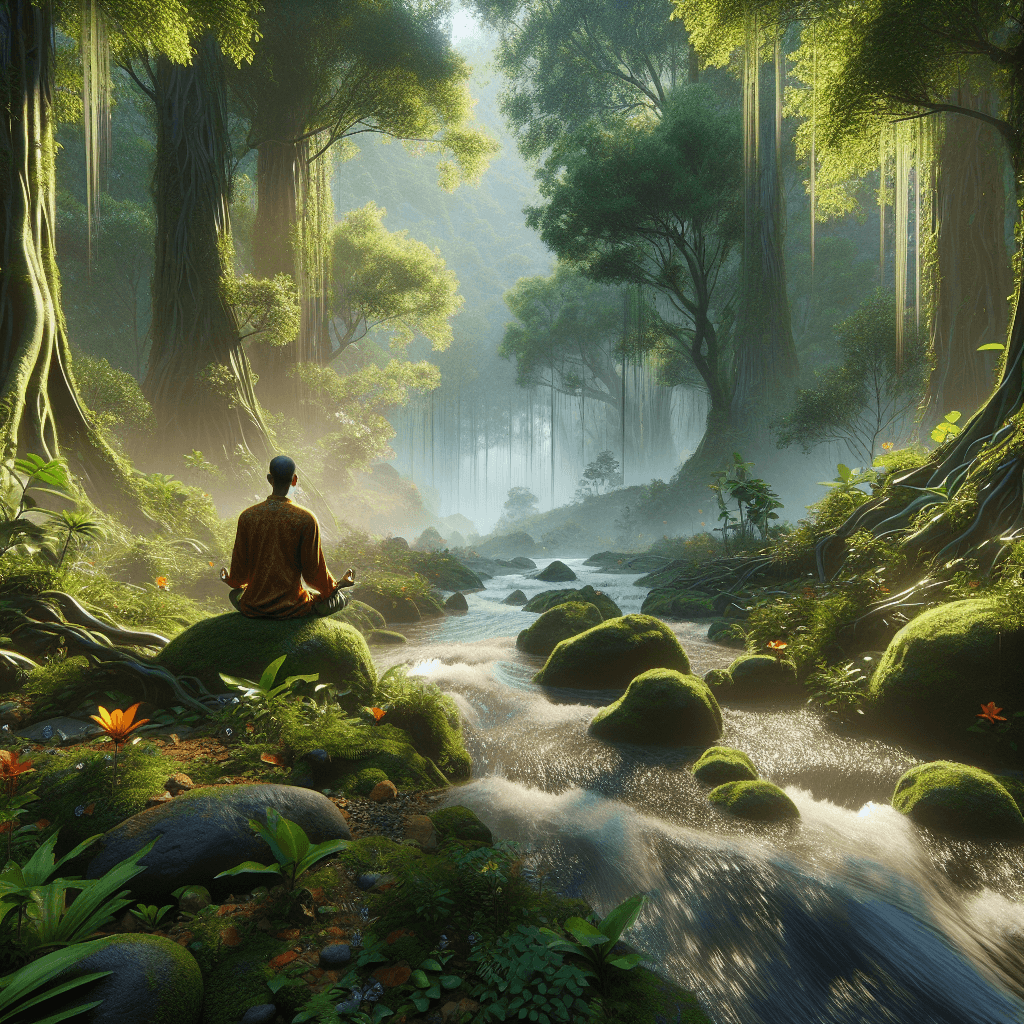
Reconnecting with Nature Spirituality: Your Path to Sacred Earth Wisdom
How can spending time in nature help you reconnect with your spiritual self and find inner peace? The answer lies deep within our evolutionary relationship with the natural world. When you step outside and truly immerse yourself in nature, you’re not just getting fresh air—you’re tapping into something far more profound. Nature has an inherent ability to shift your consciousness, alter your perception of time, and awaken a sense of interconnectedness that modern life often obscures. This transformation happens because spending time in natural environments triggers what researchers call self-transcendent experiences—those moments of awe and wonder that form the foundation of spiritual awakening.
Reconnecting with Nature Spirituality isn’t just about feeling good outdoors; it’s about recognizing nature as inherently sacred rather than viewing it merely as a resource or backdrop to human life. This perspective, known as ecospirituality, invites you to see the natural world as deserving of reverence and protection. When you walk among old-growth forests or gaze at countless stars on a cloudless night, you may feel the presence of something sacred. This felt experience becomes your invitation to deeper spiritual exploration. The journey begins with understanding that these aren’t just pleasant emotional responses—they represent genuine alterations in consciousness that reshape your sense of self, your perception of time, and your awareness of interconnectedness with larger systems. Research shows that even short-term exposure to nature can catalyze deep psychological and spiritual transformations, creating new neural pathways that deepen your connection to the earth. The beauty of this practice lies in its accessibility; you don’t need special training or equipment, just an openness to perceiving nature differently and allowing yourself to feel rather than merely observe.
Beginner’s Guide to Nature Spirituality
Starting your nature spirituality practice requires nothing more than intentional time outdoors and a willingness to shift how you engage with the natural world. The key difference between casual outdoor time and spiritual practice lies in the quality of attention you bring to the experience. Rather than rushing through a hike or treating nature as exercise equipment, begin by allowing yourself to truly observe and feel what’s happening around you. Pay attention to how your body navigates physical space—the sensation of stepping over tree roots, the effort of climbing a hill, or the texture of bark beneath your fingertips. This embodied awareness creates new sensory connections that become the foundation for deeper spiritual experiences.
The most effective beginner practices focus on cultivating presence rather than achieving specific outcomes. Start with mindful observation by spending time simply watching natural phenomena—water flowing, leaves rustling, clouds shifting—without agenda or distraction. This practice alone can trigger the cognitive shifts that research shows enhance spirituality, even in those completely new to the experience. Develop a gratitude practice by acknowledging specific elements of nature that inspire you, recognizing them as part of something larger and eternal. Engage all five senses deliberately to anchor yourself in present-moment awareness. Allow moments of stillness to process your experiences and insights rather than constantly moving or seeking stimulation.
As you develop these foundational practices, you’ll naturally begin to experience the documented benefits of nature spirituality: greater appreciation for things as they are, increased awareness of sustainable practices, better understanding of natural rhythms and cycles, and reduced stress from trying to control your environment. The practice becomes self-reinforcing as these benefits make you more receptive to the deeper spiritual dimensions of nature connection. Remember that consistency matters more than duration—even brief daily encounters with nature can create meaningful shifts in consciousness when approached with intentional awareness.
What makes this practice particularly powerful for beginners is its forgiving nature. Unlike many spiritual practices that require specific techniques or extensive study, nature spirituality meets you exactly where you are. Whether you have access to wilderness areas, urban parks, or even a single tree outside your window, the principles remain the same. The natural world responds to genuine attention and reverence regardless of the setting, making this path accessible to virtually anyone willing to slow down and pay attention.
Sacred Outdoor Ritual Practices
Creating structured ritual practices in natural settings provides containers for deeper spiritual transformation while honoring the ancient human tradition of connecting with the sacred through the natural world. These practices don’t require elaborate ceremonies or special tools—their power comes from intentional engagement with natural cycles and elements that have spiritual significance across cultures and throughout history. The key is consistency and genuine reverence rather than performance or complexity.
Sunrise and sunset rituals offer profound opportunities to witness natural cycles of light and darkness as sacred transitions. These daily phenomena connect you with generations of humans who have witnessed the same cycles before you, reinforcing your participation in something larger and everlasting. Create a simple practice of greeting the dawn or honoring the sunset, allowing these moments to become anchors for reflection and gratitude. The regularity of these natural events provides stability for your spiritual practice while the ever-changing quality of light ensures each experience remains fresh and inspiring.
Nature-based meditation transforms ordinary outdoor spaces into sacred environments through the quality of attention you bring to the experience. Rather than imposing a predetermined meditation technique onto the natural setting, allow the environment itself to guide your practice. Respond to sounds, movements, and energies you perceive, using them as focal points for deeper awareness. Research demonstrates that engaging in contemplative activities in natural settings significantly enhances spiritual wellbeing, creating therapeutic value that helps participants feel more connected, gain perspective, and experience personal growth.
Elemental connection practices involve consciously engaging with natural elements—water, earth, air, and fire—in ways that feel spiritually significant to you. Whether sitting by water, placing your hands in soil, feeling wind on your skin, or observing flames, these direct connections foster recognition of your own elemental nature. These practices work because they bypass intellectual understanding and create direct somatic experiences of interconnection with natural forces.
Seasonal acknowledgment rituals align your spiritual practice with natural cycles, marking transitions and changes that indigenous populations have honored for millennia. This might involve simple observances of equinoxes and solstices, attention to plant and animal cycles in your local area, or personal rituals that honor the changing energy of different seasons. These practices reconnect you with rhythms that industrial life often obscures, providing a sense of continuity and belonging within natural cycles that extend far beyond individual human experience.
How to Manage Spiritual Burnout and Skepticism
Even dedicated practitioners of nature spirituality encounter periods of doubt, disconnection, or spiritual exhaustion. These challenges are normal parts of any authentic spiritual journey, and learning to navigate them skillfully actually deepens rather than diminishes your practice. Understanding the common pitfalls and having strategies for working through difficulties ensures your relationship with nature spirituality remains sustainable and genuine over time.
Skepticism often arises when spiritual experiences don’t align with expected outcomes or when the complexities of environmental problems feel overwhelming. Recent research acknowledges an important paradox: while ecospirituality offers tremendous benefits for both environmental preservation and human well-being, it may sometimes unintentionally complicate environmental efforts. This suggests that spiritual connection to nature doesn’t automatically translate to consistent action, which can create cognitive dissonance and doubt. Address this by recognizing that spiritual development is rarely linear—periods of questioning and uncertainty often precede deeper integration and understanding.
Spiritual burnout in nature spirituality frequently emerges from over-efforting or attempting to maintain constant transcendent states. This approach treats spiritual experience like a commodity to be acquired rather than a natural result of genuine relationship with the natural world. Combat burnout by integrating rest periods into your practice, recognizing that receptivity sometimes requires stillness rather than activity. When spiritual experience feels abstract or disconnected, return to basic sensory awareness and embodied presence rather than pushing for breakthrough experiences.
Balancing idealism with realism prevents the disappointment that can lead to abandoning practice altogether. Spiritual connection with nature coexists with practical limitations, human complexity, and the messy realities of contemporary life. Rather than seeing these as obstacles to spiritual development, recognize them as part of the full human experience that authentic spirituality must encompass. Seeking community with others on similar paths helps normalize challenges and provides perspectives that can transform obstacles into opportunities for growth.
The most effective approach to managing difficulties involves reframing them as opportunities for deeper integration rather than evidence of failure. The documented benefits of nature spirituality—clarity of purpose, better self-care practices, improved wellbeing, greater compassion, and expanded worldview—often emerge most clearly through challenging periods that test and refine your commitment. These difficulties serve as invitations to examine your motivations, release attachments to specific outcomes, and develop the resilience that authentic spiritual practice requires. Remember that the goal isn’t to maintain constant bliss or transcendence but to develop a sustainable relationship with the sacred dimensions of natural experience that can weather all of life’s inevitable ups and downs.
Scientific Benefits
The research supporting nature spirituality reveals measurable benefits across multiple dimensions of human wellbeing, providing solid scientific foundation for practices that might otherwise seem purely subjective or wishful thinking. These findings validate what indigenous cultures have long understood: humans thrive when connected to natural environments in meaningful ways. The convergence of scientific evidence and spiritual experience creates a compelling case for integrating nature spirituality into contemporary approaches to mental health, creativity, and overall life satisfaction.
Mental health and stress reduction represent some of the most robust findings in nature spirituality research. Clear connections exist between time spent in nature and reductions in stress and anxiety, with something inherently calming and soothing about connection with the natural world creating positive effects on mood and brain activity. When you perceive yourself as part of a larger natural system, this shift links to more empathetic attitudes, heightened attentional focus, and expanded time perception. These aren’t merely subjective improvements—they show up in measurable changes in stress hormones, brain activity patterns, and cognitive performance metrics.



Cognitive enhancement through nature exposure offers particularly striking results, with studies showing that nature improves working memory by approximately 20% compared to people in urban, modern industrial environments. Nature also provides documented benefits for productivity and creativity, explaining why many artists, writers, and innovators retreat to natural settings to find inspiration. These cognitive improvements appear to result from the unique combination of gentle sensory stimulation, reduced urban stressors, and the particular quality of attention that natural environments encourage.
The psychological wellbeing and meaning-making aspects of nature spirituality address existential needs that contribute to overall human flourishing. Restorative experiences with nature contribute to a sense of identity, multiple forms of happiness, meaning, social connectedness, freedom, and awareness of mortality. When you recognize yourself as part of something larger and everlasting, you gain perspective that provides resilience against depression and existential anxiety. This expanded perspective naturally fosters greater compassion, patience, and decreased focus on material accumulation, instead channeling energy toward appreciation of beauty, presence, and service to others.
Self-transcendent emotions, particularly awe, represent a key mechanism through which nature spirituality creates lasting positive change. Exposure to nature often evokes these self-transcendent emotions, which research widely recognizes as fundamental aspects of spiritual experience. These moments of awe aren’t merely pleasant—they represent profound shifts in consciousness that research links to improved overall wellbeing, increased prosocial behavior, and enhanced sense of life meaning.
Beyond individual benefits, nature spirituality creates positive social and community effects, supporting social cohesion and helping families build stronger bonds. This suggests that reconnecting with nature spirituality creates ripple effects throughout relational ecosystems, contributing to community resilience and social wellbeing. The practice naturally develops empathy and interconnection awareness that extends from personal spiritual development into improved relationships and social engagement.
The scientific validation of nature spirituality benefits provides confidence for those who might otherwise dismiss spiritual practices as ungrounded or impractical. By reconnecting with nature spirituality, you activate ancient pathways of human flourishing while simultaneously supporting measurable improvements in mental health, creativity, and sense of purpose in an increasingly disconnected world.
What aspect of reconnecting with nature spirituality calls to you most strongly, and how might you begin exploring that connection in your own life?
Related Items:

Lilly Dupres
Owner & AuthorLilly Dupres, a lifelong practitioner of paganism, established Define Pagan to offer a clear definition of paganism and challenge misconceptions surrounding modern pagan lifestyles.