Sacred Devotional Practices to Honor Hel, Guardian of Niflheim

Devotions for a Sacred Marriage: A Year of Weekly Devotions for Couples (A 52-Week Devotional to Strengthen Your Relationship)
View Product →How do Norse practitioners honor Hel through sacred altar and ritual practices? The answer lies in understanding her role as guardian of Niflheim and keeper of souls who pass from illness or old age. Unlike the warriors’ path to Valhalla, Hel’s domain represents the natural transition between life and death – a sacred space where transformation occurs.
Basic Hel Altar Items
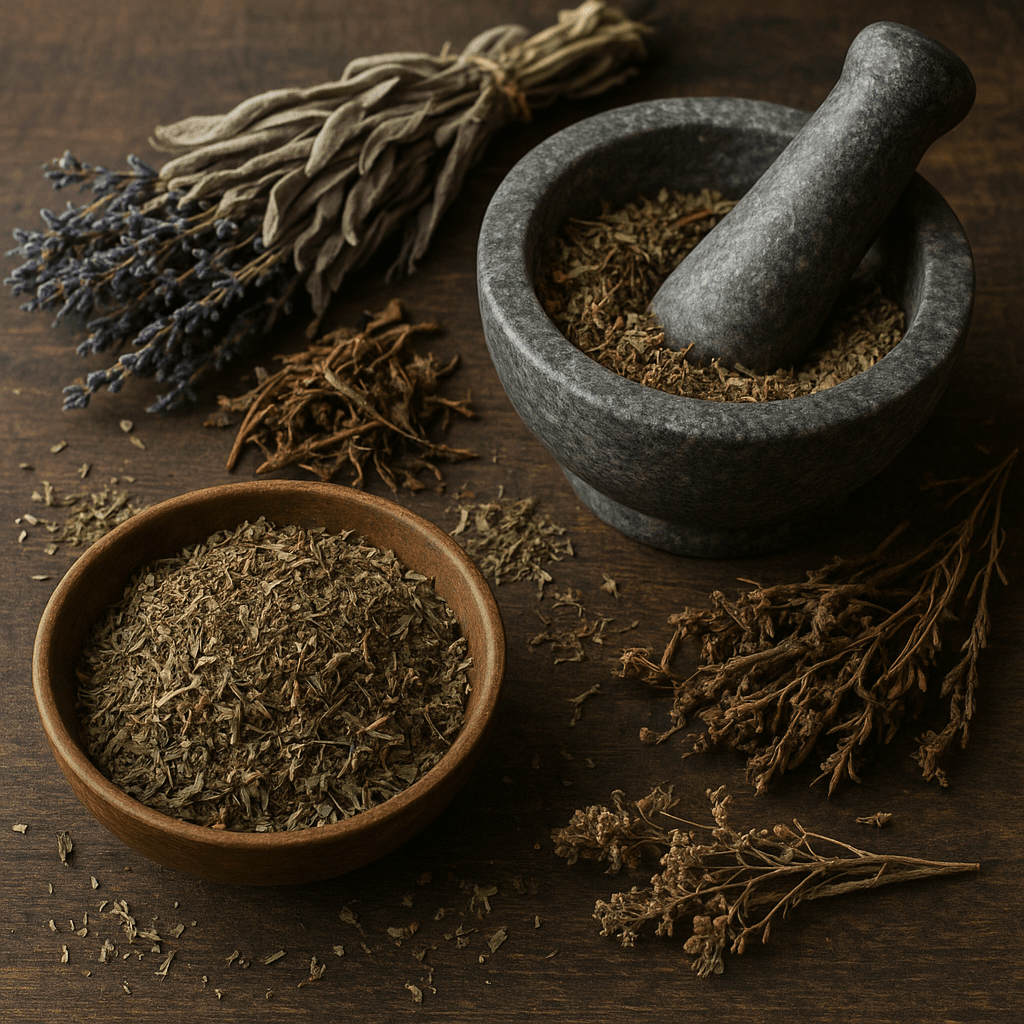
Creating a foundational altar to Hel begins with items that reflect her domain and essence. Black or white candles serve as beacons between worlds. Bones, skulls, and skeletal imagery acknowledge her role as guardian of the dead. Black cloths drape the sacred space, while protective herbs like wormwood, yew, and hellebore create boundaries. Traditional offerings include black bread, dark wine, coffee beans, and seasonal fruits – particularly apples. The runes Hagalaz and Ear feature prominently, marking passages between realms.
Advanced Devotional Ritual Setup
Deepening your practice with Hel involves creating more elaborate sacred spaces that honor both her and your ancestors. Photos of deceased loved ones transform the altar into an ancestor harrow – a bridge between worlds. Her sacred animals – wolves, hounds, and black horses – appear as statues or artwork. Dried roses and other preserved flowers represent beauty in decay. Black mirrors enable deeper spiritual work, while personal prayers and invocations strengthen your connection to her mysteries.
Seasonal Altar Arrangements
The darker half of the year, especially around Samhain and Yule, holds special significance in Hel’s worship. These times call for specific adjustments to altar arrangements. Offerings shift to reflect nature’s cycle – dried fruits, nuts, and grains mirror the harvest season. Additional candles light the lengthening nights. Seasonal herbs and foods maintain connection with natural rhythms while preserving the altar’s solemn purpose as a space of transformation.
Sacred Space Protection Methods
Working with death deities requires careful attention to energetic boundaries. Practitioners use specific runes for protection and spirit guidance. Salt lines or black cords mark sacred space boundaries. Most importantly, maintaining a mindful, respectful attitude toward death and decay prevents negative energy accumulation. The altar should feel peaceful – a place where transformation is welcomed rather than feared.
Traditional Death Offerings

Sacred Marriage: What If God Designed Marriage to Make Us Holy More Than to Make Us Happy?
View Product →Death rituals honoring Hel focus on nourishing both spirits and the goddess herself. Offerings left to naturally decay – breads, wines, meats – symbolize acceptance of death’s role in life. Some practitioners leave portions of funeral feasts. Others create regular offering schedules tied to moon phases or significant dates. The key lies in consistency and sincerity rather than quantity or complexity.
Understanding Niflheim means accepting death as part of life’s cycle. Through these practices, we build relationship with Hel not as a fearsome figure, but as a compassionate guide through life’s final transition. Want to deepen your connection with the mysteries of death and transformation? Start by creating a simple altar using these guidelines and let your practice evolve naturally over time.
Related Items:

Lilly Dupres
Owner & AuthorLilly Dupres, a lifelong practitioner of paganism, established Define Pagan to offer a clear definition of paganism and challenge misconceptions surrounding modern pagan lifestyles.