How to Perform Ancestral Trauma Cleansing Rituals for Beginners at Home
The answer lies in understanding that these sacred practices are designed to heal generational pain by clearing inherited emotional, energetic, and spiritual burdens that have been passed down through family lines. Ancestral trauma cleansing rituals combine ancient wisdom with practical modern applications, making them accessible to anyone seeking to break free from limiting family patterns and restore harmony within their lineage. These powerful ceremonies work by addressing the energetic imprints left by previous generations, allowing practitioners to release trauma that may not even be their own but continues to impact their daily lives. The beauty of these rituals lies in their adaptability – you can perform them in your own home using simple tools like candles, herbs, and family photographs. The process typically involves creating sacred space, invoking ancestral presence with respect and gratitude, performing energetic clearing through herbal smoke or ritual baths, and setting clear intentions for healing that ripple both backward and forward through time. What makes these practices particularly effective is their holistic approach, addressing not just the symptoms of inherited trauma but the root energetic causes that perpetuate harmful patterns across generations. Many practitioners report feeling lighter, more grounded, and experiencing shifts in long-standing family dynamics after incorporating these rituals into their spiritual practice. The key is approaching this work with patience, reverence, and a genuine desire to heal not just yourself but your entire ancestral line, understanding that healing one person can create positive changes that affect the whole family system.
Ancient Healing Practices Overview

Realifestación Realifestation: The Complete Guide to Energetic Cleansing, Ancestral Pattern Healing, Spiritual Protection, Lunar Rituals, and Step-by-Step Practices for Reclaiming Your Power and...
View ProductAncient cultures worldwide recognized the profound impact of ancestral trauma and developed sophisticated ritual systems to address generational healing long before modern psychology understood these concepts. Greek traditions employed purification ceremonies called khernips, where practitioners would burn sacred herbs like bay leaves and rosemary, then extinguish them in sea salt water while reciting purification prayers to cleanse both themselves and their family lines. Hindu Pitru Paksha rituals represent another powerful ancient approach, utilizing a sacred two-week period dedicated to honoring ancestors through herbal baths, sacred mantras, and specific oil applications designed to break karmic chains that bind families to repetitive trauma patterns. Indigenous and pagan ceremonies across various cultures consistently incorporated the four elements – fire, water, earth, and air – understanding that ancestral healing required a complete energetic reset that engaged all aspects of creation.
Celtic traditions involved elaborate ancestor veneration practices where families would create temporary altars during specific seasonal celebrations, offering food, drink, and prayers to deceased relatives while simultaneously requesting their assistance in healing current family struggles. Egyptian funerary practices included complex rituals designed not only to ensure safe passage for the deceased but also to prevent unresolved trauma from affecting future generations through careful spiritual preparation and ongoing memorial ceremonies. Norse traditions emphasized the importance of ancestor worship through regular offerings and storytelling that honored both the achievements and struggles of previous generations, believing that acknowledging ancestral pain was the first step toward healing it. African diasporic traditions developed powerful healing ceremonies that combined drumming, chanting, and herbal preparations specifically designed to address the trauma of separation from homeland and family, creating new ritual forms that maintained connection across vast distances and cultural disruption. These ancient practices shared common elements: the creation of sacred space, the use of natural materials like herbs and stones, the invocation of spiritual assistance, and the understanding that healing individual trauma ultimately serves the collective good of the entire community and future generations.
A Guide to Healing Ancestral Grief with Pagan Ritual
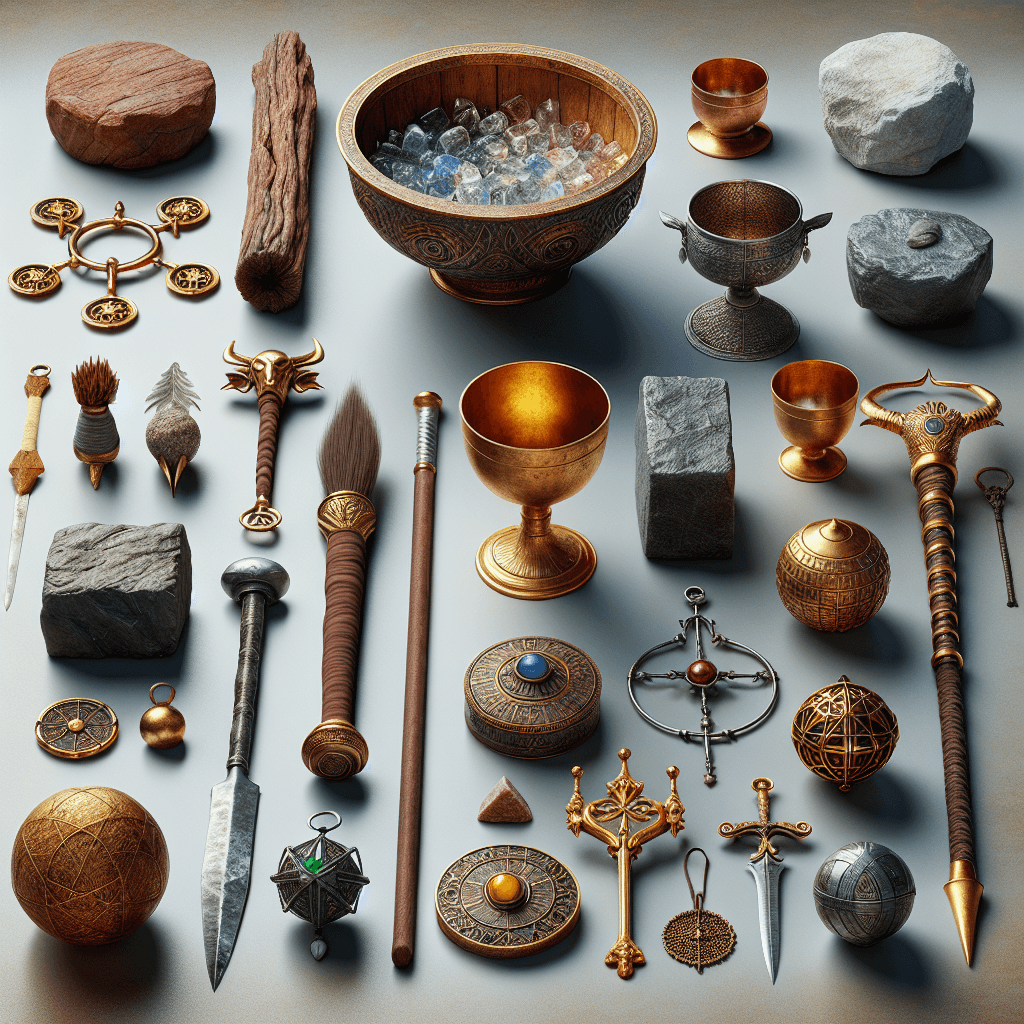
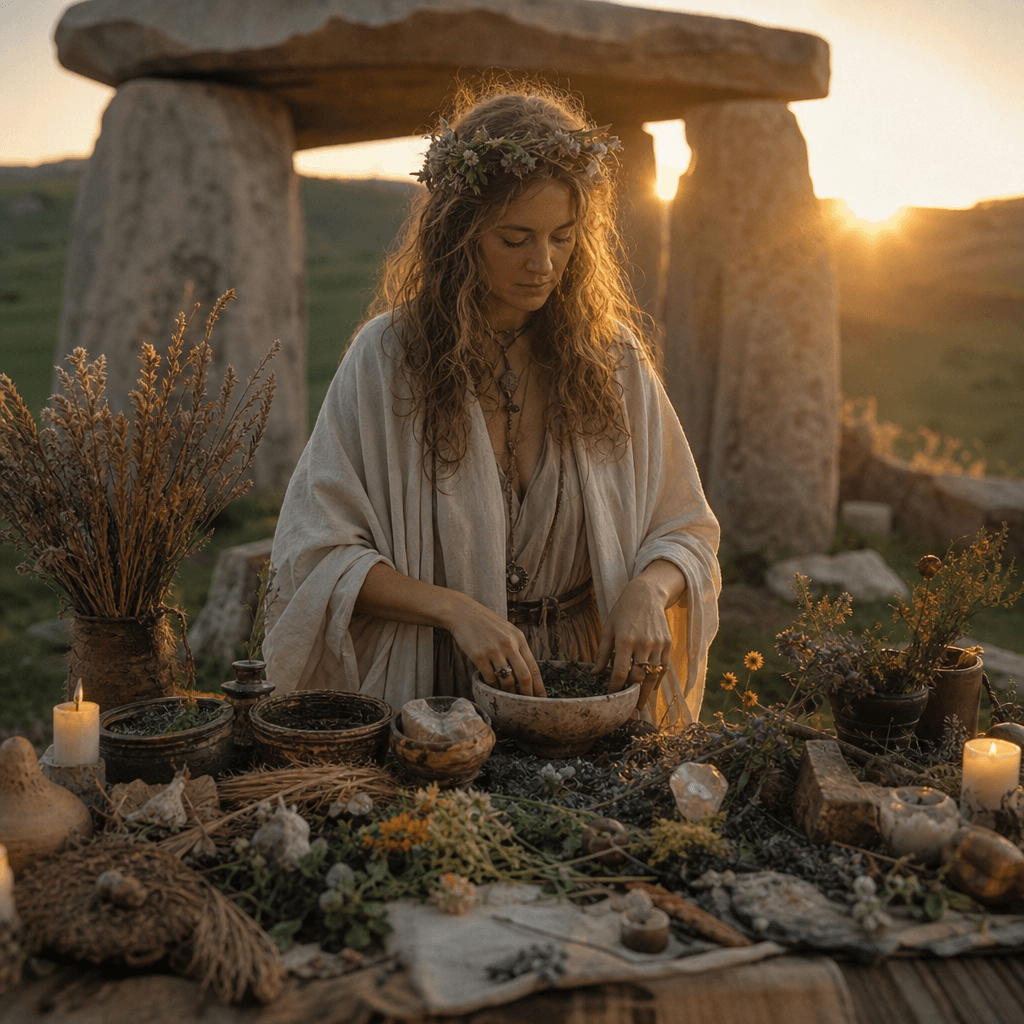
Pagan approaches to ancestral trauma healing emphasize the interconnectedness of all life and the understanding that individual healing contributes to collective wellness across time and space. The foundation of pagan ancestral work begins with creating sacred space through altar construction, typically featuring family photographs, heirloom objects, candles representing the element of fire, water in a ceremonial bowl, earth through stones or crystals, and air represented by incense or feathers. Practitioners often begin by calling upon the four directions and invoking protective energies before specifically inviting ancestral presence into the ritual space, starting with the matrilineal line and then honoring paternal ancestors, acknowledging both known and unknown family members who may have experienced trauma.
The core of pagan ancestral healing involves energetic cord-cutting ceremonies using consecrated herbs like rosemary, sage, or mugwort to brush the practitioner’s aura while visualizing the removal of inherited pain, limiting beliefs, and destructive patterns that have been unconsciously passed down through generations. Many pagan practitioners incorporate seasonal timing into their ancestral work, performing these rituals during specific moon phases, sabbats, or personal anniversaries that hold significance for family healing, understanding that natural cycles amplify the effectiveness of spiritual work. The ritual process typically involves speaking aloud clear intentions for healing, calling upon divine assistance, and making specific requests for the release of particular trauma patterns while affirming the restoration of family harmony and balance across all directions of time.
Pagan ancestral work often includes the creation of ancestor shrines that remain active between formal rituals, serving as ongoing focal points for daily prayers, offerings of water or food, and regular communication with deceased family members who are understood to continue existing in spiritual form. The closing of pagan ancestral rituals emphasizes gratitude, grounding, and the visualization of healing energy rippling outward to affect not only past and present family members but also future generations who will benefit from this spiritual work. Advanced practitioners may incorporate additional elements like crystal grids, planetary correspondences, deity invocations, or group ceremony work that amplifies the healing potential through collective intention and shared energetic focus.
Step-by-Step Ritual Instructions

The ABCs of Ancestral Bloodline Cleansing: Protocol, Process and Prayers for Repentance in the Courts of Heaven
View ProductBeginning practitioners can start their ancestral trauma cleansing journey with a simple yet powerful home ritual that requires minimal materials but maximum intention and respect for the process. Start by choosing a quiet time when you won’t be disturbed, ideally during a waning moon phase which supports the release of unwanted energies, and gather basic supplies including a white or black candle, dried herbs like rosemary or sage, sea salt, a bowl of clean water, and any family photographs or meaningful objects that connect you to your lineage. Cleanse your chosen space by opening windows for fresh air circulation, sweeping or vacuuming the area, and setting up a simple altar on a table, dresser, or even the floor using a clean cloth as your foundation.
Light your candle with a clear intention for ancestral healing, then ignite your herbal bundle and begin cleansing your personal energy field by gently brushing the smoke around your body in counterclockwise circles, moving from head to toe while visualizing old family patterns, trauma, and limiting beliefs being dissolved and released. Speak your healing intentions aloud using words that feel authentic to you, such as asking for divine assistance in removing inherited trauma and its effects on yourself and your family across all time periods, past, present, and future. Hold family photographs or meaningful objects while sending healing energy through your hands, imagining light flowing backward through your family line to heal ancestors who experienced trauma and forward to protect future generations from repeating harmful patterns.
Create a purification bath by adding sea salt and extinguished herb remnants to warm water, soaking while stating your intention to be purified of ancestral trauma, or alternatively, wash your hands, face, and feet in a bowl of salt water while focusing on release and renewal. Place the remaining herbs near your family photos or on your altar, allowing them to continue their energetic work for one to two weeks before returning them to the earth through composting or burial, symbolizing the completion of one healing cycle. Drink plenty of water following your ritual to support the energetic clearing process, and pay attention to dreams, synchronicities, or shifts in family dynamics over the following weeks as signs that your ancestral healing work is taking effect. Document your experiences in a journal dedicated to ancestral work, noting any insights, emotional releases, or positive changes that occur as a result of your ritual practice, building a personal record that can guide future healing sessions and deepen your connection to this transformative spiritual practice.
Modern Scientific Perspective
Contemporary research in epigenetics, psychology, and neuroscience has begun validating what spiritual practitioners have understood for millennia – that trauma can indeed be transmitted across generations through multiple biological, psychological, and social pathways. Epigenetic studies demonstrate how traumatic experiences can alter gene expression patterns that get passed to offspring, potentially predisposing future generations to anxiety, depression, and stress-related disorders even when they haven’t directly experienced the original trauma themselves. Neurobiological research shows that ritual practices activate the parasympathetic nervous system, reducing cortisol levels and promoting the production of healing neurotransmitters like serotonin and dopamine, which help regulate emotional responses and support psychological resilience. Psychological studies on ritual behavior reveal that ceremonial practices provide crucial benefits including emotional regulation, meaning-making, community connection, and increased feelings of personal agency and control over life circumstances.

Researchers studying Holocaust survivors and their descendants have documented clear patterns of intergenerational trauma transmission while also identifying protective factors, including spiritual practices, community support, and meaning-making activities that help break cycles of inherited psychological pain. Studies on indigenous healing practices have shown measurable improvements in mental health outcomes when traditional ceremonial approaches are combined with conventional therapeutic interventions, suggesting that ritual-based healing addresses aspects of trauma that purely clinical approaches might miss. The field of energy medicine, while still developing scientific validation, has produced preliminary research suggesting that practices like Reiki and therapeutic touch can influence biofield measurements and promote measurable changes in stress markers, pain levels, and emotional well-being.
Anthropological research demonstrates that cultures with strong ancestor veneration traditions typically show greater community resilience, lower rates of certain mental health issues, and more effective coping mechanisms for dealing with collective trauma and social stress. Mindfulness and meditation research provides additional scientific backing for ritual practices, showing that contemplative approaches can literally reshape brain structure, improving emotional regulation, reducing reactivity to stress, and enhancing overall psychological flexibility and adaptive capacity. The emerging field of psychedelic-assisted therapy is exploring how altered states of consciousness, similar to those achieved in deep ritual work, can facilitate rapid healing of trauma by allowing individuals to access and process difficult experiences from new perspectives that promote integration and resolution.
What patterns from your own family history might be ready for healing, and how could incorporating ancestral trauma cleansing rituals into your spiritual practice create positive ripple effects that extend far beyond your individual experience to benefit your entire lineage?