How Modern Practitioners Adapt Ancient Sumerian Ritual Practices for Contemporary Spiritual Worship
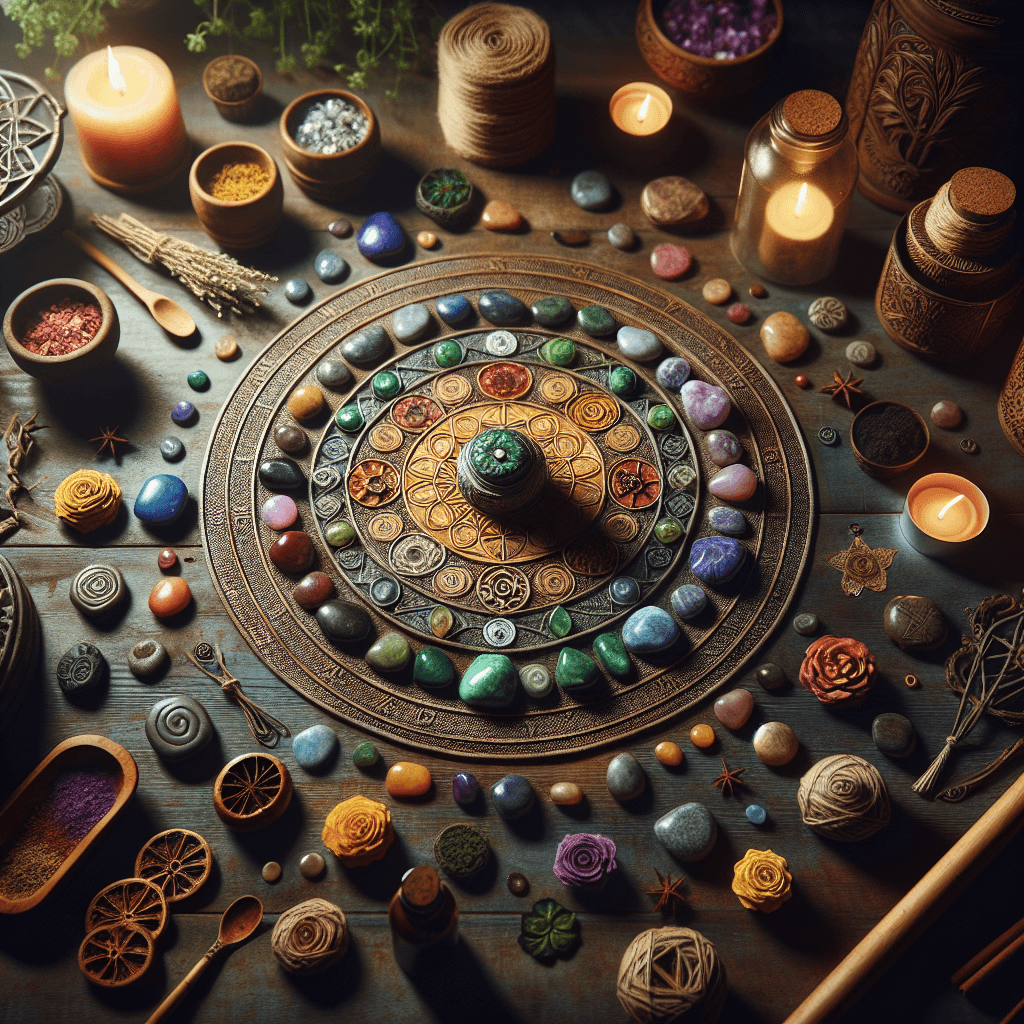
The answer lies in the fascinating blend of archaeological discovery, personal adaptation, and community reverence that defines Sumerian ritual practices today. Modern practitioners primarily engage in revivals and reinterpretations by contemporary Pagan and occult communities, drawing on ancient Mesopotamian traditions like ancestor veneration and seasonal festivals while adapting them for personal spirituality and group events. Rather than attempting to recreate ancient ceremonies exactly as they were performed millennia ago, today’s spiritual seekers focus on capturing the essence and spiritual significance of these practices while making them accessible and ethically appropriate for contemporary life. This adaptation process involves careful study of archaeological evidence, consultation with scholarly research, and creative interpretation that honors the original intent while serving modern spiritual needs. The result is a rich tapestry of ritual practice that bridges ancient wisdom with contemporary understanding, creating meaningful spiritual experiences that resonate with modern practitioners while maintaining connection to humanity’s oldest recorded spiritual traditions.
Ancient Mesopotamian Ceremonies Revival
The revival of ancient Mesopotamian ceremonies represents one of the most significant developments in contemporary Pagan practice, with modern practitioners breathing new life into rituals that have been dormant for thousands of years. The Kispum ritual, dating back to approximately 2500 BCE, serves as a perfect example of how ancient Sumerian and Akkadian practices for maintaining relationships with the deceased have found new expression in modern Pagan workshops. Unlike traditional Western approaches to grief that emphasize letting go and moving on, contemporary practitioners have embraced the Continuing Bonds theory, which aligns perfectly with ancient Mesopotamian beliefs about ongoing relationships with ancestors. Modern Kispum ceremonies incorporate the traditional elements of prayers and water-pouring while adapting the format for contemporary group settings, often condensing what might have been elaborate multi-day rituals into focused one-part ceremonies that can be completed in a workshop or community gathering setting.
The Akitu New Year festival provides another compelling example of ceremonial revival, with its powerful symbolism of spring renewal, fertility, and resurrection continuing to inspire both traditional Syriac communities worldwide and modern Pagan adaptations. Contemporary versions of Akitu maintain the essential elements of procession, purification, and renewal while adapting the format for modern participants who may not have access to ancient temples or sacred rivers. These adaptations often include symbolic processions through natural spaces, purification ceremonies using local water sources blessed for the occasion, and community rituals that celebrate renewal and the triumph of order over chaos. The revival process requires careful balance between historical accuracy and practical accessibility, ensuring that the spiritual essence of these ancient ceremonies remains intact while making them meaningful and achievable for contemporary practitioners.
Modern Sumerian Worship Methods
Modern Sumerian worship methods have evolved to emphasize accessibility, inclusivity, and creative expression while maintaining deep reverence for the ancient deities and their associated mythologies. The reclamation of deities like Inanna, who later became known as Ishtar, represents a particularly vibrant aspect of contemporary Sumerian-inspired practice, with modern worshippers utilizing art, storytelling, music, and community rituals to connect with these powerful archetypal energies. Events like Ishtarfest demonstrate how ancient myths of transformation, death, and rebirth can be woven together with modern themes of divine femininity, personal evolution, and community empowerment. These festivals typically feature family-friendly programming that makes ancient wisdom accessible to practitioners of all ages, vendor markets that showcase handcrafted ritual items and educational materials, and inclusive gatherings that welcome participants regardless of their previous experience with Mesopotamian traditions.


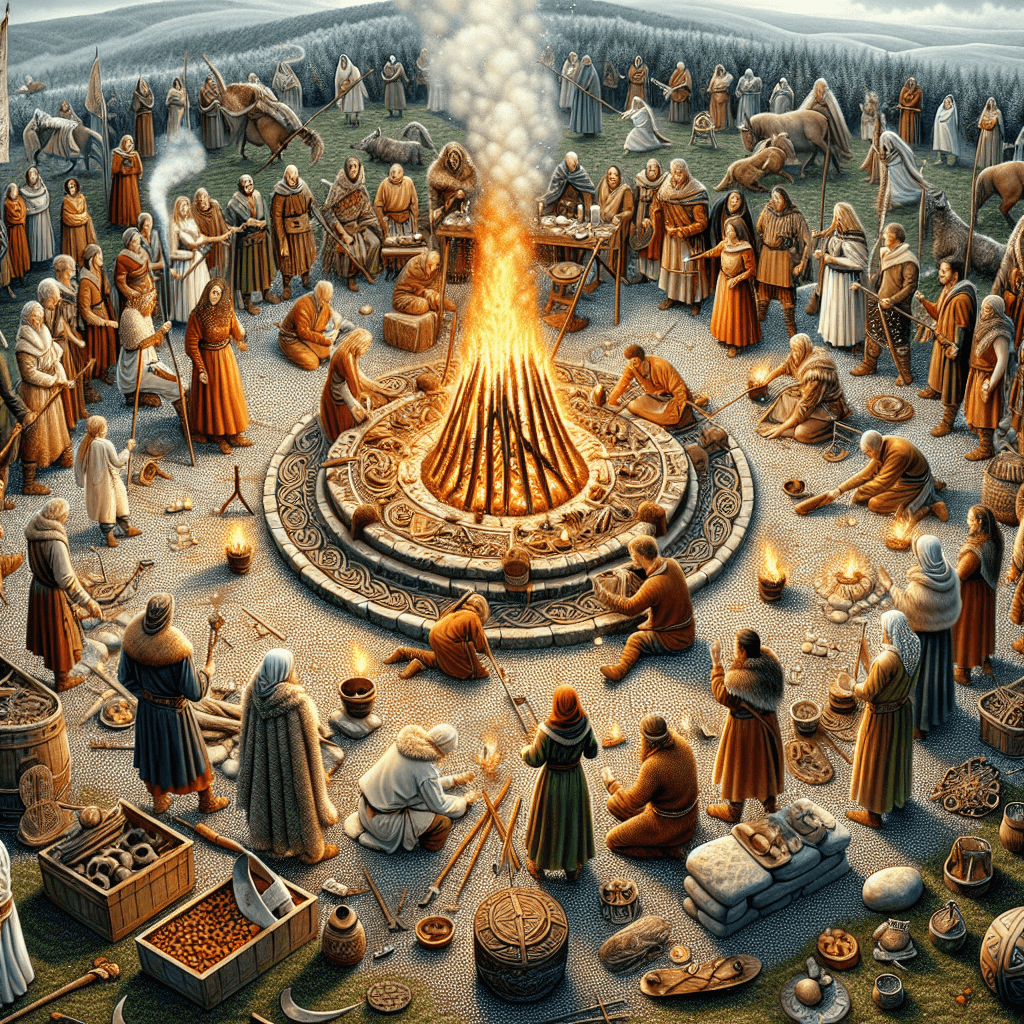
Modern worship methods prioritize ethical considerations that may not have been relevant in ancient times, such as the elimination of animal sacrifice in favor of symbolic offerings, the emphasis on consent and voluntary participation in all ritual activities, and the adaptation of gendered deity work to be inclusive of contemporary understanding of gender identity and expression. Digital resources play an increasingly important role in modern Sumerian worship, with online communities sharing ritual formats, scholarly research, and personal experiences that help practitioners develop their own authentic relationships with these ancient deities. The emphasis on personal relationship building means that modern Sumerian worship often focuses more on individual spiritual development and community support than on the elaborate temple hierarchies that characterized ancient practice. This democratization of access to the divine reflects contemporary Pagan values while honoring the fundamental human need for connection with forces greater than ourselves that the ancient Sumerians understood so well.
Contemporary Archaeological Ritual Discoveries
Contemporary archaeological discoveries continue to illuminate our understanding of ancient Sumerian ritual practices, providing modern practitioners with fresh insights and inspiration for their own spiritual work. The remarkable 2020 discovery at Girsu of a 5,000-year-old cultic area represents one of the most significant recent finds, revealing over 300 broken ceremonial vessels, animal bones, and a distinctive duck-shaped bronze figurine dedicated to the deities Ningirsu and Nanshe. This discovery has proven invaluable to revival efforts, offering concrete evidence of how ancient practitioners structured their sacred spaces and conducted their ceremonies. The broken vessels found at the site suggest that ritual destruction or offering practices were common, informing modern practitioners about the cyclical nature of ancient ceremonies and the importance of release and renewal in spiritual practice.
Recent excavations conducted in 2025 have further highlighted the urban ritual contexts in southern Mesopotamia, revealing how tidal influences affected ancient ceremony timing and location choices. These findings demonstrate that ancient Sumerian religious practice was deeply connected to natural cycles and environmental factors, inspiring modern practitioners to consider how local natural phenomena might inform their own ritual timing and sacred space selection. The discovery of elaborate grave goods, ceremonial weapons, and decorative objects provides insight into the material culture that supported ancient ritual practice, helping contemporary practitioners understand how physical objects were used to create sacred atmosphere and facilitate spiritual connection. Archaeological evidence also reveals the complexity of ancient temple economies, showing how ritual practice was supported by extensive networks of agricultural production, craft specialization, and community contribution. This information helps modern practitioners appreciate the communal nature of ancient spiritual practice and consider how their own ritual work might contribute to community building and mutual support. The ongoing nature of archaeological discovery means that our understanding of ancient Sumerian ritual practice continues to evolve, providing contemporary practitioners with an ever-expanding foundation of knowledge from which to develop their own authentic spiritual practices.
Digital Sumerian Temple Reconstructions
Digital technology has revolutionized how modern practitioners access and understand ancient Sumerian temple architecture and ritual practice, creating unprecedented opportunities for spiritual connection across millennia. While comprehensive digital temple reconstructions may not yet be widely available, projects like the Girsu Project and New York University’s Akkadian ritual texts database represent significant steps toward preserving and sharing temple histories and ritual practices that span over 2,000 years. These digital preservation efforts help modern practitioners visualize the physical spaces where ancient ceremonies took place, offering crucial context for understanding how architectural design supported spiritual practice. The database resources provide access to ritual texts from sites like Emar, giving contemporary practitioners the opportunity to study actual ancient ceremony scripts and adapt them for modern use.
Digital reconstructions and virtual tours of archaeological sites allow practitioners who cannot travel to visit these sacred spaces virtually, creating opportunities for meditation, visualization, and spiritual connection that would otherwise be impossible. Online platforms have also facilitated the sharing of scholarly research and archaeological findings among contemporary practitioners, democratizing access to information that was previously available only to academic specialists. Virtual reality technology holds particular promise for future developments in digital temple reconstruction, potentially allowing practitioners to experience ancient sacred spaces in immersive ways that support deeper spiritual connection and understanding. The digitization of cuneiform tablets and other ancient texts has made it possible for dedicated practitioners to study original source materials, leading to more authentic and historically informed revival efforts. Social media platforms and online forums have created global communities of practitioners interested in Sumerian spirituality, facilitating the sharing of resources, ritual experiences, and scholarly discoveries that enrich everyone’s practice. These digital tools have proven especially valuable during times when physical gathering may be restricted, ensuring that community connections and shared learning can continue regardless of geographical or circumstantial barriers. The intersection of ancient wisdom and modern technology demonstrates how Sumerian ritual practices today can benefit from the best of both worlds while maintaining authentic connection to their ancient roots.
The evolution of Sumerian ritual practices today reflects humanity’s enduring need for spiritual connection and community, bridging ancient wisdom with contemporary understanding in ways that honor both tradition and innovation. As archaeological discoveries continue to illuminate our knowledge of these ancient practices and digital tools make them more accessible than ever, the potential for authentic revival and meaningful adaptation continues to grow. What aspects of ancient Sumerian spirituality most resonate with your own spiritual journey, and how might you incorporate these time-tested practices into your contemporary spiritual life?
Related Items:

Lilly Dupres
Owner & AuthorLilly Dupres, a lifelong practitioner of paganism, established Define Pagan to offer a clear definition of paganism and challenge misconceptions surrounding modern pagan lifestyles.