What are the most powerful sacred rituals used to honor thunder gods across different cultures?

Planets for Pagans: Sacred Sites, Ancient Lore, and Magical Stargazing
View Product →Thunder Gods Sacred Rituals encompass a vast array of ancient practices that modern pagans are rediscovering and adapting for contemporary spiritual work. These rituals draw from deep Indo-European roots, emphasizing offerings, libations, and communal ceremonies performed during storms to invoke protection, rain, and strength. Modern Heathenry and Slavic revival movements have reconstructed these powerful practices, creating meaningful connections between ancient wisdom and present-day spiritual needs.
The most potent Thunder Gods Sacred Rituals center on libations and offerings during thunderstorms, sacrifices at sacred oaks or hilltops, and fire-kindling ceremonies designed to summon life-giving rains and combat chaos. Contemporary practitioners pour mead around ritual trees while calling upon Thor the Thunderer, often reporting immediate storm responses. These practices trace back to Perkwunos, the reconstructed Proto-Indo-European thunder god known as the Striker, who battles water-serpents to bring forth essential rains. Animal sacrifices involving bulls and roosters traditionally accompanied ritual fires and communal feasts at open-air shrines, particularly before battles or during summer celebrations. Rain dances performed by virgins, rhythmic chanting, and symbolic battles during drought periods rounded out these ancient ceremonies, while perpetual oak-fueled fires maintained on hilltops were believed to prevent divine wrath from manifesting in destructive storms.
Ancient Lightning Invocation Ceremonies
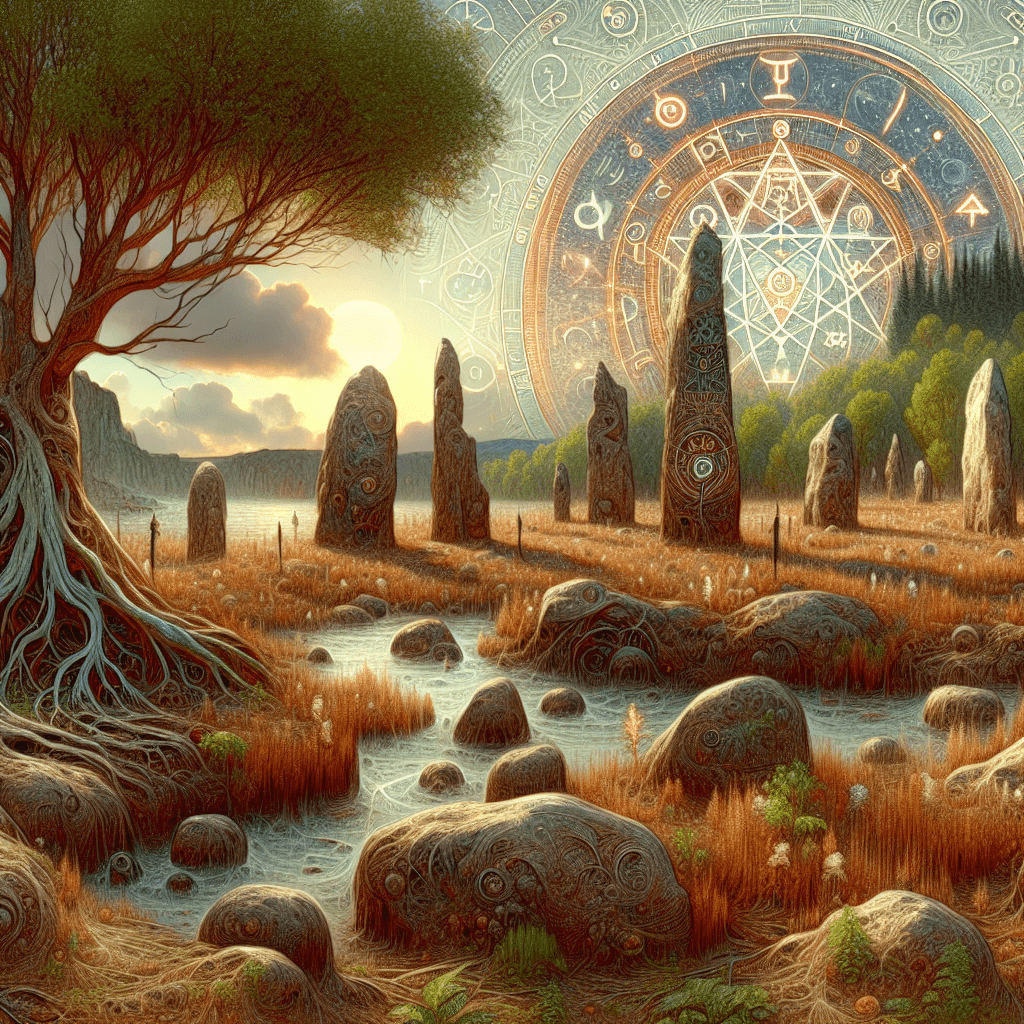
Ancient lightning invocation ceremonies represent some of the most dramatic and powerful Thunder Gods Sacred Rituals ever performed by our ancestors. These ceremonies deliberately mirrored the intensity of storms themselves, with priests raising their arms skyward within stone circles while calling upon deities like Taranis during solstice fires, creating direct links between thunder, sky, and sacred light. Modern practitioners continue these traditions through contemporary Heathenry and Slavic revival movements, adapting ancient wisdom for present-day spiritual work. The ceremonies typically began at the first signs of approaching storms, when atmospheric pressure drops and lightning becomes visible on distant horizons.
Slavic Perun rituals incorporated gromoviti znaci, special thunder mark symbols resembling rosettes that were carved into homes and sacred objects for protection against lightning strikes and malevolent forces. These markings were believed to channel Perun’s power directly into the physical realm, creating protective barriers around communities and sacred spaces. Practitioners would invoke lightning strikes on sacred oak trees to birth holy fire, which was then carefully maintained and used for subsequent ceremonies throughout the storm season. The resulting charcoal and wood fragments became powerful talismans, distributed among community members for ongoing protection and connection to the thunder god’s power.
Contemporary pagan practitioners have successfully reconstructed these ancient lightning invocation ceremonies, incorporating drumming, singing, and libations performed during incoming storms. Many modern Thor rituals report thunder crashing immediately after offerings are made, suggesting these ancient practices retain their spiritual potency across millennia. The ceremonies often involve groups gathering on hilltops or in sacred groves, using traditional instruments like drums and horns to call upon thunder gods while storm clouds gather overhead. Participants frequently describe profound spiritual experiences during these rituals, including feelings of direct communication with ancient deities and heightened awareness of natural forces surrounding them. The timing of these ceremonies remains crucial, with experienced practitioners learning to read weather patterns and atmospheric changes to maximize their spiritual effectiveness and safety during increasingly intense modern storm systems.
Storm Deity Offering Practices
Storm deity offering practices form the cornerstone of Thunder Gods Sacred Rituals across multiple cultural traditions, focusing primarily on fertility enhancement and community protection through carefully structured exchanges with divine powers. These offerings traditionally centered around mead poured directly onto sacred fires during blóts, which are formal Heathen sacrificial ceremonies followed by communal feasts that strengthen bonds between participants, ancestors, and gods. Modern Heathenry continues these practices through symbel ceremonies where drinking horns pass from person to person, with participants making toasts to gods and ancestors before pouring libations onto the earth or into ritual fires. The mead itself holds special significance, representing the marriage between human craft and natural abundance, making it an ideal offering for thunder gods who control both agricultural prosperity and weather patterns.
The Pagan Book of Days: A Guide to the Festivals, Traditions, and Sacred Days of the Year
View Product →Perun traditionally received substantial offerings including bulls and roosters sacrificed at sacred oak groves, with the resulting meat shared among community members during elaborate feasts celebrating the thunder god’s generosity and power. These sacrificial practices recognized the reciprocal relationship between humans and divine forces, acknowledging that prosperity and protection required active participation from both parties. Archaeological evidence from ancient Slavic sites reveals specialized altar areas within oak groves, complete with drainage channels for blood offerings and fire pits for burning specific portions reserved for Perun. Modern Slavic revival movements have adapted these practices, typically substituting symbolic offerings like bread, honey, and alcoholic beverages while maintaining the essential spirit of reciprocal exchange with thunder deities.
Canaanite Baal cults historically enacted fertility rituals through sacred prostitution and elaborate rain ceremonies, though contemporary revival movements focus exclusively on agricultural and weather-working aspects of these traditions. Thunder-stones, specifically flint struck by lightning, became powerful amulets worn by cattle herders and pregnant women seeking protection from both natural disasters and supernatural threats. Modern practitioners often incorporate weather-working into their offering practices, timing ceremonies to coincide with seasonal agricultural needs or during periods of drought when rain becomes essential for community survival. Contemporary Thunder Gods Sacred Rituals frequently involve offerings of locally-sourced foods, handcrafted items, and beverages prepared specifically for each ceremony, maintaining the ancient principle that meaningful offerings require personal investment and sacrifice from practitioners seeking divine assistance and protection.
Thunder God Worship Methods
Thunder God worship methods traditionally occurred at natural sanctuaries including hilltop oak groves and sacred clearings where eternal fires burned continuously, representing the ongoing presence of divine power within the physical world. These locations were chosen for their elevation and natural features, particularly ancient oak trees that frequently attracted lightning strikes and were considered direct manifestations of thunder god energy. Archaeological investigations of Perun idol sites in Novgorod and Kiev reveal sophisticated worship complexes where community members swore oaths on weapons while calling upon the thunder god to witness their commitments and punish oath-breakers with divine lightning. Modern Heathenry has successfully reconstructed these worship methods, emphasizing outdoor ceremonies that connect practitioners directly with natural forces rather than enclosed ritual spaces that separate participants from the elements.
Contemporary Heathen worship deliberately avoids the circle-casting and quarter-calling found in other pagan traditions, instead focusing on simple outdoor blóts or elaborate seasonal plays that invoke multiple gods simultaneously while maintaining authentic ancient formats. These ceremonies typically begin with horn-blowing and invocations that call thunder gods by their ancient names, followed by offerings and communal activities that strengthen bonds between participants and divine powers. Modern practitioners often construct temporary altars using stones and natural materials found at ceremony locations, emphasizing the connection between worship activities and specific landscapes where thunder gods traditionally manifested their presence. The worship methods prioritize experiential connections over theoretical knowledge, encouraging participants to develop personal relationships with thunder deities through direct interaction during storms and seasonal celebrations.
Comparative archaeological studies reveal consistent patterns linking Thor’s sacred oak groves with giant-smiting legends, Perun’s eternal fires with community protection rituals, and Zeus’s Dodona oracle with weather prophecy traditions, demonstrating shared Indo-European origins for Thunder Gods Sacred Rituals across multiple cultures. Modern worship methods incorporate these comparative insights, allowing practitioners to draw from multiple cultural traditions while maintaining focus on specific thunder god relationships that resonate with their personal spiritual paths. Contemporary ceremonies often include elements borrowed from various traditions, such as Celtic fire-lighting techniques combined with Slavic protection rituals and Germanic toasting customs, creating syncretic approaches that honor ancient wisdom while addressing modern spiritual needs. These worship methods emphasize community participation and seasonal timing, recognizing that thunder gods respond most powerfully to collective invocations performed during appropriate weather conditions and agricultural cycles when their assistance becomes most crucial for community survival and prosperity.
Comparative Mythology Storm Deities
Comparative mythology reveals fascinating patterns among storm deities that illuminate the universal human need to understand and influence weather patterns through Thunder Gods Sacred Rituals performed across diverse cultural contexts. Thor and Donar represent the Norse and Germanic traditions respectively, serving as oak-smiters and storm-protectors who respond favorably to libations and mead offerings performed during active thunderstorms. Modern outdoor drumming, drink-pouring ceremonies conducted during storms, and formal blóts combined with symbel rituals continue these ancient traditions within contemporary Heathen communities worldwide. Archaeological evidence suggests these practices remained remarkably consistent across Scandinavia and Germanic territories, with similar ritual implements and sacred grove layouts found from Iceland to central Europe, demonstrating the widespread appeal and effectiveness of these thunder god worship methods.
Slavic Perun traditions emphasize his role as thunder and lightning lord who requires oak fires, bull sacrifices, and rain prayers to maintain cosmic order and agricultural fertility within human communities. Modern Slavic revival movements have reconstructed hilltop shrines and seasonal feasts while incorporating gromoviti znaci amulets that channel Perun’s protective power into contemporary contexts. Celtic Taranis appears as the bolt-tosser and sky deity whose worship involved solstice fire invocations and mountain-based ceremonies conducted within stone circles by specialized priests who maintained ancient weather-working traditions. Contemporary Druid movements continue these practices through circle prayers performed at elevated locations during seasonal celebrations that honor Taranis and other Celtic storm deities through fire ceremonies and group invocations.

The reconstructed Proto-Indo-European Perkwunos serves as the serpent-battler and rain-bringer whose worship involved virgin rain dances, thunder-stone talismans, and elaborate ceremonies designed to ensure agricultural fertility and community protection from chaotic forces. Modern pagan revival movements emphasize these rain and fertility aspects through seasonal celebrations that incorporate elements from multiple Indo-European traditions while maintaining focus on weather-working and agricultural assistance. Canaanite Baal and Hadad traditions historically involved rain-fertility rituals and palace enthronement ceremonies, though these practices are rarely revived in contemporary movements due to their complexity and cultural specificity. However, comparative mythology studies continue examining these traditions for insights into universal patterns underlying Thunder Gods Sacred Rituals across human cultures.
Archaeological evidence from Perun hilltop sites confirms continuity between ancient worship locations and medieval Christian churches, demonstrating the enduring significance of these sacred landscapes for thunder god veneration across religious transitions. Modern practitioners synthesize these ancient patterns, particularly the oak-fire nexus and rain combat mythologies, into contemporary pagan practice that prioritizes experiential connections through storm veneration and seasonal celebrations. These comparative approaches allow modern practitioners to develop deeper bonds with thunder deities by understanding their roles within broader Indo-European spiritual frameworks while maintaining authentic connections to specific cultural traditions that resonate with individual practitioners. The synthesis of comparative mythology with practical ritual work creates robust Thunder Gods Sacred Rituals that honor ancient wisdom while addressing contemporary spiritual needs for weather-working, protection, and agricultural assistance in an increasingly uncertain climate.
Thunder Gods Sacred Rituals continue evolving as modern practitioners rediscover ancient wisdom and adapt these powerful ceremonies for contemporary spiritual practice. Which thunder god tradition calls to your spirit, and how will you begin incorporating these ancestral practices into your own pagan path?
Related Items:

Lilly Dupres
Owner & AuthorLilly Dupres, a lifelong practitioner of paganism, established Define Pagan to offer a clear definition of paganism and challenge misconceptions surrounding modern pagan lifestyles.