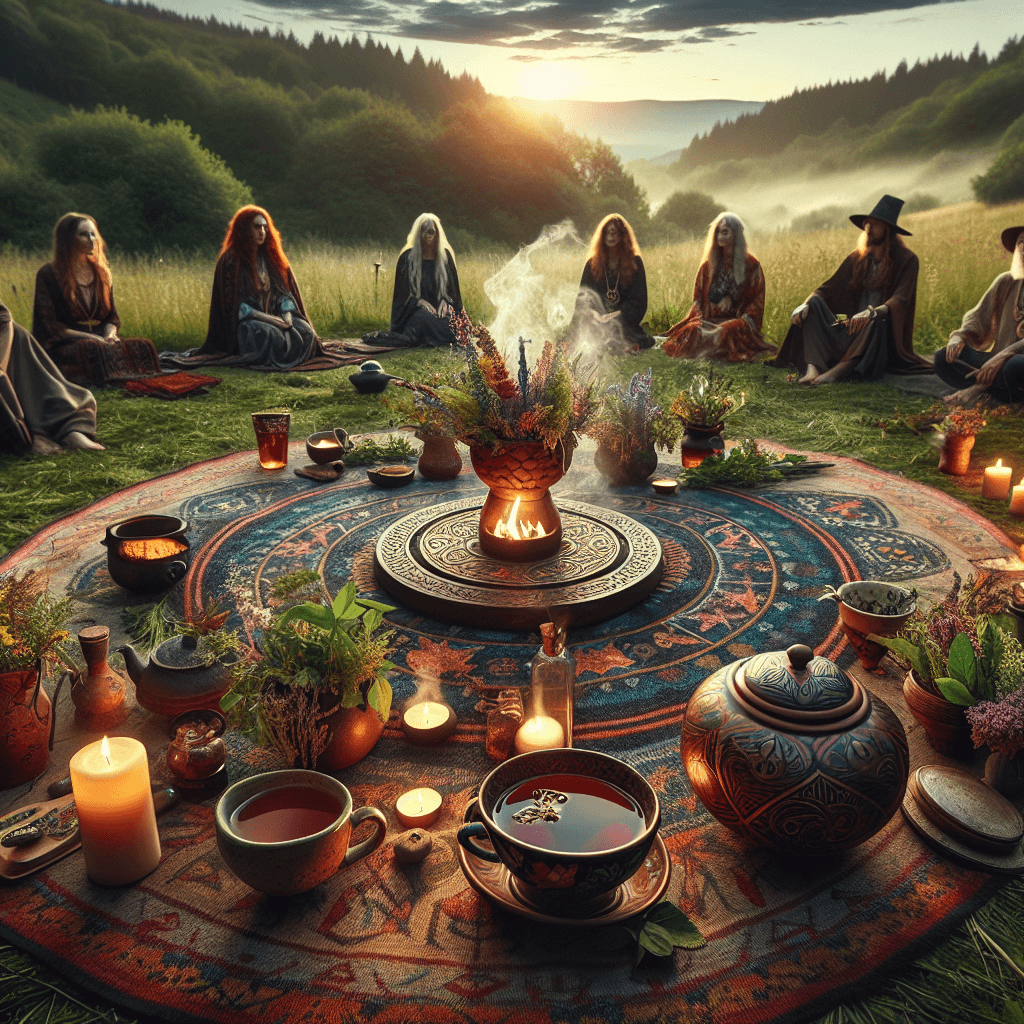
What do the symbols on ancient ritual vessels mean and how were they used in sacred ceremonies?
Ancient ritual vessels featured symbols like the taotie mask, thunder patterns called leiwen, animal motifs, geometric forms, and inscriptions, which conveyed protection, fertility, renewal, status, and divine authority. These vessels held sacred substances during ceremonies for offerings of food, wine, meat, and grain to ancestors and spirits. Ritual Vessel Sacred Symbolism shows us how our ancestors communicated with the divine through objects designed to hold both physical offerings and spiritual intention. The ceremonies involved cooking, libations, sacrifices of humans or animals, and communal mixing of substances to symbolize unity or strength. Bronze vessels particularly demonstrated elite ritual importance, controlled by rulers who understood their power to connect earthly and spiritual realms. These sacred containers transformed ordinary meals into communion with ancestors, ordinary wine into divine connection, ordinary gatherings into powerful spiritual events. The symbols etched into their surfaces told stories of protection sought, fertility desired, and divine favor requested. Each vessel became a bridge between worlds, holding not just offerings but the hopes and prayers of entire communities seeking guidance from spirits and ancestors.
Ancient Chalice Spiritual Meanings
Ancient chalices carried deep spiritual meanings that went far beyond their physical function as drinking vessels. The taotie mask, one of the most common symbols found on Chinese bronze vessels like the ding, jue, and gu, represented the duality of creation and destruction that governed spiritual transformation. These vessel types developed from simple Neolithic pottery into sophisticated Bronze Age ritual tools that symbolized the harmony between earthly and spiritual realms. Thunder patterns or leiwen carved into vessel surfaces represented the power of divine forces moving through the physical world, connecting users to cosmic energy during sacred ceremonies. Ancient practitioners viewed these chalices as wombs that could birth spiritual transformation, sarcophagi that held the essence of ancestors, and temple bodies that contained divine wisdom. The act of filling an empty vessel mirrored the spiritual concept of kenosis, where one empties oneself to receive divine influx. Shang dynasty rituals used these vessels to appease ancestors and secure good fortune, with each symbol serving as a prayer made manifest in bronze. Animal motifs on vessel surfaces represented different spiritual qualities: protective beasts guarded the contents, fertility animals blessed the community with abundance, and mythical creatures opened doorways to other realms. The geometric patterns created sacred mathematics that aligned earthly ceremonies with celestial movements, ensuring proper timing for spiritual work.
Altar Chalice vs Goblet Differences

The distinction between altar chalices and goblets reveals important differences in ritual function and spiritual purpose. Altar chalices like the tripod ding cauldrons served specific ceremonial roles, cooking and sacrificing meat on ancestral altars while displaying social status through their number and size. Emperors used nine ding cauldrons in their ceremonies, while lords used seven, creating a hierarchy of spiritual authority reflected in vessel quantity. The jue vessels with their distinctive spouts and tails heated wine for libations, their unique shape designed for specific pouring rituals that honored ancestors and spirits. These altar vessels prioritized bronze construction for durability, as they needed to withstand repeated exposure to fire and sacred substances during temple sacrifices.
Goblets served different purposes, focusing on pouring, mixing, and symbolic consumption rather than cooking or heating. The flared gu wine vessels and multi-chambered ceramic goblets facilitated intertribal unity rites where different groups would mix their substances together, symbolizing alliance and shared strength. Some goblets featured handles positioned underneath the vessel, forcing users to consume the entire contents without pause during healing ceremonies, strengthening rituals, or blood rites that tested maturity. These form-driven vessels emphasized the act of drinking itself as spiritual practice, while altar chalices focused on the preparation and presentation of offerings. The geometric forms and animal motifs on goblets often related to the specific ceremony being performed, with symbols chosen to enhance the spiritual qualities needed for unity, strength, or transformation.
Modern Sacred Cup Practices

Contemporary pagans adapt ancient vessel archetypes for personal spiritual practice, drawing inspiration from the symbolic systems carved into historical ritual vessels. Modern practitioners use chalices as containers for the gestation of new ideas, healing work that requires emptying personal pain to make room for wisdom, and body-honoring rituals that echo ancient practices of divine influx. The taotie mask symbolism translates into modern protection work, where practitioners visualize the fierce guardian faces watching over their sacred liquids during ritual consumption. Thunder patterns inspire contemporary designs that connect modern pagans to cosmic energy, just as ancient practitioners used leiwen symbols to align their ceremonies with natural forces.
Wiccan traditions incorporate chalices into cakes and ale ceremonies, where the vessel’s capacity to hold sacred substances becomes more important than any specific action performed with it. Modern vessel work emphasizes integrity, requiring cups without cracks or flaws that might allow sacred energy to leak away during important spiritual work. Many contemporary pagans create personal vessel collections that reflect their individual spiritual path, choosing symbols and materials that resonate with their practice rather than following prescribed ancient patterns. Animal motifs on modern vessels often represent personal totems or guides, while geometric forms might reflect astrological correspondences or elemental associations relevant to the practitioner’s work. The principle of emptying oneself to receive divine filling remains central to modern vessel work, whether expressed through meditation practices, healing ceremonies, or seasonal celebrations that honor the cycles of nature.
Religious Vessel Symbolic Interpretations
Different religious traditions developed unique symbolic languages for their ritual vessels, each system reflecting specific spiritual beliefs and ceremonial needs. Chinese bronze vessels featured the taotie eyes and masks for protection and renewal, with inscriptions that recorded vessel owners, their functions, and lineage wishes for future generations. These symbols represented the Mandate of Heaven, and vessels were buried according to the rank of their owners, maintaining spiritual hierarchy even in death. Zande ceramic vessels used chamber designs to promote unity during tribal gatherings, with special handles that created endurance tests during important rites of passage.
The animal motifs found on vessel legs and handles across cultures indicated specific ritual transitions, marking moments when ordinary time shifted into sacred time. Thunder patterns appeared in various forms across different traditions, always representing divine power moving through earthly ceremonies and connecting practitioners to cosmic forces. Geometric bands around vessel rims or bodies created sacred boundaries that contained spiritual energy, preventing its dissipation during important ceremonies. Controlled access to certain vessel types signified sovereignty and religious authority, with some symbols reserved for rulers or high-ranking spiritual practitioners. Fertility symbols appeared universally across cultures, reflecting the shared human need for abundance, growth, and continuation of life. The status indicators built into vessel design revealed social hierarchies within religious communities, showing how spiritual authority intersected with political power in ancient societies.
Celtic Sacred
Celtic ritual vessel traditions share fundamental similarities with other ancient cultures, particularly in the use of cauldrons for transformation and renewal ceremonies. The famous Gundestrup Cauldron exemplifies Celtic understanding of vessels as containers for spiritual transformation, featuring intricate animal motifs and geometric patterns that parallel the symbolic systems found on Chinese bronze vessels. Celtic practitioners used thunder patterns in their own artistic traditions, recognizing the same cosmic forces that inspired leiwen designs in distant cultures. The Dagda’s cauldron from Irish mythology represents the ultimate fertility symbol, providing endless abundance and renewal for those worthy to receive its gifts.

Rites Of Exorcism: Ancient Rituals of Spirit Banishment, Demonic Expulsion, and Sacred Protection (The Black Grimoire Collection: Esoteric & Left-Hand Path Treatises)
View ProductAnimal motifs on Celtic vessels often depicted stags, boars, and mythical beasts that served protective functions similar to the taotie masks found on ancient Chinese vessels. Celtic geometric forms created sacred mathematics that aligned earthly ceremonies with seasonal cycles, ensuring proper timing for agricultural and spiritual activities. The status symbols embedded in Celtic vessel design reflected druidic hierarchy and tribal leadership, with certain vessels reserved for specific ceremonial roles within the community. Inscriptions on Celtic vessels, when they exist, often record lineage information and ceremonial purposes similar to those found on Chinese bronze vessels. The principle of emptying and filling that governed ancient vessel work appears in Celtic traditions through stories of cauldrons that provide abundance only when approached with proper spiritual preparation. Modern Celtic reconstructionist paths draw upon these vessel traditions, adapting ancient symbols for contemporary spiritual practice while maintaining connection to ancestral wisdom and the sacred power of Ritual Vessel Sacred Symbolism.
Which ancient vessel symbols speak most powerfully to your modern spiritual practice, and how might you incorporate their transformative energy into your own sacred work?
Related Items:

Lilly Dupres
Owner & AuthorLilly Dupres, a lifelong practitioner of paganism, established Define Pagan to offer a clear definition of paganism and challenge misconceptions surrounding modern pagan lifestyles.