How to Perform Sacred Flame Rituals for Spiritual Cleansing and Protection at Home
Essential Sacred Flame Ritual Setup
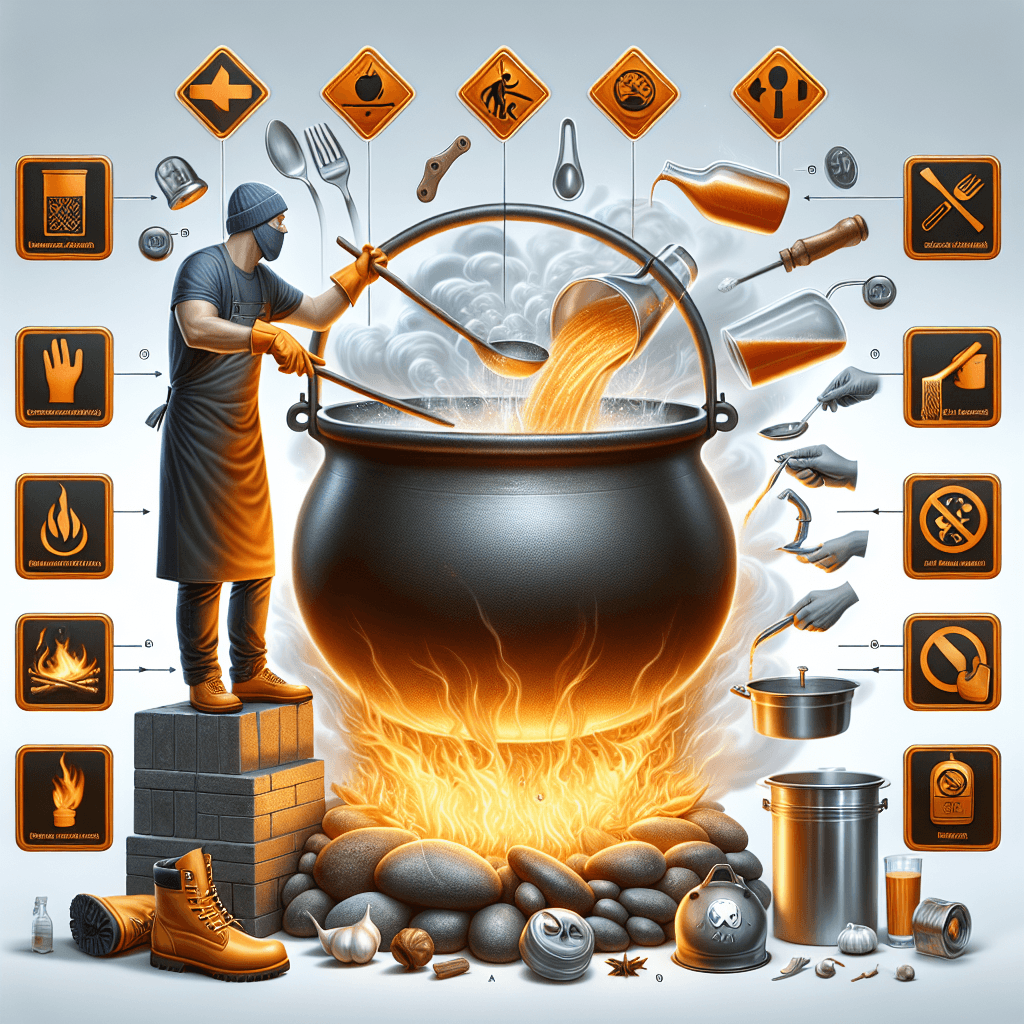
Sacred flame ritual practices begin with lighting a white, black, or red candle in a fire-safe holder while focusing your intention on purification and protection. Anoint your candle with protective oil if desired, then state your intention clearly: This flame burns away all harm and shields my space for my highest good.
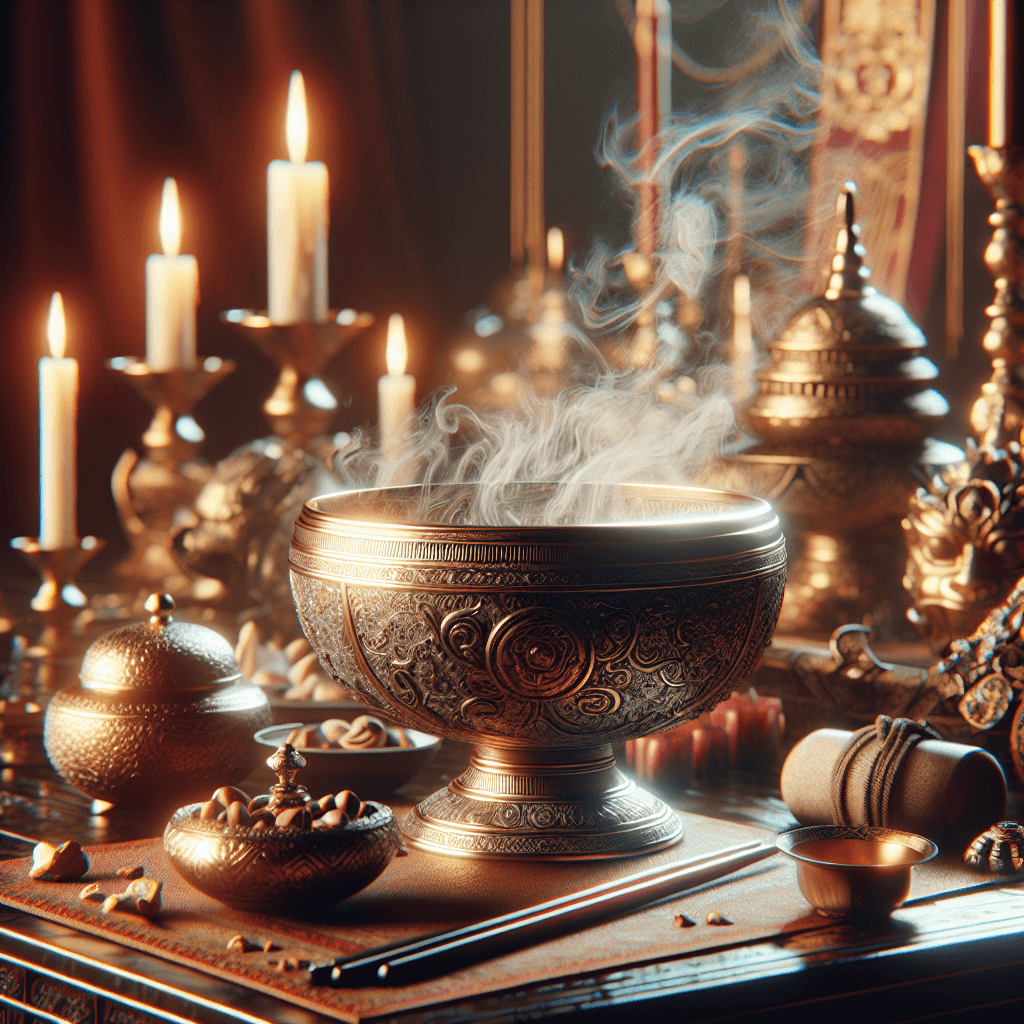
The key to effective sacred flame ritual practices lies in combining the physical flame with sacred smoke from sage, palo santo, or herbal bundles like rosemary and cinnamon. Waft this smoke around your body, through your aura, and across doorways, corners, and thresholds to release stagnant energy. Visualize the smoke as a carrier of your prayers, watching it clear negativity from your space.
For enhanced protection, sprinkle salt in a circle around your flame or hearth, add protective herbs directly to the fire, and burn a piece of paper inscribed with your fears or harmful influences. Watch the smoke carry these burdens away while affirming your shield of strength and protection. Complete your ritual by thanking the fire element, safely extinguishing the flame, and carrying its protective energy forward through herbal sachets or fire-symbol jewelry that keeps you connected to this sacred work.
Ancient Fire Ceremony Origins
The roots of sacred flame ritual practices stretch back to our Indo-European ancestors, who understood fire as humanity’s most powerful ally in the spiritual realm. These ancient peoples lit their sacred fires using sun-reflecting mirrors or glass, creating flames that carried the pure energy of solar light itself. They distributed these blessed flames to individual hearths throughout their communities, ensuring that every home maintained a connection to the sacred source of purification and protection.
The Celts elevated these traditions to magnificent heights during their seasonal festivals, particularly at Beltane and Imbolc, when massive bonfires illuminated the countryside and entire communities gathered to participate in collective flame rituals. During these ceremonies, they offered butter, herbs, and whiskey to the flames while driving their cattle through the sacred fire to ensure protection and fertility for the coming season.
Albanian fire traditions reveal another fascinating dimension of ancient sacred flame ritual practices, where fire served as the ultimate purifier against spiritual uncleanliness and physical contamination. These communities developed elaborate hearth cults that connected domestic fires to sun worship and cosmic forces, making sacred oaths by fire that bound individuals to their deepest commitments. Meanwhile, Hindu yajna rituals demonstrated the sophisticated spiritual technology possible through carefully tended sacred fires, with priests maintaining specific flames for sacrificial offerings and families conducting domestic homa pujas that brought divine blessings into everyday life. These ancient practices understood fire not merely as a physical phenomenon but as a living bridge between human consciousness and divine reality, capable of transforming both the practitioner and their environment through focused intention and reverent attention.
Modern Sacred Fire Applications
Contemporary practitioners have adapted sacred flame ritual practices to fit modern living while preserving their essential spiritual power and transformative potential. Today’s pagans incorporate flames into seasonal rites that honor the turning wheel of the year, using candles and controlled fires to mark solstices, equinoxes, and cross-quarter festivals with the same reverence their ancestors showed to massive bonfires. Energy raising through chanting or visualization becomes amplified in the presence of flame, as practitioners discover how fire’s dancing light and hypnotic movement naturally induce altered states of consciousness conducive to magical work and spiritual communion.
The combination of elemental representations creates particularly potent sacred flame ritual practices, with incense embodying both air and fire elements while candle flames provide consecration and protection for ritual tools, spaces, and participants. Many modern practitioners establish daily protection candles as part of their regular spiritual hygiene, lighting specific candles each morning to maintain energetic boundaries and spiritual clarity throughout their day.
Smudging with sage or other sacred plants becomes a cornerstone practice for aura and space clearing, particularly before meditation sessions or important spiritual work that requires a purified energetic environment. Hearth fires enhanced with salt and protective herbs offer grounding energy that helps practitioners maintain spiritual connection amid the chaos and disconnection of modern urban life, creating sacred space within ordinary homes and apartments. Advanced practitioners develop sophisticated systems of sacred flame ritual practices that incorporate color correspondences, planetary timing, lunar phases, and seasonal energies to maximize the effectiveness of their spiritual work. Whether working alone or in groups, these modern applications demonstrate that ancient fire wisdom remains completely relevant and powerful when approached with proper respect, knowledge, and safety precautions.
Vestal Virgin Traditions Sacred Fire Keeping
The tradition of maintaining perpetual sacred flames finds its most famous expression in the Roman Vestal Virgins, though similar practices appeared across many ancient cultures that understood the spiritual significance of unbroken fire. Greek temples dedicated to Hestia maintained eternal flames from which households could relight their domestic fires if they were accidentally extinguished, ensuring continuous connection to the divine source of hearth and home. These temple flames served as community anchors for sacred flame ritual practices, providing a central source of blessed fire that linked individual families to the greater spiritual life of their city-state.
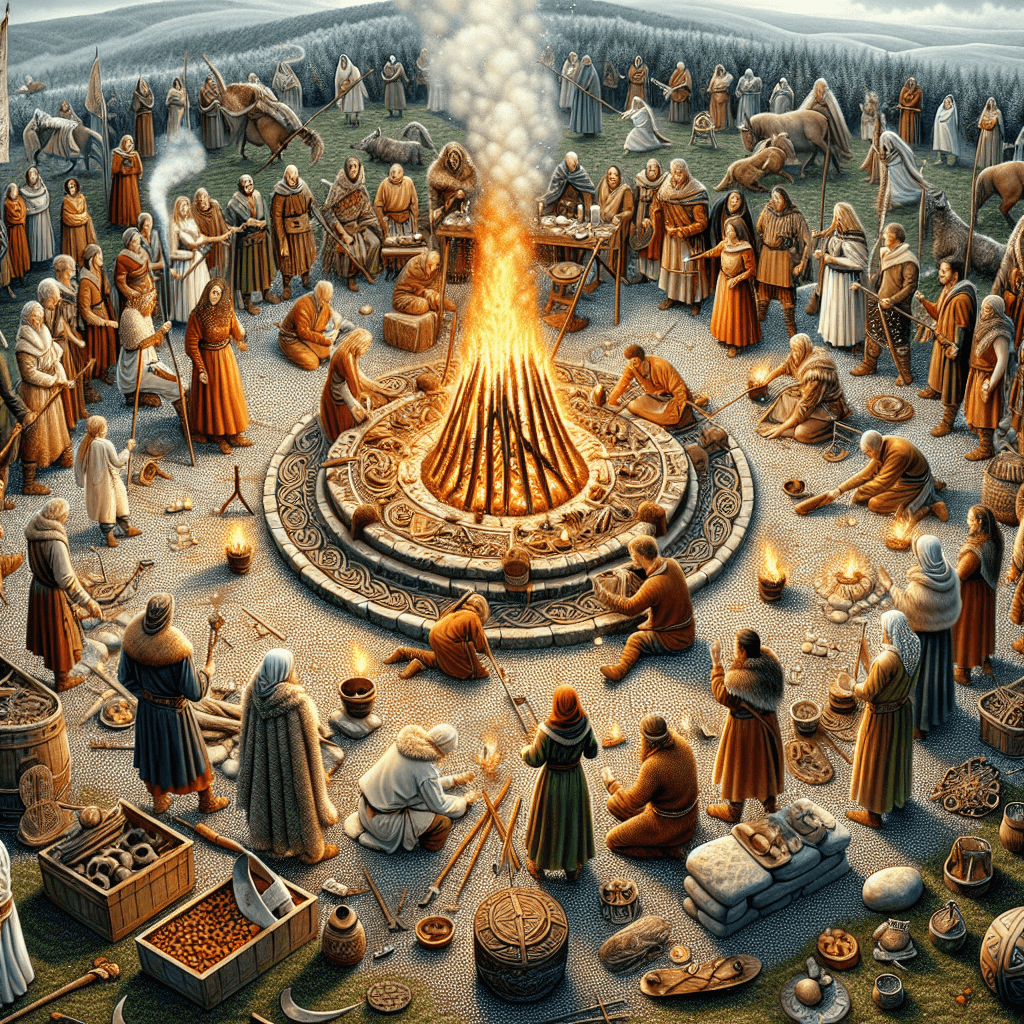

Modern Orthodox Easter traditions echo these ancient practices through flames lit in Jerusalem’s Church of the Holy Sepulchre and distributed to churches worldwide, demonstrating how the principle of shared sacred fire transcends specific religious boundaries. Celtic Need-fires represent another powerful example of community-based sacred flame ritual practices, where entire villages would extinguish all their fires and then ceremonially rekindle them from a single blessed source created through sacred friction or divine blessing. These newly lit flames were then used to bless holy wells, consecrate ritual tools, and provide each household with purified fire for the coming season or year.
Contemporary pagan practitioners reconstruct these keeper traditions through various means, maintaining altar candles for extended periods, participating in community fire-sharing rituals, and using candles as ongoing messages to deities and spiritual allies. The psychological and spiritual effects of tending perpetual flames create profound shifts in consciousness, as keepers develop intimate relationships with fire as a living spiritual entity rather than merely a tool or symbol. Regular flame-keeping practices require dedication, mindfulness, and safety consciousness, qualities that naturally develop spiritual discipline and deepen one’s connection to the sacred in daily life. Modern fire keepers often discover that maintaining sacred flames transforms their entire approach to spirituality, making them more attentive to subtle energies, natural cycles, and the continuous presence of the divine in ordinary moments.
Spiritual Flame Blessing Techniques
The art of blessing through sacred flame ritual practices involves sophisticated techniques for directing fire’s purifying and protective energies toward specific people, objects, situations, or intentions. Begin by focusing intently on a candle flame to charge your hands and surrounding space with purifying energy, allowing the fire’s light to fill your entire being with sacred power and divine connection. Visualization plays a crucial role in these techniques, particularly when working with colored flames that correspond to different spiritual purposes: red flames for faith and base chakra protection, blue flames for communication and throat chakra healing, purple flames for spiritual wisdom and crown chakra activation.
Deep breathing while gazing at flames helps ignite your inner fire, connecting your personal energy field to the universal fire element that burns throughout creation. Advanced practitioners learn to pass objects or participants through sacred smoke or near flames with precise intention, using their breath, specific chants, or spontaneous prayers to direct energy for healing, balancing, and spiritual elevation. Group blessing rituals create powerful sacred flame ritual practices where collective intention amplifies individual spiritual work, with participants forming circles around central fires or sharing flame between individual candles to create unified energy fields.
Solo practitioners develop equally potent techniques by invoking liminality through fire alongside representations of other elements—bowls of water, stones for earth, incense for air—creating complete elemental balance that supports deep spiritual transformation. The key to effective blessing work lies in raising energy non-invasively and then grounding it safely after the ritual, ensuring that spiritual power integrates smoothly into ordinary consciousness and daily life. Practitioners learn to recognize when their sacred flame ritual practices have achieved their intended goals through subtle signs like shifts in atmosphere, changes in the flame’s behavior, feelings of completion or release, and intuitive knowing that the blessing has been received and activated. These techniques require practice, sensitivity, and respect for fire’s power, but they offer profound opportunities for spiritual service, personal healing, and magical transformation that can benefit both practitioners and their communities.
As you explore these ancient yet timeless sacred flame ritual practices, remember that working with fire connects you to an unbroken lineage of spiritual seekers who understood flame as humanity’s gateway to the divine. What sacred flame ritual practices will you begin incorporating into your own spiritual journey to deepen your connection with this most primal and powerful element?
Related Items:

Lilly Dupres
Owner & AuthorLilly Dupres, a lifelong practitioner of paganism, established Define Pagan to offer a clear definition of paganism and challenge misconceptions surrounding modern pagan lifestyles.