How can I adapt Sabbat rituals for physical disabilities and mobility limitations while maintaining spiritual authenticity?
Accessible Sabbat Ritual Adaptations offer a powerful answer to this essential question that many practitioners face. The truth is, you can create deeply meaningful Sabbat celebrations that honor both your physical needs and spiritual practice through thoughtful modifications that preserve the sacred essence of each seasonal celebration. These adaptations focus on ensuring Pagan practitioners with physical disabilities, sensory sensitivities, and budget limitations can deeply engage with the Wheel of the Year celebrations while maintaining the spiritual significance unique to each Sabbat. The key lies in understanding that authentic spiritual practice comes from intention and connection rather than rigid adherence to traditional physical movements or expensive ritual tools.
Physical Accessibility Modifications

When creating accessible Sabbat celebrations, physical modifications form the foundation of inclusive practice. Start by reimagining your ritual space as a welcoming environment where every practitioner can participate fully regardless of mobility level. This means designing wheelchair-accessible altars at comfortable heights, ensuring clear pathways throughout the ritual area, and providing sturdy chairs or cushions for those who need seated options. Your altar setup should prioritize functionality over traditional aesthetics, with all essential tools within arm’s reach and lightweight alternatives to heavy ceremonial items. For practitioners who use wheelchairs, consider creating portable altar trays that can rest across their lap or attach securely to their chair, allowing them to maintain personal sacred space without strain.
The magic truly happens when you transform movement-intensive rituals into equally powerful seated or stationary practices. Instead of requiring participants to walk the circle, invite them to visualize their energy creating the sacred boundary while remaining in their chosen position. Replace traditional spiral dances with hand gestures that mirror the same energy patterns, or guide practitioners through visualization journeys that engage their spiritual bodies rather than demanding physical movement. Energy work becomes particularly valuable here, as practitioners can direct intention and power through breath, visualization, and subtle hand movements that require minimal physical effort yet maintain the ritual’s transformative potential. Remember that many practitioners find seated meditation and energy work even more powerful than physical movement, as it allows deeper focus on internal spiritual processes.
Consider how traditional Sabbat activities can be adapted without losing their meaning. For Beltane fertility rituals, practitioners can plant seeds in small pots from their seats rather than kneeling in garden beds. During Samhain ancestor honoring, photo displays can be arranged at wheelchair height, and memory sharing can happen in comfortable seating arrangements rather than standing circles. Lughnasadh bread baking can become a seated activity with lap tables and accessible cooking tools, while Yule log ceremonies can use smaller, manageable pieces that don’t require lifting heavy wood. The spiritual significance remains intact when you focus on the intention behind each action rather than the specific physical form it takes.
Sensory-Friendly Celebration Techniques
Sensory-friendly approaches to Sabbat celebrations recognize that spiritual connection happens through all our senses, not just sight. These techniques particularly benefit practitioners with visual impairments, hearing differences, autism, sensory processing disorders, and those who simply connect more deeply through non-visual experiences. Start by creating rich aromatic environments that reflect each Sabbat’s essence: pine and cinnamon for Yule, fresh flowers for Ostara, or apple and cinnamon for Mabon. These scents immediately transport practitioners into the seasonal energy without requiring complex visual setups or expensive decorations.
Sound becomes a powerful ally in accessible ritual design. Incorporate instruments that practitioners can hold and play themselves, such as small bells, shakers, or simple drums that work well from seated positions. Chanting and vocal work offer inclusive ways to raise energy, as every practitioner can participate at their own volume and comfort level. For those with hearing impairments, emphasize vibration through instruments they can hold against their body, or use visual cues like flickering candles to maintain rhythm and group connection. Recorded nature sounds can transport practitioners to outdoor settings when physical access to natural spaces proves challenging, creating immersive experiences that honor traditional outdoor celebrations.
Tactile elements add another layer of accessible engagement that often proves more memorable than purely visual experiences. Provide baskets of seasonal items for practitioners to explore through touch: smooth river stones for grounding exercises, textured bark pieces for tree connection rituals, or soft flower petals for blessing ceremonies. Temperature variations can enhance ritual experience through warm stones for summer Sabbats or cool water for purification rites. Texture becomes particularly important for practitioners with visual impairments, as they can identify and connect with different materials that represent various elements, deities, or seasonal energies through touch alone.
Creating quiet retreat spaces within your celebration area acknowledges that some practitioners need breaks from sensory stimulation to fully process their spiritual experience. These spaces should offer comfortable seating, dimmer lighting options, and distance from the main activity while still allowing practitioners to feel included in the overall celebration. This approach recognizes that neurodiverse practitioners often need different sensory environments at different times during ritual, and provides flexibility without requiring anyone to leave the sacred space entirely.
Budget-Conscious Ritual Alternatives
The Pagan Book of Days: A Guide to the Festivals, Traditions, and Sacred Days of the Year
View Product →Financial accessibility ensures that meaningful Sabbat celebrations remain available to practitioners regardless of economic circumstances. The most powerful ritual tools often cost nothing and come directly from nature or your own creative efforts. Collect stones, shells, pinecones, and fallen branches during walks to create seasonal altar decorations that carry the authentic energy of your local landscape. Water from your tap becomes sacred when blessed with intention, eliminating the need for expensive holy water or specialty ritual beverages. Candles from dollar stores burn just as brightly as costly beeswax versions when lit with genuine reverence and purpose.
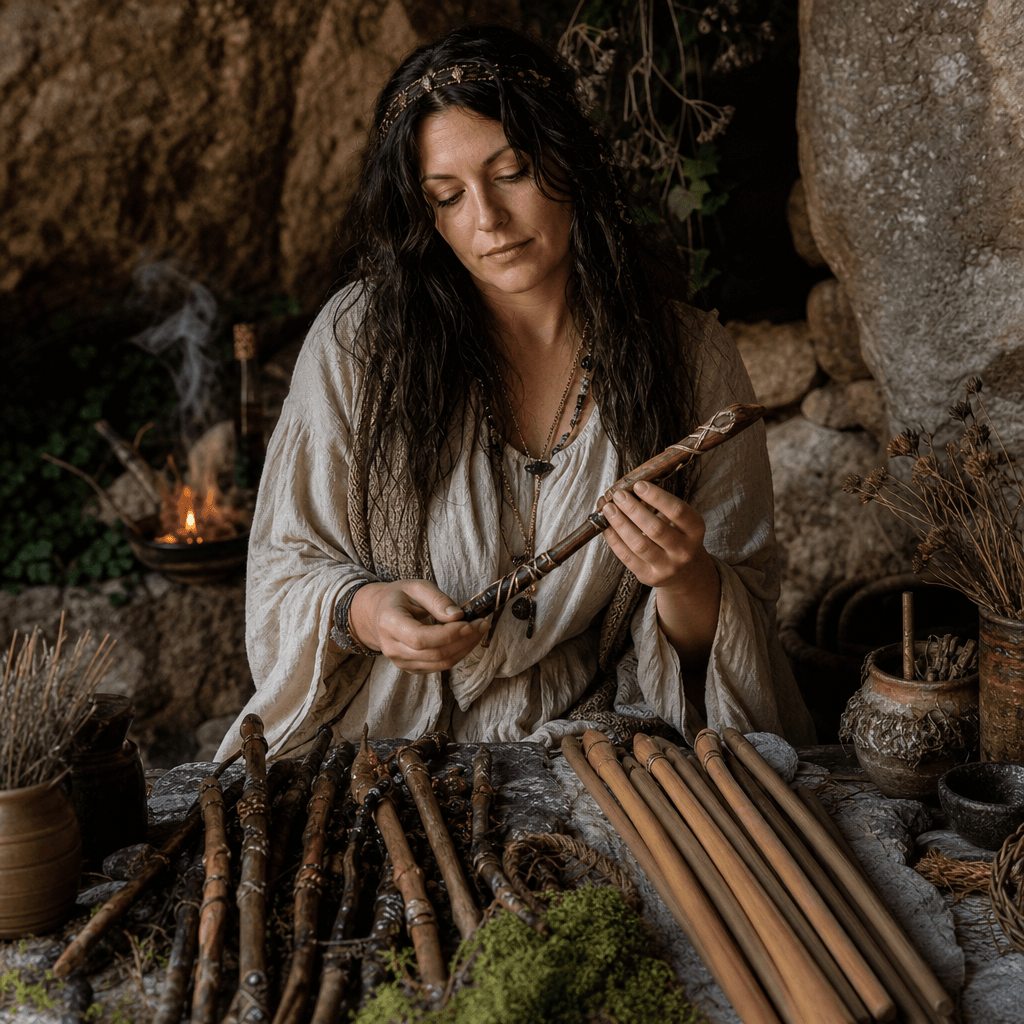
Handmade ritual tools often carry more personal power than expensive purchased items because they contain your own creative energy and intention. Craft your own wands from fallen tree branches, create pentacles from cardboard covered with aluminum foil, or sew simple altar cloths from fabric remnants. Salt for circle casting costs pennies compared to specialty ritual salts, and herbs from your kitchen spice rack work beautifully for most ceremonial purposes. Tea lights provide affordable illumination for extended rituals, while mason jars become elegant lanterns when filled with battery-operated fairy lights from discount stores.
Community resource sharing creates abundance from collective contributions while building stronger spiritual bonds between practitioners. Organize tool-lending circles where community members share rarely-used items like cauldrons, larger candles, or seasonal decorations rather than everyone purchasing their own. Group herb gardens provide fresh magical ingredients for multiple practitioners, while shared bulk buying reduces costs for incense, oils, and other regularly-used supplies. Skill sharing proves equally valuable, with experienced practitioners teaching candle-making, herb preparation, or tool crafting workshops that benefit everyone involved.
Digital resources expand access to guided meditations, Sabbat information, and community connection without requiring expensive books or workshop fees. Free online content provides seasonal rituals, correspondences, and celebration ideas that you can adapt to your specific needs and circumstances. Virtual community participation allows practitioners to share in group celebrations even when transportation, health issues, or financial constraints prevent in-person attendance. The key lies in remembering that your intention and spiritual focus matter far more than the monetary value of your ritual components or celebration space.
Guide Inclusive Wheel Year
Creating an inclusive approach to the Wheel of the Year means acknowledging that practitioners have diverse physical abilities, cultural backgrounds, geographical locations, and spiritual needs that all deserve accommodation within Sabbat celebrations. Flexible ritual frameworks provide structure while allowing individual adaptation, ensuring that traditional seasonal themes remain accessible regardless of personal limitations or circumstances. This approach recognizes that authentic spiritual practice grows from personal connection to seasonal energies rather than rigid adherence to specific ritual forms or historical practices that may not serve contemporary practitioners’ diverse needs.
Seasonal adaptations become essential when working with practitioners across different hemispheres, climate zones, or those who experience seasonal changes differently due to health conditions or living situations. For practitioners in the Southern Hemisphere, Yule occurs during summer solstice, requiring creative interpretation of traditional winter themes to match their actual seasonal experience. Urban practitioners may need to find ways to connect with seasonal shifts when surrounded by concrete rather than natural landscapes, while those in consistently warm climates might focus on subtle energy shifts rather than dramatic seasonal changes. Indoor practitioners can create meaningful seasonal connections through color schemes, foods, scents, and symbolic representations that bring outdoor energy into accessible indoor spaces.

The Wheel of the Year Companion: Rituals for Celebrating Pagan Festivals of the Season
View Product →Language inclusivity ensures that ritual scripts and guided meditations welcome practitioners regardless of their physical capabilities or spiritual background. Instead of instructions like stand and raise your arms, use phrases like position yourself comfortably and extend your energy upward. Replace assumptions about mobility with invitations for personal adaptation, such as move in whatever way feels right for your body or engage with this energy in your own authentic way. Gender-inclusive language acknowledges practitioners across the spectrum of gender identity, while culturally sensitive approaches honor the diverse backgrounds within contemporary Pagan communities.
Each Sabbat offers opportunities for adaptive celebration that maintains traditional spiritual significance while accommodating individual needs. Samhain ancestor honoring can happen through photo displays, memory sharing, or quiet meditation rather than requiring cemetery visits or elaborate altar setups. Imbolc purification rituals translate beautifully into accessible forms through candlelight meditation, intention-setting ceremonies, or simple water blessing rites that don’t require physical cleansing activities. Beltane fertility celebrations can focus on creative projects, goal-setting, or partnership blessing rather than traditional Maypole dancing, while still honoring the seasonal energy of growth and manifestation.
The beauty of inclusive Sabbat practice lies in discovering that accessibility modifications often deepen spiritual experience for all participants. When rituals focus on intention, energy work, and personal connection rather than complex physical requirements, practitioners often report more meaningful and transformative experiences. This approach honors the truth that spiritual authenticity comes from genuine engagement with seasonal energies and community connection rather than perfect execution of traditional forms.
Accessible Sabbat Ritual Adaptations create pathways for every practitioner to experience the sacred rhythms of the Wheel of the Year in ways that honor both their individual needs and the timeless spiritual significance of seasonal celebration. What specific adaptations would transform your own Sabbat practice into a more inclusive and accessible spiritual experience?