Runic Symbols for Altar Protection and Spiritual Guidance
Essential Protection and Guidance Runes
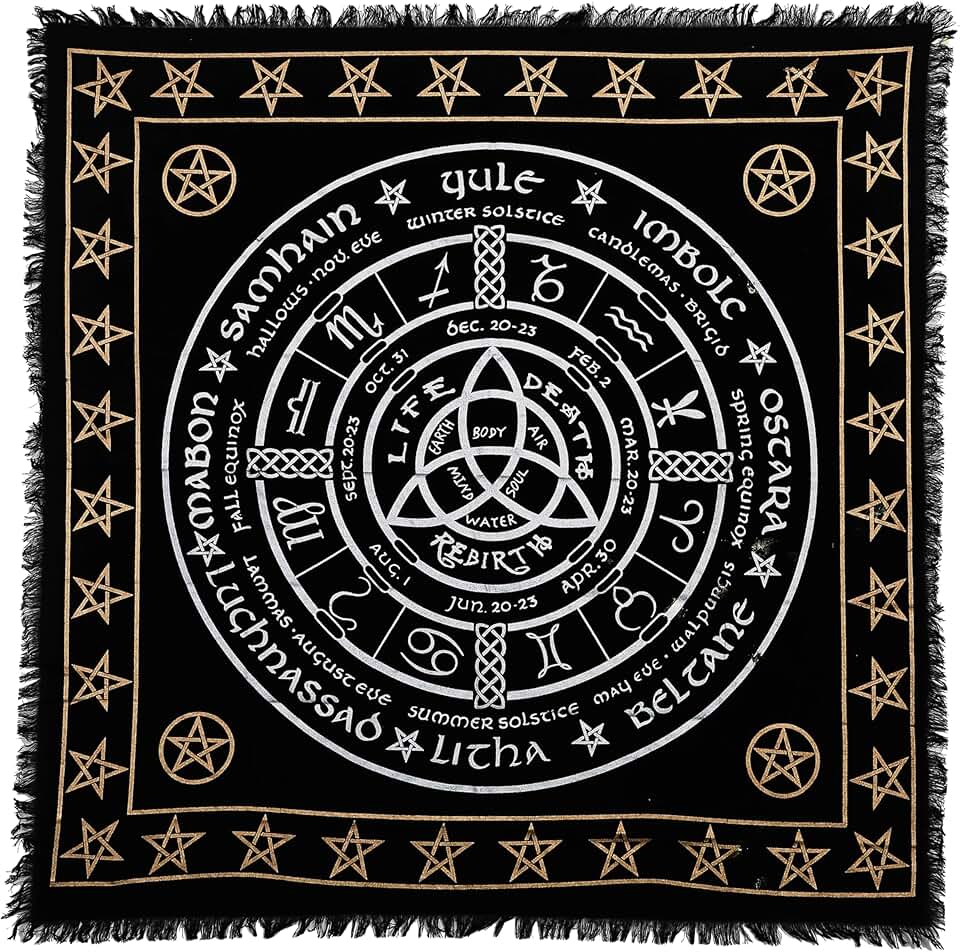
Indian Consigners Altar Cloth Pagan Wheel Witchcraft Alter Tarot Spread Top Cloth Wiccan Square Spiritual 36 by 36 Sacred Pagan Wheel
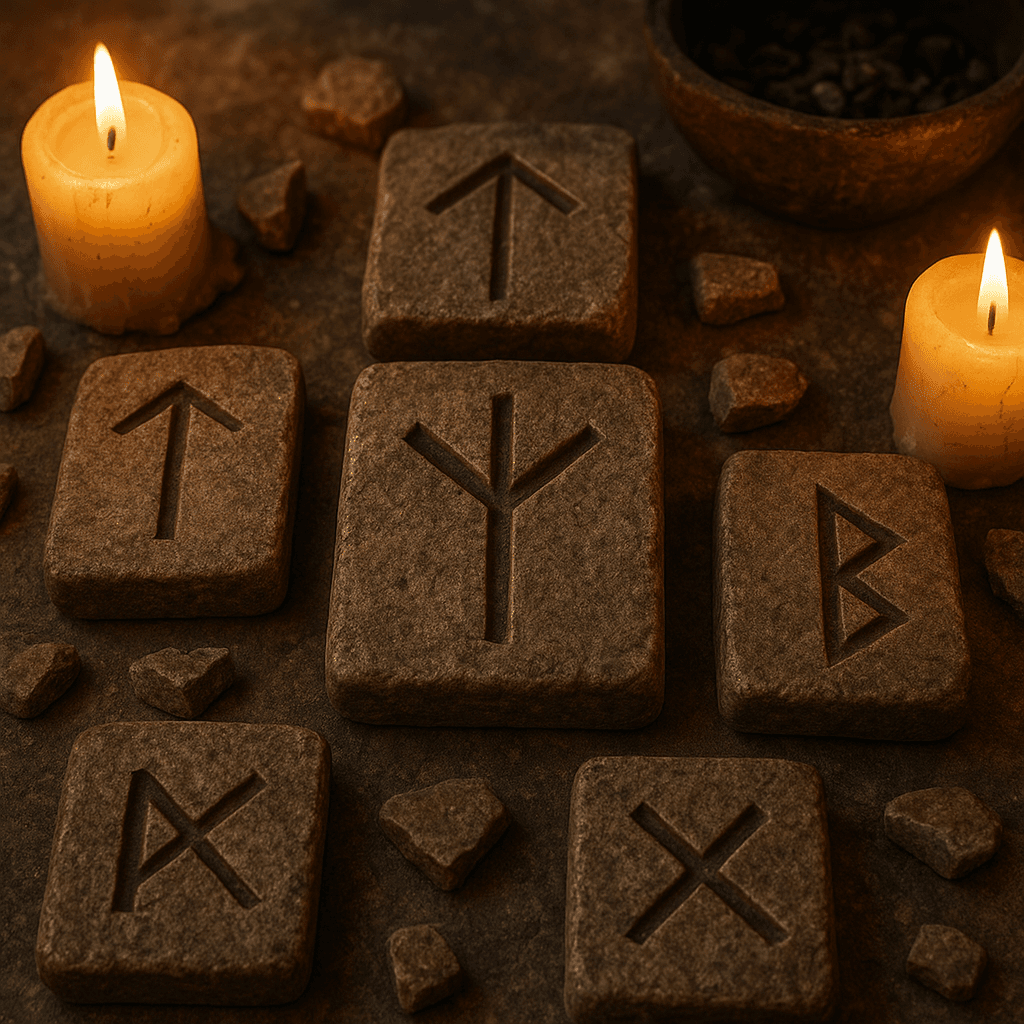
View Product →For powerful protection, position Algiz at the center of your sacred space. This ancient symbol resembles elk antlers reaching toward the heavens and creates a protective barrier around your altar. Thurisaz works alongside Algiz to deflect chaotic energies back to their source, while Uruz adds raw strength to your defenses. For spiritual guidance, Ansuz opens direct communication channels with divine wisdom and Odin’s knowledge. Place these runic symbols for altars strategically to create an energetic foundation for your magical practice.
Eihwaz connects you to the cosmic World Tree and provides balance during spiritual work. This yew-associated rune helps you access deeper wisdom while maintaining grounding in your physical form. Combine protection and guidance runes in bindrune formations by overlapping their forms on altar stones or carved wooden pieces. The combination of Algiz, Thurisaz, and Uruz creates a triple-layered shield that both repels negativity and strengthens your spiritual resolve. Meanwhile, pairing Ansuz with Eihwaz amplifies your connection to ancestral wisdom and divine messages.
Position your protective runes at the cardinal directions around your altar space. Algiz faces north for stability and endurance, Thurisaz guards the east for new beginnings, Uruz protects the south for passion and energy, while your guidance runes occupy the western position for intuition and wisdom. This arrangement creates a complete energetic circuit that supports both protection and spiritual development. Your altar becomes a fortress of sacred energy where you work safely with powerful forces and receive clear divine communications.
Ancient Rune Meanings Explained
The Elder Futhark system contains twenty-four symbols that emerged between 150 and 800 CE as both alphabet and magical system. Each rune carries specific energetic properties rooted in Germanic spiritual traditions and natural forces. Algiz derives its power from the elk, whose impressive antlers symbolize protection and connection between earthly and heavenly realms. The symbol’s upward-reaching form channels protective energy from above while grounding it in your sacred space. Ancient practitioners carved Algiz into shields, amulets, and doorframes to ward off harmful intentions and malevolent spirits.
Ansuz connects directly to Odin’s wisdom and divine communication. This rune represents the breath of the gods, spoken wisdom, and inspired knowledge that flows from higher realms into human consciousness. Norse mythology describes Odin’s eight-legged horse Sleipnir carrying messages between worlds, and Ansuz serves a similar function on your altar. The rune opens pathways for receiving guidance during meditation, divination, or ritual work. It transforms your altar into a communication station where divine wisdom flows freely into your awareness.
Thurisaz embodies the giant’s power but directed through wisdom rather than chaos. While giants in Norse mythology often represented destructive forces, Thurisaz teaches you to channel that raw power constructively. The rune resembles a thorn, sharp and defensive, ready to pierce through illusions and protect against deception. On your altar, Thurisaz acts as an active guardian that doesn’t simply block negative energy but transforms it into useful power. This transformation process makes Thurisaz particularly valuable for practitioners who work with shadow aspects or challenging spiritual territory.
Eihwaz represents the yew tree’s connection to death, rebirth, and eternal wisdom. The yew’s extraordinary longevity, sometimes spanning thousands of years, makes it a symbol of enduring spiritual knowledge and connection to ancestral wisdom. This rune helps you access memories stored in your spiritual lineage and understand patterns that span multiple lifetimes. Eihwaz bridges the gap between conscious and unconscious knowledge, making hidden wisdom available during your altar work. The rune’s energy supports transformation processes and helps you navigate major spiritual transitions with grace and understanding.
Uruz channels the aurochs’ untamed strength and primal life force. This extinct wild ox represented raw power, courage, and the will to survive in ancient European cultures. The rune brings that same fierce determination to your spiritual practice and strengthens your ability to manifest desired changes. Uruz energy supports healing work, personal empowerment rituals, and any magical operations requiring sustained effort and determination. When placed on your altar, this rune energizes all other symbols and amplifies their effects through its concentrated life force.
Creating Sacred Runic Displays
Your altar display should reflect both aesthetic beauty and energetic function. Arrange runic symbols for altars in patterns that support your specific magical goals while creating visual harmony in your sacred space. Start with a central protection symbol like Algiz, then position complementary runes at measured distances around it. The spacing between symbols creates energetic connections that amplify each rune’s individual power while building a cohesive magical framework. This geometric approach follows ancient Nordic practices where rune placement followed specific proportional relationships.
Stone provides an excellent medium for runic altar displays because it holds energy patterns for extended periods. Select stones with natural flat surfaces for carving or painting runes, choosing materials that resonate with your spiritual goals. Granite offers durability and grounding energy, while slate provides a smooth surface for detailed symbol work. River stones carry flowing water energy that supports communication and guidance work, making them ideal foundations for Ansuz and Eihwaz displays. Each stone becomes a permanent energetic anchor that maintains your altar’s power even when you’re away from your sacred space.

Wood connects your runic symbols directly to living tree energy and natural cycles. Different wood types offer distinct magical properties that enhance specific runes. Oak supports strength and endurance, making it perfect for Uruz and Thurisaz displays. Ash wood connects to Yggdrasil and amplifies Eihwaz’s cosmic wisdom properties. Pine provides protection and purification energy that works beautifully with Algiz arrangements. When carving runes into wood, work with the grain rather than against it to maintain the wood’s natural energy flow and ensure your symbols integrate smoothly with the material’s inherent properties.
Bindrune creation combines multiple symbols into single powerful designs that focus your magical intentions. Layer complementary runes by overlapping their vertical or horizontal elements while maintaining each symbol’s essential form. A protection bindrune might combine Algiz’s upward reach with Thurisaz’s pointed defense and Uruz’s curved strength, creating a unified symbol that carries all three energies. Guidance bindrunes blend Ansuz’s divine communication with Eihwaz’s cosmic connection, forming integrated symbols that open multiple wisdom channels simultaneously. Practice drawing bindrunes before carving them permanently to ensure the combined symbols feel energetically balanced.
Metal runic displays offer durability and conductive properties that enhance energy transmission between symbols. Copper conducts both electrical and magical energy effectively, making it ideal for creating connected runic arrays where energy flows between multiple symbols. Silver resonates with lunar and intuitive energies that amplify guidance runes like Ansuz and Eihwaz. Iron provides grounding and protection that strengthens defensive runes while offering historical authenticity to your practice. Engrave runes into metal surfaces using appropriate tools, then fill the carved lines with contrasting materials to make the symbols more visible during ritual work.
Norse Viking-Inspired Altar Tables
Viking Age practitioners created altar spaces that served both daily spiritual needs and special ceremonial functions. Archaeological evidence from Scandinavian sites reveals ritual spaces with runic inscriptions carved directly into wooden surfaces and stone foundations. These permanent installations created dedicated sacred areas where the runes’ energy accumulated over time through repeated use. Modern pagan altar tables continue this tradition by incorporating Elder Futhark symbols into the table structure itself, making the entire surface a magical tool rather than simply a platform for holding ritual objects.
The size and height of your altar table affects how runic energy flows through your sacred space. Traditional Nordic proportions favor rectangular tables with length measurements that follow sacred number sequences like multiples of three, seven, or nine. A table measuring three feet by nine feet creates a powerful framework for runic arrangements while providing adequate space for ritual tools and offerings. The table height should allow you to work comfortably while maintaining proper energetic connection to the runic symbols carved into its surface.
Surface preparation for runic altar tables requires careful attention to wood grain direction and natural energy flow. Sand the surface smooth enough for comfortable ritual use while preserving enough texture to show the wood’s natural character. Map out your runic design before beginning any carving work, ensuring that protection symbols like Algiz occupy positions where they guard the table’s primary working areas. Guidance runes like Ansuz belong near the table’s center where you sit during meditation or divination work. This thoughtful placement creates an energetic landscape that supports various magical activities.
Finishing techniques for runic altar tables should enhance both durability and spiritual function. Natural oil finishes allow the wood to breathe while protecting against moisture damage from candle wax, ritual liquids, and regular cleaning. Apply finish in thin layers, allowing complete drying between coats to build up protection gradually. Some practitioners prefer leaving runic carvings unfinished so they absorb oils from hands during ritual use, creating personal energetic connections between practitioner and symbols. This approach requires more maintenance but develops stronger magical bonds over time.
Integration of Elder Futhark symbols into altar table design goes beyond simple surface carving. Consider routing runic channels that hold ritual candles, creating three-dimensional symbols that combine light with carved form. Inlay contrasting wood types into runic shapes for visual impact and energetic diversity. Birch inlays in oak tables add lunar energy to solar wood, while walnut inlays in pine create grounding elements within protective energy. These complex techniques require advanced woodworking skills but produce altar tables that function as complete magical systems rather than simple furniture pieces.
Carving Runes Into Wood
Wood selection determines both the physical success of your carving project and its spiritual effectiveness. Yew wood offers the strongest connection to traditional runic practice because ancient practitioners associated this tree with death, rebirth, and magical wisdom. However, yew’s toxicity requires careful handling and proper ventilation during carving work. Oak provides excellent carving properties with strong protective energy that enhances defensive runes like Algiz and Thurisaz. The wood’s tight grain holds fine detail while its spiritual associations with strength and endurance amplify runic power over time.
Ash wood connects directly to Yggdrasil mythology and works especially well for guidance runes like Ansuz and Eihwaz. Its relatively soft texture allows detailed carving work while maintaining durability for long-term altar use. Birch offers smooth carving properties and lunar energy connections that support intuitive and communication work. Pine provides accessible carving material with protective and purifying properties, though its resin content requires careful tool maintenance during extended carving sessions. Each wood type brings distinct energetic qualities that should match your intended runic applications.
Tool preparation and maintenance ensure clean, precise runic carvings that capture each symbol’s essential energy. Sharp carving knives produce clean cuts that don’t tear wood fibers or create rough edges that collect dust and debris. V-shaped carving tools work well for runic lines, while small gouges help create curved elements in symbols like Uruz and Eihwaz. Keep tools sharp through regular honing and avoid forcing cuts that might slip and damage your work. Clean tools between different runic symbols to prevent energetic mixing that could confuse your magical intentions.
Carving technique affects both visual appearance and energetic potency of your runic symbols. Begin each stroke at the symbol’s energetically strongest point and cut in the direction that energy naturally flows. For Algiz, start at the base and cut upward toward the branching arms, following the protective energy’s natural movement from earth to sky. Ansuz carving should begin at the vertical line’s top, representing divine wisdom flowing downward into human consciousness. This directional awareness creates runic symbols that feel energetically correct and function more effectively in magical applications.
Finishing carved runes requires balance between protection and energetic accessibility. Light sanding removes splinters and rough edges while preserving the carving’s hand-worked character that connects it to ancient traditions. Some practitioners fill carved lines with colored wax or paint to make symbols more visible, though this approach can interfere with the wood’s natural energy patterns. Natural oil finishes protect against moisture while allowing the wood to maintain its living connection to tree energy. Regular re-oiling keeps carved runes looking their best while maintaining the wood’s spiritual receptivity to your magical intentions.
The process of carving runic symbols for altars creates a meditative practice that deepens your connection to each symbol’s meaning and power. Work slowly and mindfully, focusing on the rune’s spiritual significance rather than rushing toward completion. This contemplative approach allows the symbol’s energy to integrate with your personal magical system while you create its physical form. The finished carved runes carry both the wood’s natural energy and the focused intention you invested during their creation, making them uniquely attuned to your spiritual practice and altar work.
Which runic symbols call to your spirit, and how will you incorporate their ancient wisdom into your modern pagan practice?
Related Items:

Lilly Dupres
Owner & AuthorLilly Dupres, a lifelong practitioner of paganism, established Define Pagan to offer a clear definition of paganism and challenge misconceptions surrounding modern pagan lifestyles.