Traditional Steps Involved in Performing Ancestral Binding Oath Ceremonies for Family Protection
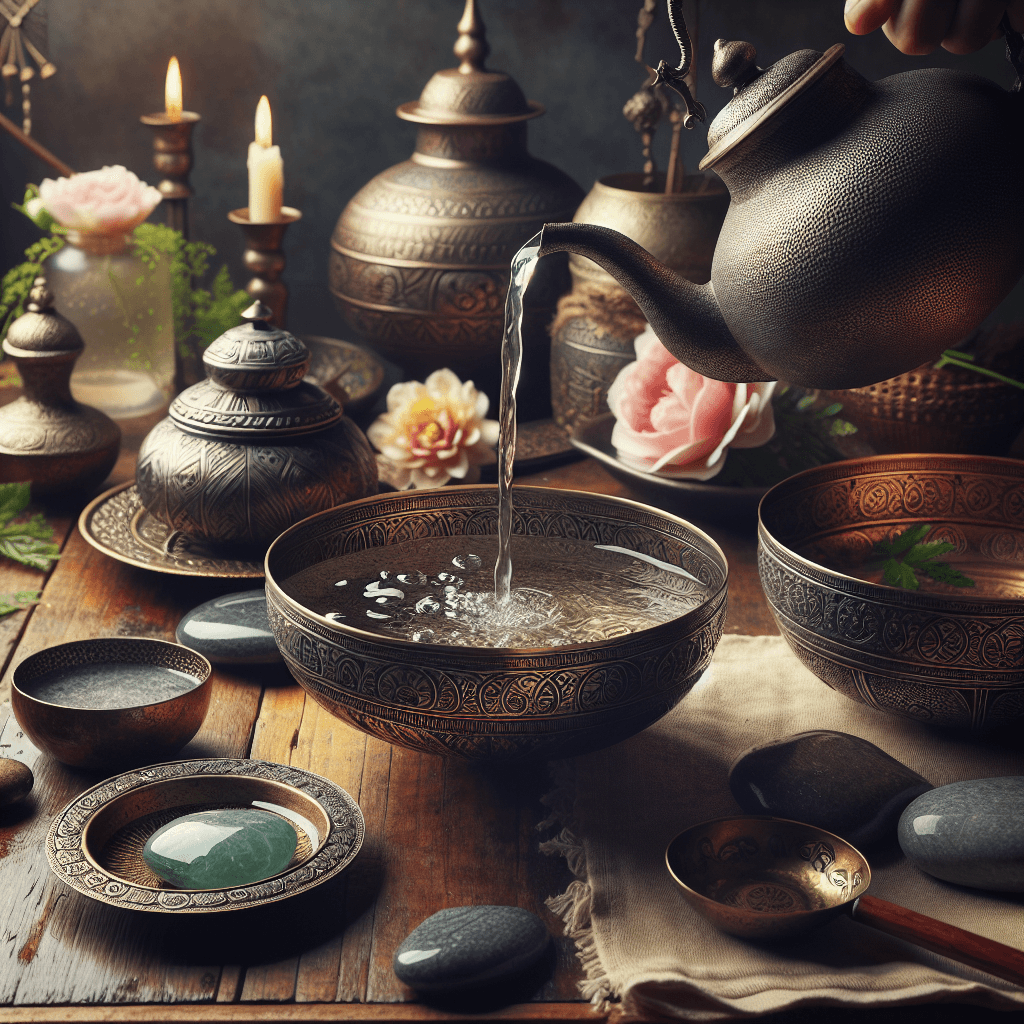
Ancestral Binding Oath Ceremonies represent one of the most profound spiritual practices available to modern pagans seeking to forge unbreakable connections with their lineage while establishing protective bonds for their families. These sacred rituals typically begin with the careful preparation of sacred space through cleansing and the establishment of protective boundaries. The practitioner must first research their family line to identify specific ancestors who demonstrated strength, wisdom, or protective qualities that align with the ceremony’s purpose. The next crucial step involves creating an ancestor altar featuring photographs, personal items, or symbols representing these chosen family members. Participants then enter a meditative state to open communication channels with the ancestral realm, often using divination tools or trance work to confirm the ancestors’ willingness to participate in the binding. The actual oath-taking requires the practitioner to speak aloud their commitments while holding symbolic objects that represent both the living family members seeking protection and the ancestors being called upon. Throughout this process, offerings of food, drink, or incense are presented to honor the spirits and demonstrate respect for their continued guidance. The ceremony concludes with the sealing of the oath through symbolic actions such as lighting candles, burying ritual objects, or creating permanent talismans that will serve as ongoing connections to the ancestral protection. Modern practitioners often incorporate elements from multiple traditions, adapting ancient techniques to meet contemporary family needs while maintaining the essential spiritual integrity that makes these ceremonies so powerful. The binding aspect ensures that the protection extends beyond a single ritual moment, creating lasting energetic connections that strengthen over time through regular acknowledgment and renewal practices.
Ancient Ritual Origins

The roots of Ancestral Binding Oath Ceremonies stretch deep into humanity’s earliest spiritual practices, emerging from cultures that understood the thin veil between the living and the dead as a source of strength rather than fear. Archaeological evidence suggests that oath-making ceremonies involving ancestors developed independently across numerous ancient civilizations, from the Celtic tribes of pre-Roman Europe to the shamanic traditions of indigenous peoples worldwide. Norse oath traditions particularly exemplify this ancient practice, emerging as solemn covenants by the 9th century that utilized oath rings as powerful symbols of allegiance and spiritual connection. These early ceremonies recognized that the dead maintained active roles in protecting and guiding their descendants, requiring formal agreements to establish clear communication channels and mutual obligations. Ancient practitioners understood that successful ancestral binding required more than simple requests for help; these rituals demanded genuine commitment from the living to honor their lineage through ethical behavior, cultural preservation, and ongoing spiritual practices.
The generational nature of these oaths meant that entire family lines could benefit from a single well-performed ceremony, creating protective networks that spanned multiple lifetimes. Archaeological discoveries of ritual burial sites containing oath rings, ceremonial weapons, and ancestor figurines demonstrate the material culture surrounding these practices. Ancient texts from various traditions describe the careful timing of these ceremonies, often performed during liminal periods such as seasonal transitions, family crises, or before major life changes when ancestral guidance proved most crucial. The spiritual technology behind these rituals relied on the understanding that consciousness persists beyond physical death, allowing deceased family members to maintain protective watch over their living descendants. Modern practitioners draw from these ancient foundations while adapting the ceremonies to contemporary spiritual needs and cultural contexts.
Historical Oath Practices
Historical oath practices across Indo-European cultures reveal sophisticated ceremonial frameworks that modern pagans can adapt for contemporary Ancestral Binding Oath Ceremonies. In Norse culture, oaths functioned as generational family obligations where individual commitments automatically bound descendants to the same spiritual contracts across multiple generations. This understanding transforms modern ancestral work from simple communication attempts into serious spiritual agreements with lasting consequences for entire family lines. Viking oath ceremonies involved complex invocations of Norse gods as divine witnesses, ensuring that both living and dead participants remained accountable to cosmic forces greater than themselves. These historical practices emphasized public declaration of commitment, recognizing that witnessed oaths carried greater spiritual weight than private promises. The community aspect of traditional oath-taking created collective support systems where entire tribes or clans shared responsibility for maintaining ancestral connections.
Historical records describe elaborate preparation periods where participants underwent purification rituals, fasting, and spiritual counseling to ensure their readiness for such profound commitments. Germanic and Celtic traditions required oath-takers to demonstrate their worthiness through acts of courage, wisdom, or service before ancestors would accept their binding requests. Medieval texts describe the use of sacred objects during oath ceremonies, including ancestral weapons, family heirlooms, and specially crafted ritual tools that served as conduits for spiritual energy. The binding nature of historical oaths meant that breaking these spiritual contracts resulted in severe consequences, including loss of ancestral protection, family exile, or supernatural punishment. Ancient practitioners recognized that successful oath-taking required thorough understanding of family history, including both the virtues and shadows of ancestral figures being invoked. These historical frameworks provide modern pagans with proven methodologies for establishing authentic spiritual connections while avoiding the cultural appropriation that can weaken ceremonial effectiveness.
Traditional Ceremony Elements

Traditional ceremony elements form the structural backbone of effective Ancestral Binding Oath Ceremonies, providing time-tested frameworks that channel spiritual energy toward family protection and ancestral connection. The structured stages of historical oath ceremonies included invoking gods or spiritual forces as divine witnesses, ensuring that supernatural powers oversaw the creation and maintenance of binding agreements between living and dead family members. Public declaration before the community created accountability structures that extended beyond individual practitioners to include their entire spiritual support network. The recitation of vows aloud served multiple purposes: clarifying the practitioner’s intentions, creating vibrational frequencies that reached into the ancestral realm, and establishing clear parameters for the ongoing relationship between living descendants and protective spirits. Exchange of rings, tokens, or sacred objects provided tangible anchors for intangible spiritual connections, allowing participants to maintain physical reminders of their ancestral bonds throughout daily life.
Modern pagan ceremonies have adapted these traditional elements to include handfasting techniques where practitioners bind their hands or wrists with cords or ribbons while speaking their oaths, symbolically connecting themselves to their ancestral line. Candle lighting serves both practical and spiritual purposes, illuminating sacred space while creating focal points for meditation and energy direction. The presence of witnesses, whether human community members or spiritual beings, adds gravity and authenticity to the ceremonial experience. Traditional elements also included specific timing considerations, with many ceremonies performed during full moons, seasonal transitions, or family anniversaries when the connection between worlds naturally strengthened. The integration of family-specific symbols, such as clan tartans, ancestral photographs, or inherited jewelry, personalizes generic ceremonial frameworks to create unique spiritual experiences. These traditional elements work synergistically to create ceremonial containers strong enough to hold the powerful energies generated during successful ancestral binding work while providing enough flexibility for individual adaptation.
Cultural Binding Traditions
Cultural binding traditions across world spiritual systems offer modern pagans diverse approaches to Ancestral Binding Oath Ceremonies while highlighting universal human needs for family protection and intergenerational wisdom. Blood oaths and blood bonds represent some of the most powerful historical practices used to seal spiritual pacts, though contemporary practitioners typically substitute red wine or mead to achieve similar symbolic effects without potential health risks. These substitutions maintain the essential spiritual symbolism while adapting ancient practices to modern safety standards and legal requirements. African diaspora traditions contribute sophisticated ancestor veneration techniques that emphasize ongoing relationship maintenance rather than single ceremonial events, recognizing that effective ancestral binding requires consistent attention and regular renewal practices. Asian spiritual systems provide detailed protocols for honoring deceased family members through specific offerings, seasonal celebrations, and family shrine maintenance that can enhance Western pagan approaches to ancestral work.

The Pagan Book of the Dead: Ancestral Visions of the Afterlife and Other Worlds
View ProductIndigenous traditions worldwide demonstrate the integration of ancestral binding with land-based spiritual practices, showing how family protection connects to broader ecological and cosmic relationships. The community framework aspect of cultural binding traditions emphasizes that individual family protection often depends on larger tribal or clan spiritual health, encouraging modern practitioners to consider their ceremonial work within broader social contexts. Mediterranean traditions offer sophisticated magical techniques for creating protective talismans and amulets that serve as ongoing focal points for ancestral energy, extending ceremonial benefits beyond the ritual moment into daily life. Scandinavian cultural traditions demonstrate how ancestral binding ceremonies integrate with seasonal celebrations, creating annual renewal cycles that maintain spiritual connections across changing life circumstances. The spiritual and emotional elements within community frameworks show how successful ancestral work requires both personal commitment and social support systems that honor the ongoing nature of family protection work. These diverse cultural approaches provide modern practitioners with rich resource libraries for developing personal ancestral binding practices that honor their specific heritage while meeting contemporary spiritual needs.
Ready to deepen your connection with your ancestral line and create lasting protection for your family through Ancestral Binding Oath Ceremonies? What aspects of your family history are calling you to explore this powerful spiritual practice?
Related Items:

Lilly Dupres
Owner & AuthorLilly Dupres, a lifelong practitioner of paganism, established Define Pagan to offer a clear definition of paganism and challenge misconceptions surrounding modern pagan lifestyles.