What is the Spiritual Significance of Goddess Vesta Sacred Flames in Modern Pagan Practice?
The sacred flames of Vesta represent far more than simple fire worship—they embody the eternal divine spark that burns within each of us, serving as a bridge between ancient Roman spirituality and contemporary pagan traditions. These flames symbolize the presence of Spirit itself, offering spiritual focus, representing eternity and the soul while providing powerful protection for both home and state. In today’s pagan community, practitioners connect with Vesta’s sacred flames as a means of nurturing their spiritual and emotional well-being, creating stability and warmth in their daily practice.
The flames serve as a focal point for meditation and ritual work, helping modern pagans establish a sacred center in their homes much like the ancient Romans did with their hearth fires. This connection transcends mere historical interest—it represents a living tradition that adapts the ancient focus on hearth and home for personal centering and protection in our modern world. The divine feminine energy of Vesta continues to resonate with those seeking to honor the sacred fire within themselves while maintaining the protective qualities that shield both personal space and community. Contemporary practitioners find that working with Goddess Vesta Sacred Flames creates a powerful foundation for their spiritual practice, connecting them to an unbroken lineage of fire worship that spans millennia and continues to burn brightly in the hearts of modern devotees.
Ancient Roman Fire Rituals
The ancient Romans understood that fire was not merely a physical element but a living manifestation of divine energy, and nowhere was this more evident than in the sacred rituals surrounding Goddess Vesta Sacred Flames. Vesta’s eternal fire burned continuously in her circular temple in the Roman Forum, never allowed to die out under penalty of severe consequences for the priestesses responsible for its care. The Vestal Virgins who tended this sacred flame took thirty-year vows of chastity, understanding that their personal sacrifice ensured the prosperity and protection of Rome itself. The extinction of this sacred fire was considered such a grave offense that it brought punishment including whipping and other severe consequences, highlighting just how seriously the Romans took their fire magic rituals.
The preparation of offerings to feed these sacred flames followed specific protocols that modern practitioners can still learn from today. On June 7th each year, the Vestal Virgins would prepare mola salsa, a sacred bread made from consecrated salt and water drawn from sacred springs, then baked in the ashes of Vesta’s own hearth fire. This marked the beginning of Vestalia, the festival dedicated to Vesta that lasted from June 7th through 15th, during which Roman women were granted rare access to the inner sanctum of the temple for special rituals. The festival culminated on June 15th with elaborate purification ceremonies that cleansed both the temple and the city.
Throughout these rituals, the Vestal Virgins maintained their sacred duties by burning specific incense including frankincense and pinecones, creating aromatic offerings that carried prayers upward with the smoke. They also made regular offerings of bread and salted flour during meals, ensuring that the sacred flames were continually fed and honored. These ancient Roman fire rituals demonstrate a sophisticated understanding of fire magic that modern pagans can adapt for their own practice, recognizing that the physical act of tending flame creates a spiritual connection between the practitioner and the divine energy represented by Goddess Vesta Sacred Flames.
Vestal Virgins Sacred Feminine Authority
The Vestal Virgins represent one of history’s most fascinating examples of sacred feminine authority within a patriarchal society, wielding power that stemmed directly from their connection to Goddess Vesta Sacred Flames. Selected before puberty from noble Roman families, these six priestesses were completely freed from traditional family obligations and legal constraints that bound other women of their time. Under the supervision of the pontifex maximus, they gained unprecedented rights and privileges that set them apart from all other women in Roman society.
Their authority was both practical and mystical—they could own property, make wills, vote on important matters, and enjoyed prime seating at public games and events. Perhaps most remarkably, their testimony in legal proceedings required no oath because their word was considered inherently sacred and truthful. They served as guardians of crucial state documents and wielded the extraordinary power to pardon condemned prisoners or free slaves simply through their touch or even their sight. This sacrosanct status meant that anyone who assaulted a Vestal Virgin could be killed without legal consequence, and even high-ranking officials showed their respect by lowering their fasces when encountering these priestesses.
However, this power came with absolute responsibility—violations of their sacred vows, particularly breaking their chastity, resulted in being buried alive while their partners faced execution. The Vestal Virgins embodied the sacred flames they tended, becoming living representations of Vesta’s power and protection. Their unique position demonstrates how the goddess’s fire magic could elevate women beyond conventional social limitations, granting them authority that stemmed from their role as vessels for divine energy. This blend of autonomy within male oversight created a complex dynamic that modern practitioners can study to understand how sacred feminine authority operates within structured religious systems. The Vestal Virgins showed that connection to Goddess Vesta Sacred Flames could transcend ordinary social boundaries, creating space for women to wield real power in service to both divine and civic responsibilities.
Temple Flame Symbolic Meaning
The symbolic meaning embedded within Goddess Vesta Sacred Flames reveals layers of spiritual significance that continue to resonate with modern practitioners seeking deeper connection to fire magic traditions. Ancient sources describe Vesta’s essence with the profound statement that she was fire and that fire was she, indicating a complete unity between goddess and element that transcends typical anthropomorphic representations. Unlike other Roman deities who were frequently depicted in human form, Vesta appeared most commonly as fire itself, contained within a protective circle that signified her eternal nature and boundless spiritual energy.
This flame represented eternity, the soul, spiritual focus, family unity, and the formless divine spark that animates all life. The circular temple that housed her sacred fire mirrored the magical circles used by practitioners for safekeeping and energy magnification, creating a physical structure that amplified spiritual power. The Latin word focus, meaning hearth, gives us our modern understanding of concentrated attention and purpose, linking the physical act of tending fire with the mental discipline required for spiritual practice. This connection between the hearth fire and focused consciousness demonstrates how Goddess Vesta Sacred Flames served as a bridge between personal sacred space and communal protection, uniting individual souls with collective spiritual wellbeing.
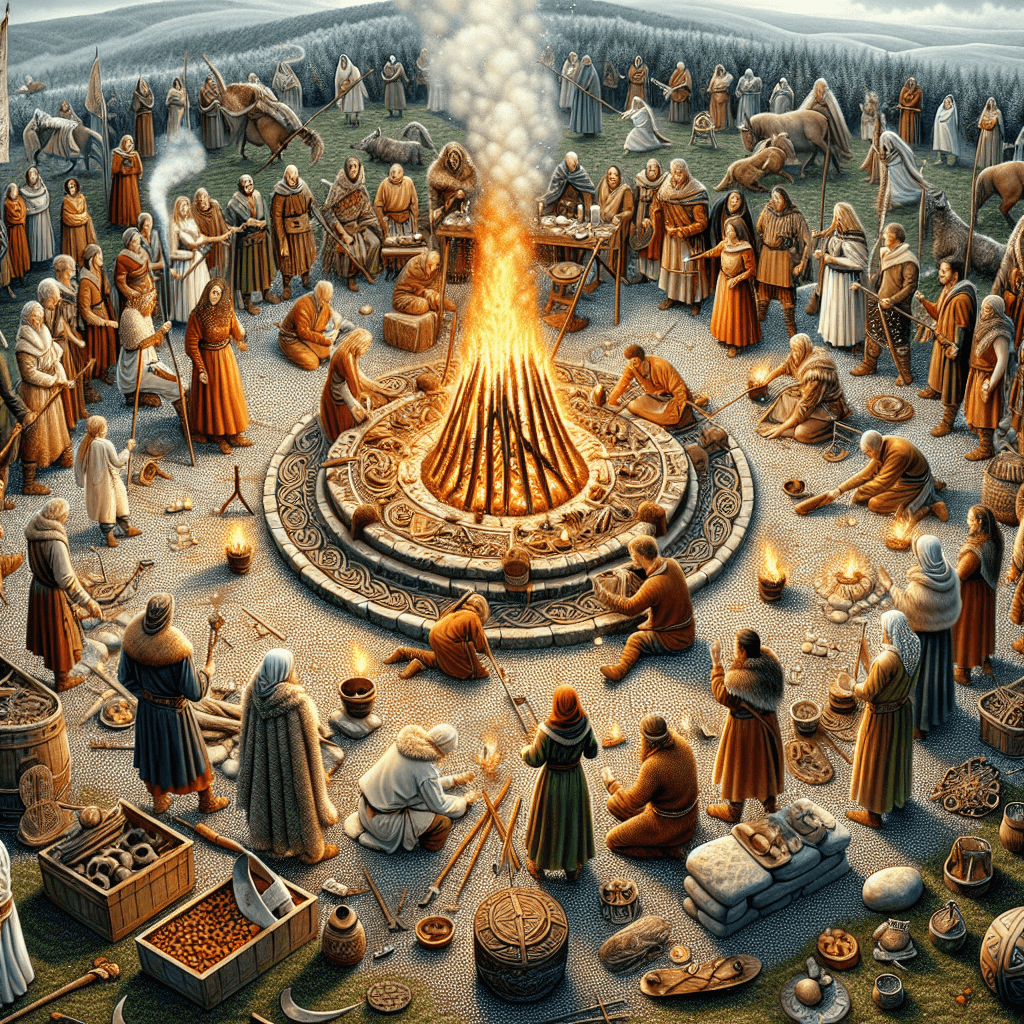


The symbolism extends to represent creative inner divinity, the purifying power of flame, and the harmony that emerges from balanced spiritual practice. The flame also embodies the fascinating duality of procreative energy held in perfect tension with chastity, showing how sexual power can be transformed into spiritual force when properly channeled. This symbolic complexity makes Vesta’s fire particularly relevant for modern pagans exploring themes of personal empowerment, spiritual transformation, and the sacred feminine. The protective circle surrounding her flame teaches us about creating boundaries around our spiritual practice while allowing the divine energy within to burn freely. Understanding these symbolic meanings helps contemporary practitioners work more effectively with fire magic, recognizing that Goddess Vesta Sacred Flames represent not just a historical curiosity but a living system of spiritual symbolism that can guide and inspire modern magical practice.
Modern Vesta Worship Practices
Contemporary pagans and spiritual practitioners have discovered powerful ways to honor Goddess Vesta Sacred Flames within modern contexts, adapting ancient Roman practices for today’s spiritual needs and living situations. Many practitioners maintain a dedicated flame in their homes using high-quality beeswax candles placed in quiet rooms designated for spiritual work, focusing on the flame’s glow to achieve inner peace and spiritual centering. The practice of flame gazing, inherited from ancient Roman traditions, allows modern Vestals to enter meditative states where they can connect directly with Vesta’s energy and receive guidance for daily challenges.
Incense burning has become a popular way to honor the goddess, with frankincense being particularly favored for its associations with fortune, prosperity, and divine connection. Contemporary practitioners often create elaborate incense offerings that include traditional Roman elements while incorporating herbs and resins that speak to their personal spiritual needs. The period from June 7th through 15th provides an excellent opportunity for personal cleansing rituals that echo the ancient Vestalia festival, allowing modern pagans to participate in the same seasonal energies that Roman women once accessed during this sacred time.
Many practitioners design year-round observances that honor Vesta’s protective qualities, creating household shrines where family members can light candles and make offerings during challenging times. Red carnelian stones arranged in cross patterns with a central candle have become popular among modern pagans as a way to represent Vesta’s central fire illuminating the four directions and providing protection to all areas of life. Some practitioners work with Goddess Vesta Sacred Flames as part of broader fire magic traditions, combining Roman techniques with elements from Celtic, Germanic, and other European fire traditions to create personalized spiritual practices.
The emphasis on home protection has made Vesta particularly relevant for modern practitioners dealing with housing insecurity, family conflicts, or the need to establish sacred space within urban environments. Contemporary Vestal practices often include daily lighting of candles with specific prayers or intentions, weekly house blessings using flame energy, and seasonal rituals that honor the cycles of fire energy throughout the year. Digital age practitioners have found creative ways to maintain constant flame energy through carefully managed candle rotations, solar-powered eternal flames, and community flame-sharing practices where groups of practitioners maintain connected fires across distances. The spiritual significance remains unchanged from ancient times: these flames signify the divine spark within each practitioner, nurturing spiritual and emotional wellbeing while providing the stability, warmth, and protection that modern people desperately need in an often chaotic world.
The eternal flame of Vesta continues to burn in the hearts of modern practitioners who recognize that Goddess Vesta Sacred Flames offer more than historical fascination—they provide a living path to spiritual empowerment and protection. Will you answer the call to tend your own sacred flame and discover how this ancient fire magic can transform your spiritual practice?
Related Items:

Lilly Dupres
Owner & AuthorLilly Dupres, a lifelong practitioner of paganism, established Define Pagan to offer a clear definition of paganism and challenge misconceptions surrounding modern pagan lifestyles.