

Creating Personal Sacred Space in Small Living Areas
Understanding Sacred Space Fundamentals
Creating Personal Sacred Space begins with understanding that you don’t need vast amounts of room or expensive materials to establish a meaningful spiritual sanctuary in your home. The process involves selecting a quiet, dedicated spot where you can retreat from the demands of daily life, then thoughtfully arranging meaningful items like altars or symbols on a flat surface to create an environment that supports your spiritual growth, reduces stress, and enhances mindfulness. Even in the smallest living situations, you can transform a corner of a room, a windowsill, or even a portion of a dresser top into a powerful focal point for your spiritual practice. The key lies in intentional selection of your location, consistent maintenance through regular cleaning, and purposeful use of the space for meditation, prayer, or ritual work. This dedicated area becomes more than just a collection of objects—it evolves into a bridge between your inner spiritual world and the physical realm around you, providing a tangible anchor for your practice regardless of your living situation’s constraints.
Sacred Space Design Principles
When designing your sacred space, the foundation rests on choosing a peaceful, distraction-free location that feels naturally separated from the mundane activities of daily life. Look for a corner away from household chores, television noise, or high-traffic areas where family members or roommates frequently pass through. This doesn’t mean your space needs to be completely isolated—sometimes a quiet corner of your bedroom or a section of your living room can work beautifully when thoughtfully arranged. The goal is creating visual and energetic boundaries that signal to both your conscious and subconscious mind that this area serves a different purpose than the rest of your living space. Consider the flow of natural light throughout the day, as morning sunlight can energize your practice while softer evening light might support more contemplative activities. Pay attention to the energy of different areas in your home—some spots naturally feel more peaceful or conducive to reflection than others.
Color psychology plays a significant role in sacred space design, with soft, muted tones generally promoting tranquility and focus better than bold, stimulating colors. Earth tones like deep browns, sage greens, and warm creams can ground your energy, while cool blues and purples might enhance meditation and spiritual connection. However, your personal associations with colors matter more than general guidelines—if bright orange fills you with joy and spiritual energy, honor that connection. Incorporate natural elements whenever possible, as they help bridge the gap between indoor and outdoor spiritual experiences. A small potted plant, a bowl of river stones, a piece of driftwood, or even a single feather can bring natural energy into your space. Decluttered surfaces are essential because visual chaos can scatter your mental focus and make it difficult to drop into deeper states of consciousness. Keep only items that serve a specific spiritual purpose or hold deep personal meaning, storing everything else away from your sacred area. This principle of intentional minimalism helps create what practitioners often describe as an energetically charged environment that supports the bridge between your inner self and the external world.
DIY Home Altar Setup
Creating a home altar in a small apartment or bedroom requires creativity and flexibility rather than extensive space or expensive materials. Start by identifying any available horizontal surface—a floating shelf mounted at eye level, the top of a dresser, a desk corner, a wide windowsill, or even a 2×3-foot section of floor space can serve as the foundation for your altar. Once you’ve selected your location, thoroughly clean the area both physically and energetically. Physical cleaning involves wiping down surfaces, removing dust, and clearing away any items that don’t belong in your sacred space. Energetic cleaning might include burning sage or palo santo, sprinkling salt and then sweeping it away, or simply setting a clear intention that this space will serve your highest spiritual good. If you’re using a floor space, consider adding a small rug, fabric, or wooden board to define the boundaries of your altar area and create a stable foundation for your sacred items.
The beauty of DIY altar creation lies in repurposing items you already own rather than purchasing new materials. That decorative bowl from your kitchen can hold offerings or crystals, while a pretty scarf can serve as an altar cloth. Candles from anywhere in your home can be relocated to provide sacred flame, and even a simple drinking glass can hold water for purification rituals or fresh flowers. Look through your belongings for items that hold personal meaning—photographs of ancestors or spiritual teachers, jewelry inherited from loved ones, rocks or shells collected during meaningful trips, or artwork that inspires your spiritual practice. The central symbol or focal point of your altar might be a statue, a crystal, a religious icon, or even a simple natural object like a beautiful stone or piece of wood. This central element serves as an anchor for your attention during spiritual practices and should represent something significant to your personal path.
Consider the practical aspects of your altar setup, especially in shared living spaces. If you need to make your sacred space less visible to roommates or family members, choose items that look like regular home decor to casual observers while holding deeper meaning for you. A bookshelf can display spiritual texts alongside regular books, while a windowsill arrangement might appear to be simple home decoration. For renters who cannot make permanent changes to their space, portable altar setups work wonderfully—a wooden tray or large cloth can hold all your sacred items and be easily moved or stored when necessary. Face your altar toward the east if possible to capture morning light, but don’t worry if your space limitations make this impossible. The intention and consistency of your practice matter far more than perfect directional alignment. Start with just a few essential items and allow your altar to grow organically over time as you discover what elements most strongly support your spiritual work.
Household Religion in Mesopotamia: Family Gods and Domestic Altars
Ancient Mesopotamian spiritual practices offer fascinating insights into how domestic sacred spaces have served families and individuals for thousands of years, providing historical context for modern altar creation and household spiritual practices. In Mesopotamian homes, families maintained small shrines dedicated to household deities known as teraphim or laru, which were believed to provide protection, prosperity, and guidance for daily life. These domestic altars typically occupied corners of main living areas or dedicated rooms, featuring small clay or bronze figurines representing family patron gods alongside offering bowls, oil lamps, and personal devotional objects. Archaeological evidence suggests that these household shrines were maintained primarily by family matriarchs, who performed daily rituals including food offerings, incense burning, and prayers for family welfare. The practice demonstrates how sacred space creation has always been deeply personal and adapted to individual family needs rather than following rigid institutional requirements.


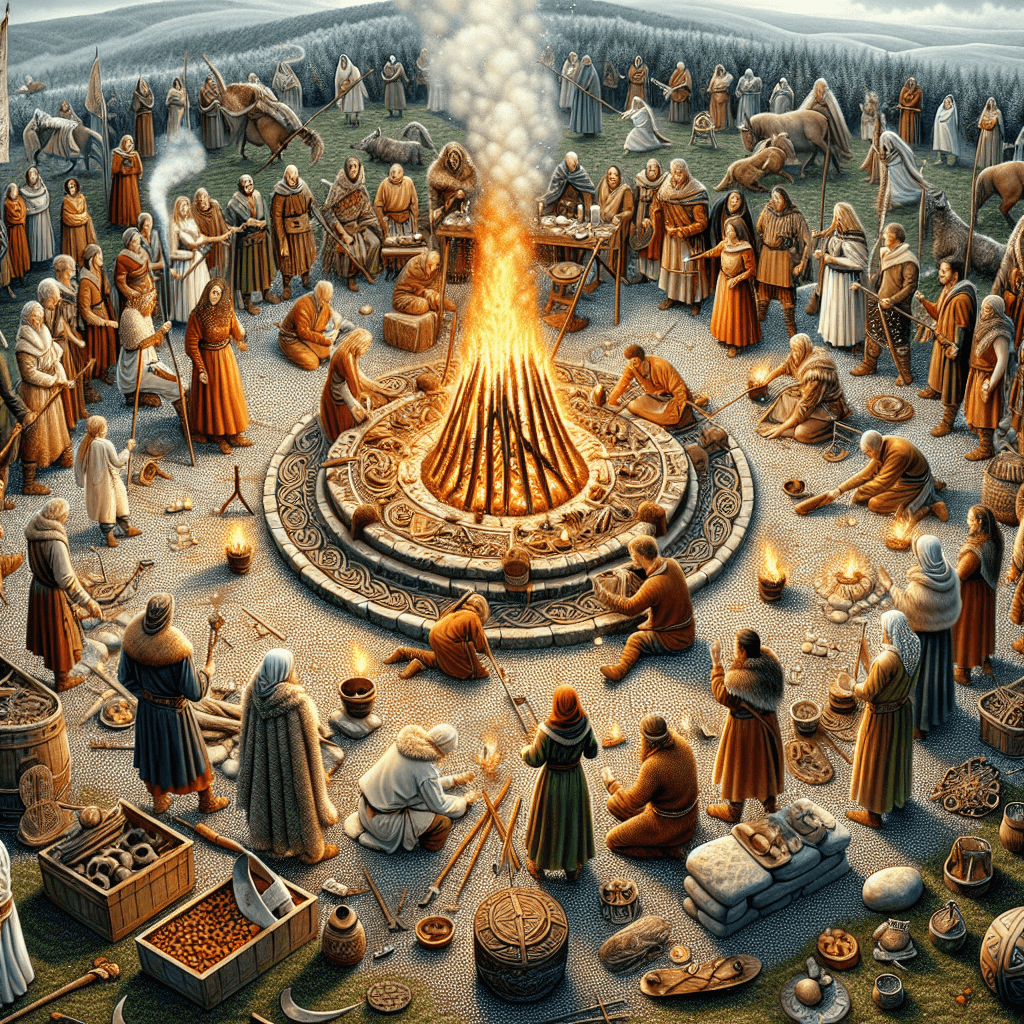
The Mesopotamian approach to household altars reveals several principles that remain relevant for modern practitioners creating personal sacred spaces. First, these ancient altars were highly functional, serving multiple purposes including protection rituals, divination practices, ancestor veneration, and daily devotional activities. Family members would consult their household gods before making important decisions, offer portions of meals as daily devotions, and perform cleansing rituals to maintain spiritual protection over their homes. Second, the altars evolved over time, with families adding new elements as circumstances changed, children grew up, or spiritual needs shifted. This flexibility allowed the sacred space to remain relevant and meaningful across generations rather than becoming static displays. Third, these household shrines were integrated into daily life rather than separated from mundane activities—they existed alongside cooking areas, sleeping spaces, and work areas, making spirituality an constant presence rather than something confined to special occasions.
The materials used in Mesopotamian household altars were typically simple and locally sourced, much like modern DIY approaches to sacred space creation. Clay vessels held water and oil, simple stone platforms elevated important objects, and natural materials like grain, dates, and flowers served as regular offerings. Families often crafted their own devotional objects or inherited pieces from previous generations, creating deeply personal altar arrangements that reflected their unique spiritual relationships and family histories. This historical perspective reminds modern practitioners that elaborate or expensive altar setups are not necessary for powerful spiritual practice—the key elements have always been intention, consistency, and personal meaning rather than material wealth or perfect aesthetics. Understanding these ancient practices can inspire contemporary sacred space creators to focus on developing regular ritual habits and building personal relationships with their chosen spiritual focus rather than becoming overly concerned with having the perfect altar arrangement.
Sacred Space Maintenance Tips
Maintaining your sacred space requires consistent attention and intentional care, much like tending a garden that supports your spiritual growth over time. Regular decluttering forms the foundation of sacred space maintenance because accumulated objects can create energetic stagnation and visual distraction that interferes with focused spiritual practice. Schedule weekly sessions to examine every item in your sacred space, removing anything that no longer serves your current spiritual needs or has lost its meaningful connection to your practice. This doesn’t mean constantly changing everything, but rather ensuring that each element continues to support your spiritual goals and resonates with your evolving path. Dust surfaces weekly using a dedicated cloth kept specifically for your altar area, treating this cleaning as a meditative practice rather than a mundane chore. As you clean, hold intentions for clarity and renewal, recognizing that physical maintenance of your sacred space directly supports the energetic maintenance of your spiritual practice.
Refreshing consumable elements keeps your sacred space alive and dynamic rather than allowing it to become a static display. Replace flowers before they wilt completely, trim candle wicks to ensure clean burning, and refill oil lamps or replace tea light candles regularly. If you use crystals in your practice, cleanse them periodically through methods appropriate to each stone type—some respond well to moonlight exposure, others to salt water, and some to sage smoke or sound vibration. Rotate seasonal elements to keep your altar connected to natural cycles, perhaps adding autumn leaves and pine cones during fall months or fresh spring flowers during renewal seasons. This seasonal awareness helps maintain the living quality of your sacred space and keeps you connected to the larger rhythms of nature even in urban environments.
Energetic maintenance through ritual practices ensures that your sacred space continues to serve as a powerful focal point for spiritual work rather than accumulating stagnant or conflicted energies. Perform regular space clearing using methods that align with your spiritual tradition—sage smudging, palo santo burning, bell ringing, prayer, or visualization techniques all work effectively when applied with clear intention. Pay attention to how your space feels energetically, especially after difficult periods in your life or challenging spiritual work. Sometimes a sacred space needs deeper clearing or even temporary dismantling and rebuilding to reset its energetic signature. Use your sacred space consistently for meditation, prayer, or reflection rather than allowing it to become merely decorative, as regular spiritual activity keeps the energy flowing and prevents stagnation. Keep a simple journal noting what spiritual activities you perform in your space and how the energy feels over time, helping you identify patterns and optimize your maintenance practices. The most important aspect of maintenance is approaching it as spiritual practice itself rather than ordinary housekeeping, recognizing that caring for your sacred space directly supports your ongoing spiritual development and provides opportunities for mindfulness and intentional living.
Creating Personal Sacred Space transforms not only your physical environment but your entire approach to spiritual practice, offering a tangible foundation for inner growth regardless of your living situation’s limitations. What aspect of sacred space creation calls to you most strongly—will you begin with selecting the perfect location, gathering meaningful objects, or establishing maintenance rituals that keep your space energetically vibrant?
Related Items:

Lilly Dupres
Owner & AuthorLilly Dupres, a lifelong practitioner of paganism, established Define Pagan to offer a clear definition of paganism and challenge misconceptions surrounding modern pagan lifestyles.


