How to Create a Traditional Lares and Penates Household Shrine for Home Protection and Family Blessings
Creating Lares Penates Shrines
Creating Lares Penates Shrines begins with understanding that these sacred spaces, known as lararia, served as the beating heart of ancient Roman domestic spirituality. The Lares acted as guardian spirits of your household, family members, and land, while the Penates protected your hearth, food stores, and overall family well-being. These powerful deities ensured home protection and family blessings through daily offerings like flour and salt thrown into fire, or food scraps burned at the shrine to maintain pax deorum – peace with the gods.
To establish your traditional shrine, start by selecting a dedicated space such as a shelf, niche, small table, or wall-mounted ledge in a central area like your entryway, kitchen, or living room. The ancient Romans typically placed these in their atrium, the central gathering space of their homes. Next, represent the Lares with small statuettes or paintings of youthful, toga-clad figures – traditionally two figures holding a rhyton drinking horn and cornucopia to symbolize abundance. Include representations of the Penates as figurines near hearth or storage symbols, sometimes accompanied by Vesta or the family genius. Add essential elements like a shallow basin for libations of wine, milk, or oil, along with an incense burner, lamp called a lucerna, and space for offerings such as grain, honey cakes, or fresh fruit. Daily rituals involved purification practices, lighting the lamp and incense, followed by prayers and affirmations. Regular maintenance includes cleaning and special offerings during festivals like Compitalia for neighborhood Lares. Archaeological evidence from Pompeii, Herculaneum, and Ostia reveals lararia ranging from elaborate frescoed niches to simple shelves holding sacred statuettes.
Roman Household Gods Protection
The protective powers of Roman household gods operated on multiple levels, creating a comprehensive spiritual security system for ancient families. The Lares served as vigilant guardians of households, crossroads called compita, and territorial boundaries, protecting inhabitants from various forms of harm including the ever-present danger of fire. Special Lares Praestites were housed near Vesta’s temple specifically for fire protection, reflecting the Romans’ deep understanding of domestic vulnerabilities. Meanwhile, the Penates focused their protective energies on the pantry, hearth, and family prosperity, embodying the communal food-sharing values that held Roman society together. Their presence ensured that families would never want for sustenance and that the hearth would remain a place of warmth and abundance rather than scarcity and cold.
Worship at the lararium reinforced these protective roles while simultaneously connecting private family security with broader public and state interests. Under Emperor Augustus, household Lares became linked with imperial Lares Augusti, creating a spiritual network that extended from individual homes to the heart of the empire. This connection meant that honoring your household gods also honored the state, while protecting your family contributed to the protection of Rome itself. Crossroads shrines called compitalia extended this protection beyond individual homes to entire neighborhoods, creating communities bound together by shared spiritual practices and mutual protection.
The daily maintenance of these protective relationships required consistent attention and respect. Romans understood that the gods’ protection wasn’t automatic but needed to be earned through regular offerings, proper rituals, and genuine devotion. Families would gather at their lararium each morning and evening, making offerings and requesting protection for the day ahead or giving thanks for safety received. During times of particular danger or uncertainty, special offerings and extended rituals would strengthen the protective bonds. The positioning of lararia in highly visible areas of the home served as constant reminders of divine presence and protection, while also demonstrating the family’s piety to visitors and guests.
Modern practitioners seeking to establish similar protective relationships must understand that the power of Lares and Penates protection comes not from the physical objects on the shrine, but from the consistent cultivation of relationship through offerings, prayers, and respect. The gods respond to genuine devotion and regular attention, creating protective energies that can shield contemporary homes just as effectively as they protected ancient Roman households. This protection extends beyond physical safety to include emotional well-being, family harmony, and material prosperity, making the lararium a powerful tool for comprehensive household protection in any era.
DIY Lares Penates Altar
Building your own Lares Penates altar doesn’t require expensive materials or elaborate craftsmanship – the ancient Romans themselves often maintained simple shrines that prioritized spiritual function over aesthetic display. Start with any small shelf, wooden box, or even a painted reproduction on your wall as the foundation, adapting the ancient principle of simplicity to your modern space and budget. The key lies not in perfection but in intention and consistency of use. Cover your chosen base with neutral fabric or decorative paper to create a clean, sacred space that feels separate from everyday household items. This simple act of covering transforms ordinary furniture into something special and dedicated to spiritual purposes.
For focal points representing the deities themselves, printed images work beautifully alongside hand-drawn figures or even creative solutions like Scrabble tiles spelling out Lares and Penates. The Romans themselves used everything from expensive bronze statuettes to simple painted figures, so your representations need only be meaningful to you and created with respect. Consider incorporating the traditional imagery of dancing Lares holding cornucopias or rhyton drinking horns, while Penates can be represented through hearth-related symbols like small cooking vessels, grain bundles, or images of Vesta’s eternal flame.
Essential altar elements should include candles to represent the sacred fire element, crystals chosen for their protective properties, and natural items like stones, feathers, or seasonal flowers that connect your shrine to the living world around you. A small bowl designated specifically for offerings becomes crucial for maintaining the reciprocal relationship with your household gods. This bowl should never be used for anything else and should be cleaned regularly as a sign of respect. Consider adding a small dish for salt, another for grain or flour, and perhaps a tiny cup for liquid offerings like wine, milk, or honey.
The beauty of a DIY approach lies in its adaptability to your living situation and personal spiritual needs. Students in dorm rooms might create shrines no larger than a dinner plate, while families with houses might dedicate entire shelves or corners to their lararium. Urban apartment dwellers can utilize windowsills, bookshelf spaces, or even discrete corners of closets for privacy. The size matters far less than the regularity of attention and offerings you provide. Your dedication ceremony can be as simple as lighting a candle and stating your intention: I honor the Lares and Penates of this home for protection and blessings. This informal approach maintains the spirit of ancient practice while adapting to contemporary spiritual needs and living situations.
Ancient Roman Shrine Setup
Archaeological discoveries throughout the Roman world reveal fascinating details about how ancient families arranged their sacred household spaces, providing modern practitioners with authentic models to draw inspiration from. The classic lararium setup featured a prominent position in the atrium – the central courtyard that served as the heart of Roman domestic life – ensuring that the household gods remained visible and accessible throughout daily activities. Elaborate examples found in Pompeii showcase painted niches with dedicated shelves for divine figures, built-in altars for sacrificial offerings, and integrated oil lamps that provided both illumination and symbolic sacred fire. These sophisticated installations demonstrate how seriously wealthy Romans took their domestic religious obligations, creating permanent architectural features dedicated solely to honoring their household spirits.
The traditional arrangement placed two dancing Lares as the central figures, typically depicted as youthful men wearing togas and holding horns of plenty or cornucopias to symbolize the abundance they brought to faithful families. These figures were often shown in mid-dance, their clothing flowing with movement, representing the joyful and celebratory nature of proper household worship. Flanking the Lares, representations of the Penates appeared near symbols of Vesta, the goddess of hearth and home, creating a trinity of protective forces focused on different aspects of domestic security. Some lararia also included serpentine figures representing the Lares Grundules, specialized guardians of the building’s foundations and structural integrity, painted along the base of shrine niches to provide protection from ground level upward.
Daily maintenance rituals in ancient households followed established patterns that reinforced both spiritual discipline and family unity. Each morning, the paterfamilias or designated family member would approach the lararium to throw pinches of flour or salt into the sacred fire, offer small portions of food from the previous evening’s meal, and light fresh incense while reciting traditional prayers. These offerings weren’t elaborate affairs but simple, consistent acts of respect and reciprocity. The positioning of lararia in high-traffic areas meant that family members encountered their household gods multiple times throughout each day, creating constant reminders of divine presence and protection.
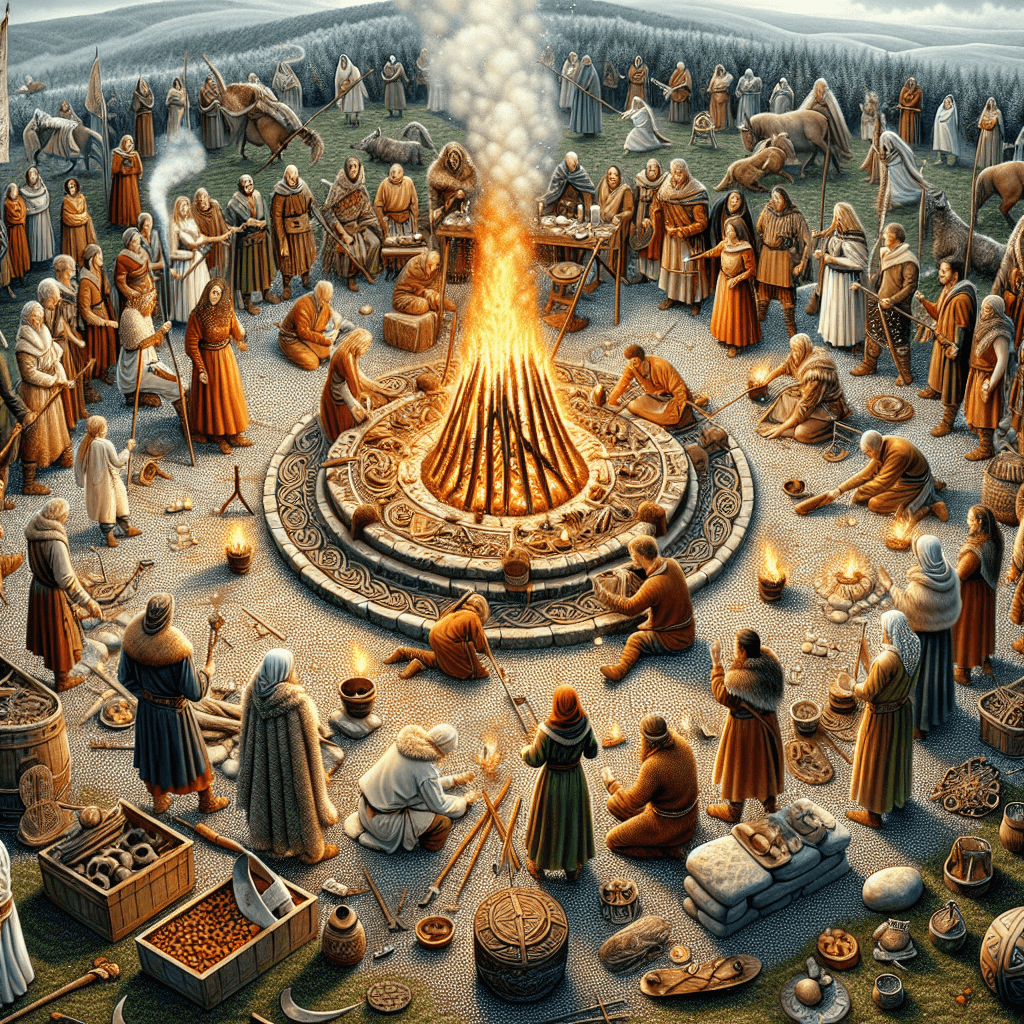


The genius of ancient Roman shrine design lay in its integration of practicality with spiritual purpose. Shelves held both sacred objects and practical items like oil for lamps, while altar surfaces doubled as workspace when not actively being used for rituals. Storage areas beneath shrines contained supplies needed for offerings – grain, salt, incense, and wine – keeping everything necessary for worship within easy reach. This practical approach meant that maintaining proper relationships with household gods became as natural and routine as any other household task, embedding spiritual practice seamlessly into the rhythm of daily life and ensuring that busy families could maintain their religious obligations without disrupting their work schedules or social commitments.
Modern Penates Worship Space
Contemporary practitioners face unique challenges when establishing Penates worship spaces, but these same challenges offer opportunities for creativity and personal spiritual expression that ancient Romans might have envied. Modern homes lack the central atrium that provided natural focal points for lararia, requiring us to identify spaces that serve similar functions in contemporary living arrangements. Kitchen counters, entryway tables, bedroom dressers, or even bathroom shelves can serve as effective shrine locations, provided they receive regular attention and maintain appropriate respect. The key principle remains visibility and accessibility – your worship space should be somewhere you naturally encounter multiple times per day, not hidden away where it might be forgotten or ignored.
Privacy concerns in shared living situations, apartment complexes, or homes with non-pagan family members require thoughtful solutions that protect both your spiritual practice and your personal safety. Closet shrines offer complete privacy while maintaining the essential elements of traditional lararia, while bookshelf arrangements can appear as decorative displays to casual observers while functioning as fully operational worship spaces for initiated practitioners. Portable shrine boxes allow renters and frequent movers to maintain consistent practice regardless of living situation changes, while also providing security for sacred objects that might be damaged or disturbed by children, pets, or houseguests unfamiliar with their spiritual significance.
Seasonal adaptation adds richness to modern Penates worship that reflects the agricultural cycles that shaped ancient Roman spiritual practice. Spring shrines might feature fresh flowers, seeds ready for planting, and green candles representing new growth and family prosperity. Summer arrangements could include fresh fruits, golden colors, and symbols of abundance and protection during travel season. Autumn shrines naturally incorporate harvest symbols, preserved foods, and gratitude offerings for the year’s blessings, while winter setups focus on warmth, security, and family unity during the dark months. These seasonal changes keep your practice fresh and connected to natural cycles while honoring the agricultural foundations of Roman spirituality.
Integration with modern technology and lifestyle demands requires balance between ancient wisdom and contemporary practicality. Electric candles provide safe sacred fire for practitioners who cannot use open flames due to apartment regulations, smoke detectors, or safety concerns around children and pets. Digital images displayed on tablets or phones can represent deities when physical statues aren’t practical, while meditation apps can provide timing for regular prayer sessions that fit busy modern schedules. Social media communities connect contemporary practitioners with others walking similar paths, offering support, advice, and shared experiences that replicate the community aspects of ancient Roman religious practice while adapting to modern communication methods and social structures.
Creating Lares Penates Shrines connects us to thousands of years of family-centered spiritual practice while providing practical solutions for contemporary household protection and blessing. Whether you choose elaborate permanent installations or simple portable arrangements, the key lies in consistent attention and genuine respect for these ancient household guardians. What aspects of Roman domestic spirituality resonate most strongly with your current living situation and family needs?
Related Items:

Lilly Dupres
Owner & AuthorLilly Dupres, a lifelong practitioner of paganism, established Define Pagan to offer a clear definition of paganism and challenge misconceptions surrounding modern pagan lifestyles.