

What were the most important religious rituals and ceremonies practiced by ancient Romans in their daily lives?
Ancient Roman ritual practices formed the backbone of both public and private life, creating a complex web of sacred observances that modern pagans continue to find meaningful and relevant today. The Romans built their spiritual framework around maintaining pax deorum, or peace with the gods, through daily prayers and offerings to household deities like the Lares, Penates, and Janus. Each Roman home featured a lararium, a household shrine where the family patriarch led morning and evening rites that included prayers, libations, and offerings of flour, salt, and food burned in the hearth.
Beyond household worship, Romans participated in elaborate state festivals and ceremonies dedicated to major deities like Jupiter, Mars, and Minerva, all designed to secure divine favor for both families and the Roman state itself. These public rites involved sacrifices, divination through examining animal entrails, and communal feasts that brought entire communities together in shared spiritual purpose. Household rituals also marked significant life events including births, marriages, and naming ceremonies, with specific gods overseeing each transition – Nundina presided over child naming while Janus watched over doorways and new beginnings. The cultus deorum, or cult of the gods, emphasized reciprocity between the divine and mortal realms: gods provided protection and benefits while humans responded with acts of piety including sacrifices, prayers, and honoring the virtues associated with these deities. Rather than focusing on strict moral codes or theological dogma, Roman ritual practices centered on maintaining correct relationships through proper ceremonial conduct, with gods communicating through symbols, omens, and divination rather than direct intervention.
Roman Festival Calendar: Saturnalia to Lupercalia
The Roman festival calendar provided a rich tapestry of seasonal celebrations that structured the entire year around sacred observances, many of which continue to influence modern pagan practice and even mainstream cultural traditions. Saturnalia, celebrated in mid-December, stands as perhaps the most beloved Roman festival, honoring Saturn through gift-giving, role reversals between masters and slaves, elaborate feasting, and sacrificial offerings that temporarily transformed Roman society into a more egalitarian celebration of abundance and joy. This festival’s emphasis on generosity, community bonding, and the temporary suspension of social hierarchies resonates strongly with contemporary pagans who seek to recapture the authentic spirit of seasonal celebration beyond commercialized modern interpretations. Lupercalia, observed in February, represented a powerful fertility festival involving purification rites designed to cleanse the city and promote health, fertility, and protection for the coming year, featuring the dramatic spectacle of Luperci priests running around the Palatine Hill while striking passersby with goat skin strips to bestow blessings of fertility and ward off evil influences.
The Roman calendar also marked significant monthly observances including the Kalends, marking the first day of each month, the Nones, and the Ides, each requiring specific rituals to household gods and elaborate public ceremonies that reinforced the connection between cosmic cycles and human community. Modern practitioners often find these monthly markers particularly meaningful for structuring their own ritual practice, as they provide regular opportunities for reflection, gratitude, and spiritual renewal that align with natural temporal rhythms rather than arbitrary scheduling. Agricultural festivals throughout the growing season honored deities associated with planting, cultivation, and harvest, creating a seamless integration between practical farming activities and spiritual observance that many contemporary earth-based practitioners seek to recreate in their own lives. These celebrations weren’t merely ceremonial occasions but represented essential spiritual technology for maintaining harmony between human communities and the natural forces upon which their survival depended, offering modern pagans a proven framework for developing sustainable relationships with the land and seasonal cycles.
Daily Religious Observances and Household Gods
The heart of Roman spiritual practice lay in the intimate daily relationships cultivated with household deities, creating a lived religion that permeated every aspect of domestic life rather than being confined to special occasions or public ceremonies. Daily rites at the lararium served as the spiritual foundation of Roman family life, involving morning and evening offerings to the Lares and Penates designed to maintain the guardian spirits’ protection and blessing over all household activities, from mundane tasks like cooking and cleaning to major decisions affecting family welfare and prosperity. These household gods maintained intimate involvement in all aspects of daily existence, overseeing health, fertility, relationships, business ventures, and the crucial transitions between different life phases, making their goodwill essential for both personal and communal success. Romans understood that neglecting these daily observances could result in household discord, financial difficulties, illness, or other misfortunes, while consistent attention to proper ritual relationship would ensure divine support for family endeavors.
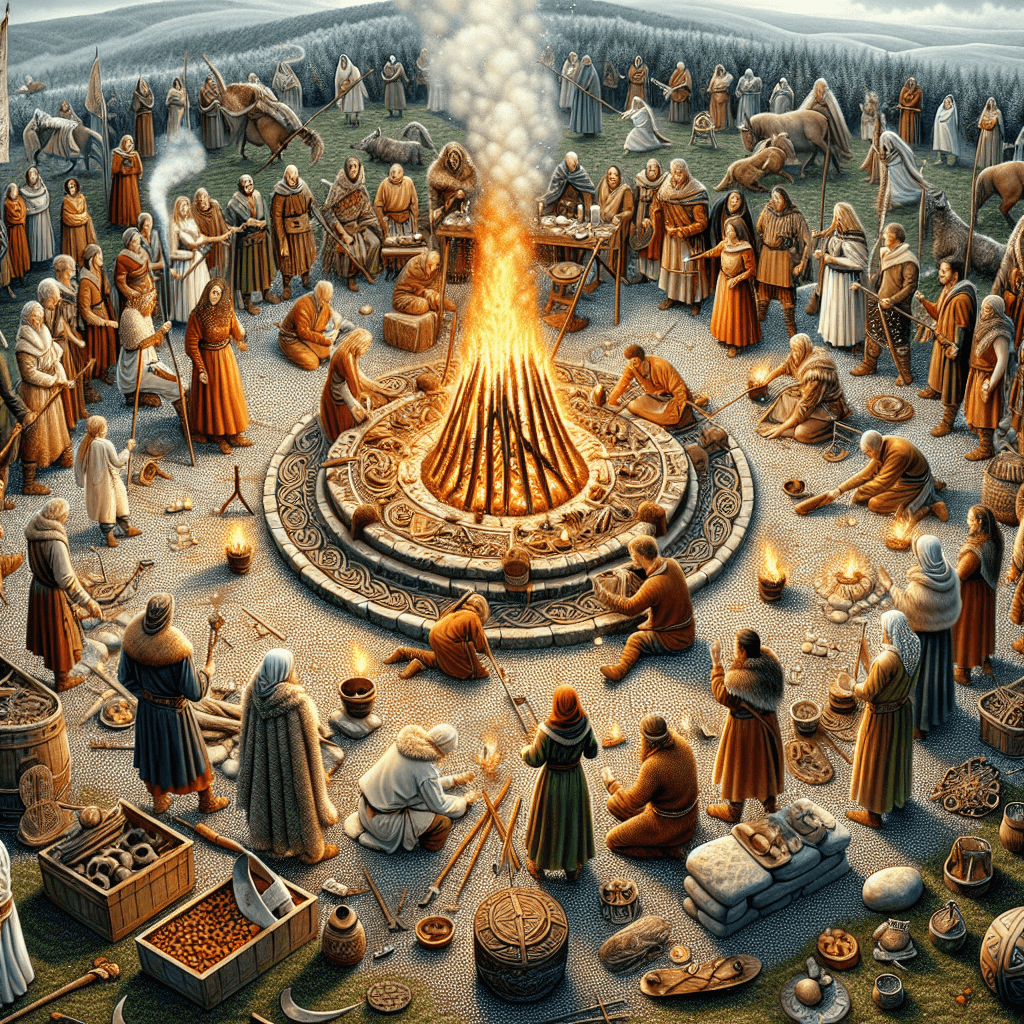


Modern pagans often find tremendous meaning in recreating these daily practices, establishing their own lararia or household shrines where they can offer prayers, libations, and simple gifts of gratitude to protective spirits and deities. The Roman approach to household spirituality emphasized accessibility and practicality rather than elaborate ceremony, making it possible for busy families to maintain meaningful spiritual practice through brief morning and evening observances that require minimal time or resources while providing maximum spiritual benefit. Prayers to Janus at thresholds acknowledged the sacred nature of transitions and boundaries, while ritual offerings of salt and flour during meals transformed ordinary dining into opportunities for spiritual communion and gratitude. These practices created a seamless integration between spiritual and material life that many contemporary practitioners find more authentic and sustainable than approaches that compartmentalize religion into separate spheres disconnected from daily experience. The Roman emphasis on reciprocal relationship with household deities offers modern pagans a mature, time-tested framework for developing ongoing spiritual partnerships that support both practical needs and deeper spiritual growth through consistent, humble service and attention to the sacred dimensions of ordinary life.
Sacred Ceremony Tools and Temple Equipment
Roman ritual practices employed an extensive array of specialized sacred tools and ceremonial equipment that transformed ordinary spaces into portals for divine communication and spiritual transformation. Sacrificial knives crafted with specific metals and blessed through elaborate consecration ceremonies served not merely as practical implements but as sacred instruments capable of bridging the gap between physical and spiritual realms, while libation cups designed with particular proportions and decorative elements ensured that offerings of wine, milk, or other liquids could properly honor the intended deities according to ancient protocols. Incense burners created aromatic bridges between earth and heaven, carrying prayers and intentions upward through fragrant smoke that pleased the gods while creating the proper atmospheric conditions for successful ritual work. Temples throughout the Roman world featured elaborate decorations, intricate mosaics, and carefully positioned cult statues that served as focal points for divine presence, with each element designed according to specific theological principles that maximized the potential for successful divine communication.
Public rituals required the expertise of trained religious specialists including augurs who interpreted omens through examining animal entrails and observing bird flight patterns, flamines who served as dedicated priests for specific deities, and the famous Vestal Virgins who maintained the sacred fire essential for Rome’s spiritual and political welfare. These religious professionals possessed extensive knowledge of proper ceremonial protocols, seasonal timing, appropriate offerings, and the complex web of relationships between different deities that influenced the success or failure of various ritual endeavors. Modern pagan practitioners often study these historical approaches to sacred tool use and ceremonial expertise as they develop their own ritual capabilities, finding that attention to proper implements, timing, and procedural details significantly enhances their spiritual practice. Contemporary practitioners typically adapt ancient tool designs and ceremonial approaches to modern materials and circumstances while preserving the essential spiritual principles that made Roman ritual work so effective. The Roman emphasis on beautiful, well-crafted ceremonial tools reflects their understanding that the gods deserve humanity’s finest offerings and that treating spiritual practice with appropriate dignity and attention to detail demonstrates the respect and devotion necessary for successful divine relationship.
Modern Influences of Roman Religious Traditions
Contemporary Roman pagan and reconstructionist movements have emerged as vibrant spiritual communities dedicated to reviving ancient state and household rites, maintaining daily worship at reconstructed lararia, celebrating historical Roman festivals like Saturnalia with authentic attention to original meanings and practices, and honoring the virtues rooted in Roman religious philosophy that emphasize duty, loyalty, courage, and proper relationship with both human and divine communities. Neo-Roman pagan groups, including those with active temples such as the Iuppiter Perunus temple, perform carefully researched versions of ancient ceremonies that had remained dormant for over a millennium, emphasizing the patron-client relationship between gods and humans through offerings, prayers, and ritual observances that recreate the reciprocal spiritual contracts that formed the foundation of Roman religious life. These modern practitioners blend rigorous historical reconstruction with thoughtful adaptations suitable for contemporary circumstances, preserving Roman religious heritage while making it accessible and relevant for people living in vastly different social and cultural conditions.
The influence of ancient Roman ritual practices extends far beyond dedicated reconstructionist communities, shaping broader contemporary pagan movements through emphasis on practical spirituality, seasonal celebration, ancestor veneration, and household-centered practice that integrates seamlessly with modern family life. Many contemporary pagans incorporate Roman approaches to daily spiritual observance, finding that the Roman model of brief, consistent ritual attention to household deities provides a sustainable alternative to more elaborate ceremonial approaches that may be difficult to maintain over long periods. The Roman festival calendar continues to influence modern seasonal celebrations, with many pagan communities drawing inspiration from authentic historical sources to create meaningful alternatives to commercialized holiday observances that often lack spiritual depth or connection to natural cycles. Modern practitioners particularly appreciate the Roman emphasis on reciprocal relationship with deities, finding this approach more mature and balanced than religious models based purely on worship, devotion, or supplication without corresponding human responsibility and commitment. These contemporary adaptations of ancient Roman ritual practices demonstrate the enduring wisdom embedded in spiritual approaches that successfully sustained complex civilizations for centuries while remaining flexible enough to evolve with changing circumstances and cultural contexts.
The enduring appeal of ancient Roman ritual practices lies in their practical effectiveness, spiritual depth, and adaptability to diverse life circumstances, offering modern pagans a proven framework for developing meaningful relationships with deities, ancestors, and natural forces. Have you considered exploring how these time-tested spiritual practices might enrich your own path toward deeper connection with the sacred dimensions of daily life?
Related Items:

Lilly Dupres
Owner & AuthorLilly Dupres, a lifelong practitioner of paganism, established Define Pagan to offer a clear definition of paganism and challenge misconceptions surrounding modern pagan lifestyles.


