What were the most important daily ritual practices in ancient Mesopotamian temples and how did they influence modern religious ceremonies?
Ancient Mesopotamian ritual practices formed the backbone of spiritual life in the world’s first civilizations, establishing patterns that continue to resonate in modern pagan traditions today. These daily temple worship practices involved maintaining the divine presence through meticulous care of deity cult statues, elaborate daily offerings, purification rituals, and complex ceremonies carried out by a sophisticated priestly hierarchy. The priests performed essential duties ensuring the gods’ material needs were met through preparing and presenting daily meals, washing, dressing, and adorning the deity’s cult statue which was considered the god’s physical embodiment on earth. Maintaining ritual purity through washing and abstaining from certain acts was paramount, as was offering food, incense, and precious items during regular worship and special sacrifices during festivals. The divine statue resided in the temple’s innermost sanctum, accessible primarily to the high priest during specific ceremonies including the symbolic opening and closing of the deity’s eyes to mark the god’s presence. This care for the divine statue and daily offerings represented the most crucial rituals, maintaining the god’s presence and favor while ensuring cosmic and social order remained intact.
Historical Origins and Development
The historical development of Ancient Mesopotamian ritual practices spans over three millennia, evolving from simple agricultural offerings to sophisticated ceremonial systems that influenced virtually every aspect of daily life in cities like Babylon, Ur, and Uruk. The pantheon developed around city-specific deities such as Marduk of Babylon, Inanna of Uruk, and Enlil of Nippur, with each city-state maintaining its own religious calendar and ritual specializations. Religious life intertwined deeply with social and political structures, transforming temples into multifaceted institutions serving as economic centers, social hubs, educational facilities, and administrative headquarters complete with workshops, kitchens, libraries, and living quarters for priests, scribes, and temple workers.
The evolution from simple offerings to complex ceremonies incorporated magical practices, incantations, divination, and grand festivals like the Akītu New Year celebration, which involved elaborate rituals to reaffirm the king’s divine mandate and ensure cosmic renewal for the coming year. Priestly education became increasingly specialized, with different ranks handling specific aspects of ritual performance, from the high priest who alone could approach the deity’s statue to junior priests responsible for maintaining temple cleanliness and preparing offerings. The integration of astrology, mathematics, and medicine into religious practice created a holistic worldview where ritual actions maintained not just divine favor but also agricultural fertility, political stability, and personal health. Legal codes like Hammurabi’s incorporated divine sanction, making ritual observance a civic duty as well as religious obligation, while temple archives preserved thousands of cuneiform tablets detailing proper ritual procedures, seasonal observances, and ceremonial protocols that ensured consistency across generations.
Modern Sumerian Reconstructionism Revival
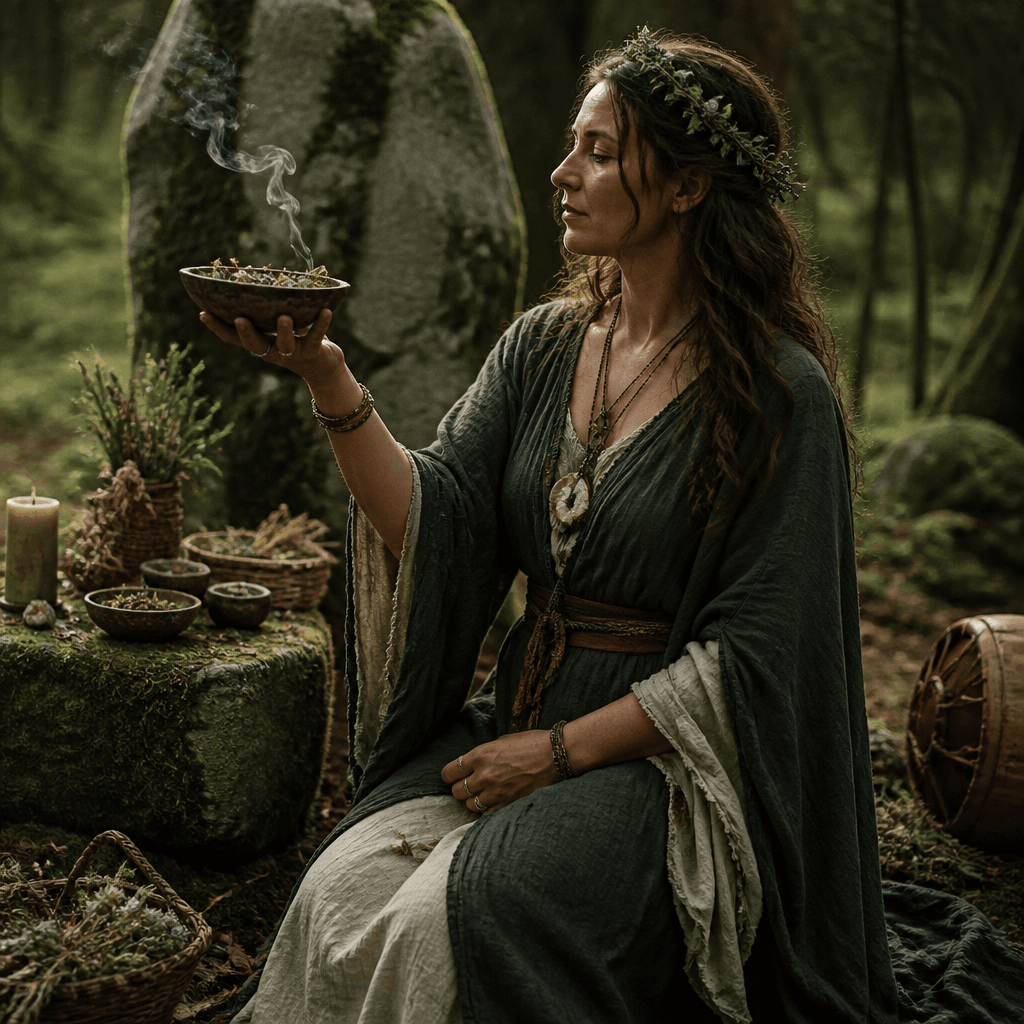
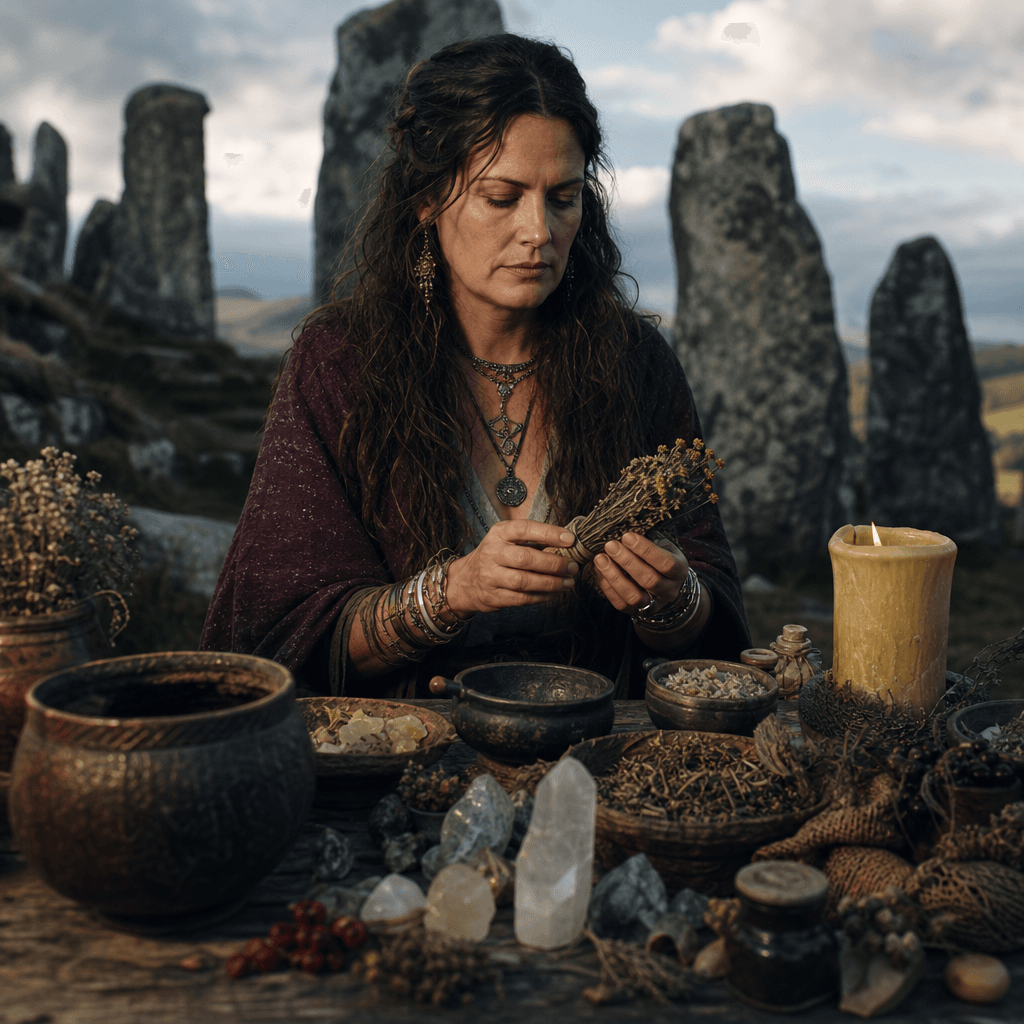
Contemporary pagan practitioners engaging with Ancient Mesopotamian ritual practices through Sumerian reconstructionism represent a growing movement seeking authentic spiritual connection with pre-Abrahamic traditions based on rigorous archaeological, textual, and mythological research. Modern reconstructionists adapt ancient rituals including daily offerings of food, incense, water, and symbolic items to deities, often creating home shrines that echo the reverence for divine presence embodied in statues or sacred images found in ancient temples. Protective magic using recreated amulets, figurines, and symbolic objects reflects the Mesopotamian understanding of spiritual forces requiring active engagement rather than passive worship, with practitioners learning cuneiform prayers and hymns to maintain authentic linguistic connections to the ancient traditions.
These modern practitioners study archaeological findings and translated texts to reconstruct seasonal festivals, daily devotional practices, and life-cycle ceremonies that honor deities like Inanna, Enki, and Marduk while adapting ancient practices to contemporary life circumstances. The revival movement emphasizes historical accuracy while acknowledging the need for modern interpretation, with practitioners often specializing in specific aspects of Mesopotamian culture such as herbalism, divination, craftsmanship, or ritual performance. Online communities share research, ritual experiences, and archaeological discoveries, creating networks that support individual practice while building collective knowledge about authentic ancient procedures. Many practitioners incorporate elements from multiple ancient Near Eastern traditions, recognizing the cultural exchange that occurred throughout Mesopotamian history while maintaining focus on specific city-state traditions that resonate with their personal spiritual calling. The reconstructionist approach differs from syncretic paganism by emphasizing scholarly research and archaeological evidence rather than purely intuitive or eclectic spiritual practices, though practitioners acknowledge the limitations of historical knowledge and the necessity of thoughtful adaptation for modern circumstances.
Sacred Temple Ceremony Procedures
The intricate sacred temple ceremony procedures that defined Ancient Mesopotamian ritual practices required extensive preparation, specialized knowledge, and strict adherence to purity requirements that ensured divine approval and cosmic stability. Ceremonies took place within elaborate ziggurats and temple complexes featuring multiple courtyards, ceremonial halls, storage rooms, and living quarters, with access to different areas carefully restricted based on ritual rank and ceremonial purpose. The temple hierarchy operated through clearly defined roles including high priests or priestesses who alone could perform the most sacred rituals, specialized priests responsible for specific deities or ceremonial functions, temple musicians and singers who provided liturgical accompaniment, and support staff who maintained temple cleanliness and prepared ritual materials.
Ritual purity demanded extensive preparation involving physical washing, putting on specific ceremonial garments, abstaining from certain foods or activities, and sometimes temporary isolation from ordinary temple duties to achieve the spiritual state required for divine interaction. Daily ceremonial acts included elaborate ritual meals served to deity statues on golden plates, burning specific types of incense at designated times, reciting prayers and hymns in ancient Sumerian or Akkadian languages, and performing symbolic acts like opening curtains around statues to awaken the deity for the day. Special festivals required additional ceremonial elements including animal sacrifices with specific portions distributed to temple personnel and community members, purification rites for homes and public spaces using blessed water and incense, ritual processions carrying deity statues through city streets, and dramatic reenactments of mythological events involving creation, divine marriage, or seasonal renewal. The most elaborate ceremonies like the Akītu festival involved multiple days of ritual activity including the symbolic death and resurrection of gods, renewal of royal divine mandate, public confession and forgiveness rituals, and community feasting that reinforced social bonds while honoring divine authority.
Archaeological Evidence and Discoveries
Archaeological excavations throughout modern Iraq, Iran, Syria, and Turkey have uncovered extensive physical evidence documenting the sophisticated nature of Ancient Mesopotamian ritual practices through temple layouts, ritual objects, textual records, and artistic representations that illuminate both daily religious life and grand ceremonial occasions. Major archaeological sites including Babylon, Ur, Uruk, Nippur, and Mari have revealed ziggurat foundations, temple complexes with intricate room arrangements, ceremonial courtyards, ritual pools for purification, elaborate drainage systems for libation disposal, and storage facilities for ritual materials and offerings. Thousands of cuneiform tablets preserved in temple archives provide detailed instructions for ritual performance, seasonal ceremony calendars, incantation texts for magical protection, hymns and prayers to specific deities, administrative records tracking temple offerings and personnel, and mythological narratives explaining the cosmic significance of ceremonial activities.
Excavated ritual objects include elaborately crafted cult statues with evidence of regular dressing and anointing, ceremonial vessels for food and liquid offerings, incense burners and libation cups, musical instruments used in temple ceremonies, and countless protective amulets featuring gods, demons, and mythical creatures designed to ward off evil influences. Artistic representations on cylinder seals, wall reliefs, and decorative objects depict ritual scenes including divine banquets, ceremonial processions, priests performing offerings, worshippers approaching deities, and symbolic representations of cosmic order maintained through proper ritual observance. Recent discoveries using advanced archaeological techniques have revealed previously unknown aspects of ritual practice including evidence of textile offerings, analysis of residues in ceremonial vessels showing specific food and drink offerings, and isotopic analysis of sacrificial animal remains indicating the geographic sources of temple offerings. The integration of textual and material evidence demonstrates how temples functioned as comprehensive religious, economic, and social institutions where ritual practice maintained divine favor essential for agricultural prosperity, political stability, and community well-being, providing modern practitioners with detailed knowledge necessary for authentic reconstructionist practice.
The enduring influence of Ancient Mesopotamian ritual practices continues to shape both academic understanding of early religion and contemporary pagan spiritual expression, demonstrating the fundamental human need for sacred connection through meaningful ceremony and divine relationship. Are you ready to explore how these ancient practices might enrich your own spiritual journey and connect you with humanity’s oldest religious traditions?