What are the most powerful symbols used in sacred union marriage rituals across different cultures?

Sacred Union Ritual Symbolism represents ancient pagan practices that unite divine masculine and feminine energies through fertility rites like hieros gamos to create balance, prosperity, and spiritual wholeness across cultures.
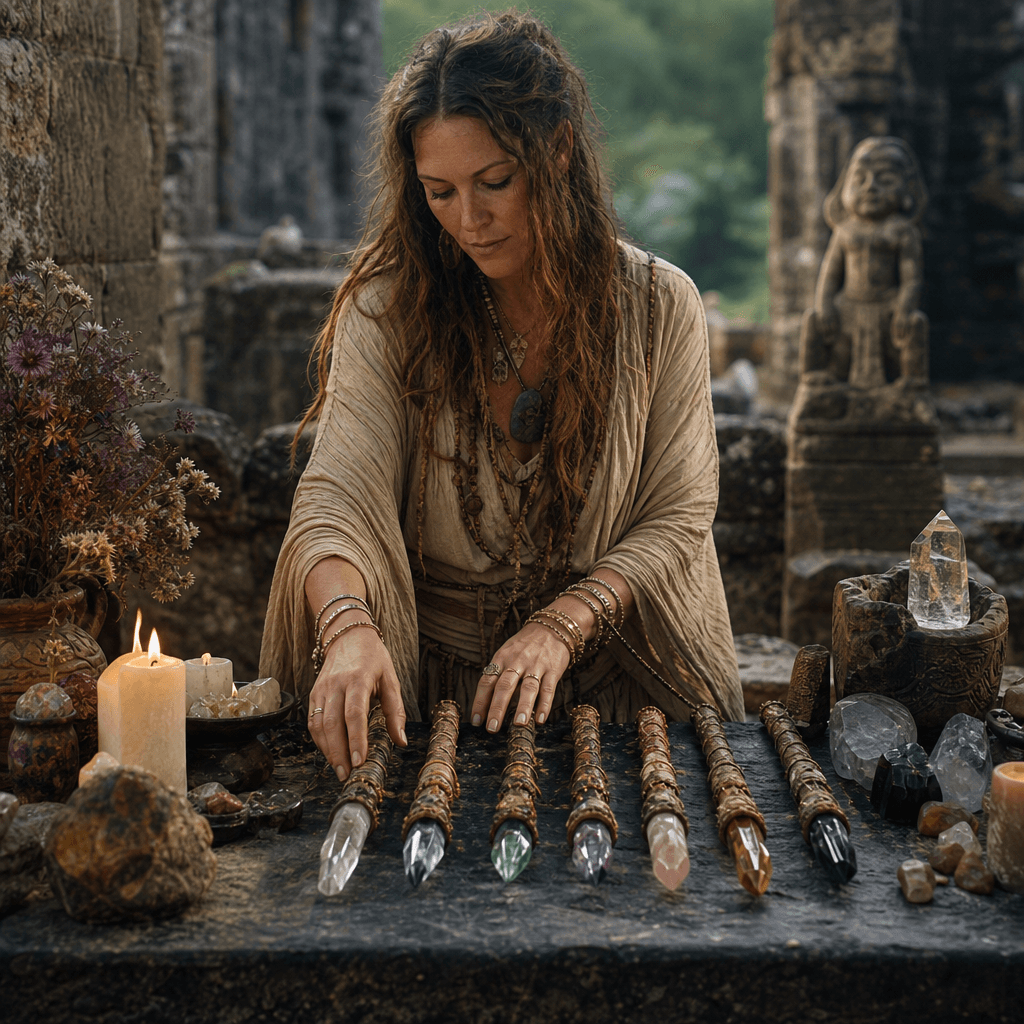
The athame and chalice stand as the most recognized symbols in sacred union ceremonies. The athame embodies masculine energy through its phallic shape, representing the sun, action, and penetrative force. The chalice symbolizes feminine energy as the receptive womb, moon, and vessel of creation. When the athame plunges into the chalice during ritual, this act generates creative energy and represents the cosmic marriage of opposites. Handfasting cords bind hands together to signify commitment and unity, with Celtic traditions featuring a year and a day trial period. Rings and swords seal trust and alliance, with Viking customs incorporating swords to symbolize shared strength between partners. The sun and moon pairing represents the alchemical hieros gamos, merging solar masculine rationality with lunar feminine intuition for complete wholeness. Jumping the broom together leaves the past behind, rooted in Celtic and Romani traditions. Elements and offerings include candles for fire, incense for air, grains for earth, and water for cleansing, while mixed birthland gifts pour onto the ground for fertility blessings. These symbols appear consistently in Wiccan, Druidic, Hindu, Egyptian, and Greek rites, all emphasizing fertility and divine polarity.
Wiccan Sacred Marriage Symbols
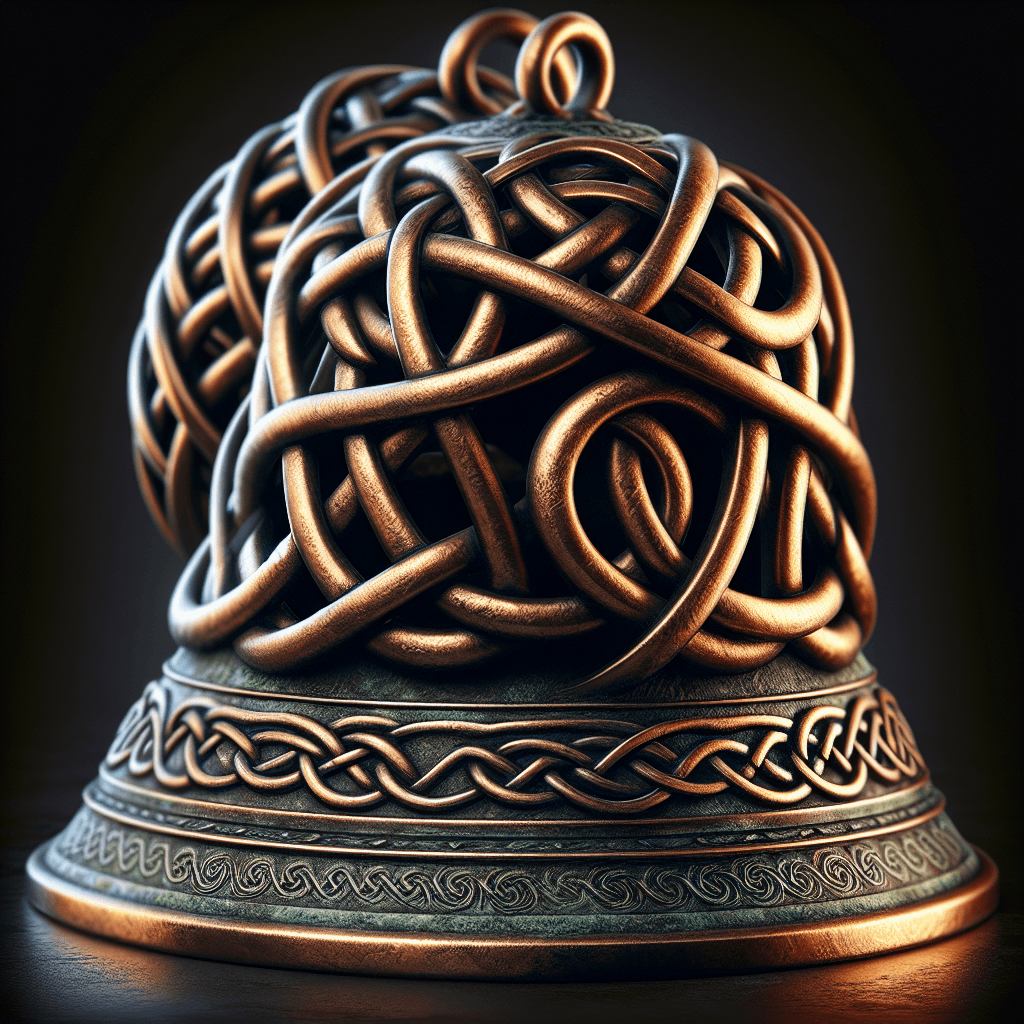
Wiccan sacred union ceremonies incorporate specific ritual tools that carry deep symbolic meaning within the Sacred Union Ritual Symbolism tradition. The athame serves as the primary masculine tool, representing the directing will and active principle in the partnership. The chalice holds the feminine essence, symbolizing the receptive and nurturing aspects of union. Wands, swords, and staffs all carry phallic symbolism and represent the masculine force projecting energy outward. Altars decorated with candles and burning incense create sacred space for offerings to deities or the couple themselves. The pentacle represents the five elements coming together in harmony, while the cauldron symbolizes the womb of the goddess and transformation through union. Handfasting cords, traditionally made from natural fibers, bind the couple’s hands together during vows, with different colors representing various intentions like red for passion, green for fertility, and white for purity. Sacred circles cast around participants create protected space for the ritual work, often performed outdoors to connect with natural energies. Flowers crown the participants, with roses for love, oak leaves for strength, and ivy for fidelity. Salt and water purify the space and participants before the ceremony begins.
These tools work together to create a complete symbolic language that honors both the divine and earthly aspects of partnership. The ritual space becomes a microcosm of the universe where the couple stands at the center as representatives of the god and goddess.
Ancient Fertility Ritual Elements

Ancient fertility ritual elements within Sacred Union Ritual Symbolism focused on ensuring abundance and new life for the community. Beltane fires blazed during spring festivals to encourage livestock fertility and agricultural abundance, with couples leaping over flames together to increase their own fertility. The fivefold kiss honored five sacred points on the body, representing the blessing of the goddess upon feet, knees, womb, breasts, and lips. Veiling the priestess during certain rites emphasized her role as the sacred womb and hidden mysteries of creation. Communal chalice sharing after the union distributed the generated energy throughout the entire gathering, ensuring everyone received blessing from the sacred marriage. Grain and flower petals scattered around the ritual space represented seeds of new life taking root, while honey cakes shared among participants provided sweetness for the future.
Sacred marriage beds decorated with fertile symbols like eggs, seeds, and fruits created the proper environment for consummation rituals. Hieros gamos ceremonies enacted the literal union between god and goddess through their human representatives to ensure earthly abundance for the coming year. Water from sacred wells or springs blessed the couple and connected them to the life-giving properties of the earth. Drumming and dancing raised energy levels and induced trance states that opened gateways between the human and divine realms. Green branches and flowering vines adorned the ritual space to invoke the growing power of nature. Animal sacrifices, where practiced, offered life force back to the gods in exchange for continued fertility and protection. These elements created a complete fertility working that extended beyond the individual couple to bless the entire community.
Divine Masculine Feminine Balance
The concept of divine masculine feminine balance forms the core foundation of Sacred Union Ritual Symbolism across all ancient traditions. Masculine energy manifests through the athame, sun symbolism, and the role of god or priest, emphasizing action, rationality, and directed will. This energy moves outward, penetrates, and initiates change in the physical world. Feminine energy flows through the chalice, moon symbolism, and goddess or priestess role, representing receptivity, intuition, and nurturing wisdom. This energy draws inward, receives, and transforms what it welcomes. The ritual union of these complementary forces births new energy and creates spiritual wholeness that transcends biological sex.
Alchemical traditions describe this as the coniunctio, the sacred marriage of opposites that produces the philosopher’s stone of enlightenment. Jungian psychology calls this the sacred marriage of anima and animus, the inner masculine and feminine aspects that must unite for psychological wholeness. Fire and water elements represent these polarities in nature, with fire’s active yang principle meeting water’s receptive yin principle to create steam and transformation. Solar and lunar cycles mirror this balance, with the sun’s daily journey representing conscious awareness while the moon’s phases reflect unconscious depths and intuitive knowing.

Sacred Egyptian Perfumes and Oils: Ancient Recipes, Magical Scents, and Ritual Uses of Fragrance in Egypt
View ProductThe ritual space itself embodies this balance through altar arrangements that place masculine tools on the right side and feminine tools on the left. Participants invoke both god and goddess energies during ceremonies, calling upon the complete spectrum of divine power. Seasonal celebrations honor this balance through the changing relationship between the sun god and earth goddess throughout the year. This balance creates the foundation for all manifestation, as neither force alone possesses the complete power needed for creation.
Sacred Union Ritual Symbolism continues to inspire modern practitioners seeking deeper spiritual connection and balance in their relationships. Which ancient symbols call to your own spiritual practice and how might you incorporate their wisdom into your personal journey toward sacred union?
Related Items:

Lilly Dupres
Owner & AuthorLilly Dupres, a lifelong practitioner of paganism, established Define Pagan to offer a clear definition of paganism and challenge misconceptions surrounding modern pagan lifestyles.