Traditional Water Rituals of Kupala Night and How to Participate
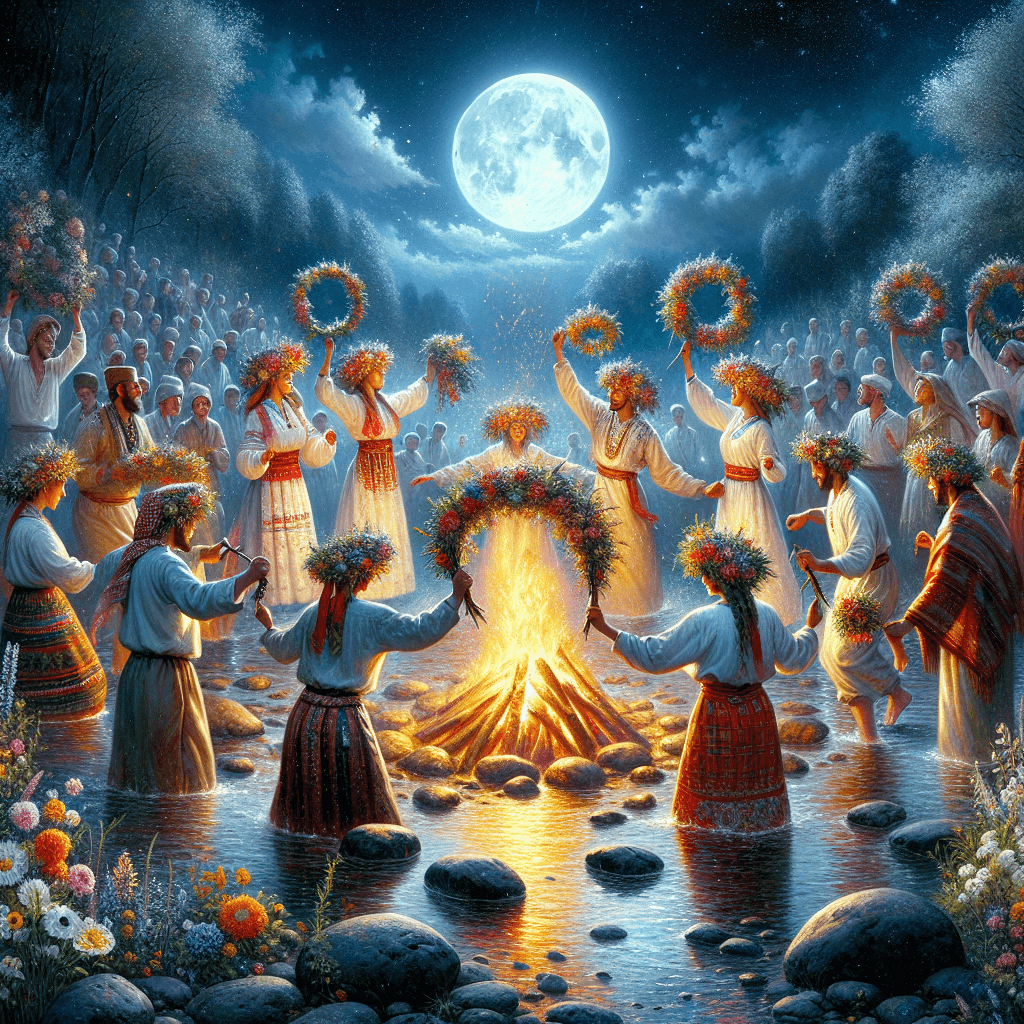
Kupala Night water rituals represent one of the most profound spiritual practices in Slavic paganism, combining ancient wisdom with the transformative power of water during this sacred midsummer celebration. These ceremonies center on purification, magic, and deep connection with nature through bathing, washing with dew, and floating flower wreaths on water. Participation traditionally involves mass bathing in rivers or lakes at dusk or dawn, pouring or dousing water over oneself for spiritual cleansing, and creating flower wreaths with candles to send downstream for divination about fate and love prospects. The rituals stem from the belief that during Kupala Night, water attains extraordinary magical and healing properties capable of cleansing both body and soul while expelling negative energies and evil spirits. This sacred night transforms ordinary water into a conduit for rejuvenation and spiritual renewal, making every drop a vessel of ancient power and wisdom.
Traditional Slavic Water Ceremonies
Traditional Slavic water ceremonies during Kupala Night have roots that stretch back thousands of years, representing a sophisticated understanding of water as a sacred element essential for life, fertility, and cosmic balance. These ceremonies were never mere folklore but constituted genuine spiritual practices that connected communities to the rhythms of nature and the divine feminine energy represented by water spirits and goddesses. The ceremonies typically began before sunset and continued through dawn, with participants gathering at rivers, lakes, springs, and other natural water sources believed to hold the strongest magical properties during this sacred time. Bathing before sunset was particularly widespread, often taking place in natural waters or traditional steam baths called banyas, and these purification rituals continued for weeks until the Christian feast of Elijah’s Day in early August.
The collection of dew from meadows represented another crucial purity rite, with participants rising before dawn to gather this sacred moisture for washing faces and bodies. This practice acknowledged dew as concentrated earth energy, blessed by the night spirits and charged with the power to heal, protect, and beautify those who used it ceremonially. Community participation was essential, as these water ceremonies strengthened social bonds while reinforcing shared spiritual beliefs about the interconnectedness of human life with natural forces. Families would often participate together, passing down techniques and spiritual knowledge through generations while adapting practices to local geographical features and community needs.
The romantic customs involving flower wreaths became central to these ceremonies, with young people weaving intricate designs from locally gathered herbs and flowers, each carrying specific magical properties and intentions. These wreaths were carefully prepared with candles placed at their centers before being floated on rivers or lakes as vessels for divination and wish fulfillment. The behavior of these wreaths provided detailed information about future marriage prospects, fortune, health, and spiritual development, with interpretations varying based on whether they floated or sank, their direction of travel, how the candles burned, and what other natural signs accompanied their journey downstream. Water games and the ceremonial washing of livestock with dew also formed important components of these traditional celebrations, ensuring that the blessing extended beyond human participants to include animals and the broader community ecosystem.
Modern Kupala Night Celebrations
Modern Kupala Night celebrations have experienced a remarkable revival across Slavic countries and diaspora communities worldwide, with contemporary practitioners adapting ancient water rituals to fit urban environments while preserving their essential spiritual significance. These celebrations typically take place outdoors near accessible rivers, lakes, or even constructed water features, combining traditional bathing practices with modern safety considerations and environmental awareness. Contemporary participants often spend weeks preparing for these celebrations, studying historical practices, gathering appropriate flowers and herbs, and creating communities of practice that honor both individual spiritual development and collective cultural preservation. The revival movement has been particularly strong in Ukraine, Belarus, Russia, and Poland, where cultural organizations work to document and preserve traditional knowledge while making these practices accessible to younger generations.
Urban celebrations frequently involve traveling to rural areas where natural water sources remain unpolluted and where local communities still maintain connections to traditional practices and seasonal agricultural cycles. Many modern practitioners combine Kupala Night water rituals with broader ecological activism, using these celebrations to raise awareness about water pollution, climate change, and the importance of protecting natural waterways for both spiritual and environmental reasons. Contemporary celebrations also incorporate workshops on herbalism, traditional crafts, folklore preservation, and sustainable living practices that complement the spiritual aspects of water ritual participation. Social media and digital communication have played crucial roles in connecting scattered practitioners, sharing knowledge, and organizing large-scale celebrations that bring together people from diverse backgrounds united by their interest in Slavic spiritual traditions.
Modern adaptations include creating portable altars for urban practitioners, developing water blessing techniques suitable for apartment living, and establishing community gardens where participants can grow their own ritual herbs and flowers throughout the year. Some contemporary groups have developed year-round practices that maintain connection to water’s sacred properties through monthly new moon ceremonies, seasonal celebrations at each solstice and equinox, and daily meditation practices that honor water as a spiritual ally and teacher. The integration of modern psychology and wellness practices with traditional water rituals has created hybrid approaches that address contemporary mental health concerns while maintaining authentic connections to ancestral wisdom and natural healing modalities.
Slavic Pagan Seasonal Festivals
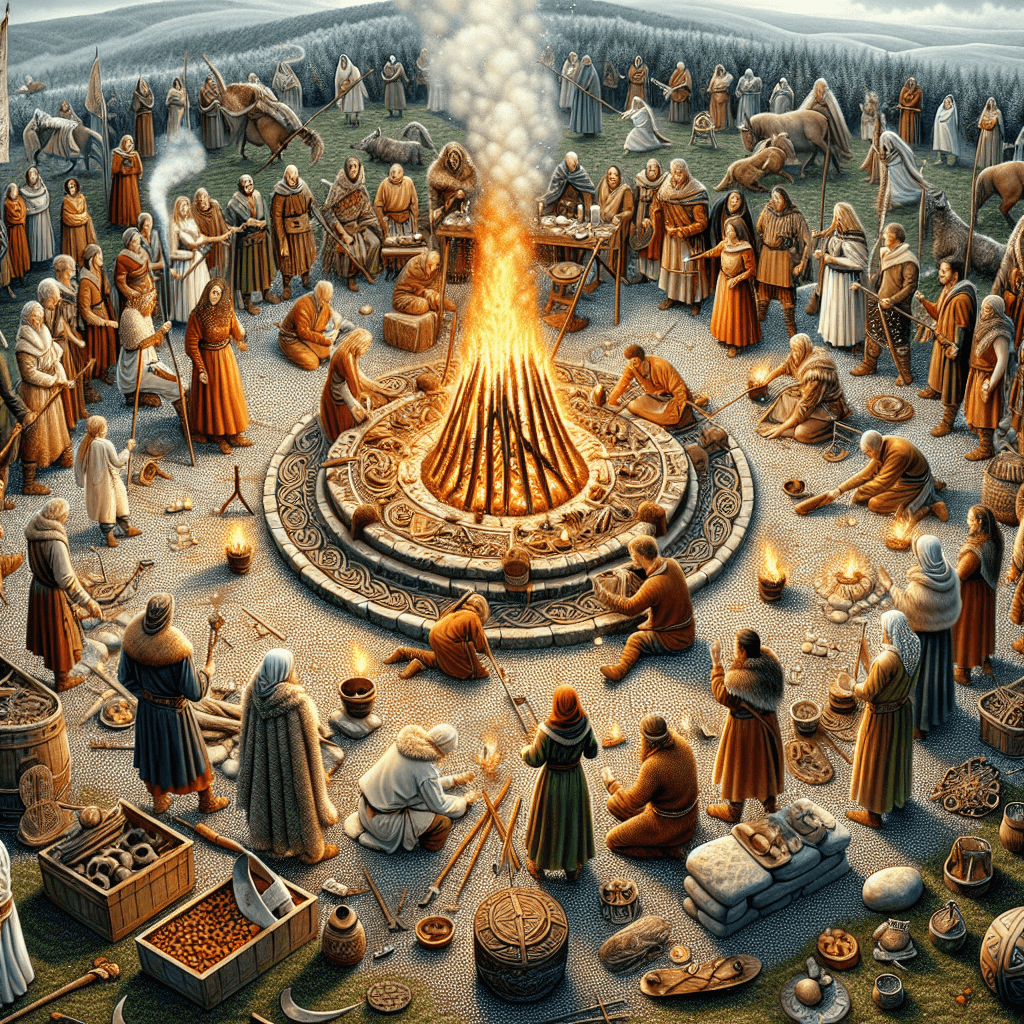
Kupala Night represents the crown jewel within the broader cycle of Slavic pagan seasonal festivals, each celebrating specific aspects of the eternal dance between solar energy, agricultural cycles, and human spiritual development throughout the year. These festivals follow the ancient agricultural calendar, acknowledging that human wellbeing depends entirely on maintaining harmonious relationships with natural forces, seasonal changes, and the spiritual beings that govern fertility, weather, and harvest success. The summer solstice period, when Kupala Night occurs according to the Julian calendar in early July, represents the peak of solar power and the moment when fire and water elements achieve perfect balance in nature and human consciousness. This timing makes Kupala Night water rituals particularly powerful, as participants work with the strongest solar energies while honoring water’s cooling, receptive, and transformative properties.
The festival cycle begins with spring celebrations honoring Vesna, the goddess of spring awakening, continues through various agricultural festivals celebrating planting, growth, and harvest, and concludes with winter celebrations that honor the dormant period necessary for regeneration and renewal. Each festival incorporates water rituals appropriate to the season, from spring’s celebration of melting snow and flowing streams to autumn’s gratitude ceremonies for rain that ensured successful harvests. Kupala Night’s position at the year’s solar peak makes its water rituals uniquely powerful for major life transitions, healing work, and divination practices that require the strongest possible spiritual energies for success and accuracy.


Understanding Kupala Night within this broader festival context reveals how water rituals serve multiple functions beyond individual purification and healing, contributing to community cohesion, cultural continuity, and the maintenance of reciprocal relationships between human communities and the natural world. Modern practitioners increasingly recognize that participating in the full cycle of seasonal festivals provides more profound spiritual benefits than isolated ritual participation, as each celebration builds upon previous experiences while preparing consciousness for subsequent seasonal energies and their associated spiritual opportunities. The integration of fire and water elements during Kupala Night creates a template for balancing opposing forces that practitioners can apply throughout the year, making this festival a cornerstone of effective seasonal spiritual practice.
Sacred Water Blessing Techniques
Sacred water blessing techniques for Kupala Night combine precise ritual methodology with intuitive spiritual practice, creating powerful ceremonies that transform ordinary water into vehicles for healing, protection, and spiritual transformation. The ceremonial gathering of dew at dawn represents perhaps the most subtle and powerful of these techniques, requiring participants to rise in darkness and mindfully collect moisture from flowers, grass, and leaves while the boundary between night and day remains permeable to spiritual influences. This practice demands patience, reverence, and deep attention to natural rhythms, as the most potent dew forms during specific atmospheric conditions that coincide with heightened spiritual activity from water spirits, plant devas, and other nature beings active during liminal dawn hours.
Ritual bathing techniques vary considerably based on local geography, climate, and community traditions, but all emphasize the importance of approaching water with respect, gratitude, and clear spiritual intentions rather than casual recreational attitudes. Participants typically begin with meditation or prayer to establish proper spiritual orientation, followed by gradual entry into water with mindful attention to temperature, current, depth, and the water’s response to human presence. The symbolic washing involves specific movements and breathing patterns designed to release negative energies, emotional blockages, and spiritual impurities while inviting healing, renewal, and divine blessing into body, mind, and spirit simultaneously.
The creation and blessing of flower wreaths represents a sophisticated form of botanical magic that requires knowledge of plant properties, seasonal availability, and the spiritual significance of different flower and herb combinations for specific magical intentions. Practitioners typically spend considerable time selecting appropriate materials, often gathering them during specific lunar phases or times of day when plant energies align with ritual objectives and desired outcomes. The weaving process itself becomes a meditative practice that imbues each wreath with focused intention, personal energy, and connection to the broader web of natural forces that will carry these intentions downstream toward manifestation.
Floating these blessed wreaths creates a powerful form of divination and manifestation work, as participants learn to read the subtle signs provided by water’s interaction with their offerings while simultaneously releasing attachment to specific outcomes and trusting in divine timing for their prayers’ fulfillment. Advanced practitioners develop sophisticated interpretive skills for reading wreath behavior, current patterns, weather changes, and animal responses that provide detailed guidance about timing, obstacles, necessary actions, and alternative approaches for achieving desired goals. These blessing techniques require years of practice to master fully, but even beginners can experience profound spiritual benefits from sincere participation in these ancient and powerful Kupala Night water rituals.
Have you considered how incorporating these ancient water blessing practices might deepen your own spiritual connection to the natural world and seasonal cycles?
Related Items:

Lilly Dupres
Owner & AuthorLilly Dupres, a lifelong practitioner of paganism, established Define Pagan to offer a clear definition of paganism and challenge misconceptions surrounding modern pagan lifestyles.