Traditional Rituals Performed During Harvest Moon Blessing Ceremonies for Gratitude and Abundance
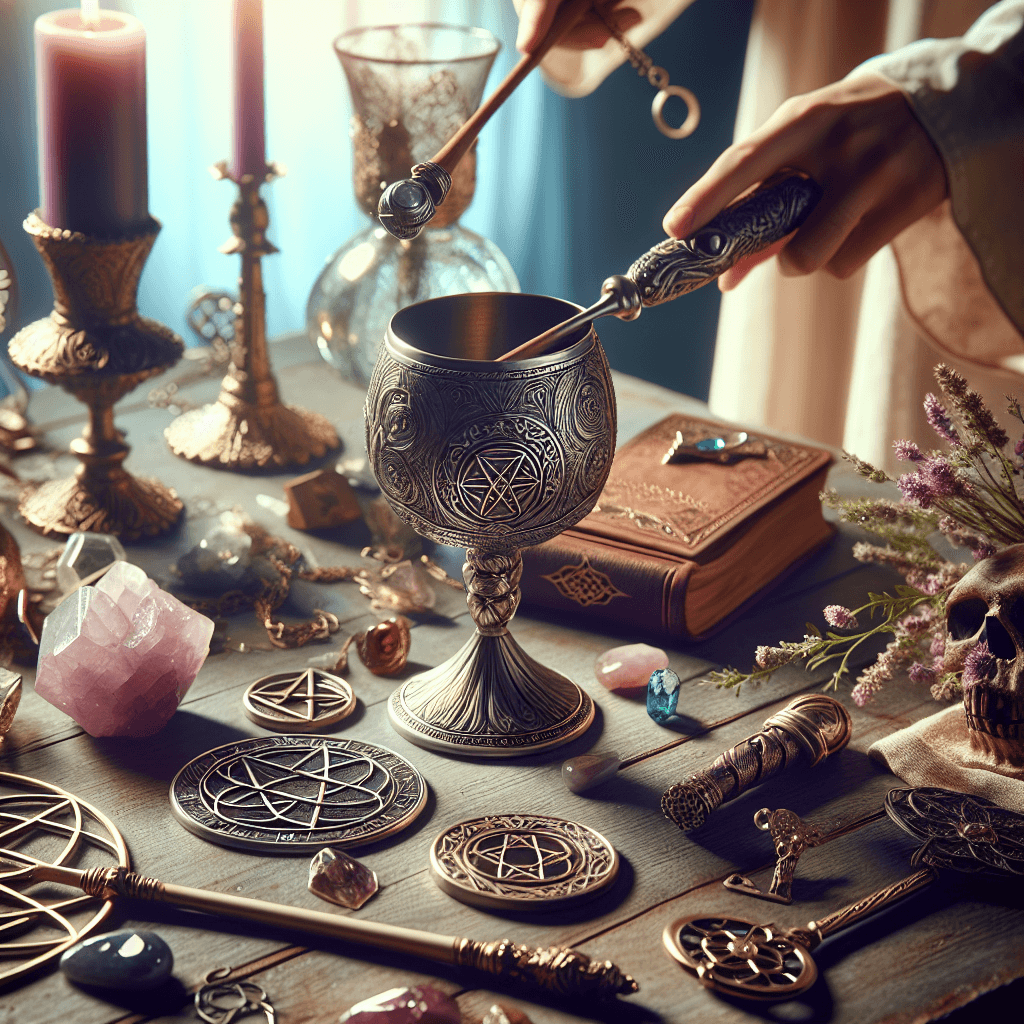
Harvest Moon Blessing Ceremonies draw from ancient pagan wisdom while embracing modern spiritual practices, creating powerful rituals that honor the earth’s bounty while inviting prosperity into our lives. These ceremonies typically involve creating sacred altars adorned with seasonal produce like apples, corn, pumpkins, grains, and autumn leaves, accompanied by the warm glow of gold, orange, or white candles. Practitioners write detailed gratitude lists on paper, reading each blessing aloud before placing them under grains or sealing them in jars with seeds to manifest abundance. Fire ceremonies and candle rituals form another cornerstone of these practices, where participants express heartfelt thanks while offering produce or incense to deities, spirits, and ancestors such as Demeter, Persephone, or Yemaya. The practice of releasing burdens by burning or submerging written lists under moonlight creates space for new blessings to enter. Moonlight practices round out these traditional approaches through outdoor meditation, crystal charging under lunar beams, mindful consumption of harvest foods, and making offerings to animals and nature spirits for continued prosperity. These rituals create a sacred bridge between the physical harvest and spiritual abundance, fostering deep gratitude while aligning practitioners with natural cycles of giving and receiving.
Traditional Autumn Gratitude Rituals
Traditional autumn gratitude rituals form the foundation of Harvest Moon Blessing Ceremonies, drawing deep inspiration from ancient harvest festivals like Mabon and Lammas that celebrated the season’s generous bounty. These time-honored practices begin with constructing elaborate altars featuring vibrant autumn leaves in shades of gold, crimson, and amber, alongside acorns that symbolize potential and growth, citrine crystals for abundance, and meaningful runes such as Gebo representing gifts exchanged between the earthly and divine realms. Practitioners carefully write specific blessings on paper strips, documenting everything from family relationships and health to career achievements and personal growth milestones. Each blessing is folded toward the body to draw energy inward, then sealed in glass jars alongside acorns to maintain the connection between gratitude and future abundance. The ritual continues with offerings of wine, cider, or aromatic incense to honor spirits and ancestors who have contributed to the year’s successes.
Fire ceremonies occupy a central role in these traditional practices, echoing ancient Celtic and Native American customs that celebrated successful harvests through communal flames. Participants light sacred fires or arrange multiple candles while offering prayers of thanksgiving, allowing the dancing flames to carry their words of gratitude skyward. The act of dancing and singing around these fires serves a dual purpose, releasing accumulated stress and negative energy while celebrating the joy of abundance. Many practitioners leave edible offerings such as overripe produce for local wildlife, acknowledging that abundance should be shared with all beings who contribute to the earth’s fertility. The integration of specific herbs like cinnamon for prosperity and basil for protection adds layers of intention to anointed candles that are carved with personal symbols or words representing desired outcomes.
The placement of coins and grains beside these herbal candles creates a powerful manifestation grid that continues working long after the ceremony concludes, drawing ongoing abundance through the winter months. These traditional approaches emphasize the interconnectedness of all life, recognizing that personal prosperity flows most freely when we acknowledge our place within larger natural cycles. The repetitive nature of these annual rituals builds spiritual momentum over time, creating deeper connections with ancestral wisdom while establishing personal traditions that can be passed down through generations. Each element within these ceremonies carries symbolic weight, from the colors chosen for altar cloths to the specific types of wood selected for sacred fires, ensuring that every aspect supports the overarching themes of gratitude and abundance.
Modern Harvest Moon Celebrations
Modern Harvest Moon Celebrations seamlessly blend traditional Wiccan esbat practices with contemporary approaches to personal growth and manifestation, creating innovative ceremonies that speak to today’s spiritual practitioners while honoring ancient wisdom. The Silver Surrender release technique exemplifies this modern approach, where participants write down what they wish to release on biodegradable paper, cover each piece with a carefully selected autumn leaf, then burn or submerge these offerings while chanting affirmations like As nature lets go, so shall I. This practice acknowledges that abundance often requires releasing what no longer serves, making space for new blessings to enter our lives. Following the release portion, practitioners spend time under moonlight renewing their intentions and setting clear goals for the coming season, using the Harvest Moon’s powerful energy to supercharge their manifestations.
Gratitude jars have become increasingly popular in modern celebrations, offering a tangible way to maintain connection with abundance throughout the year. These beautiful containers are filled with handwritten blessing papers alongside seeds that represent future growth, creating living symbols of appreciation that continue evolving long after the ceremony ends. Many practitioners also work with smooth stones during their rituals, holding these natural objects while infusing them with specific gratitudes, then carrying them as pocket reminders of their many blessings. The stones serve as anchoring tools that help maintain the ceremony’s elevated energy during daily life, providing instant access to feelings of abundance whenever they’re touched or held.
The practice of anointing candles for specific purposes has expanded significantly in modern celebrations, with practitioners creating detailed intention candles for courage, protection, love, and prosperity using carefully selected herbs, oils, and crystals. Rose petals might be pressed into red candles for love workings, while quartz chips are embedded in white candles for clarity and spiritual protection. Moon water creation has also gained tremendous popularity, with practitioners leaving bowls of pure water under the Harvest Moon’s light overnight, then using this charged water for cleansing rituals, blessing tools, or creating future ceremony spaces. The creation of artistic altars featuring different moon phases allows for deeper connection with lunar energy throughout the entire cycle, not just during the full moon.
These modern adaptations often incorporate technology mindfully, with some practitioners creating digital gratitude journals or using apps to track lunar cycles while maintaining the essential hands-on, earth-connected elements that make these ceremonies powerful. The emphasis on personal customization means that no two modern Harvest Moon Celebrations look exactly alike, as each practitioner adapts traditional elements to fit their living situation, spiritual path, and individual needs. Urban practitioners might create rooftop ceremonies or work with potted plants when outdoor space is limited, while those in rural areas might incorporate larger landscapes into their ritual work. This flexibility ensures that Harvest Moon Blessing Ceremonies remain accessible and relevant regardless of location or lifestyle, maintaining their transformative power while adapting to contemporary spiritual needs.
Slavic Seasonal Rituals: Agricultural Cycles
Slavic seasonal rituals tied to agricultural cycles offer profound insights into Harvest Moon Blessing Ceremonies, though these ancient practices are less documented in mainstream pagan literature compared to Celtic or Germanic traditions. The Dozhinki harvest thanksgiving celebrations provide excellent examples of how agricultural communities honored the earth’s productivity through elaborate communal feasts, intricate wheat and grain wreaths, and specific offerings to deities like Rod, the supreme creator god associated with fertility and abundance, and Mokosh, the earth mother goddess who governed harvests and women’s work. These celebrations recognized that individual prosperity was inseparable from community wellbeing, emphasizing shared abundance through potluck-style feasts where every family contributed dishes made from their own harvested ingredients. The weaving of grain dollies and corn maidens served both decorative and spiritual purposes, as these crafted figures were believed to house the spirit of the grain through winter months, ensuring successful planting and growth in the following spring.
The creation of elaborate bonfires formed another crucial element of Slavic harvest celebrations, with communities gathering fallen branches, dried stalks, and other agricultural debris to create massive fires that could be seen from great distances. These fires served multiple purposes beyond simple celebration, as the smoke was believed to carry prayers and offerings directly to the gods while the ashes would later be scattered across fields to enhance fertility for future growing seasons. Participants would dance in circles around these fires, often wearing crowns made from wheat, barley, or rye, while singing traditional songs that had been passed down through countless generations. The circular dancing patterns represented the eternal cycles of planting, growing, harvesting, and resting that governed agricultural life, while the songs often contained practical wisdom about farming techniques disguised as spiritual or mythological stories.
Offerings to household spirits called domovoi played significant roles in Slavic harvest rituals, as these protective beings were believed to influence family prosperity and agricultural success throughout the year. Families would leave portions of their finest harvested grains, fruits, and vegetables on special shelves or in designated corners of their homes, often accompanied by fresh bread baked specifically for these spirits. The preparation of special harvest breads involved complex braiding patterns that represented different aspects of abundance, with some loaves shaped like suns to honor the life-giving energy that made crops possible, while others took the form of sheaves or spirals representing the cyclical nature of agricultural work. These breads were often blessed by community elders or wise women who possessed knowledge of appropriate incantations and timing for maximum spiritual effectiveness.

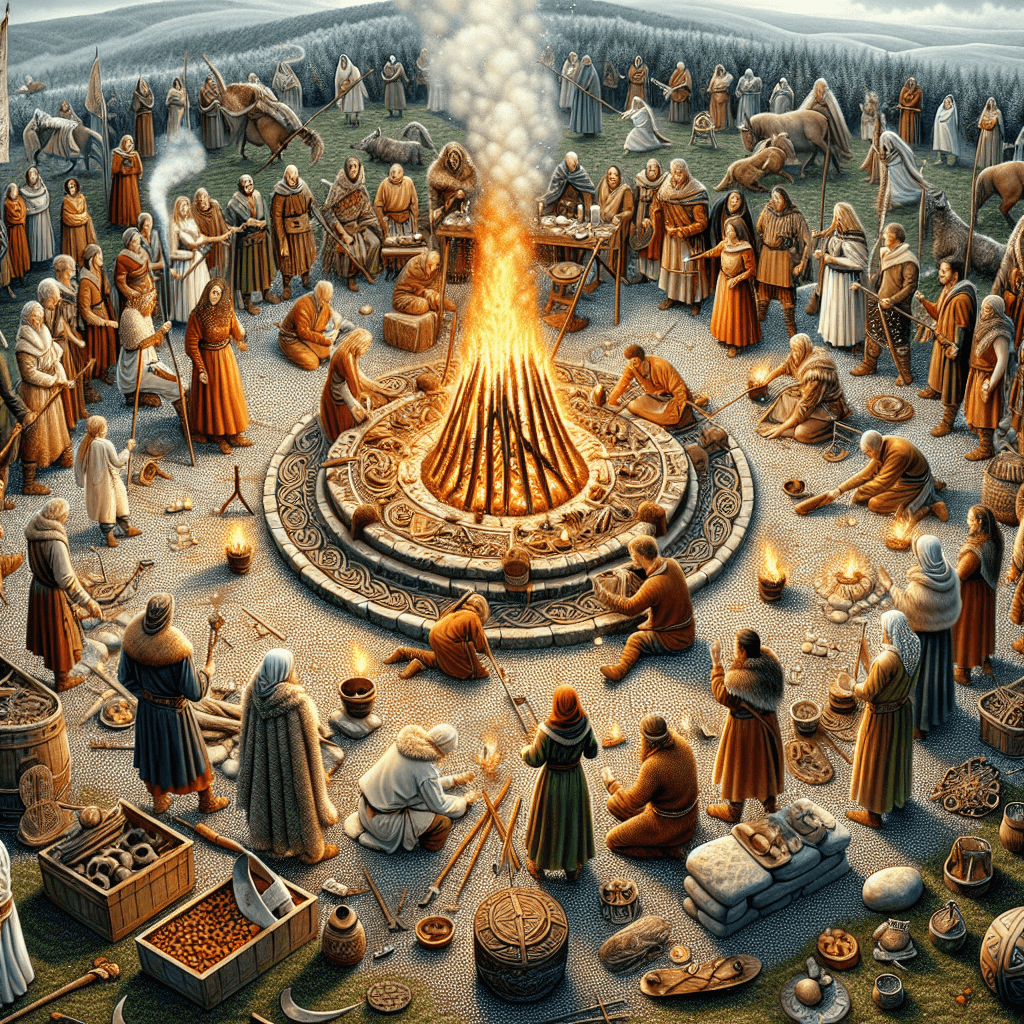

The emphasis on community cooperation during harvest time created natural opportunities for group ceremonies that strengthened social bonds while honoring spiritual connections to the land. Families would work together to bring in crops, with each day’s labor followed by evening gatherings featuring storytelling, music, and shared meals that celebrated the day’s accomplishments. These daily mini-ceremonies built toward larger celebration events that marked the completion of harvest work, often coinciding with astronomical events like the autumn equinox or significant full moons. The integration of practical agricultural work with spiritual practice meant that every aspect of harvest time carried sacred significance, from the sharpening of scythes to the final storage of grain in root cellars, creating a seamless blend of material and spiritual abundance that modern practitioners can adapt for contemporary Harvest Moon Blessing Ceremonies.
Sacred Moonlight Blessing Practices
Sacred moonlight blessing practices represent the pinnacle of Harvest Moon Blessing Ceremonies, harnessing the full moon’s transformative energy to create profound spiritual experiences that resonate long after the lunar event passes. These practices begin with carefully planned outdoor meditations conducted directly under the moon’s luminous gaze, where practitioners position themselves comfortably on blankets or meditation cushions while allowing the silvery light to wash over their bodies and energy fields. The breathing techniques employed during these sessions focus on honoring completions and achievements from the past lunar cycle while setting intentions for new growth and abundance in the coming month. Visualization exercises involving protective white light bubbles or columns of lunar energy help practitioners feel safe and supported during their outdoor ritual work, while carefully selected crystals like citrine for abundance, carnelian for courage, and tiger’s eye for discernment amplify the moon’s natural energies and focus them toward specific goals and intentions.
The practice of creating elaborate offerings combined with traditional chants forms another essential component of sacred moonlight blessings, as practitioners invoke powerful deities and spiritual beings whose domains encompass abundance, protection, and transformation. Freyr, the Norse god of prosperity and harvest, receives offerings of golden candles anointed with honey and herbs, while Inanna, the Mesopotamian goddess of abundance and fertility, is honored with frankincense incense and bowls of fresh water that reflect moonlight like mirrors. Even figures like Saint Michael, who bridges pagan and Christian traditions, can be incorporated into these ceremonies through offerings of white candles and protective incantations. The careful selection and consecration of incense varieties including jasmine for spiritual love, frankincense for divine connection, and sandalwood for purification creates aromatic clouds that carry prayers and intentions directly to these spiritual beings while creating sacred space that feels distinctly separate from ordinary reality.
The placement of water bowls, roots from sacred trees, and other natural elements around the ceremony space creates a living mandala that channels lunar energy in specific directions while maintaining connection to earth-based spirituality. Many practitioners leave their complete altar setups outdoors overnight, allowing the moon’s energy to charge every element from crystals and candles to written intentions and offering dishes. This overnight charging process transforms ordinary objects into powerful magical tools that retain lunar energy for future use throughout the month, providing ongoing connection to the ceremony’s transformative power even during daily routines and challenges.
Creative expression and nature immersion activities add deeply personal dimensions to sacred moonlight practices, as participants engage in inspired journaling sessions that capture insights and revelations received during meditation and prayer portions of their ceremonies. Some practitioners create spontaneous paintings or drawings using art supplies brought specifically for this purpose, allowing the moon’s creative energy to flow through their hands onto paper or canvas without conscious planning or editing. The playing of musical instruments like drums, flutes, or singing bowls under moonlight activates intentions through sound vibrations that travel far beyond the immediate ceremony space, while also providing rhythmic foundations for ecstatic dance or movement practices that help integrate the ceremony’s energy into physical bodies and cellular memory. These multisensory approaches ensure that Harvest Moon Blessing Ceremonies engage every aspect of human experience from intellectual understanding to emotional processing to physical embodiment, creating lasting transformation that continues unfolding long after the moon wanes and disappears from view.
The enduring power of these sacred moonlight practices lies in their ability to connect individual spiritual growth with larger cosmic cycles, reminding practitioners that personal abundance flows most freely when aligned with natural rhythms and universal principles of gratitude, generosity, and reciprocity. As you consider incorporating these elements into your own Harvest Moon Blessing Ceremonies, which of these practices calls most strongly to your spirit, and how might you adapt them to create meaningful traditions that honor both ancient wisdom and your unique spiritual path?
Related Items:

Lilly Dupres
Owner & AuthorLilly Dupres, a lifelong practitioner of paganism, established Define Pagan to offer a clear definition of paganism and challenge misconceptions surrounding modern pagan lifestyles.