How do you adapt ancient pagan rituals to reflect your personal spiritual beliefs and modern lifestyle?
Personalizing Traditional Pagan Ceremonies

Paganism for Beginners: The Complete Guide to Nature-Based Spirituality for Every New Seeker
View ProductPersonalizing Traditional Pagan Ceremonies starts with understanding that these sacred practices were never meant to be rigid, unchanging formulas. Ancient pagans themselves adapted their rituals based on local customs, available resources, and community needs. Your journey begins by studying traditional ceremonies that speak to your soul, then identifying which elements truly resonate with your spiritual path.
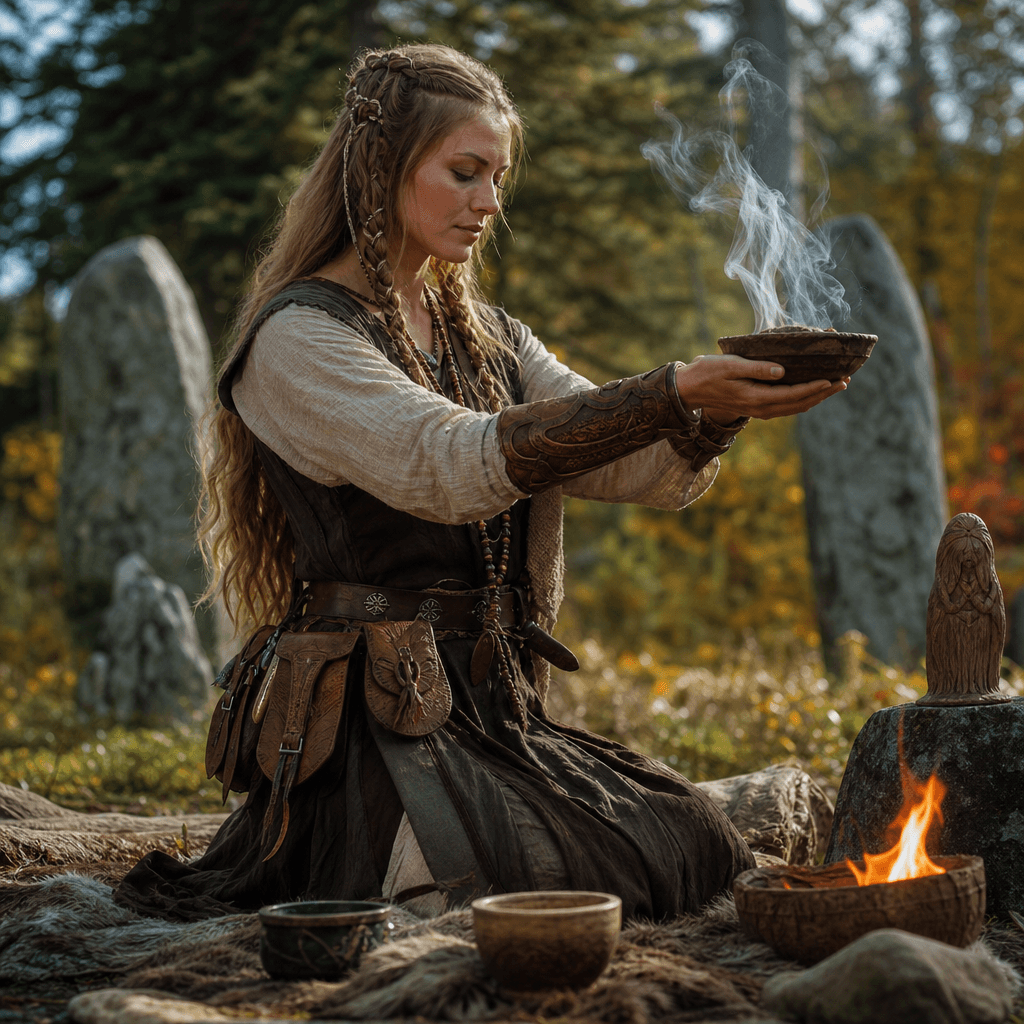
The beauty of personalizing traditional pagan ceremonies lies in the freedom to honor both ancient wisdom and your authentic self. Start by examining core components of established rituals—the seasonal celebrations, moon phases, deity invocations, and elemental correspondences. Perhaps you’re drawn to Celtic traditions but live in the desert Southwest. You might incorporate local cacti flowers instead of traditional oak leaves, or honor the spirits of your bioregion rather than exclusively European deities. This isn’t cultural appropriation when done respectfully; it’s spiritual evolution.
Consider your daily reality when adapting these practices. If traditional ceremonies call for rare herbs or tools, substitute with items that hold similar energetic properties and are accessible to you. A kitchen knife can serve as an athame, a ceramic bowl as a chalice, and your backyard garden as sacred grove. The intention and reverence you bring matter far more than expensive ritual implements. Many modern practitioners find that personalizing traditional pagan ceremonies actually deepens their connection to the divine because the rituals become authentic expressions of their lived experience rather than performances of someone else’s spiritual path.
Creating Personal Ritual Spaces
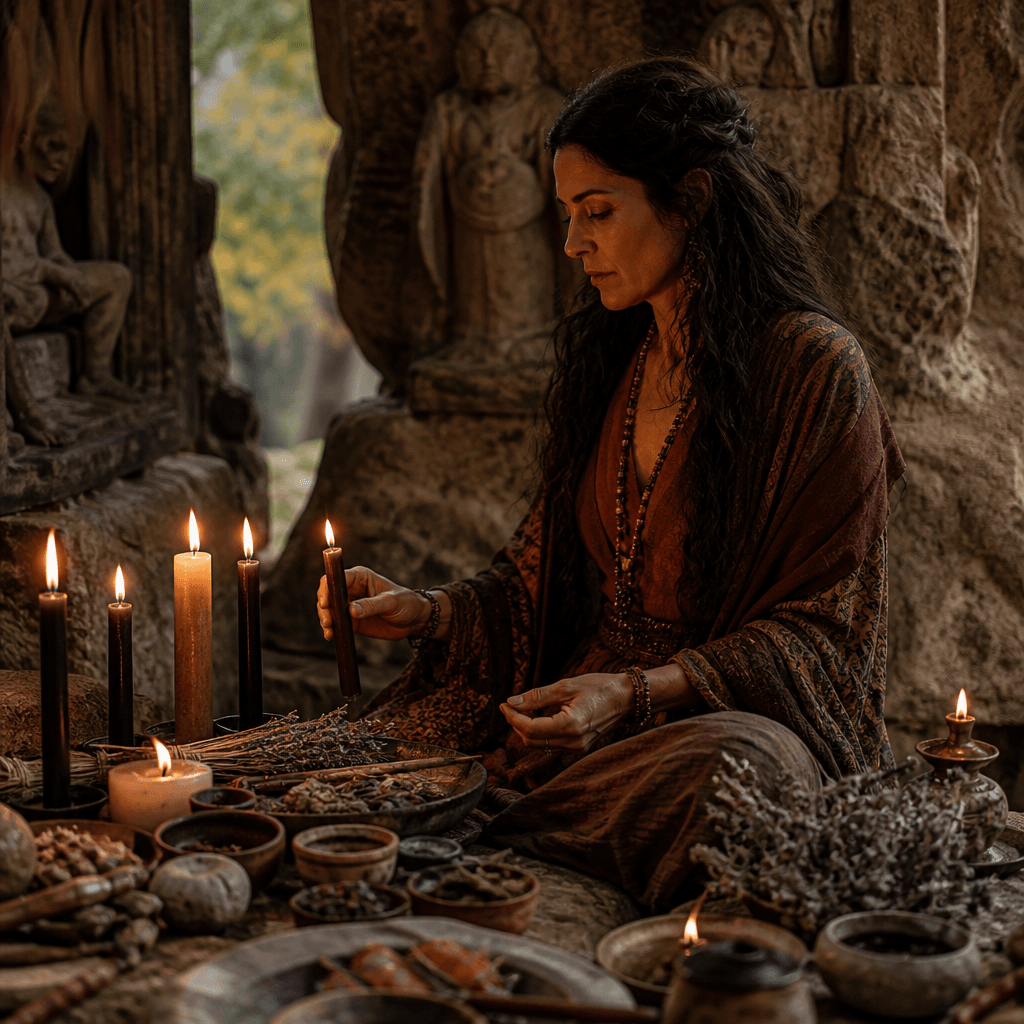
Your sacred space should reflect both ancient wisdom and your personal spiritual journey. Traditional pagan practices often emphasize the importance of creating a boundary between the mundane and sacred worlds, but this doesn’t require elaborate temple setups or perfect ritual rooms. Modern practitioners excel at crafting meaningful spaces within the constraints of apartment living, shared households, or busy family life.
Start with the basics: designate a specific area for your spiritual work, even if it’s just a corner of your bedroom or a portable altar box that can be set up anywhere. The key is consistency—returning to the same space or ritual setup helps train your mind to shift into sacred consciousness. Incorporate elements that speak to your personal spiritual path: crystals that you’ve cleansed and charged with intention, photos of ancestors or spiritual teachers, natural objects from meaningful places in your life, and colors that resonate with your energy.
Seasonal adaptation keeps your space alive and connected to natural cycles. Swap out altar decorations to reflect the Wheel of the Year, bringing in fresh flowers during spring, shells and bright stones for summer, fallen leaves and harvest fruits for autumn, and evergreen boughs or protective stones during winter. This practice maintains the ancient pagan connection to seasonal rhythms while allowing for personal creativity and local environmental influences.
Don’t underestimate the power of scent and sound in creating sacred space. Essential oils, incense, or even herbs from your kitchen can transform ordinary areas into ritual space. Similarly, instruments like bells, drums, or singing bowls—or even recorded music that moves your spirit—help establish the energetic boundaries that traditional circle casting accomplishes. The goal is creating a multisensory experience that signals to your consciousness that you’re entering sacred time and space.
Advanced Guide Writing Pagan Ritual Scripts
Writing your own ritual scripts transforms you from passive participant to active co-creator with the divine forces you’re working with. Effective ritual scripting begins with clearly defining your purpose: are you celebrating a seasonal transition, marking a personal milestone, seeking guidance, or working specific magic? This intention becomes the backbone around which all other elements organize themselves.

Structure your scripts using the classical framework that has served pagans for millennia: opening sacred space, invoking divine presences or elemental powers, stating your purpose, performing the central working, giving thanks, and closing sacred space. Within this framework, your personal voice can shine through choice of deities, symbols, words, and actions. If traditional invocations feel foreign on your tongue, research the mythological and symbolic meanings behind them, then craft new invocations that carry the same energetic intention but speak in your authentic voice.
Consider your audience when writing scripts. Solitary practitioners have complete freedom to include personal references, private jokes with their deities, or intimate spiritual language. Group rituals require more universal language while still maintaining the personal touches that make ceremonies meaningful rather than generic. Include moments for spontaneous expression—places where participants can speak their own prayers, share personal intentions, or move as spirit guides them.
Layer multiple levels of meaning into your scripts. Surface level words and actions should be clear and accessible, but deeper symbolic elements reward contemplation and repeated practice. Include sensory elements: what will participants see, hear, smell, taste, and touch during the ritual? These physical anchors help integrate spiritual experiences into embodied memory. Most importantly, write scripts that you genuinely want to perform. If the words don’t move you during the writing process, they won’t carry power during the ritual itself.
Adapting Ancient Ceremonies to Modern Practice
Ancient pagan ceremonies emerged from agricultural societies with strong community bonds, direct relationship to natural cycles, and significantly different social structures than we experience now. Successful adaptation requires understanding the essential spiritual purposes behind traditional forms, then finding contemporary expressions that serve those same purposes within modern contexts.
Take seasonal celebrations as a prime example. Ancient harvest festivals assumed communities of people who grew their own food and whose survival depended on successful crops. Modern urban pagans might not personally harvest grain, but they can still honor the themes of abundance, gratitude, community sharing, and preparation for leaner times. Your Lughnasadh celebration might include sharing homemade bread with neighbors, donating to food banks, or creating art that celebrates the creativity and skill of human hands working with natural materials.
Technology offers unique opportunities for adaptation without losing spiritual authenticity. Video calls allow far-flung spiritual families to celebrate together across distances. Apps can help track lunar and seasonal cycles for urban dwellers who don’t see much sky. Online research provides access to historical information about ancient practices that can inform your adaptations. However, balance digital convenience with the embodied, sensory experiences that make ritual psychologically and spiritually effective.
Work schedules, family responsibilities, and social expectations of modern life require creative timing solutions. If you can’t celebrate the exact date of a sabbat, honor the general season with flexibility. Create abbreviated daily or weekly practices that maintain connection to longer ceremonial cycles. Involve children, partners, or roommates in ways that respect their comfort levels while maintaining the integrity of your spiritual practice. Remember that ancient pagans also adapted their practices to practical constraints—your adaptations continue this tradition rather than betraying it.
Choosing Meaningful Pagan Symbols
Symbols serve as bridges between conscious mind and deeper spiritual realities, so choosing ones that genuinely resonate with your psyche is crucial for effective ritual work. While traditional pagan symbols like pentagrams, ankhs, and Thor’s hammers carry centuries of accumulated spiritual energy, your personal symbol vocabulary should extend beyond these classics to include images, objects, and associations that speak directly to your individual spiritual path.

Elder Futhark Rune Set, 25 Pcs Wooden Viking Rune Tiles with Vegvisir Storage Box, Norse Divination Set for Pagan Altar, Witchcraft, Meditation and Spiritual Practice
View ProductStart by examining symbols that have appeared repeatedly in your life: animals you’ve always felt drawn to, geometric patterns that catch your eye, natural phenomena that move you deeply, or even seemingly random objects that consistently show up during meaningful moments. These personal symbols often carry more immediate power in your ritual work than traditional ones that don’t spark genuine connection. Research both historical meanings and your personal associations with symbols to build a rich vocabulary for ritual use.
Color symbolism offers another layer of personalization. While traditional correspondences provide useful starting points, pay attention to your instinctive responses to different colors. If traditional green for earth element feels flat to you, but rich brown evokes deep connection to soil and growing things, trust your instincts. Your nervous system’s responses to color, scent, texture, and sound create the pathways through which ritual symbols affect consciousness and energy.
Consider cultural appropriateness when adopting symbols from traditions outside your heritage. Respectful appreciation involves understanding symbols within their original contexts, acknowledging their sources, and ensuring your use honors rather than trivializes their original meanings. Focus primarily on symbols from traditions you have genuine connection to—whether through ancestry, extensive study, or initiated practice—while remaining open to universal symbols that appear across multiple cultures without belonging exclusively to any single tradition.
Personalizing Traditional Pagan Ceremonies creates a bridge between ancient wisdom and contemporary spiritual needs, allowing you to honor tradition while crafting practices that genuinely serve your spiritual growth. The most powerful rituals emerge when you balance respect for established forms with courage to follow your authentic spiritual instincts.
What ancient pagan traditions are calling to your spirit, and how might you begin adapting them to reflect your unique spiritual path and modern life circumstances?