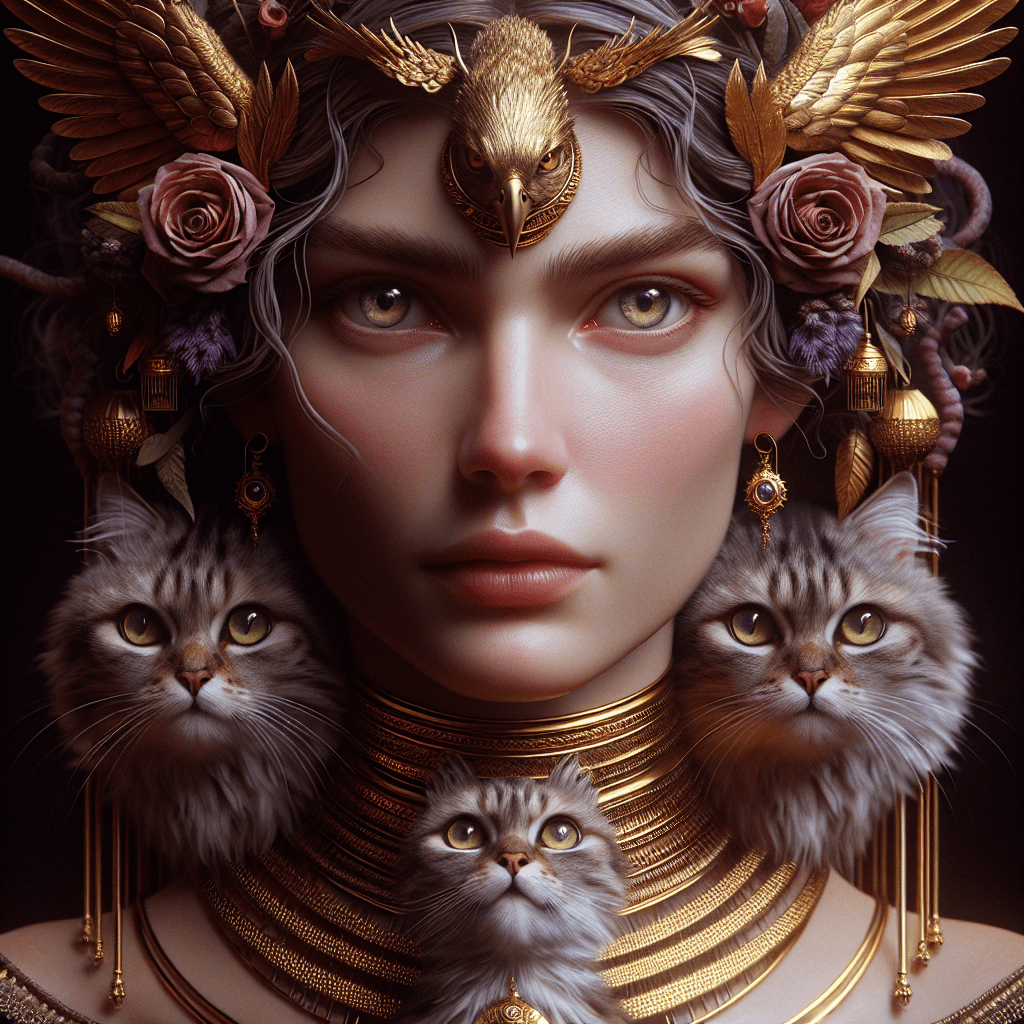
How can Freyja help modern women connect with their feminine divine power and inner goddess energy?

Mythology (75th Anniversary Illustrated Edition): Timeless Tales of Gods and Heroes
View ProductThis ancient Norse goddess stands as one of the most powerful archetypes for women seeking to reclaim their authentic strength, sexuality, and spiritual sovereignty. Freyja feminine divine power transcends simple categorization, embodying the full spectrum of what it means to be divinely feminine in all its complexity and contradiction.
Unlike sanitized modern interpretations of femininity, Freyja refuses to be boxed into comfortable stereotypes. She is simultaneously the goddess of love and war, beauty and death, fertility and magic. This multifaceted nature makes her particularly relevant for contemporary women who are tired of choosing between being nurturing or fierce, sensual or spiritual, gentle or powerful.
Freyja shows us that true feminine divine power encompasses all these aspects without apology or compromise. Her energy teaches modern women to embrace their complete selves, including the parts that society might deem too intense, too sexual, too magical, or too independent. Through connecting with Freyja’s archetype, women learn to honor their intuition as sacred wisdom, their desires as divine guidance, and their anger as righteous fire.
She reminds us that feminine power doesn’t require permission or validation from external sources. Instead, it springs from an internal well of knowing that connects us to the ancient wisdom of our ancestors and the natural cycles of the earth. Working with Freyja’s energy helps women break free from limiting beliefs about what they should be and instead embrace the fullness of what they are. This goddess doesn’t ask women to be perfect or pure; she asks them to be authentically powerful and unapologetically themselves.
Norse Goddess Hierarchy, Freyja Divine Attributes, Vanir Tribe Mythology, Ancient Feminine Deities
Within the complex Norse goddess hierarchy, Freyja holds an exceptionally unique position that sets her apart from other ancient feminine deities. Her divine attributes stem from her origins within the Vanir tribe mythology, a group of gods associated with fertility, wisdom, and the ability to see into the future. When the Æsir-Vanir war ended, Freyja was sent as a hostage to the Æsir, but rather than being diminished by this arrangement, she became one of the most revered figures in both pantheons.
This dual citizenship allowed her to bridge two distinct spiritual traditions, combining the Vanir’s deep earth wisdom with the Æsir’s cosmic authority. Her divine attributes reflect this synthesis: she governs love and sexuality while also commanding respect as a war goddess who claims half of all fallen warriors for her hall, Fólkvangr. This means she literally has equal claim with Odin over the heroic dead, positioning her as a goddess of both life-giving force and death’s transformative power.
What makes Freyja’s feminine divine power so compelling is how it challenges conventional notions of feminine deities as purely nurturing or passive. She actively pursues her desires, whether for magical knowledge, beautiful objects, or passionate encounters. The myths tell us she learned seiðr magic, a form of Norse sorcery associated with fate and transformation, and taught it to the Æsir gods, positioning her as both student and teacher of the sacred arts.
Her willingness to use her sexuality as a source of power rather than something to be protected or hidden was revolutionary for its time and remains radical today. Ancient feminine deities like Freyja served as examples of what women could be when unconstrained by patriarchal limitations, embodying sovereignty, magical power, and sexual agency as interconnected aspects of divine femininity rather than contradictory forces.
Brísingamen Necklace, Sacred Cats, Boar Symbolism, Seiðr Magic Connection

The symbols associated with Freyja reveal the depth and complexity of her feminine divine power, each element carrying layers of meaning that speak to different aspects of the sacred feminine. The famous Brísingamen necklace, perhaps her most recognizable symbol, represents far more than mere vanity or decoration. According to the myths, Freyja obtained this magnificent piece by spending a night with each of four dwarven smiths, a story that speaks to her willingness to use her sexuality as a form of currency and power.
The necklace itself symbolizes the transformative power of desire and the way feminine beauty can be a force of creation and change in the world. Modern practitioners often see the Brísingamen as representing the sovereignty women possess over their own bodies and choices, refusing to shame feminine desire or reduce it to something crude or base.
Her sacred cats, who pull her chariot across the sky, embody the independence and mystery that characterize truly empowered feminine energy. Cats are creatures that cannot be owned or controlled, only respected and honored, much like the feminine divine power that Freyja represents. They move between worlds, comfortable in both domestic spaces and wild territories, reflecting Freyja’s own ability to navigate between different realms and roles.
The boar symbolism connected to Freyja adds another layer to her complex nature, representing fertility and abundance while also embodying fierce protective instincts and warrior energy. Boars are not passive creatures; they actively defend their territory and young with tremendous force, mirroring how feminine divine power can be both nurturing and fiercely protective. The seiðr magic connection is perhaps the most profound aspect of Freyja’s symbolic repertoire, as it positions her as a practitioner and teacher of the most powerful form of Norse magic. Seiðr involved shapeshifting, prophecy, and the ability to influence fate itself, skills that required practitioners to enter ecstatic states and work with forces beyond ordinary comprehension.
Embracing Sexuality, Self-Love Practices, Intuitive Magic, Warrior Courage
Modern women seeking to embody Freyja feminine divine power often begin by reclaiming their relationship with their own sexuality and sensuality, understanding these as sacred aspects of their divine nature rather than sources of shame or vulnerability. Freyja teaches us that embracing sexuality means honoring the life force that flows through our bodies and recognizing physical pleasure as a form of communion with the divine. This doesn’t necessarily mean becoming more sexually active in the conventional sense, but rather developing a healthy, shame-free relationship with our own desires and bodily experiences.
Self-love practices inspired by Freyja go beyond simple self-care routines to encompass a deep appreciation for our own complexity and contradictions. She shows us how to love ourselves not despite our perceived flaws or intense emotions, but because of the full spectrum of what makes us human and divine. This might involve practices like mirror work where we speak to ourselves with the same reverence we would show a goddess, or ritual baths that honor our bodies as temples worthy of luxury and attention.
Intuitive magic becomes accessible when we stop trying to fit our spiritual practices into rigid frameworks and instead trust our inner knowing the way Freyja trusted hers when she pursued forbidden knowledge or made controversial choices. This goddess encourages women to develop their psychic abilities, practice divination, and trust their gut instincts as forms of divine guidance rather than mere superstition.
Warrior courage, as embodied by Freyja, doesn’t always look like physical confrontation or aggressive behavior; sometimes it means having the courage to speak our truth, set boundaries, or walk away from situations that diminish our power. She teaches us that true warrior energy comes from knowing our own worth and being willing to defend it, whether that means standing up to workplace harassment, leaving toxic relationships, or simply refusing to apologize for taking up space in the world.
Ritual Practices, Modern Goddess Worship, Personal Transformation

Veronese Design 3 3/8 Inch Hel The Norse Goddess of The Underworld Polystone Hand Painted Bronze Miniature Figurine
View ProductThe integration of Freyja feminine divine power into contemporary spiritual practice offers women a path toward profound personal transformation that honors both ancient wisdom and modern understanding. Ritual practices dedicated to this powerful goddess often focus on celebrating the full spectrum of feminine experience rather than idealized versions of what women should be. These might include seasonal ceremonies that honor the cycles of fertility and rest, passion and reflection, creation and destruction that mirror natural rhythms and women’s own cyclical nature.
Many practitioners create altar spaces dedicated to Freyja that incorporate her symbols while also including personal items that represent their own journey toward empowerment and self-acceptance. Modern goddess worship inspired by Freyja tends to be highly personal and experiential rather than dogmatic or prescriptive, encouraging women to develop their own relationships with divine feminine energy rather than following someone else’s interpretation.
This approach recognizes that each woman’s path to empowerment will be unique, shaped by her own experiences, challenges, and gifts, just as Freyja’s story was uniquely her own within the Norse pantheon. Personal transformation through working with Freyja’s energy often involves releasing internalized messages about how women should behave, think, or express themselves, replacing these limitations with a fierce commitment to authenticity and self-determination.
Women report feeling more comfortable expressing anger, pursuing their desires, and trusting their intuition after working with this goddess’s energy for extended periods. The transformation process isn’t always comfortable, as Freyja’s energy tends to illuminate areas where we’ve been playing small or accepting less than we deserve, but the result is often a more integrated and empowered sense of self.
Through ritual, meditation, and daily practice, modern women can tap into the same source of power that made Freyja one of the most revered figures in Norse mythology, discovering their own capacity for magic, leadership, and transformation. What aspects of Freyja feminine divine power are calling to you most strongly right now, and how might embracing her fierce wisdom transform your own relationship with your divine feminine nature?
Related Items:

Lilly Dupres
Owner & AuthorLilly Dupres, a lifelong practitioner of paganism, established Define Pagan to offer a clear definition of paganism and challenge misconceptions surrounding modern pagan lifestyles.