

How have ancient fertility rituals evolved into modern wedding traditions across different cultures?
The answer reveals a fascinating tapestry of Ancient Ritual Practices Evolution that spans thousands of years, transforming sacred ceremonies into the celebrations we recognize today.
The transformation of ancient fertility rituals into modern wedding customs represents one of humanity’s most enduring examples of cultural adaptation. In ancient Rome and Greece, couples participated in elaborate ceremonies involving the throwing of grains and rice, symbols that ensured fertility and prosperity while simultaneously warding off malevolent spirits that might threaten their union. These practices have seamlessly evolved into the familiar tradition of tossing rice, confetti, or flower petals at contemporary weddings, though environmental consciousness has led many modern couples to choose birdseed or biodegradable alternatives. The bouquet, now a beautiful floral arrangement, began as a practical bundle of herbs, garlic, and aromatic spices carried by Greek and Roman brides to repel evil spirits and mask unpleasant odors common in ancient times. By the Victorian era, this protective charm had transformed into the decorative flower bouquets we associate with bridal elegance today. Perhaps most dramatically, the wedding cake has undergone remarkable evolution from its ancient Roman origins, where wheat-based cakes symbolizing fertility were literally broken over the bride’s head to ensure abundance, to the elaborate multi-tiered white confections that modern couples ceremonially cut together as a symbol of their shared commitment and joint future.
Origins of Sacred Ceremonies
Ancient sacred ceremonies represent the foundational bedrock from which all modern ritual practices emerge, with fertility rituals serving as particularly powerful examples of Ancient Ritual Practices Evolution across diverse civilizations. In Mesopotamia, dating back to 2350 BCE, marriage ceremonies functioned as sophisticated social contracts that formalized political alliances, secured inheritance rights, and ensured procreation through elaborate symbolic acts that involved entire communities. These early Mesopotamian and Sumerian ceremonies featured substantial dowries consisting of livestock and lavish gifts, demonstrating how marriage transcended personal relationships to become crucial economic and social bonds that strengthened tribal and family networks.
Egyptian civilization contributed its own unique elements to sacred ceremony evolution, with papyri from the 2nd millennium BCE revealing detailed marriage contracts that primarily focused on property transfers and legal obligations, while incorporating deeply spiritual elements like braided reed rings that symbolized both eternal love and protection in the afterlife. Roman wedding traditions established many of the ceremonial elements we still recognize today, featuring fertility symbols such as wheat sheaths representing abundance, elaborate floral garlands symbolizing life’s beauty and continuity, distinctive orange veils that protected brides from jealous spirits, and specially prepared cakes made from flour, eggs, nuts, and water that were believed to ensure the couple’s future prosperity. These ancient civilizations understood that marriage ceremonies served multiple purposes simultaneously, functioning as legal contracts, spiritual unions, economic alliances, and community celebrations that reinforced social structures while invoking divine blessings for fertility, protection, and abundance in ways that continue to influence modern ceremonial practices.
Historical Ritual Transformation Patterns
The evolution of fertility rituals from prehistoric pair-bonding practices into formalized ceremonial institutions demonstrates remarkable patterns of Ancient Ritual Practices Evolution that reflect changing social structures, religious beliefs, and cultural values across millennia. Originally, these rituals served purely practical survival purposes, helping early human communities establish stable partnerships that would ensure successful reproduction and child-rearing in harsh prehistoric environments. As societies became more complex, these simple bonding practices gradually transformed into elaborate communal fertility rites that involved entire tribes or communities, serving not only to bless individual couples but also to reinforce group cohesion and shared spiritual beliefs.
The transition from communal fertility ceremonies to legal and romantic contracts represents a fundamental shift in how human societies understood marriage, moving from collective community concerns to individual rights and personal choice while retaining many of the symbolic elements that connected couples to ancient wisdom and spiritual protection. Roman and Greek influences particularly shaped the transformation of specific ritual elements, with practices like throwing grains or rice evolving through various cultural interpretations before becoming the familiar rice-throwing tradition of more recent centuries, which has now further evolved into environmentally conscious alternatives like flower petals or birdseed that maintain the symbolic meaning while addressing modern ecological concerns. The evolution of bouquets provides another compelling example of ritual transformation, beginning with practical bundles of herbs, garlic, and pungent spices designed to repel harmful spirits and mask unpleasant odors in ancient Greek and Roman societies, then gradually shifting through medieval and Renaissance periods toward more decorative arrangements, until reaching the purely aesthetic floral bouquets popularized during the Victorian era that emphasized beauty, romance, and symbolic flower meanings rather than spiritual protection or practical concerns.
Modern Adaptations of Ancient Traditions
Contemporary wedding celebrations demonstrate how Ancient Ritual Practices Evolution continues to unfold in response to changing social values, environmental consciousness, and evolving concepts of equality and inclusion that reflect modern society’s diverse perspectives on love, commitment, and spiritual practice. Feminist influences have significantly transformed traditional wedding ceremonies by introducing new rituals that honor women’s life stages and experiences that were historically overlooked or suppressed, including ceremonies celebrating menarche, motherhood, menopause, and other significant transitions that acknowledge the sacred feminine in ways that ancient patriarchal societies often ignored.
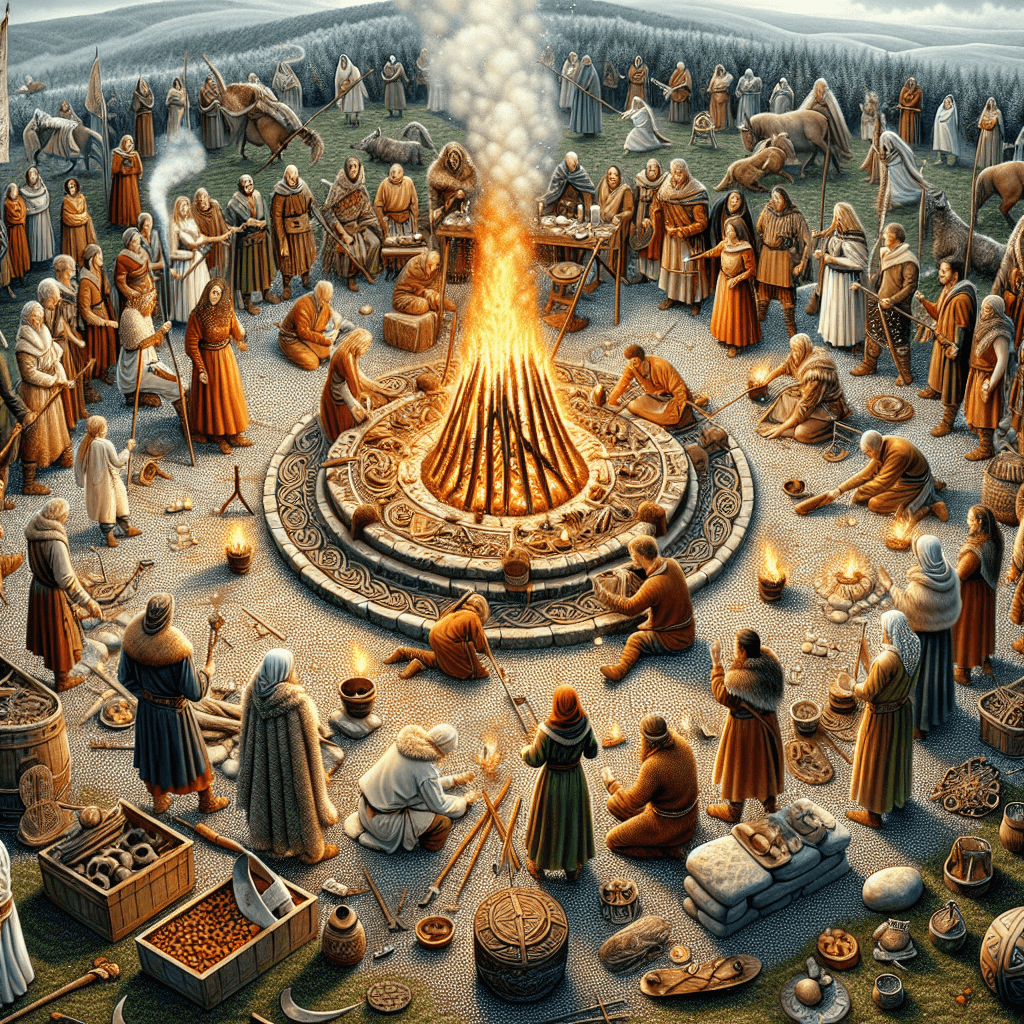


LGBTQ+ communities have contributed remarkable innovations to ceremonial practices, transforming what were once informal commitment ceremonies into fully recognized and blessed same-sex marriages that incorporate both ancient symbolic elements and entirely new rituals such as coming-out ceremonies that celebrate authenticity and self-acceptance as sacred acts worthy of community recognition and spiritual blessing. Environmental consciousness has driven practical changes in wedding traditions, leading couples to replace traditional rice with bird-safe alternatives like birdseed or native flower petals, while many have reimagined bouquet and garter tosses to emphasize inclusive empowerment rather than outdated concepts of fertility transfer or sexual ownership that originated in medieval European customs.
The persistence of certain ancient elements like wedding cakes, ring exchanges, and veil wearing demonstrates how deeply meaningful symbols can adapt to contemporary values while maintaining their essential spiritual significance, with these traditions now representing shared partnership and mutual commitment rather than property transfer or spiritual protection from malevolent forces. Modern couples increasingly approach these ancient traditions as opportunities for creative expression and personal meaning-making, selecting elements that resonate with their individual beliefs and values while honoring the thousands of years of human wisdom and experience that these practices represent, creating ceremonies that are simultaneously ancient and contemporary, traditional and revolutionary.
The Evolution of Pagan Priesthoods in Rome, Slavic Lands, and Mesopotamia
The transformation of pagan priesthoods across ancient civilizations reveals fascinating patterns of Ancient Ritual Practices Evolution that illuminate how religious authority, ceremonial leadership, and spiritual guidance have adapted to changing political, social, and cultural circumstances throughout history. Roman pagan priesthoods underwent dramatic changes as the empire expanded and eventually embraced Christianity, with traditional fertility and marriage ceremonies transitioning from elaborate community rituals led by specialized priests to more intimate family affairs typically officiated by the bride’s father, accompanied by a matron who carried a protective torch to ward off harmful spirits that might threaten the new union.
Mesopotamian ceremonial traditions dating back to 2350 BCE suggest sophisticated priestly roles in facilitating political and social alliances through marriage ceremonies, though specific details about priesthood structures and their evolution remain limited in historical records, indicating that much of our understanding must be inferred from ceremonial artifacts, legal documents, and architectural evidence of temple complexes where these sacred unions likely took place. Slavic pagan traditions present perhaps the most mysterious aspect of ancient priesthood evolution, with limited direct historical evidence requiring scholars to piece together likely transformation patterns from archaeological findings, folklore traditions, and comparative analysis with similar cultures, suggesting that Slavic sacred fertility officiants probably experienced transitions similar to those documented in Roman and Mediterranean cultures, evolving from powerful community religious leaders to more localized spiritual advisors or eventually disappearing entirely as Christianity spread throughout Slavic territories.
The decline of pagan priesthoods generally followed predictable patterns as monotheistic religions gained political power, with ancient ceremonial elements like altar decorations, floral garlands, seasonal celebrations, and fertility symbols being either eliminated entirely or carefully incorporated into new religious frameworks that could accommodate popular traditional practices while maintaining doctrinal orthodoxy. This evolution reflects the resilience of human spiritual needs and the adaptability of religious practices, demonstrating how essential ceremonial functions like blessing marriages, marking life transitions, and connecting communities to sacred traditions find ways to persist even when the formal religious structures that originally supported them undergo radical transformation or complete replacement by new belief systems.
The journey of Ancient Ritual Practices Evolution continues today as modern pagans, spiritual seekers, and culturally conscious couples rediscover and reimagine ancient ceremonial traditions for contemporary life. What ancient ritual elements do you recognize in your own cultural celebrations, and how might understanding their origins deepen your connection to the timeless human experiences they represent?
Related Items:

Lilly Dupres
Owner & AuthorLilly Dupres, a lifelong practitioner of paganism, established Define Pagan to offer a clear definition of paganism and challenge misconceptions surrounding modern pagan lifestyles.


