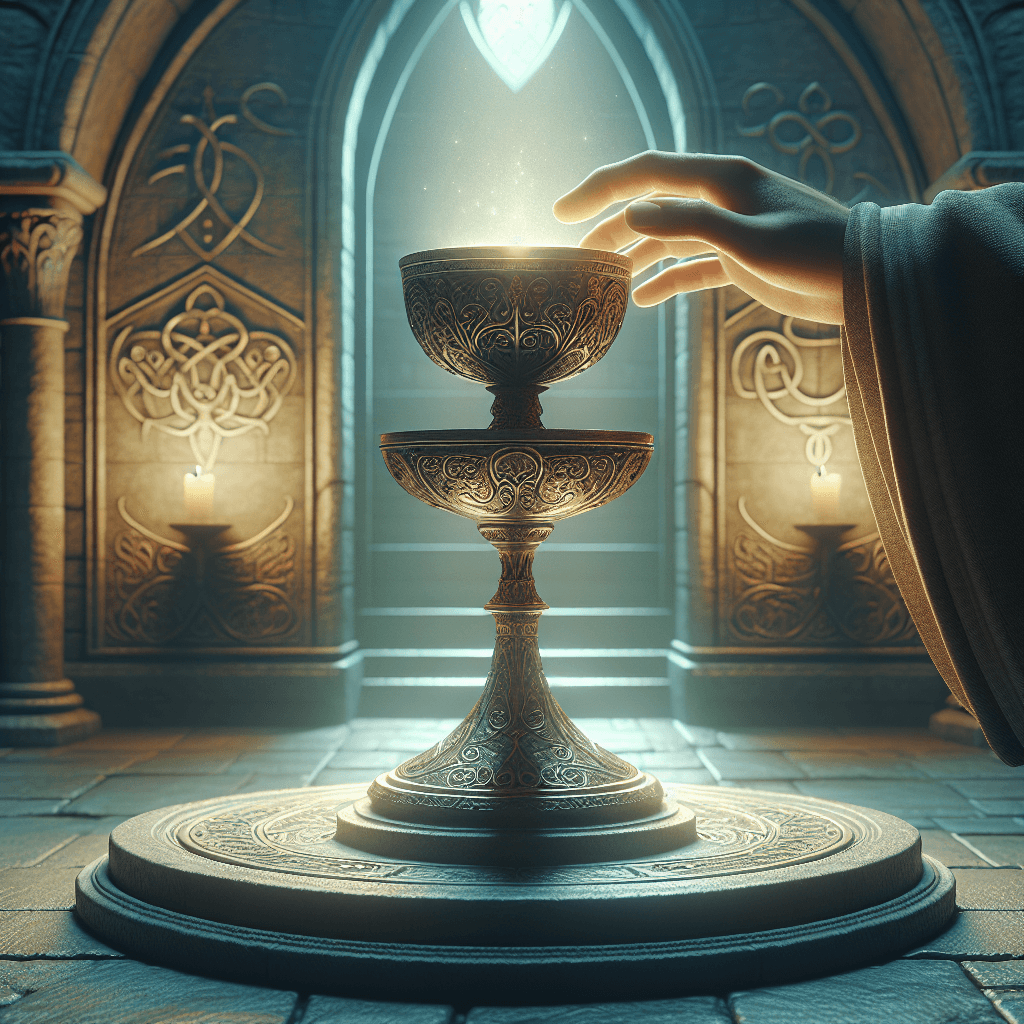
How do you properly consecrate a ritual chalice for the first time in Wiccan practice?
Consecrating your ritual chalice requires casting a sacred circle, purifying the vessel with all four elements, dedicating it to purity and harmlessness, then presenting it to both the Goddess and God for their divine blessing. This sacred process transforms an ordinary cup into a powerful ritual tool that will serve your spiritual practice for years to come.
Blessing New Sacred Vessels

New Age Imports, Inc. Pentagram Chalice 5" High~ Silver Plated 100% Solid Brass
View ProductNew sacred vessels like chalices require a thorough blessing process that removes any previous energies while infusing them with elemental powers and divine purpose. The process begins with creating sacred space through circle casting, performed clockwise three times while chanting protective words such as “I cast this circle thrice about, to cleanse this space and keep harm out.” This deosil movement establishes a boundary between the mundane world and your sacred working space, ensuring your consecration work proceeds without interference from outside influences. Once your circle stands strong, place your chalice at the center of your altar where it becomes the focal point of the blessing ritual.
Visualization plays a crucial role in this phase of consecrating your ritual chalice. Draw white, purifying energy up from the earth through your body and direct this power into the vessel while declaring your intention: “I consecrate this chalice for use in my sacred rites.” This statement creates the energetic foundation for all subsequent ritual work with the tool. The elemental purification follows a specific pattern that honors each of the four classical elements in turn. Pass your chalice through incense smoke while invoking air’s power: “By the power of air, be thou purified. Be thou dedicated to purity of thought and to harmlessness.” The smoke cleanses away any residual energies from the chalice’s creation or handling before it reached you.
Fire purification comes next as you move the chalice over or near a candle flame while speaking: “By the power of fire, be thou purified. Be thou dedicated to purity of desire.” This step burns away impurities and charges the vessel with transformative energy. Water follows with a gentle sprinkling while you intone: “By the power of water, be thou purified. Be thou dedicated to purity of emotion.” Finally, touch the chalice to salt or earth while declaring: “By the power of earth, be thou purified. Be thou dedicated to steadfastness.” Each elemental blessing builds upon the previous one, creating a complete energetic framework for your ritual tool.
The consecration concludes with divine presentation, first to the Goddess with words like: “Keeper of Femininity, bless this chalice. Let it be as Thy cauldron, a vessel of productivity.” Then present it to the God: “Companion to the Lady, bless this chalice and keep watch over it.” Ask both deities to charge your chalice for harmony and goodwill in all future workings. After the ritual concludes, leave your newly consecrated chalice on the altar for twenty-four hours to allow the energies to settle and fully integrate with the vessel.
Step-by-Step Chalice Purification Methods
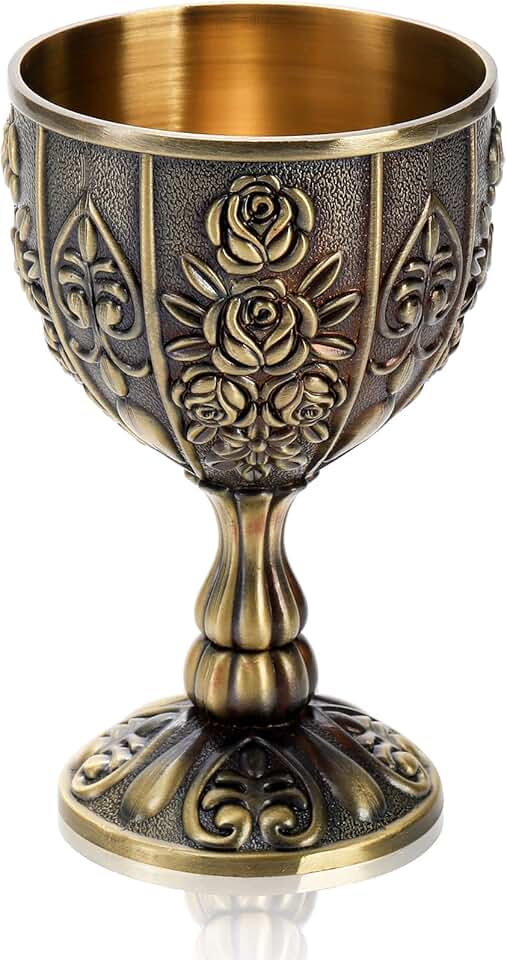
Yopay Handmade Goblet Chalice, Small Vintage Engraving Wine Liqueur Cup, 3.4OZ Food Safe Sturdy Drinking Vessel Shot Glasses for Buddha Weddings Home Decor Blessings
View ProductThe step-by-step approach to consecrating your ritual chalice ensures you complete each phase thoroughly and with proper intention. Begin your preparation by lighting both incense and a white candle on your altar, then cast your protective circle using the three-fold chant mentioned earlier. This creates the necessary sacred container for your working and signals to your subconscious mind that you are entering ritual space. The lighting of incense and candle serves dual purposes: providing the fire and air elements you need for purification while also creating the proper atmospheric conditions for effective ritual work.
Elemental purification forms the heart of the consecration process and must be performed with deliberate care and focused intention. Start with air by passing your chalice slowly through the incense smoke, allowing the fragrant vapors to envelope the entire vessel while you speak the air purification words. Move deliberately to avoid rushing this important step, as each element needs time to fully interact with and cleanse your chalice. Fire purification requires careful handling as you hold the chalice near enough to the flame to feel its warmth without risking damage to the vessel or yourself. Some practitioners prefer to pass the chalice quickly through the flame itself, but proximity works equally well for this purification.
Water purification involves either sprinkling blessed water directly onto the chalice or dipping your fingers in water and touching various points around the vessel’s rim and base. Use water that you have previously blessed or charged, preferably from a natural source like a spring or collected rainwater. Earth purification completes the elemental quartet by connecting your chalice to the grounding energy of our planet. Touch the chalice to a bowl of sea salt, a piece of natural crystal, or actual earth from your garden. Each contact point should be blessed with the appropriate words for that element.
Dedication and divine presentation represent the culmination of your purification work, where you formally introduce your chalice to the deities and request their ongoing blessing and protection. Visualize a cord of light connecting your intention to the chalice as you present it first to the Goddess, then to the God. This visualization helps cement the energetic bond between you, your tool, and the divine forces you work with in your practice. The closing ritual requires thanking each element in reverse order, starting with earth in the north, then water in the west, fire in the south, and air in the east. Open your circle by walking counterclockwise while visualizing the energy returning to the earth. Ground any excess energy by sharing cakes and ale or simply by placing your palms flat on the ground. This methodical approach ensures your consecration work creates a lasting energetic imprint that distinguishes your chalice from ordinary drinking vessels.
Where to Buy an Altar Chalice: What to Look for in Quality
Selecting the right chalice for your altar requires understanding both the symbolic significance and practical considerations that make certain vessels more suitable for ritual use than others. Quality altar chalices represent the water element and feminine divine energy, making them essential tools for most Wiccan rituals and ceremonies. The material composition of your chalice directly affects its ability to hold and conduct ritual energy, so prioritize vessels made from natural substances like silver, pewter, glass, or ceramic over synthetic materials like plastic or resin. Natural materials possess energetic resonance that synthetic substances lack, creating a stronger connection between your chalice and the elemental forces you invoke during ritual work.
Construction quality determines both the longevity of your chalice and its effectiveness as a ritual tool. Look for vessels with sturdy, well-balanced bases that will not tip easily during ceremony, especially when filled with wine, water, or other ritual liquids. The chalice should feel comfortable in your hands and have smooth edges that will not cut your lips during ritual drinking. Many quality chalices feature removable liners that make cleaning easier and prevent the main vessel from absorbing stains or odors from different ritual substances. This practical feature becomes especially important if you use your chalice for different types of workings that require various liquids or offerings.

Vintage Brass, Royal Wine Cup, 1 Piece, Renaissance Medieval Gift Vintage Chalice Goblet, Food Safe Sturdy Brass Shot Glasses for Liquor, Ritual, Buddha, Weddings, Royal Medieval Decor, Blessings,
View ProductSymbolic engravings and decorative elements add both beauty and meaning to your ritual chalice while serving as focal points for meditation and energy work. Common symbols include pentacles, lunar crescents, triple goddess symbols, or Celtic knotwork, each carrying specific energetic signatures that complement different types of ritual work. The size of your chalice should complement your altar space and personal preferences, with most ritual chalices ranging from six to ten inches in height. Consider how the chalice will fit with your other altar tools, particularly if you prefer matched sets where the chalice complements your athame, wand, and pentacle in both style and energetic resonance.
When selecting sources for your altar chalice, focus on vendors who specialize in pagan and Wiccan ritual tools rather than general gift shops or mainstream retailers. Specialized vendors understand the requirements for ritual tools and often provide items that arrive cleaner and more ready for consecration than mass-produced decorative pieces. These suppliers also typically offer better information about the materials, construction methods, and symbolic meanings of their chalices, helping you make an informed choice that will serve your practice well for years to come. Consider the chalice’s intended use in your specific tradition or practice, as some paths have particular requirements or preferences for ritual vessel characteristics that affect both selection and consecration methods.
Your chalice becomes more than a simple tool once you complete the consecration process. It transforms into a sacred vessel that bridges the physical and spiritual realms in your ritual work. What aspects of chalice consecration call to you most strongly as you prepare to begin this meaningful journey in your own practice?
Related Items:

Lilly Dupres
Owner & AuthorLilly Dupres, a lifelong practitioner of paganism, established Define Pagan to offer a clear definition of paganism and challenge misconceptions surrounding modern pagan lifestyles.