What herbs should beginners use for protection rituals to stay safe during spiritual practices?
Best Beginner-Friendly Protective Herbs

FlyweightZ Herbs for Witchcraft,Witchy Gifts for Women,Dried Flowers 30Pack
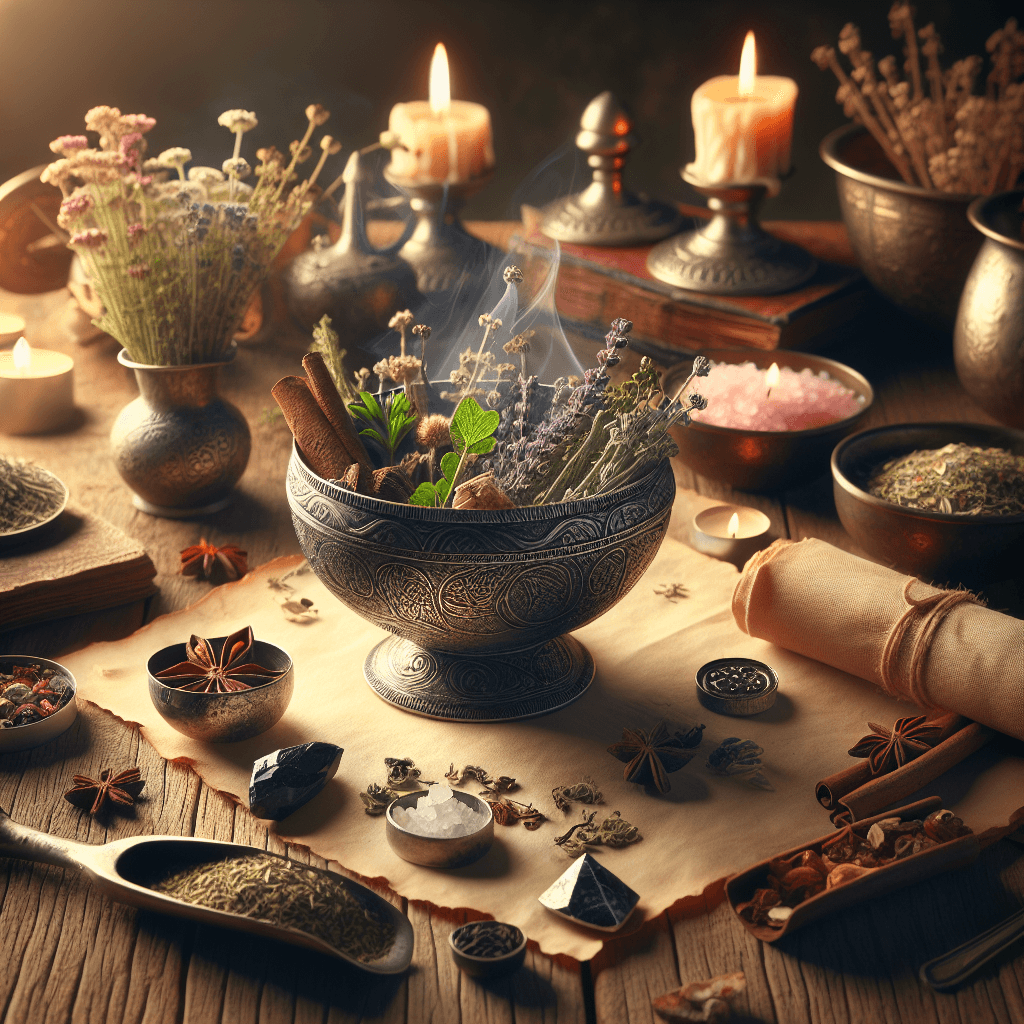
View ProductWhen starting your journey into ritual work, protective herbs ritual safety begins with choosing common, non-toxic herbs that won’t put your health at risk while still providing powerful spiritual protection. The best beginner-friendly options include rosemary for purification and mental clarity, sage for cleansing negative energy, basil for warding off harmful intentions, garlic for creating strong protective barriers, lavender for peaceful protection and calming energy, bay leaves for manifestation and shielding, and peppermint for cleansing and energizing your sacred space.
These kitchen herbs offer the perfect starting point because they’re easily accessible, well-documented for safety, and have been used in protective magic for centuries across multiple traditions. Unlike more exotic or potentially dangerous plants, these common herbs allow you to build confidence in your practice without worrying about adverse reactions or toxicity issues. Most practitioners already have several of these herbs in their kitchen, making them an economical choice for those just beginning their spiritual journey. Each of these herbs carries specific protective qualities while remaining gentle enough for regular use, whether you’re burning them as incense, carrying them in sachets, or incorporating them into ritual baths and teas.
Safe Herbal Magic Practices
Fire safety becomes absolutely crucial when working with protective herbs ritual safety in mind, especially when burning sage, rosemary, or other dried plant materials for cleansing and protection rituals. Always conduct your burning rituals in a controlled environment with proper ventilation, using a fireproof dish or cauldron to catch falling embers and ash. Never leave burning herbs unattended, even for a moment, and keep water or sand nearby to extinguish flames quickly if needed.
The key to safe herb selection lies in sourcing your materials from trusted suppliers who can guarantee the purity and proper identification of their products, or better yet, growing your own protective herbs in a dedicated garden space where you control every aspect of their cultivation. Starting slowly with herbal magic means introducing one herb at a time into your practice, allowing you to monitor how your body and energy respond before combining multiple plants in complex workings. This methodical approach helps you identify any potential allergic reactions or sensitivities before they become serious problems.
When dealing with herb and medication interactions or planning elaborate ritual workings that involve multiple plant allies, consulting with experienced clinical herbalists or knowledgeable practitioners ensures you’re not accidentally creating dangerous combinations. Remember that even safe herbs can become problematic when used in excessive quantities or combined inappropriately with prescription medications, particularly blood thinners, heart medications, or psychiatric drugs that affect brain chemistry.
Herbal Medicine Spellwork Safety Guide
Understanding herb properties forms the foundation of protective herbs ritual safety because many plants that appear harmless can actually be toxic when used incorrectly or in improper doses. Each herb in your magical arsenal should be thoroughly researched to determine whether it’s safe for internal use, external application, or burning as incense, since the method of use dramatically affects both safety and efficacy. Rosemary, for example, makes an excellent tea in small amounts but can cause seizures when consumed in large quantities, while sage is generally safe for smudging but can be problematic for pregnant individuals when taken internally.

Saint Terra - Sweetgrass Braid for Smudging, 24 to 30 Inches Long Natural Hand-Braided Sacred Herb for Smudging, Cleansing, Meditation & Spiritual Use
View ProductToxic plants like belladonna, henbane, foxglove, and castor beans have historical significance in some magical traditions but should be completely avoided unless you have extensive training and proper supervision from experienced practitioners who understand their dangerous properties. The proper preparation of herbs for smoke or incense requires thorough drying to prevent the creation of harmful compounds that can irritate your respiratory system or cause more serious health issues. Fresh or improperly dried herbs often produce acrid, potentially toxic smoke that defeats the purpose of cleansing and protection rituals.
Many practitioners make the mistake of assuming that natural automatically means safe, but plants produce complex chemical compounds that can be just as dangerous as synthetic substances when misused. Even common protective herbs like bay leaves can cause breathing difficulties if burned in poorly ventilated spaces, while peppermint essential oils can trigger severe reactions in people with certain sensitivities.
Toxic Plants Ritual Avoidance
The most important aspect of protective herbs ritual safety involves learning to identify and avoid plants that can cause serious physical harm, even when they appear in historical grimoires or traditional magical texts. Belladonna, despite its romantic associations with historical witchcraft, contains tropane alkaloids that can cause hallucinations, respiratory failure, and death even in small amounts. Henbane, another plant with deep magical roots, produces similar effects and has no safe dosage for inexperienced practitioners. Castor beans contain ricin, one of the most potent natural toxins known to science, while foxglove contains digitalis compounds that can stop your heart.
These plants earned their fearsome reputations through centuries of accidents and intentional poisonings, not through safe magical practice. Modern practitioners have access to detailed safety information that our ancestors lacked, making it irresponsible to continue using dangerous plants when safe alternatives exist. For every toxic plant used in historical magic, you can find non-toxic substitutes that provide similar energetic properties without risking your life or health. Instead of deadly nightshade for protection work, use blackberry leaves or elderberries. Replace toxic mercury-containing plants with safe alternatives like mint or rosemary.
The goal of protective magic is to enhance your life and spiritual practice, not to create medical emergencies that could have been easily prevented. Many toxic plants also carry legal restrictions in various jurisdictions, adding potential legal troubles to the already serious health risks they present to practitioners and their families.
Sacred Herb Preparation Methods
Mastering various preparation methods ensures optimal protective herbs ritual safety while maximizing the spiritual potency of your chosen plant allies. Infusions and teas represent the gentlest introduction to herbal magic, allowing you to extract water-soluble compounds through simple steeping processes that release beneficial properties without concentrating potentially harmful elements. When preparing protective herb teas, use one teaspoon of dried herb per cup of hot water, steeping for five to ten minutes before straining and using in ritual baths, floor washes, or careful internal consumption.

Energetic Herbalism: A Guide to Sacred Plant Traditions Integrating Elements of Vitalism, Ayurveda, and Chinese Medicine
View ProductDecoctions work better for tougher plant materials like roots and bark, requiring longer simmering times that concentrate the active compounds more intensively than simple infusions. Tinctures offer concentrated alcohol extracts that preserve herbal properties for extended periods, but they require precise measurements and proper dilution before use since their potency can cause problems when used incorrectly. Creating herbal sachets provides an excellent beginner-friendly method for incorporating protective herbs into daily practice without the complexity of internal preparations or fire-based methods.
Simply combine dried rosemary, lavender, and basil in small cloth bags that can be carried in pockets, placed under pillows, or hung in doorways for ongoing protection. Salves and poultices offer topical applications that work well for localized protection magic, combining protective herbs with carrier oils or natural waxes that allow for safe skin application. When burning herbs for smudging or incense, ensure complete drying to prevent harmful smoke production, maintain adequate ventilation to prevent respiratory irritation, and source materials ethically to avoid contributing to the overharvesting of endangered species like white sage.
Protective herbs ritual safety requires ongoing education, careful attention to detail, and respect for both the spiritual and physical properties of the plants you choose to work with in your magical practice. What protective herb will you add to your practice first, and how will you ensure your safety while exploring its magical properties?
Related Items:

Lilly Dupres
Owner & AuthorLilly Dupres, a lifelong practitioner of paganism, established Define Pagan to offer a clear definition of paganism and challenge misconceptions surrounding modern pagan lifestyles.