How to Protect Yourself When Working with Ancient Greek Underworld Deities
Ancient Greek Deity Protection
The foundations of protection when working with underworld deities lie in understanding their nature and domains. Unlike the Olympian gods who received offerings raised to the sky, chthonic deities required a different approach. Protection began with proper ritual conduct – offerings made downward toward the earth, often in pits or on low altars. Black animals were sacrificed completely through burning, with no flesh consumed by worshippers. This holocaust offering honored the solemn nature of these gods and established a clear boundary between the mortal and divine realms. Traditional protection included the use of honey and barley-based libations rather than wine, as these substances naturally flowed earthward, aligning with the underworld’s pull.
Working With Chthonic Deities Safely
Safety in working with underworld deities demands rigorous preparation and unwavering respect. The ancient Greeks understood that purification rituals and fasting were essential preliminary steps, cleansing both body and spirit before approaching these powerful entities. Protective amulets and charms, known as apotropaic magic, were commonly employed to create a shield of divine protection. The Greeks recognized that these deities commanded respect through proper ritual observance rather than through attempts at domination or control. Sacred spaces, particularly caves and grottos, were chosen for their natural connection to the underworld, creating safe channels for communication with these divine forces.
Eleusinian Mystery Temple Offerings
The Eleusinian Mysteries represent the pinnacle of structured interaction with chthonic deities, particularly Demeter and Persephone. These ceremonies, held in the great Telesterion temple, incorporated multiple layers of protection through careful ritual preparation. Initiates underwent extensive purification rites, including fasting and symbolic death-rebirth experiences. The sacred kykeon drink and hidden ritual objects in kistai baskets formed part of an elaborate protective framework that allowed safe passage between the worlds of the living and the dead. These mysteries demonstrated how proper offering techniques could create a protected space for divine interaction.
Hades Persephone Altar Setup

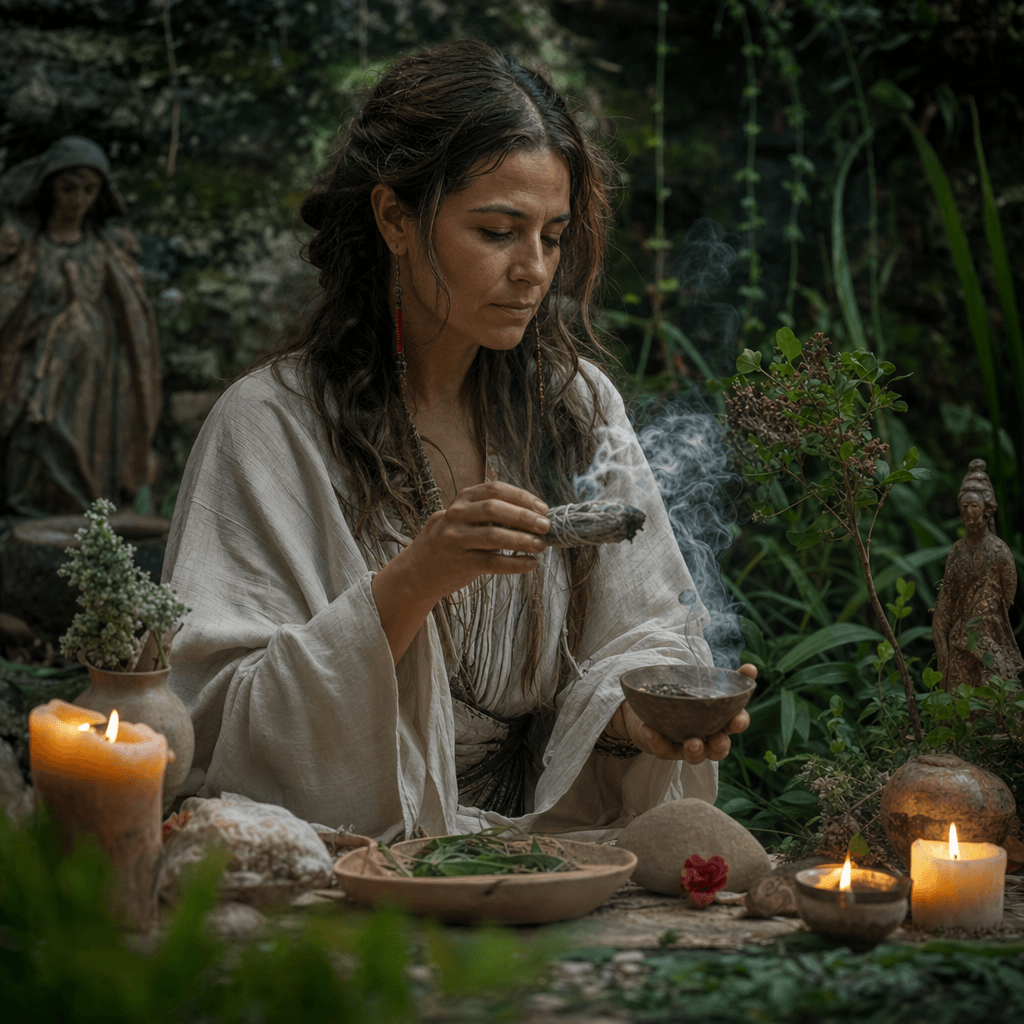
Modern practitioners can learn much from the ancient Greek approach to altar construction for underworld deities. A proper setup focuses on earthen elements and dark aesthetics, incorporating symbolic items like pomegranates, cypress branches, and poppies. The altar should be kept low to the ground, preferably outdoors or in a space connected to the earth. Black candles and bowls of honey create appropriate offerings, while hand gestures directed downward maintain proper ritual alignment. This careful attention to detail in altar construction provides a foundation of protection through proper observance of traditional forms.
The enduring wisdom of ancient Greek protection rituals continues to resonate from the temples of Athens to modern practice. These time-tested methods remind us that working with chthonic deities requires both respect and careful preparation. Ready to explore these ancient protection techniques in your own practice? Dive deeper into the mysteries of the underworld gods – but remember, proper protection is your key to safe passage in these profound spiritual depths.
Related Items:

Lilly Dupres
Owner & AuthorLilly Dupres, a lifelong practitioner of paganism, established Define Pagan to offer a clear definition of paganism and challenge misconceptions surrounding modern pagan lifestyles.