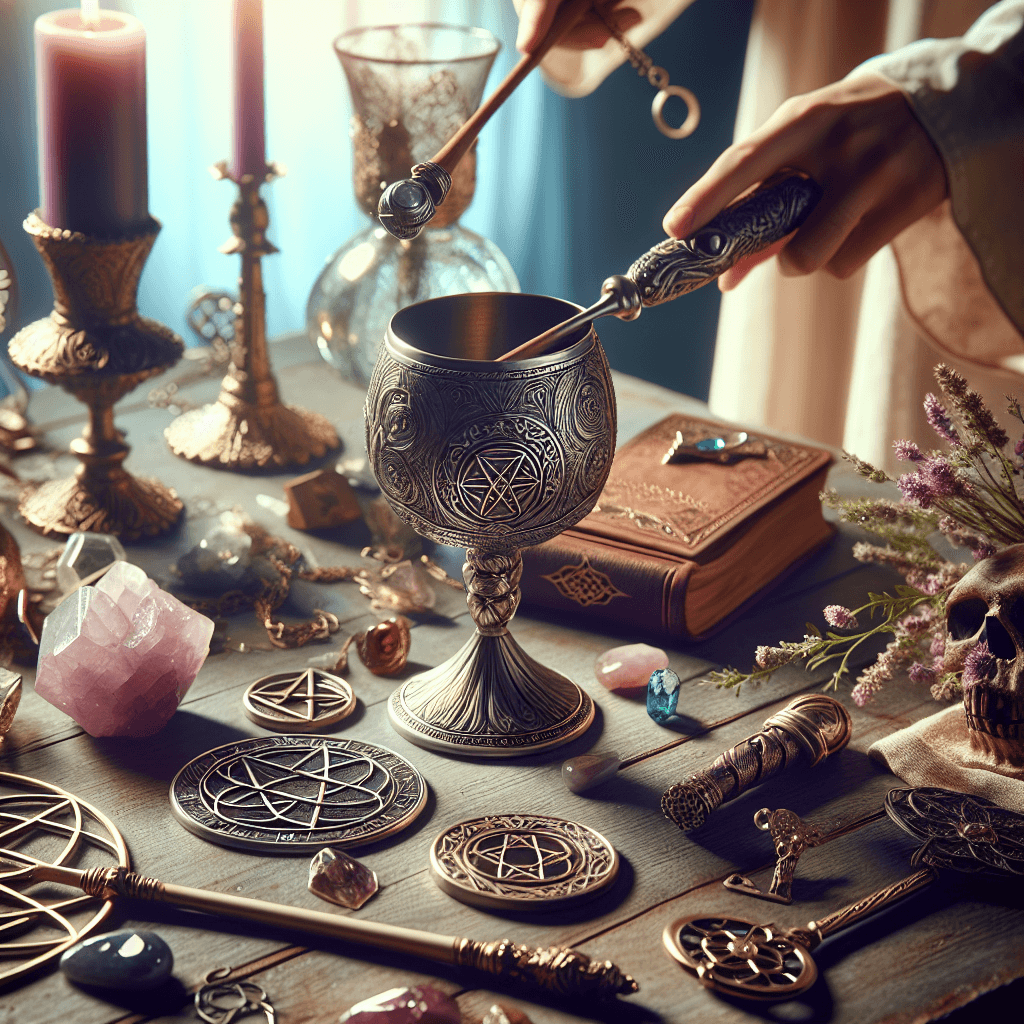
What are the key differences between Pagan and Wiccan spiritual practices?

The Wiccan Bible: Elemental Magic, Rituals, and Practical Spells for Modern Witches | Your Path to True Power and Connection
View Product →At their core, these traditions share a deep reverence for nature and divine energies, but their approaches differ significantly. While Paganism encompasses a vast array of ancient and modern practices with diverse pantheons and rituals, Wicca follows a more structured path centered around the duality of the Goddess and Horned God.
Ancient Prayer Rituals Guide
Ancient pagan practices were deeply woven into the fabric of daily life, with rituals marking everything from dawn to dusk, planting to harvest. Communities gathered to honor deities through dance, song, and collective prayer. Unlike modern individual practices, these rituals were communal events that strengthened social bonds while honoring the gods. Seasonal celebrations aligned with agricultural cycles, marking the turning of the wheel of the year with festivals that many modern practitioners still observe, though often in adapted forms.
Historical Pagan Temple Sites
Sacred spaces have always held profound significance in pagan worship. From the megalithic structures of ancient Europe to the temple complexes of Egypt and Greece, these sites served as bridges between the mortal and divine realms. Many were built with precise astronomical alignments, demonstrating our ancestors’ deep understanding of celestial cycles. Modern practitioners often create their own sacred spaces, whether in nature or at home, drawing inspiration from these ancient temples while adapting to contemporary needs.
Pagan vs Wiccan Beliefs
While both traditions honor the divine feminine and natural cycles, their theological frameworks differ substantially. Paganism embraces a multitude of approaches to deity, from polytheistic to animistic, while Wicca generally maintains a duotheistic structure. Pagan practices can be highly individualistic, drawing from various cultural traditions, whereas Wiccan rituals typically follow more standardized formats, including the casting of circles and calling quarters.
Sacred Offering Traditions
The Pagan Book of Days: A Guide to the Festivals, Traditions, and Sacred Days of the Year
View Product →The practice of making offerings bridges ancient and modern spiritual practices. Traditional pagans left elaborate offerings at temples and sacred sites, from valuable goods to sacrificial offerings. Modern practitioners have adapted these customs to contemporary values, often making offerings of incense, food, or symbolic items. These acts of devotion create meaningful connections between practitioners and their deities, whether performed in formal rituals or daily devotional practices.
Interested in exploring more about the rich traditions of Pagan and Wiccan goddess worship? Consider researching local pagan communities or diving into scholarly works about ancient worship practices. What aspects of these ancient traditions might enhance your own spiritual path?