Understanding Haitian Vodou Religious Practices
Understanding Haitian Vodou Religious Practices requires moving beyond Hollywood stereotypes to explore a rich spiritual tradition rooted in healing, community, and ancestral wisdom.


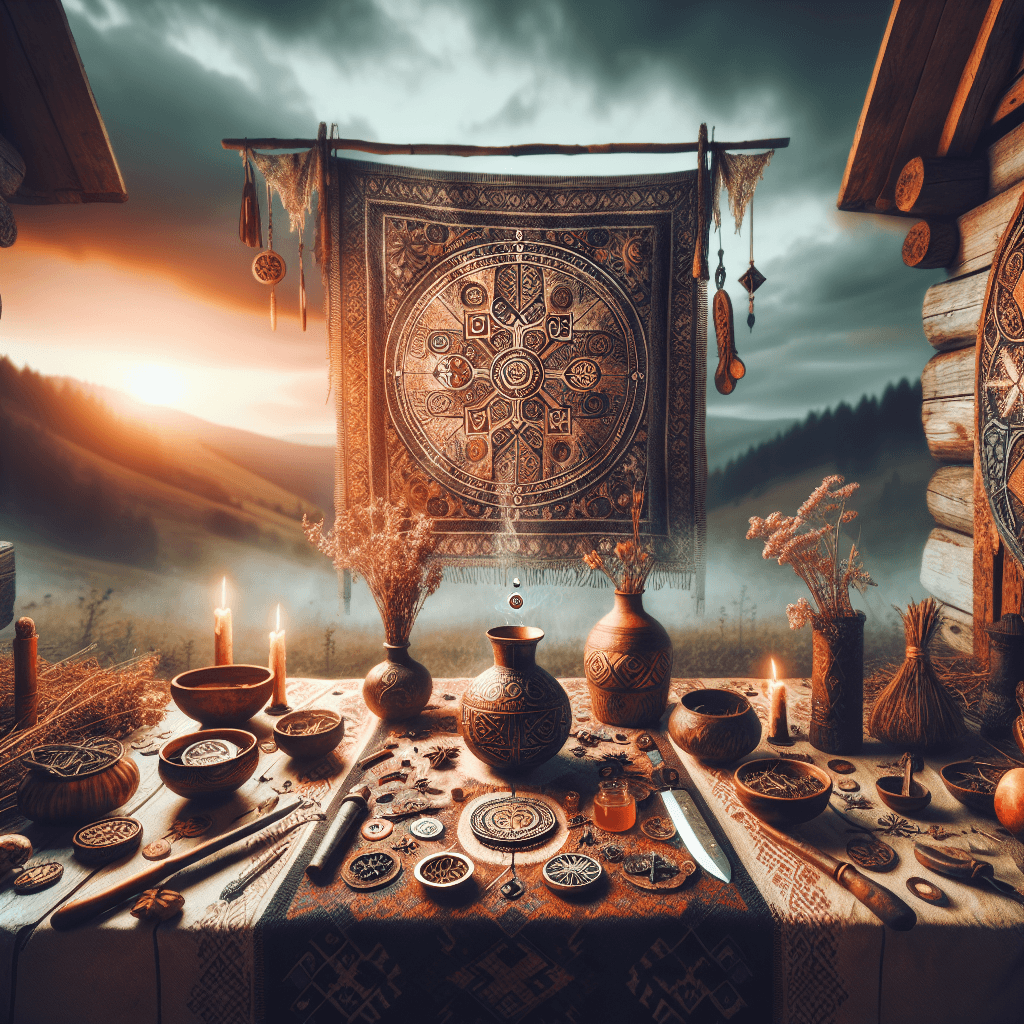
Core Spiritual Beliefs and Healing Practices in Haitian Vodou
What are the core spiritual beliefs and healing practices in Haitian Vodou? At its foundation lies a sophisticated system connecting humans with Bondye, the supreme creator, through intermediary spirits known as lwa. These lwa govern different aspects of life, from love and health to justice and protection. Vodou practitioners work with these spirits through ritual, offering, and direct spiritual communion often achieved through ceremonial possession. The healing practices form the cornerstone of Vodou, where houngans and mambos serve as both spiritual leaders and traditional healers, addressing physical and spiritual ailments through a holistic approach that has sustained Haitian communities for generations.
Sacred Vodou Ritual Steps
Sacred ceremonies in Vodou follow precise protocols developed over centuries. Each ritual begins by calling Papa Legba, who opens the spiritual crossroads. Intricate drumming patterns and sacred songs create the vibrations needed to welcome specific lwa. The heartbeat of these ceremonies pulses through traditional drum rhythms, while dancers move in ways that embody the unique characteristics of each spirit. As the energy builds, lwa may choose to possess participants, sharing wisdom, performing healings, or offering guidance to the community. These possessions are sacred moments of direct divine communication, treated with deep respect and carefully managed by experienced practitioners.
Vodou vs Voodoo Key Differences
The distinction between authentic Haitian Vodou and popularized voodoo myths remains crucial for understanding this faith. Vodou emerged from the spiritual resistance of enslaved Africans, blending various African traditions with elements of Catholicism to preserve their connection to ancestral wisdom. This dynamic spiritual practice stands in stark contrast to the commercialized, misunderstood version often portrayed in media. Where Hollywood shows curses and zombies, real Vodou focuses on healing, community support, and maintaining harmony between the visible and invisible worlds.
Modern Vodou Worship Ceremonies
Contemporary Vodou practice maintains its core spiritual elements while adapting to modern life. Urban peristyles (temples) serve communities both in Haiti and throughout the diaspora. Practitioners balance traditional observances with contemporary needs, often incorporating elements that address current social and personal challenges. Digital technology now allows communities to share knowledge and support each other across borders, though the essence of Vodou remains deeply personal and experiential.
Haitian Lwa Spirit Offerings
The relationship between practitioners and lwa thrives through carefully chosen offerings. Each spirit has specific preferences – Papa Legba appreciates coffee and tobacco, while Erzulie Freda favors perfume and pink champagne. Understanding these preferences requires deep knowledge passed down through tradition and direct spiritual guidance. The act of offering creates a bridge between human and divine, strengthening bonds that support both individual and community well-being.
Exploring Haitian Vodou Religious Practices reveals a profound spiritual tradition that continues to evolve while maintaining its sacred core. Want to deepen your understanding of this misunderstood faith? Join our community discussion about authentic Vodou traditions and help preserve these important cultural practices for future generations.
Related Items:

Lilly Dupres
Owner & AuthorLilly Dupres, a lifelong practitioner of paganism, established Define Pagan to offer a clear definition of paganism and challenge misconceptions surrounding modern pagan lifestyles.