

How do you set healthy spiritual boundaries with toxic family members who don’t respect your beliefs?
Setting healthy spiritual boundaries begins with recognizing that your spiritual path is valid, regardless of family approval or understanding. When dealing with toxic family members who dismiss, mock, or actively oppose your pagan practice, the first step involves establishing clear limits on spiritual discussions and interactions. This means you have the right to decline participating in religious activities that conflict with your beliefs, refuse to justify your spiritual choices repeatedly, and limit exposure to family members who consistently attack your path. Practical strategies include changing the subject when spiritual topics arise inappropriately, leaving situations where your beliefs are being ridiculed, and being selective about what aspects of your practice you share with family members. Creating these boundaries doesn’t mean you’re being disrespectful or combative; it means you’re protecting your spiritual integrity from those who would undermine it. Many pagan practitioners find success in developing standard responses to common criticisms, such as simply stating that your beliefs work for you and you’re not interested in debating them. Remember that setting healthy spiritual boundaries with family requires consistency and patience, as toxic family members often test these limits repeatedly before accepting them.
Recognizing Toxic Spiritual Manipulation
Toxic spiritual manipulation within families and communities often masquerades as concern, tradition, or religious duty, making it particularly challenging to identify and address. Setting healthy spiritual boundaries requires developing a keen awareness of behaviors that seek to control, shame, or diminish your spiritual autonomy. Common forms of toxic manipulation include family members who insist there’s only one true way to connect with the divine, use guilt tactics about disappointing ancestors or breaking family traditions, or constantly question the legitimacy of your pagan path while demanding you defend every aspect of your beliefs. These manipulative tactics often escalate during family gatherings, holidays, or significant life events when emotions run high and family dynamics become more intense. Religious shaming represents another insidious form of manipulation, where family members use fear-based language about damnation, spiritual danger, or moral corruption to pressure you into abandoning your chosen path.
Recognizing these patterns empowers you to respond from a place of strength rather than defensiveness, understanding that their behavior reflects their own spiritual insecurities rather than any actual problems with your beliefs. Toxic spiritual manipulation also includes family members who make your participation in family events conditional upon hiding your beliefs, removing sacred jewelry, or pretending to follow their religious practices. The key to setting healthy spiritual boundaries lies in understanding that genuine spiritual concern comes from a place of love and respect, while toxic manipulation seeks to control and diminish your spiritual experience. When you can clearly identify these manipulative behaviors, you gain the power to disengage from harmful interactions and protect your spiritual well-being without falling into the trap of endless justification or argument.
Creating Sacred Personal Space
Creating sacred personal space serves as the foundation for maintaining spiritual integrity while navigating challenging family dynamics and community relationships. Setting healthy spiritual boundaries requires establishing both physical and energetic spaces where your pagan practice can flourish without interference, judgment, or interruption from those who don’t support your path. Physical sacred space might include designating a specific area in your home for meditation, ritual work, and connecting with your deities, even if it’s simply a small corner with meaningful objects that can be easily concealed when necessary. This space becomes your spiritual sanctuary where you can recharge, center yourself, and remember your authentic spiritual identity, especially after difficult interactions with unsupportive family members or community members.


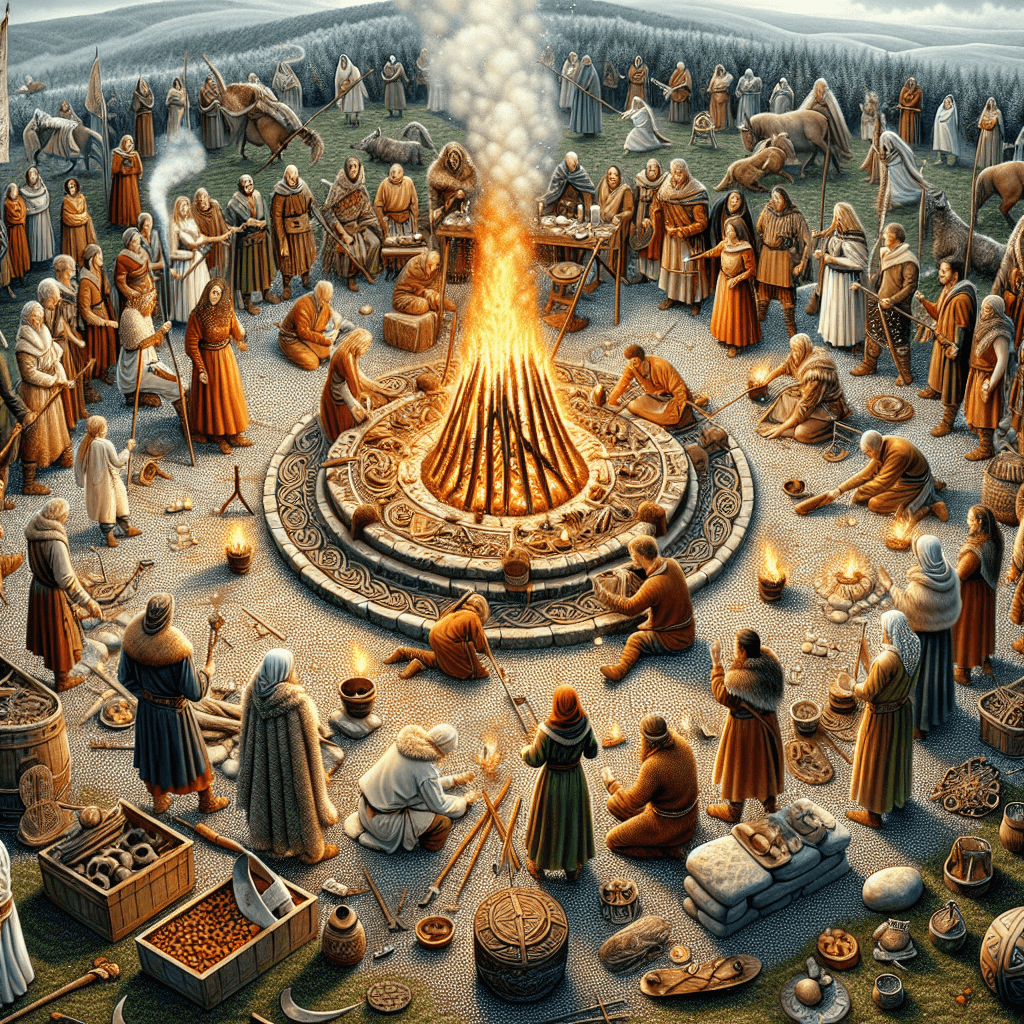
The creation of sacred space extends beyond physical boundaries to encompass emotional and mental territories where your beliefs are honored and respected. This involves setting clear limits on when, where, and with whom you’re willing to discuss your spiritual practices, recognizing that not every person or situation deserves access to the intimate details of your relationship with the divine. Energetic boundaries form another crucial component of sacred personal space, involving practices like visualization, protective rituals, or calling upon spiritual allies to shield your energy from negative influences during family gatherings or community events. Many pagan practitioners find success in establishing pre-ritual and post-interaction cleansing practices that help maintain the integrity of their sacred space regardless of external circumstances. Creating sacred personal space also means learning to say no to activities, conversations, or relationships that consistently drain your spiritual energy or force you to compromise your authentic self. The goal isn’t isolation but rather the cultivation of spaces where your spiritual growth can continue unimpeded by toxic influences or unsupportive family dynamics that seek to diminish your pagan practice.
Establishing Mentorship Ethics Guidelines
Establishing mentorship ethics guidelines within pagan communities creates a framework for healthy spiritual relationships that honor both mentor and student while preventing the abuse of spiritual authority. Setting healthy spiritual boundaries in mentorship relationships requires clear communication about expectations, respect for individual spiritual autonomy, and recognition that authentic spiritual guidance empowers rather than controls the student’s journey. Ethical mentorship in pagan practice emphasizes that mentors serve as guides and resources rather than ultimate authorities, acknowledging that each person’s relationship with the divine is unique and cannot be dictated by another’s experiences or preferences. Healthy mentorship boundaries include transparent discussions about the scope and duration of the mentoring relationship, respect for the student’s pace of learning and spiritual development, and recognition that students have the right to question teachings, seek additional perspectives, and ultimately choose their own path.
Red flags in pagan mentorship include mentors who demand unquestioning obedience, claim exclusive access to spiritual truth, use their position to manipulate or control students’ personal lives, or create dependency rather than fostering independent spiritual growth. Effective mentorship ethics guidelines also address the importance of avoiding financial exploitation, sexual misconduct, or emotional manipulation within the sacred trust of the mentor-student relationship. Setting healthy spiritual boundaries in these relationships means both mentors and students understand their responsibilities: mentors commit to sharing knowledge with integrity and respect, while students take responsibility for their own spiritual development and decision-making. The most beneficial mentorship relationships in pagan communities operate from principles of mutual respect, open communication, and recognition that spiritual wisdom can flow in both directions regardless of experience levels. These ethical guidelines protect both parties from the potential harm that can occur when spiritual authority is abused or when boundaries become blurred between guidance and control. Establishing and maintaining these standards ensures that mentorship serves its intended purpose of supporting spiritual growth while preserving the autonomy and dignity of all involved parties.
Protecting Energy From Vampires
Protecting your energy from spiritual and emotional vampires becomes essential when setting healthy spiritual boundaries, as these individuals can drain your vitality and undermine your spiritual progress through manipulation, constant negativity, or excessive demands for attention and support. Energy vampires often appear in families and communities as people who consistently leave you feeling exhausted, frustrated, or spiritually depleted after interactions, regardless of the duration or nature of your time together. These individuals may be family members who constantly create drama around your spiritual choices, community members who monopolize group discussions with their problems, or mentors who use their position to extract energy rather than provide genuine guidance and support. Recognizing energy vampires requires paying attention to your body’s wisdom and emotional responses during and after interactions, noting patterns of depletion, anxiety, or spiritual disconnection that consistently follow time spent with certain individuals.
Setting healthy spiritual boundaries with energy vampires involves developing practical strategies such as limiting the time you spend in their presence, refusing to engage with manufactured drama or constant complaints, and learning to redirect conversations away from energy-draining topics toward more balanced exchanges. Protective practices from various pagan traditions offer valuable tools for maintaining energetic boundaries, including visualization techniques that create shields around your aura, carrying or wearing protective stones or symbols, and performing cleansing rituals before and after potentially draining interactions. Many practitioners find success in setting specific time limits for interactions with energy vampires, such as limiting phone calls to fifteen minutes or agreeing to discuss problems only once per conversation before changing the subject to more positive topics. The key to protecting your energy lies in understanding that you’re not responsible for fixing, healing, or constantly supporting people who refuse to take responsibility for their own spiritual and emotional well-being. Learning to recognize the difference between someone genuinely seeking help and someone who feeds off the energy of others allows you to offer appropriate support without sacrificing your own spiritual health and growth. Remember that setting healthy spiritual boundaries with energy vampires serves both your highest good and theirs, as enabling their vampiric behavior ultimately prevents them from developing healthier ways of meeting their emotional and spiritual needs.
What specific strategies have you found most effective for maintaining your spiritual boundaries when family dynamics become particularly challenging during holiday gatherings or major life events?


