Where do magical herbs come from and does it matter for my practice?

Cunningham's Encyclopedia of Magical Herbs (Llewellyn's Sourcebook Series)
View Product →You stand at your altar ready to work. Your intention is clear. Then you reach for an herb you’ve used for years and pause. Where did this plant come from? Who harvested it? Will there be any left for the next practitioner, for the pollinators, for the land itself?
These questions matter more than you might think. The sourcing of your magical materials directly affects both the power of your work and the world your practice inhabits. When you work with plants that have been gathered with respect and care, you participate in a relationship with the living world that makes your magic stronger.
Why ethically sourced magical herbs change everything about your practice
Plants carry the energy of how they were treated. Over-harvested wild plants feel depleted and anxious. Herbs grown without regard for soil health or chemical safety bring that negligence into your work. Plants that have been foraged or grown with care move through your spellwork with clarity instead of confusion.
Ethically sourced magical herbs are not a luxury add-on to your practice. They are a foundation. The difference runs deeper than good intentions. When plants are taken only in abundance, harvested at the right time in the plant’s life cycle, and processed with attention, they carry different medicine. They respond better. They work with you instead of against you.
How to choose ethically sourced magical herbs that protect wild populations
Start by understanding what you need. Rare woodland plants should never enter your practice. Avoid bloodroot, ginseng, goldenseal, and any species listed as at-risk by conservation organizations in your region. These plants take years to mature. Their populations cannot handle casual harvesting.
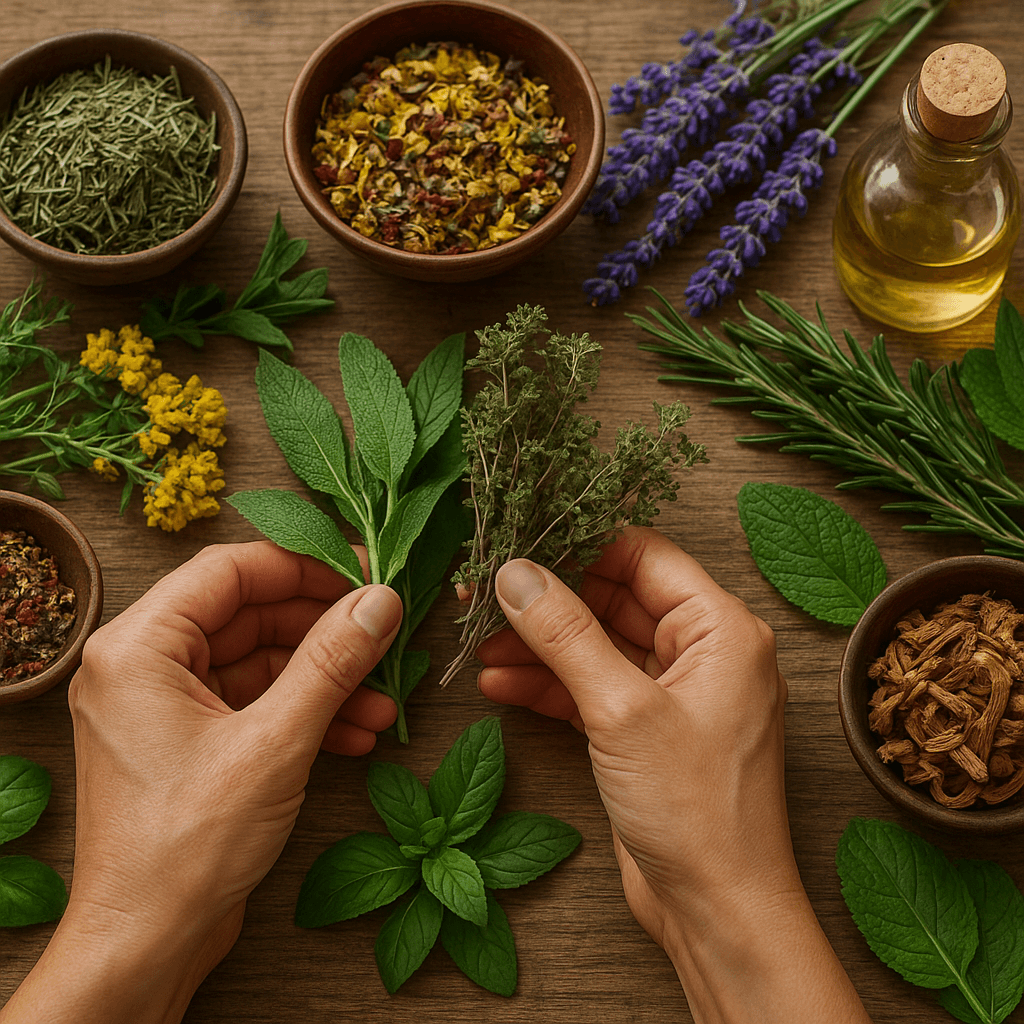
Work with abundant plants that thrive widely instead. Mugwort, lavender, rosemary, sage, and yarrow are herbs that respond well to harvesting. They grow robustly. They regrow quickly. Their abundance means your use will not deplete them.
Check where your herbs come from. Reputable suppliers who specialize in the pagan and herbal community stock plant material that follows ethical harvesting principles. Ask direct questions. Where was this harvested? How much was taken from each location? What steps ensure the population will recover?
The right timing makes ethically sourced magical herbs more powerful
Timing determines potency. Roots are harvested in fall when the plant sends energy downward for winter storage. Leaves come in spring before flowering. Flowers at their peak bloom. Seeds in late fall. This reflects where the plant’s strength lives at different times of year.
A root dug in spring is weak and depleted. A flower harvested after it has finished pollinating is inferior medicine. Experienced herb workers follow this rhythm because the plants themselves demand it. When you buy herbs, ask when they were harvested. Suppliers who know this information understand what makes plants work.
Harvesting techniques that keep magical herb populations healthy

Witchcraft Herbs Kit, Dried Herbs and Flowers for Witch Beginners, 40 Pack
View Product →Harvest technique determines whether a plant regenerates or dies. Leaves and flowers are renewable if you take only what you need and leave plenty for reproduction. Never strip a plant bare. Take a stem or two from each plant. Spread your harvest across a wide area.
Roots are different. Harvesting a root kills that individual plant. This is acceptable only from truly abundant populations. The rule is one plant taken for every ten encountered. Some practitioners leave the root crown and rhizome intact to allow regrowth. Others move to a different patch. Both approaches respect the land.
If you forage your own herbs, learn proper technique first. Take classes with experienced foragers. Study plant identification until you are completely certain of what you are harvesting. Mistakes damage both you and the ecosystem.
Growing your own ethically sourced magical herbs at home
Home growing removes the question of wild population impact entirely. Lavender, rosemary, sage, mugwort, and dozens of other magical herbs grow readily in most climates. A kitchen window or small garden plot means your herbs are available when you need them. They are harvested at peak potency and entirely under your control.
This is not separate from serious practice. Many experienced practitioners maintain their own growing beds precisely because the relationship between grower and plant deepens the work. You know exactly how the plant was treated. You can harvest at the optimal moment. The plant recognizes your energy.
Start with easy herbs. Lavender grows in poor soil and needs little water once established. Rosemary thrives in containers. Sage spreads readily and comes back year after year. Mugwort grows so well it might take over your garden if you let it.
Finding suppliers who understand ethically sourced magical herbs
Not all herb suppliers understand the magical community’s needs. Look for businesses that cater specifically to pagans, witches, and herbalists. They are more likely to source their materials ethically and understand timing and harvesting techniques.

32 Pack Herbs for Witchcraft, Dried Flowers for Witch Crafts Supplies
View Product →Read supplier websites carefully. Do they explain where their herbs come from? Do they mention sustainable harvesting practices? Do they avoid selling rare or at-risk plants? These details tell you whether they understand the issues that matter to your practice.
Ask questions before you buy. Good suppliers welcome inquiries about their sourcing. They want customers who care about these issues. If a supplier cannot or will not answer questions about where their herbs come from, shop elsewhere.
Why ethically sourced magical herbs strengthen your connection to the natural world
Your practice exists within the web of life on this planet. When you use herbs that were gathered with respect for the land and its creatures, you strengthen that connection. When you support suppliers who understand these principles, you help create a market for ethical practices.
The herbs you choose reflect your values. Plants that were harvested carelessly carry that carelessness into your work. Plants that were gathered with reverence and attention bring that energy to your practice. This is not theory. It is something you can feel when you work with truly well-sourced materials.
Your magical practice depends on the health of the natural world. Choosing ethically sourced magical herbs protects that world while making your work more powerful. The two goals support each other completely.
When you understand how to choose ethically sourced magical herbs, you transform both your practice and your relationship with the living world. You work with plants that carry clear, strong energy because they were treated with respect from harvest to your altar. Explore our carefully selected collection of ethically sourced herbs and magical supplies at https://www.definepagan.com/pagan-shop/ to find materials that honor both your practice and the earth.

Lilly Dupres
Owner & AuthorLilly Dupres, a lifelong practitioner of paganism, established Define Pagan to offer a clear definition of paganism and challenge misconceptions surrounding modern pagan lifestyles.