
What do the different Celtic knot patterns on bells symbolize and mean?
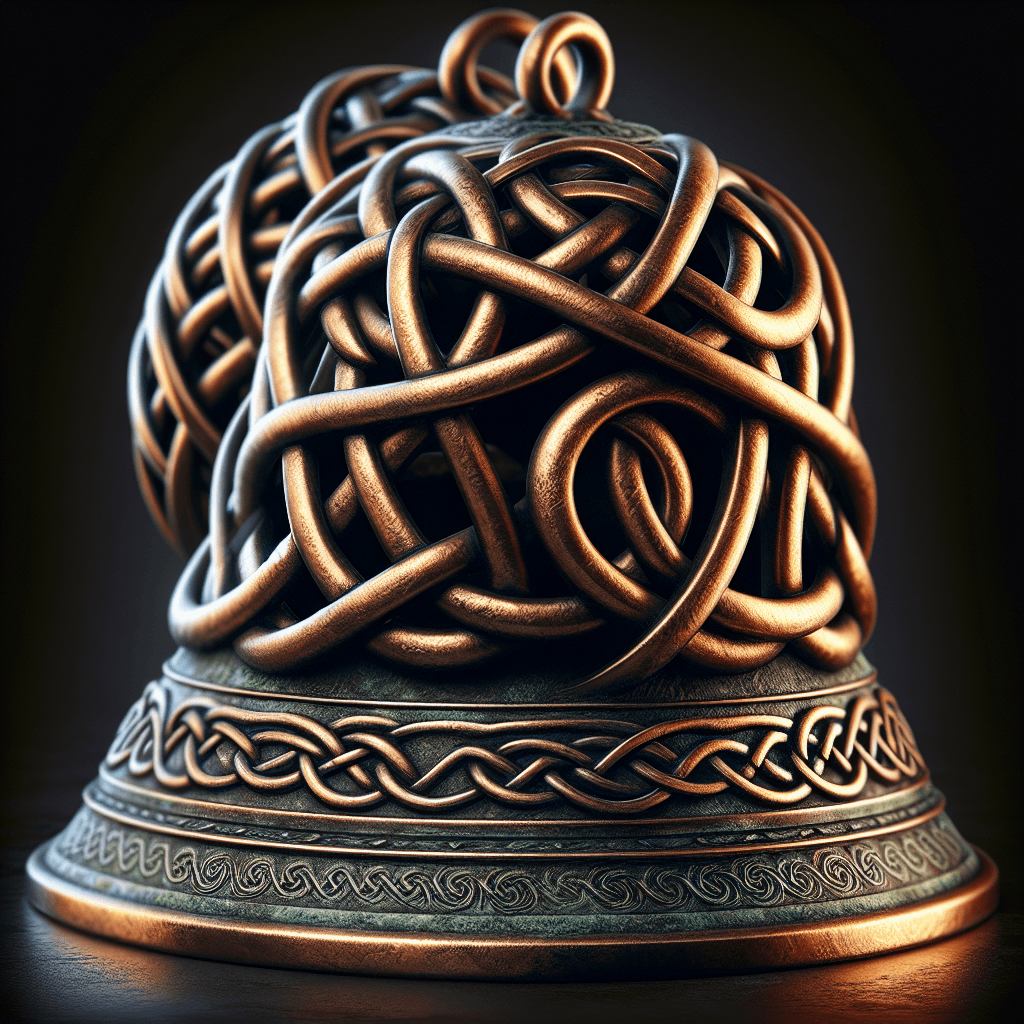
Celtic knot bell meanings encompass profound spiritual symbolism rooted in ancient Celtic traditions of interconnectedness, eternal cycles, and divine protection. These sacred patterns on bells represent the endless flow of life energy, with each intricate design carrying specific meanings that connect modern practitioners to ancestral wisdom. The unbroken lines of Celtic knots symbolize infinity and the continuous nature of existence, making them perfect companions to the resonant vibrations of ritual bells. When you ring a Celtic knot bell during spiritual practice, you activate both the auditory power of sound and the visual symbolism of eternal connection. These bells serve as bridges between the physical and spiritual realms, with their knot patterns acting as protective talismans that ward off negative energies while amplifying positive intentions. The trinity knot represents the sacred number three in various forms: maiden, mother, and crone; past, present, and future; or mind, body, and spirit. The quaternary knot honors the four elements and cardinal directions, creating balance in your sacred space. Spiral knots connect you to the ancient wisdom of growth and transformation, while love knots bind hearts in eternal devotion. Each pattern tells a story of connection, protection, and spiritual awakening that resonates through the bell’s sacred sound.
Celtic Knot Altar Symbolism
Celtic knot altar symbolism transforms your sacred space into a portal of ancient wisdom and spiritual protection. When you place Celtic knot bells on your altar, you create focal points that draw divine energy into your practice space. The endless loops of these sacred patterns represent the continuous cycle of energy that flows through all living things, connecting you to the web of existence that binds all creation together. Your altar becomes a sacred meeting ground where the physical and spiritual worlds intersect, with Celtic knot bells serving as guardians that maintain the sanctity of your ritual space. The interlaced designs work as spiritual shields, their complex patterns believed to confuse and redirect harmful energies away from your practice. Each time you ring these bells, you activate protective barriers while calling forth beneficial spirits and divine guidance.
The symbolism extends beyond protection to encompass transformation and growth, as the knots represent the journey of the soul through various stages of spiritual development. Your Celtic knot bells become teachers, reminding you of the interconnected nature of all existence and the importance of honoring the sacred relationships between all things. The visual meditation these patterns provide helps center your mind and focus your intentions, while the sound of the bells carries your prayers and wishes into the spiritual realm. Modern pagans find these symbols particularly meaningful because they connect contemporary practice with ancient Celtic spirituality, creating a bridge across time that honors both tradition and personal spiritual growth.
Traditional Irish Bell Engravings
Traditional Irish bell engravings carry the weight of centuries, connecting modern practitioners to the sacred traditions of Celtic spirituality. These ancient symbols were carefully chosen by Irish craftsmen who understood the deep spiritual significance of each pattern and its role in protecting and blessing those who used these sacred instruments. The art of engraving Celtic knots onto bells represents a marriage of metalwork mastery and spiritual devotion, with each line and curve serving both aesthetic and mystical purposes. Irish bells often featured combinations of different knot patterns, creating layers of meaning that spoke to various aspects of spiritual life and community connection. The trinity knot frequently appeared on ecclesiastical bells, representing the threefold nature of divinity while also honoring the ancient Celtic reverence for sacred triads.
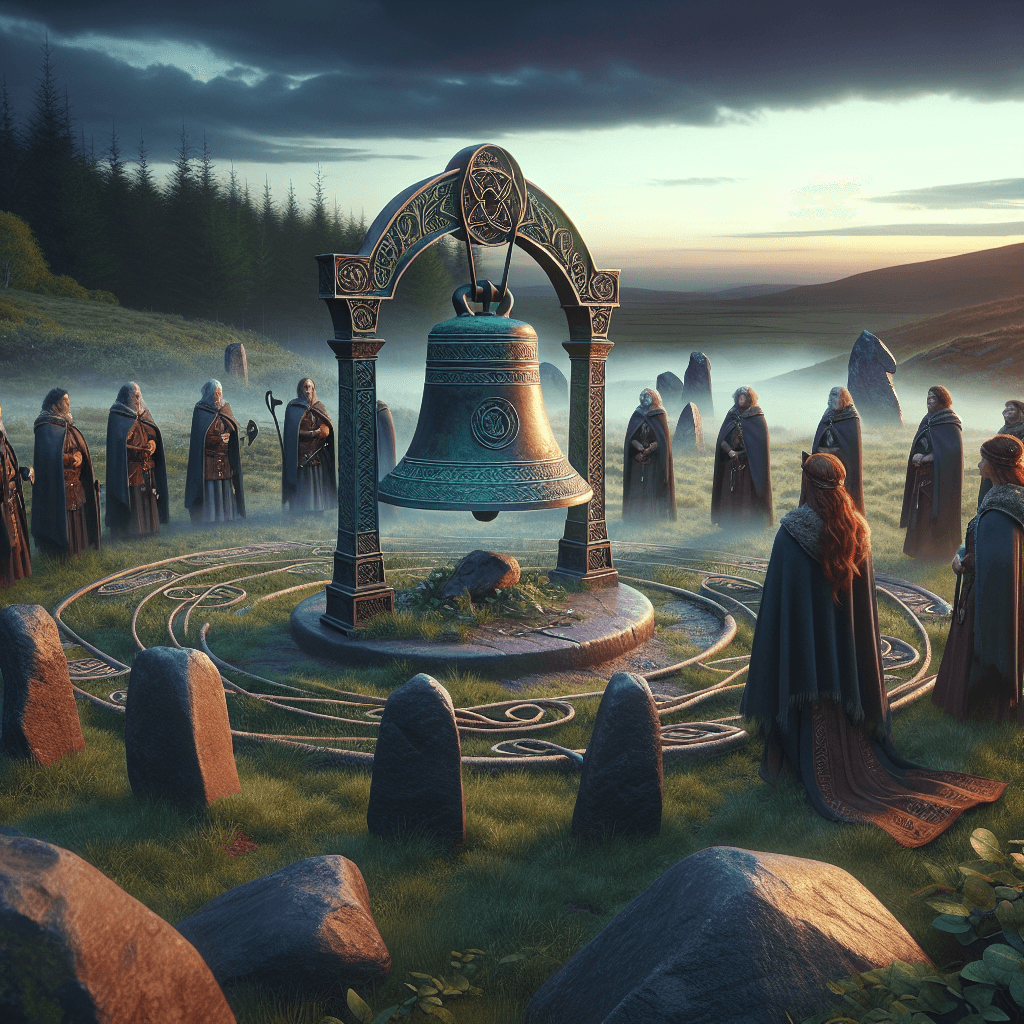
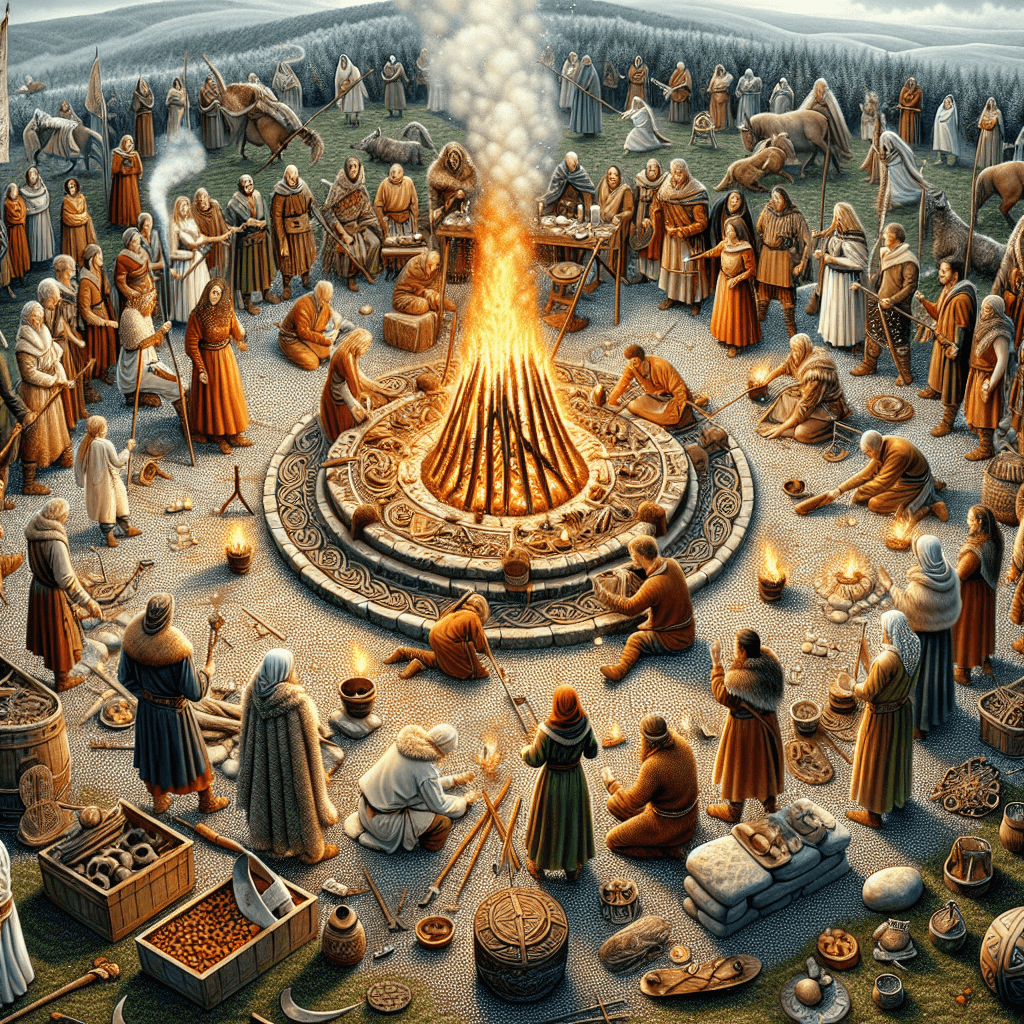

Craftsmen would spend days creating these intricate engravings, understanding that their work would serve spiritual communities for generations. The durability of these symbols in metal ensured that their protective and blessing properties would endure through countless rituals and ceremonies. Many traditional Irish bells combined Celtic knots with other sacred symbols like crosses, spirals, and animal motifs, creating comprehensive spiritual narratives in metal. The placement of these engravings was deliberate, with certain patterns positioned to be most visible during specific ritual uses. These bells served not only as call instruments but as repositories of cultural memory, preserving Celtic spiritual traditions through times of cultural change and religious transition. The reverence for these traditional engravings continues today, as modern practitioners seek to honor the wisdom of their ancestors while adapting ancient symbols for contemporary spiritual needs.
Ancient Celtic Spiritual Bells
Ancient Celtic spiritual bells served as sacred instruments that bridged the earthly and divine realms through both sound and symbol. Archaeological evidence reveals that Celtic peoples crafted bells for various spiritual purposes, from calling communities to sacred gatherings to marking important ritual transitions throughout the seasonal cycles. These bells were not mere tools but sacred objects imbued with protective and transformative power through their Celtic knot decorations and ritual consecration. The sound of ancient Celtic bells was believed to carry prayers to the otherworld while simultaneously clearing negative energies from sacred spaces and communities. Celtic druids and spiritual leaders understood that sound waves combined with sacred symbols created powerful tools for spiritual work and community protection.
The bells often accompanied important life transitions such as births, marriages, and deaths, their Celtic knot patterns reinforcing the eternal nature of the soul’s journey through various incarnations. Different sizes and tones of bells served specific purposes within Celtic spiritual practice, with larger bells calling distant communities and smaller bells used for intimate ritual work. The metal composition of these ancient bells was often considered sacred, with craftsmen selecting materials based on their spiritual properties and connections to particular deities or natural forces. Celtic communities treated these bells as living entities, often giving them names and maintaining them with special care and reverence. The patterns carved into ancient Celtic bells tell stories of spiritual belief systems that honored the interconnectedness of all life and the sacred nature of existence itself. These ancient instruments remind modern practitioners that sound and symbol work together to create powerful spiritual experiences that transcend ordinary consciousness.
Gaelic Bell Ritual Meanings
Gaelic bell ritual meanings encompass a rich tradition of ceremonial practices that honor the cycles of nature, the ancestors, and the divine feminine and masculine principles. Within Gaelic spiritual traditions, bells marked sacred time and sacred space, their Celtic knot patterns serving as visual prayers that reinforced the spoken words and ritual actions of practitioners. The ringing of these bells at specific moments during ceremonies created sonic boundaries that separated ordinary time from sacred time, allowing participants to enter deeper states of spiritual awareness and connection. Gaelic practitioners understood that each Celtic knot pattern on their ritual bells carried specific invocations and protective qualities that enhanced different types of ceremonial work.
Seasonal celebrations such as Samhain, Beltane, Imbolc, and Lughnasadh incorporated Celtic knot bells as essential elements that helped align human consciousness with natural rhythms and cosmic energies. The bells often opened and closed ritual circles, their sound serving as a signal to spiritual entities that sacred work was beginning or ending. Gaelic tradition recognized that Celtic knot patterns on bells acted as spiritual signatures, identifying the bell’s purpose and calling forth appropriate divine assistance during ceremonies. Healing rituals incorporated these bells to clear energetic blockages and restore harmony to individuals and communities, with specific knot patterns chosen based on the type of healing work being performed. The bells also served in divination practices, their tones and the shadows cast by their Celtic knot patterns providing guidance and insight to skilled practitioners. Marriage ceremonies, naming rituals, and ancestor honoring practices all incorporated Celtic knot bells as instruments that blessed participants and sealed spiritual bonds across the veil between worlds. These Gaelic ritual meanings continue to inspire modern practitioners who seek to honor their Celtic heritage while adapting ancient wisdom to contemporary spiritual needs and understanding.
Celtic knot bell meanings offer modern pagans a direct connection to ancestral wisdom and divine protection through sacred sound and symbol. Each pattern tells a story of eternal connection, spiritual growth, and the unending cycles that govern all existence. These sacred instruments serve not only as beautiful additions to your spiritual practice but as powerful tools for transformation and protection. The ancient Celts understood something profound about the relationship between sound, symbol, and spirit that continues to resonate with contemporary seekers. When you incorporate Celtic knot bells into your practice, you join an unbroken chain of practitioners who have honored these sacred patterns for over a millennium. The meanings embedded within these symbols speak to universal human experiences of love, loss, growth, and spiritual awakening that transcend cultural and temporal boundaries. Your journey with Celtic knot bell meanings begins with understanding but deepens through personal experience and ritual practice. How will you incorporate the ancient wisdom of Celtic knot bells into your own spiritual journey, and what new meanings might these timeless symbols reveal through your personal practice?
Related Items:

Lilly Dupres
Owner & AuthorLilly Dupres, a lifelong practitioner of paganism, established Define Pagan to offer a clear definition of paganism and challenge misconceptions surrounding modern pagan lifestyles.


