
What archaeological evidence reveals how ancient civilizations celebrated seasonal festivals and holidays?
Archaeological Evidence Seasonal Celebrations shows us that our ancestors marked the turning seasons through communal feasting, ritualistic activities, and symbolic observances that followed natural cycles like solstices, equinoxes, and animal migration patterns. These weren’t just parties – they were sacred gatherings at specific ritual sites, often marked by massive stone monuments or significant natural features, designed to strengthen social bonds while honoring fertility and cosmic beliefs.
The evidence paints a vivid picture of communities coming together during pivotal moments in the natural year. Ancient peoples understood something we’re only now rediscovering: that seasonal transitions hold profound spiritual significance. They built their entire ceremonial calendar around these cosmic events, creating celebrations that served multiple purposes – strengthening community ties, ensuring successful harvests, and maintaining harmony with the natural world. From the windswept plains of ancient Britain to the lush riverbanks of pre-colonial Brazil, archaeological findings reveal remarkably similar patterns of seasonal reverence across vastly different cultures and time periods.
Reconstructing Ancient Pagan Festivals and Seasonal Rites
The detective work involved in reconstructing ancient pagan festivals reads like something from a mystery novel, except the clues are buried pottery shards, animal bones, and massive stone circles. Archaeologists have become masterful at piecing together these ancient celebrations through careful analysis of artifacts, astronomical alignments of sacred sites, and sophisticated testing of organic residues left behind by our ancestors. Take the pre-colonial peoples of Brazil, for example – they created elaborate earthen mounds called Cerritos where they gathered seasonally to feast on migrating fish and consume fermented beverages made from local tubers and sweetcorn. These weren’t random gatherings; they were carefully timed ritual events that combined practical food procurement with spiritual observance.
European archaeological sites tell equally compelling stories of seasonal reverence. Durrington Walls and the famous Stonehenge complex align precisely with solstice events, suggesting elaborate ritual observances that marked the longest and shortest days of the year. Recent excavations have revealed that these weren’t just astronomical observation posts – they were active ceremonial centers where cremations and burials took place during specific seasonal transitions. The positioning and construction of these monuments required incredible effort and planning, indicating that seasonal celebrations held paramount importance in these ancient societies.
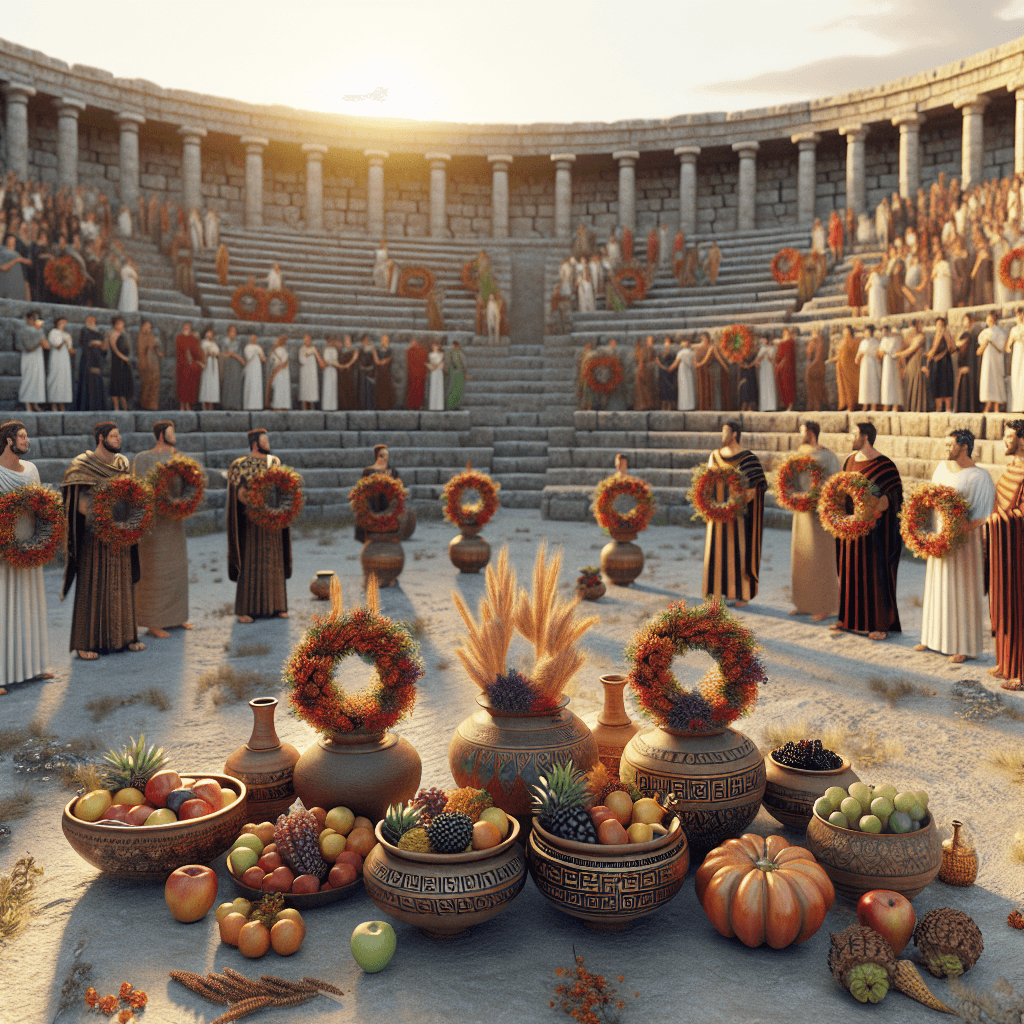
Mediterranean cultures developed particularly sophisticated seasonal rites, as evidenced by archaeological remains of festivals like the Greek Thesmophoria. This multi-day fertility celebration involved elaborate processions, ritual fasting, and symbolic animal sacrifices that reflected deep understanding of agricultural and cosmological cycles. The archaeological record shows these festivals weren’t simple agricultural markers but complex spiritual observances that connected human fertility with earth’s seasonal renewal. Pottery fragments, ritual tools, and ceremonial spaces all point to celebrations that engaged entire communities in honoring the sacred rhythms of nature.
The consistency of these findings across different cultures and continents suggests that seasonal celebration isn’t just cultural tradition – it’s a fundamental human response to natural cycles. Whether examining Celtic fire festivals, Norse winter celebrations, or ancient Egyptian harvest rites, archaeologists consistently find evidence of communities gathering at specific times to mark seasonal transitions through shared meals, ritual activities, and ceremonial observances. These ancient festivals laid the groundwork for many modern celebrations, though often with far deeper spiritual significance than their contemporary counterparts.
Artifact Dating Methods Seasonal Sites
Determining when ancient seasonal celebrations took place requires archaeological detective work that combines traditional dating methods with cutting-edge scientific analysis. Radiocarbon dating of organic remains provides the backbone of chronological understanding, while stratigraphy – the study of soil layers – reveals the sequence of human activities at sacred sites. However, modern archaeological dating has evolved far beyond these basic techniques to include biomolecular analysis and isotopic studies of residues found on pottery and bones. These advanced methods have revolutionized our understanding of ancient seasonal celebrations by revealing details about specific foods, beverages, and ritual practices that would have been impossible to detect just decades ago.
The application of these dating techniques has yielded remarkable discoveries about ancient seasonal sites. At Brazilian Cerritos sites, biomolecular residue analysis has confirmed the production of fermented beverages from native plants, providing direct evidence of ritual consumption during seasonal gatherings. Similarly, massive deposits of animal bones at sites like Göbekli Tepe in Turkey indicate large-scale feasting events that coincided with specific times of year. The sheer volume of remains suggests these weren’t everyday meals but special seasonal celebrations that brought together hundreds or possibly thousands of people.
Architectural alignments serve as another powerful dating tool for seasonal celebrations. Passage tombs like Newgrange in Ireland were constructed with such precision that they allow sunlight to penetrate their inner chambers only during winter solstice sunrise. This architectural dating proxy reveals not just when these monuments were used but demonstrates the central importance of seasonal transitions to their builders. The effort required to achieve such precise astronomical alignment indicates that seasonal observations weren’t casual interests but fundamental aspects of ancient spiritual practice.
Contemporary dating methods increasingly employ DNA sequencing, isotope geochemistry, and remote sensing technologies to build comprehensive pictures of ancient seasonal celebrations. These techniques can identify the geographic origins of materials used in ceremonies, the specific species of animals consumed during festivals, and even the seasonal timing of ritual activities based on plant and animal remains. For instance, isotope analysis of animal bones can reveal whether livestock were slaughtered during specific seasons, while DNA analysis of plant remains can identify which crops were harvested and consumed during ceremonial gatherings. This multi-disciplinary approach creates detailed reconstructions of ancient seasonal celebrations that bring these long-lost traditions back to life.
Cross-Cultural Comparative Festival Analysis
When archaeologists examine seasonal celebrations across different cultures and continents, striking patterns emerge that suggest universal human responses to natural cycles. From Arctic communities celebrating the return of sunlight during winter solstice to equatorial cultures marking rainy season arrivals, the archaeological record reveals consistent themes of communal gathering, ritual feasting, and symbolic activities designed to ensure harmony with natural rhythms. These cross-cultural similarities exist despite vast differences in climate, geography, and available resources, indicating that seasonal celebration addresses fundamental human needs that transcend specific cultural contexts.
European winter solstice celebrations share remarkable similarities with North American indigenous ceremonies, despite developing independently across different continents and time periods. Both traditions emphasize light returning to darkness, community gathering during harsh seasons, and ritual activities designed to ensure survival through difficult months. Archaeological evidence from both regions shows similar patterns of hearth construction, communal cooking areas, and special ceremonial objects used specifically during winter celebrations. The Celtic festival of Samhain, marking the transition from harvest season to winter, parallels seasonal celebrations found in cultures across Asia and the Americas, all emphasizing themes of death, rebirth, and seasonal transformation.
South American seasonal celebrations centered around fish migrations reveal another universal pattern – the integration of practical survival needs with spiritual observance. Archaeological evidence from various South American cultures shows seasonal gathering sites positioned along migration routes, equipped with specialized tools for fish processing and pottery designed for fermenting beverages. These sites weren’t just practical fishing camps but sacred spaces where communities gathered to honor the natural abundance that sustained them through seasonal cycles. Similar patterns appear in Pacific Northwest cultures, African fishing communities, and Mediterranean societies, all showing how seasonal celebrations combined subsistence activities with spiritual practices.


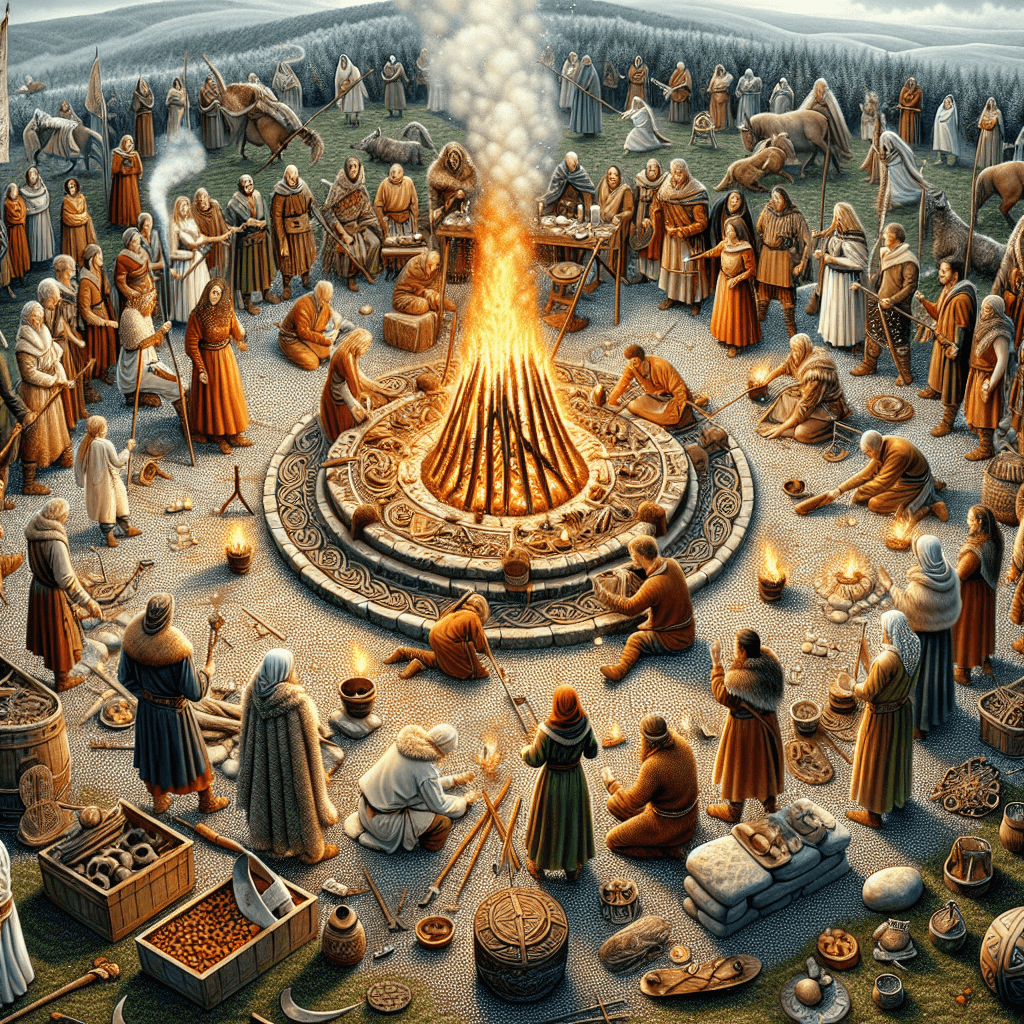
The fertility themes that appear in seasonal celebrations across cultures provide perhaps the most compelling evidence for universal human responses to natural cycles. Whether examining ancient Greek Thesmophoria festivals, Celtic Beltane celebrations, or Native American planting ceremonies, archaeologists consistently find ritual objects, ceremonial spaces, and symbolic practices designed to encourage both human and agricultural fertility. These celebrations typically coincided with spring planting or autumn harvest times, suggesting deep understanding of connections between human reproduction, agricultural success, and seasonal timing. The archaeological record shows these fertility celebrations weren’t simple superstition but sophisticated systems for coordinating community activities with optimal seasonal conditions for both farming and human health.
Modern Archaeological Excavation Techniques
Today’s archaeological methods for investigating ancient seasonal celebrations combine traditional excavation techniques with revolutionary scientific analysis that would seem magical to earlier generations of researchers. Organic residue analysis allows archaeologists to identify specific foods and beverages consumed during ancient festivals by examining molecular traces left on pottery surfaces, cooking stones, and ceremonial vessels. This technique has revealed evidence of fermented beverages, ritual foods, and specialized cooking methods used specifically during seasonal celebrations. DNA sequencing of plant and animal remains provides detailed information about which species were consumed, their geographic origins, and even the specific seasons when they were harvested or slaughtered for ceremonial purposes.
Isotope geochemistry has revolutionized understanding of ancient seasonal celebrations by revealing information about diet, migration patterns, and resource procurement that connects directly to seasonal activities. By analyzing isotope ratios in human and animal bones, archaeologists can determine whether individuals traveled to seasonal celebration sites from distant locations, what types of foods they consumed during festivals, and even whether specific dietary restrictions were observed during ceremonial periods. This information helps reconstruct the social and economic networks that supported large seasonal gatherings, revealing how ancient communities coordinated resources and planning for major celebrations.
Remote sensing technologies including ground-penetrating radar, satellite imagery, and LIDAR mapping have transformed the discovery and excavation of seasonal celebration sites. These tools can identify buried structures, detect soil disturbances indicating human activity, and map entire ceremonial complexes without invasive excavation. At sites like Stonehenge and Durrington Walls, remote sensing has revealed previously unknown ceremonial features that expand understanding of how seasonal celebrations were organized and conducted. The ability to map entire landscapes helps archaeologists understand how seasonal celebration sites connected to surrounding communities and natural features.
Detailed spatial analysis using Geographic Information Systems allows researchers to examine relationships between seasonal celebration sites and astronomical phenomena, natural resources, and settlement patterns. This analysis reveals how ancient communities chose locations for seasonal celebrations based on factors like astronomical alignments, access to seasonal foods, and defensive positions. Biomolecular residue analysis on pottery has provided direct evidence of ancient fermented beverage production and specialized food preparation techniques used specifically during seasonal festivals. The integration of these various analytical methods creates comprehensive reconstructions of ancient seasonal celebrations that illuminate both practical and spiritual aspects of these important community gatherings.
Archaeological Evidence Seasonal Celebrations continues revealing new insights about our ancestors’ deep connection to natural cycles and the sophisticated ways they marked seasonal transitions through community celebration and ritual observance. What aspects of ancient seasonal celebrations do you feel modern communities have lost, and how might we reconnect with these meaningful traditions in our contemporary lives?
Related Items:

Lilly Dupres
Owner & AuthorLilly Dupres, a lifelong practitioner of paganism, established Define Pagan to offer a clear definition of paganism and challenge misconceptions surrounding modern pagan lifestyles.


