What Essential Tools Do You Need to Set Up Your First Spiritual Altar at Home?
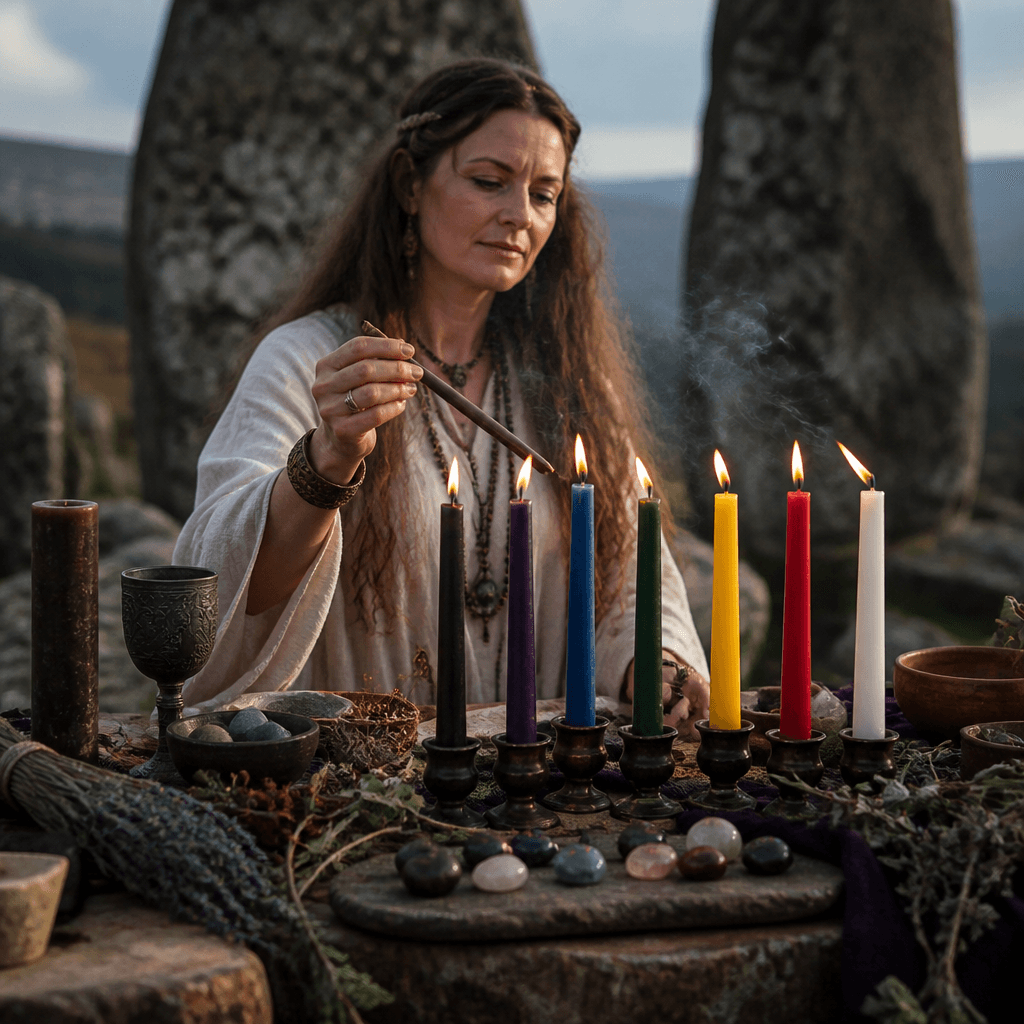
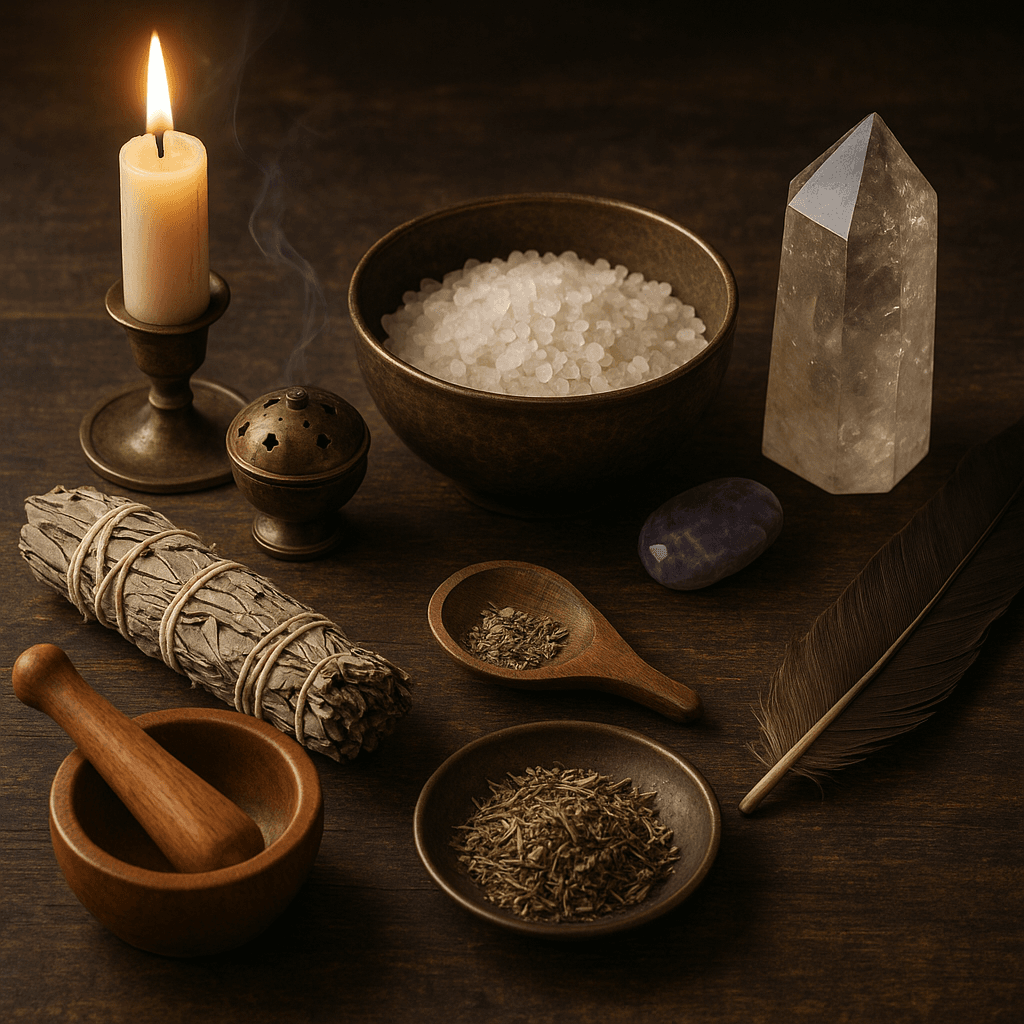
The Essential Altar Tools Guide begins with understanding that you need only one tool representing each of the four elements to create a functional sacred space. Your foundational setup includes a pentacle for Earth, a chalice for Water, a wand for Air, and an athame for Fire. These core tools form the basis of most modern pagan practices, though you need nothing more than your own focused intention to begin your spiritual journey.
Beginner Altar Tools Setup
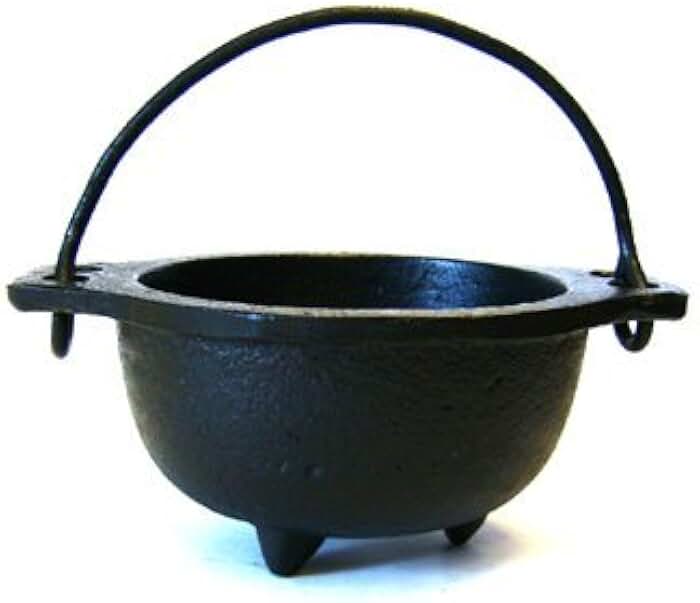
Cast Iron Cauldron w/Handle, Ideal for smudging, Incense Burning, Ritual Purpose, Decoration, Candle Holder, etc. (4" Diameter Handle to Handle, 2.5" Inside Diameter)
View ProductStarting your first altar requires minimal investment and maximum intention. The most essential tools include the chalice or cup for Water element representation, the wand for directing Air energy, the pentacle for grounding Earth connection, and the athame ritual knife for Fire’s transformative power. Beyond these four fundamental items, add a censer for burning incense and candles for illumination and focus. Your specific tradition determines the complexity of your setup, as some covens prefer elaborate arrangements while others maintain simple, clean altars. Remember that you are the only true essential for magical practice. Everything else serves as tools to help you achieve better focus during rituals and spellwork.
Budget constraints should never prevent you from creating a sacred space. You possess items in your home right now that work perfectly for altar tools. A kitchen knife serves as an athame when consecrated properly. A wine glass or coffee mug becomes a ritual chalice. A small plate holds the same energy as an expensive pentacle. Natural materials work especially well for budget-friendly alternatives. Find stones from meaningful locations, gather fallen branches for wands, or collect shells from beach visits. These personally collected items often hold more power than store-bought alternatives because they connect directly to your experiences and energy.
Your beginner altar grows organically as your practice develops. Start with one or two items that speak to your heart. Add new tools only when you feel drawn to them or when your rituals require specific elements. This gradual building process allows you to understand each tool’s purpose before introducing new elements to your practice. Many experienced practitioners prefer their simple beginner setups over elaborate later arrangements because those first tools hold deep personal meaning and strong energetic connections.
The placement of beginner tools follows personal intuition rather than rigid rules. Some practitioners arrange items according to cardinal directions, while others group tools by frequency of use. Trust your instincts about what feels right for your space and practice. Your altar arrangement should feel natural and accessible, not forced or overly complicated. The energy you bring to your altar matters more than perfect positioning or expensive materials.
Sacred Altar Items Meanings
Each tool on your altar carries specific symbolic meaning and practical purpose in ritual work. The pentacle represents Earth energy, providing grounding, stability, and connection to the physical realm. This five-pointed star within a circle symbolizes the four elements plus spirit, creating balance and protection on your altar. You create pentacles from wood, clay, metal, or even draw them on paper. A bowl of sea salt, crystals, stones, or potted plants serve the same Earth representation purpose.
The athame, typically a double-edged knife with black handle, directs energy and cuts through spiritual barriers without touching physical objects. Use your athame to draw symbols in the air, cast protective circles, invoke deities and elemental energies, and mark sacred space boundaries. This tool represents your will and ability to direct magical energy with precision and purpose. Some practitioners prefer athames made from specific metals or with particular handle materials, while others work effectively with simple kitchen knives consecrated for ritual use.
Wands focus and direct energy during spellwork and ritual activities. These tools come in various materials including wood from different tree species, crystals, metals, or combinations of materials. Each material brings specific energetic properties to your practice. Oak wands provide strength and endurance, while willow brings intuitive wisdom. Crystal wands amplify and focus energy, while metal wands conduct power efficiently. You purchase ready-made wands or create your own by finding fallen branches and adding personal touches like carved symbols or wrapped crystals.
The chalice represents Water element energy, connecting you to emotions, intuition, healing, and divine feminine aspects. This tool holds ritual beverages, blessed water, or offerings to deities. Your chalice might be an antique goblet, a simple ceramic mug, or a natural shell. The material matters less than the intention you bring to its use. Fill your chalice with water for blessing rituals, wine for celebration ceremonies, or leave it empty to represent potential and receptivity.
Deity representations deepen your connection to specific divine energies you work with in your practice. These might include statues, figurines, printed images, artwork, or symbols associated with particular gods and goddesses. Thor’s hammer represents strength and protection, while Brigid’s cross symbolizes inspiration and craftsmanship. Choose representations that resonate with your personal spiritual path and the deities you feel called to honor. Personal and meaningful objects add unique energy to your altar space. Family heirlooms carry ancestral connections, travel mementos hold memories of sacred places, handmade items contain your creative energy, and photographs of loved ones bring their supportive presence to your practice.
Professional Altar Supplies Buying

Gothic Gnome Statue,5.31 Inch,Occult Resin Gothic Decor for Halloween Altar
View ProductShopping for altar supplies requires balancing quality, authenticity, and budget considerations. Professional suppliers offer tools crafted specifically for magical purposes, often with attention to traditional materials and construction methods. These items typically cost more than alternatives but provide durability and energetic consistency. Research suppliers thoroughly, reading reviews and checking their reputation within the pagan community. Look for artisans who understand the spiritual significance of the tools they create and who use traditional methods when possible.
Quality materials enhance your spiritual practice through better energy conduction and longer-lasting tools. Silver chalices conduct lunar energy effectively, while copper bowls work well for solar rituals. Wooden tools should come from sustainably harvested trees, preferably with known magical associations. Crystal tools require authentic stones rather than synthetic alternatives. However, expensive materials do not automatically create better spiritual results. A simple clay bowl made with love and intention often works better than an expensive chalice purchased without thought or connection.
Consider your specific tradition’s requirements when selecting professional supplies. Some paths emphasize particular materials, colors, or construction methods for their tools. Celtic practitioners might prefer tools made from native woods like oak or ash, while Norse pagans might seek items crafted from materials sacred to their gods. Egyptian reconstructionists often choose tools made from materials available in ancient Egypt. Research your tradition’s preferences while remaining open to personal intuition about what works best for your practice.
Building relationships with reputable suppliers benefits your long-term practice development. Good suppliers educate customers about proper tool care, traditional uses, and quality indicators. They often carry hard-to-find items and may offer custom work for specific needs. Many suppliers also provide information about the artisans who create their items, allowing you to support craftspeople whose work resonates with your values. Some suppliers offer payment plans for expensive items, making quality tools accessible to practitioners on tight budgets.
Timing your purchases around seasonal sales and pagan holidays often yields better prices on professional supplies. Many suppliers offer discounts during major sabbats or at the end of their busy seasons. Join mailing lists or follow social media accounts to learn about upcoming sales. Consider splitting larger orders with friends or coven members to reach minimum purchase amounts for discounts. However, never compromise on quality simply to save money. A well-made tool that lasts for decades provides better value than cheap alternatives requiring frequent replacement.
Advanced Ritual Tools Mastery
Advanced practitioners often develop collections of similar tools with different energetic focuses for specific ritual purposes. You might own multiple wands made from different woods, each attuned to particular types of magic. A hazel wand works well for divination, while an oak wand provides strength for protection spells. Multiple athames allow you to dedicate specific blades to different deities or magical workings. This specialization enhances your ability to fine-tune energy work and creates deeper connections between tools and purposes.
Mastery involves understanding when to break traditional rules and when to honor them completely. Some advanced practitioners create athames from ceramic, stone, or wood rather than metal. Others use kitchen knives, crafted bamboo blades, or items molded from oven-bake clay. These unconventional choices often reflect deep understanding of tool purposes rather than ignorance of traditions. The key lies in understanding why traditions exist before deciding whether to follow or adapt them for your specific needs and circumstances.
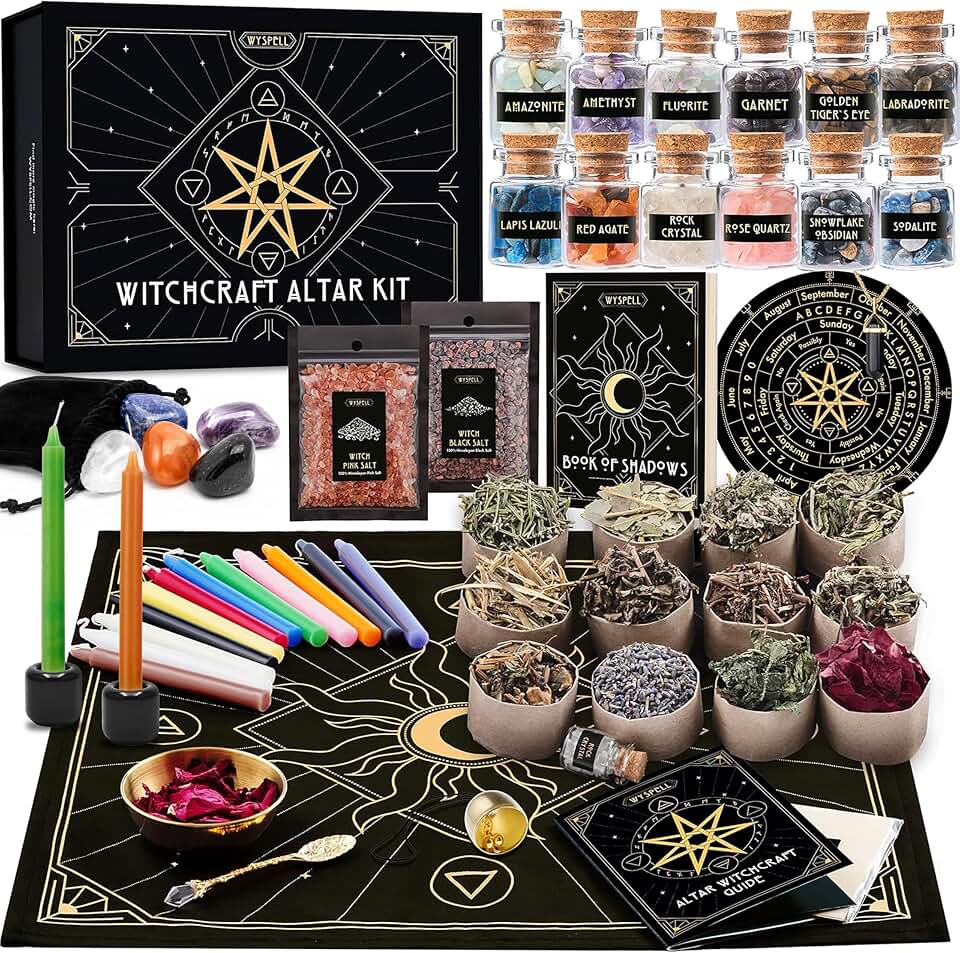
Wyspell Large Witchcraft Kit - 77 PCS - Altar Spell Set - Witchy Gifts
View ProductCreating portable altar kits expands your practice beyond indoor spaces and fixed locations. These travel sets contain essential tools in compact, durable forms for outdoor rituals and spontaneous spiritual work. Include a small altar cloth, containers for salt and water, votive candles in protective holders, a compass for directional work, and selection of versatile crystals. Design your portable kit around your most frequent away-from-home spiritual needs while keeping everything small enough for easy transport.
Advanced tool consecration techniques deepen the energetic connection between practitioner and implements. Some masters perform elaborate consecration rituals lasting several days, exposing tools to different elemental energies and charging them under various moon phases. Others prefer simple, heartfelt blessing ceremonies focusing on personal connection rather than complex procedures. The most effective consecration matches your personal spiritual style and creates genuine energetic bonds between you and your tools.
Maintaining tools properly preserves their energetic integrity and physical condition over decades of use. Clean metal tools regularly to prevent tarnishing, oil wooden implements to prevent cracking, and store everything safely between uses. More importantly, cleanse tools energetically after intense ritual work and recharge them periodically through exposure to moonlight, sunlight, or earth energy. Some practitioners perform annual tool blessing ceremonies, renewing their spiritual connections and expressing gratitude for faithful service.
Advanced practitioners understand that tools serve the practitioner, not the reverse. Never let elaborate tool collections distract from the real work of spiritual development. Some of the most powerful magical workers own only basic tools, focusing their energy on developing personal abilities rather than accumulating impressive altar displays. Your spiritual advancement shows through increased effectiveness in your magical work, not through the value or rarity of your tool collection.
Creating an Essential Altar Tools Guide for your spiritual practice opens doorways to deeper magical work and stronger divine connections. Your altar becomes a focal point for transformation, a sacred space where intention meets manifestation. The tools you choose reflect your spiritual journey and support your ongoing development as a practitioner. Which element calls to you most strongly as you begin creating your first sacred space?
Related Items:

Lilly Dupres
Owner & AuthorLilly Dupres, a lifelong practitioner of paganism, established Define Pagan to offer a clear definition of paganism and challenge misconceptions surrounding modern pagan lifestyles.