
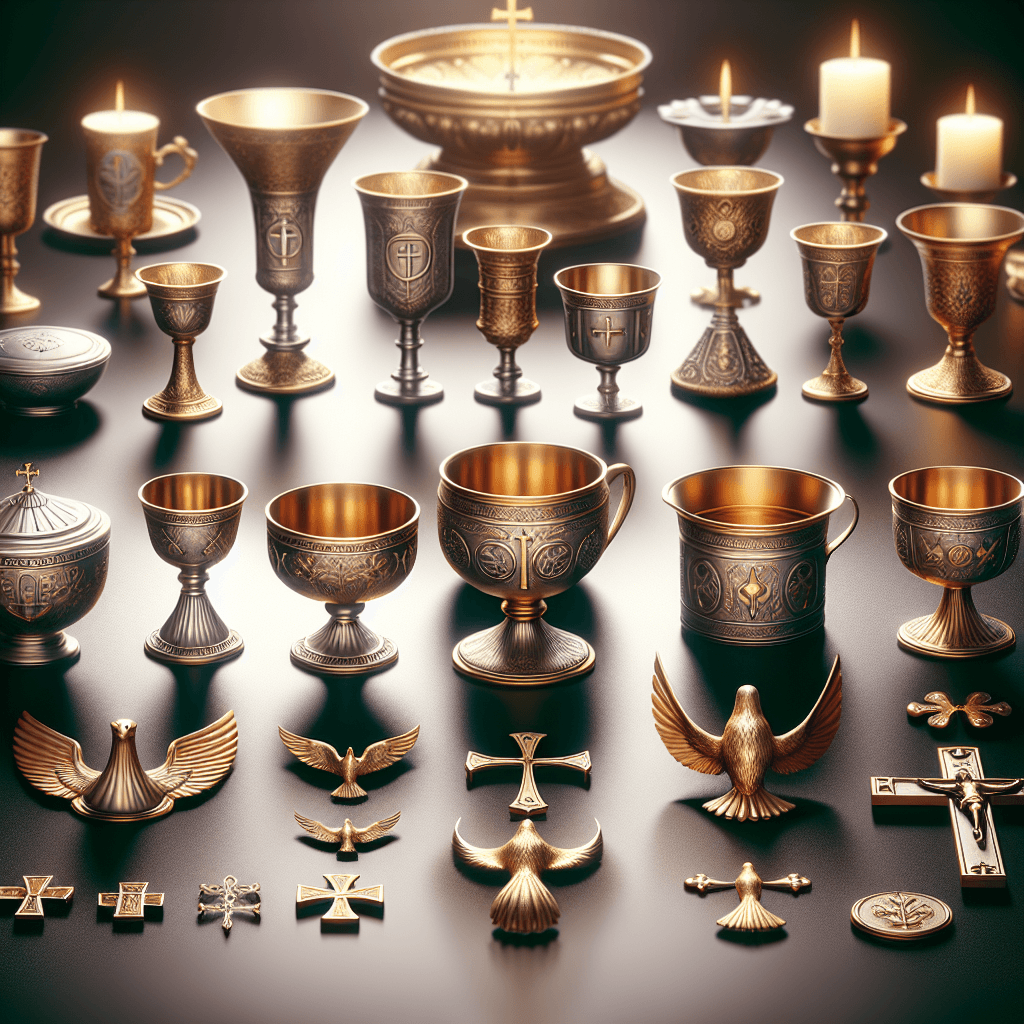
Sacred Vessel Selection Guide for Your Spiritual Practice
What factors should you consider when choosing the right sacred vessel for your spiritual practice include material compatibility with food-safe requirements for libations, cast iron for heat resistance, size considerations with small vessels for altars and larger ones for outdoor use, symbolic associations like water elements for chalices and transformation for cauldrons, intended use whether for drinking, brewing, or scrying, and personal resonance or tradition-specific requirements. Your Sacred Vessel Selection Guide begins with understanding these core elements that will shape your entire ritual practice.
Beginner Chalice Buying Tips

Starting your journey with sacred vessels feels overwhelming when you see the countless options available. Focus on food-safe materials like glass, ceramic, or metal while avoiding plastic since it lacks natural authenticity. Select a simple cup or mug that resonates with you if ornate chalices feel intimidating. Any vessel holding personal significance works initially for your practice.
Size matters more than you think for altar work. Choose vessels a few inches across that fit comfortably on your sacred space. Your chalice needs to feel natural in your hands during rituals. You will hold it during libations and share it during ceremonies like the symbolic Great Rite. Test the weight and balance before committing to a piece.
Budget wisely when building your collection. Start with versatile pieces representing the divine feminine, water element, and emotions. Magical shops sell beautiful chalices but they cost more than simple alternatives. A meaningful vessel from your kitchen serves better than an expensive cup without connection. Your practice grows stronger through intention than through price tags.
Begin with one quality piece rather than multiple cheap options. Glass and ceramic work well for beginners since they clean easily and look beautiful on altars. Metal chalices offer durability but cost more upfront. Choose based on your current needs and upgrade later as your practice develops. Your first chalice should feel right in your hands and heart.
Professional Ritual Vessel Standards
Professional-grade ritual vessels meet specific standards for durability, elemental alignment, and multi-functionality. Cast iron or metal cauldrons handle fire, brewing, and safe candle burning without cracking or melting. Chalices must use food-safe materials for ceremonial liquids like wine shared among practitioners. Your vessels need to withstand regular use across different seasons and ceremonies.
Elemental alignment follows traditional Wiccan correspondences with chalices and cauldrons representing Water in the West direction. Some practitioners also connect cauldrons with Fire energy due to their transformative nature. Professional pieces support active uses like scrying with water-filled cauldrons, potion symbolism, and the athame-in-chalice union ceremony. They function as both stationary focal points and portable tools.
Quality vessels serve multiple purposes within your practice. A good cauldron works for burning incense, mixing herbs, holding water for scrying, and containing small fires safely. Professional chalices hold sacred beverages, collect rainwater, store blessed oils, and represent the Goddess during rituals. Your investment pays off through years of reliable service across different magical workings.
Avoid non-traditional materials that clash with natural energy flow. Professional practitioners choose vessels that resonate with their specific deities or spiritual energies. Your selection should support both solo work and group ceremonies. Consider portability if you attend outdoor gatherings or travel to different ritual locations. The best professional vessels grow with your practice rather than limiting your options.
Sacred Cup Material Comparisons

Cast iron excels for active magical work due to its heat resistance and transformative symbolism. This material handles brewing, fire spells, and scrying without damage. The weight adds stability during outdoor ceremonies. Cast iron requires seasoning to prevent rust but rewards you with decades of service. Choose cast iron for cauldrons used in intensive magical work.
Metal options like silver and pewter offer elegance and durability for ceremonial chalices. These materials stay food-safe for libations and shared beverages. Silver carries lunar associations perfect for Goddess work. Pewter costs less while maintaining professional appearance. Both metals may tarnish over time but clean easily with proper care. Metal chalices work best for formal rituals and group ceremonies.
Glass and ceramic provide affordable entry points for new practitioners. These materials look beautiful on altars and clean effortlessly after use. Glass shows liquid contents during rituals which adds visual appeal. Ceramic offers more durability than glass while staying budget-friendly. Both materials work well for decorative altar pieces but avoid them for heat applications or outdoor use where breakage risks increase.
Plastic fails every authentic practice test despite being cheap and lightweight. Natural materials connect better with earth energies and spiritual work. Plastic feels wrong in your hands during sacred moments. Professional practitioners avoid plastic completely since it disrupts the natural flow of ritual energy. Invest in natural materials from the start rather than replacing plastic vessels later.
Altar Chalice vs Cauldron
Altar chalices serve as portable vessels for holding and sharing liquids during ceremonies. They symbolize the womb, Goddess energy, fertility, and water emotions. Your chalice plays a passive role in rituals like the symbolic Great Rite where it receives the athame. Place your chalice in the West position on your altar to honor the Water element. Size them for easy handling during libations and group sharing.
Cauldrons function as stationary workhorses for active magical operations. Use them for brewing, fire spells, scrying, and burning incense. They represent transformation through their connection to both Water and Fire elements. Cauldrons symbolize creative forces and rebirth through their association with the cosmic womb. Choose three-legged cast iron designs for traditional stability and heat distribution.
Your chalice dispenses what your cauldron creates during magical work. This partnership connects the transformative process with the sharing of results. Use chalices for easy transport and individual portions. Choose cauldrons for creation, group work, and divination activities. Outdoor rituals benefit from sturdy cauldrons while indoor altars work better with elegant chalices.
Function determines your choice between these vessel types. Cauldrons suit intense magical work requiring fire or large quantities. Chalices work better for meditation, simple offerings, and personal devotions. Many practitioners own both types since they serve different purposes. Your ritual needs guide whether you start with a chalice for gentle work or a cauldron for active magic.
Ritual Cup Materials

Sacred Glow Serum Organic Face Oil - Botanical Facial Serum with Antioxidants for Radiant Skin, Leaping Bunny & Made Safe Certified
View Product →Natural materials form the foundation of authentic sacred vessel selection. Cast iron provides transformative energy and heat-proof reliability for cauldrons used in active magic. Metal chalices offer elegance and food safety for ceremonial sharing. Glass and ceramic serve as accessible starting points for new practitioners building their first altar setups. Choose materials that align with your spiritual path and practical needs.
Water element associations make certain materials ideal for intuitive and emotional work. Chalices representing water energy support divination, dream work, and psychic development. Fire and water duality appears in cauldrons used for transformation rituals. Your material choice affects the energy flow during ceremonies. Silver connects with lunar cycles while copper resonates with Venus energy.
Personal resonance matters more than following rigid rules about material selection. Your vessels should feel right in your hands and support your specific practice style. Chalices work well for practitioners focused on Goddess worship and feminine energy. Cauldrons suit those drawn to transformation magic and active spellwork. Trust your intuition when choosing between different material options.
Size considerations affect both storage and ritual effectiveness. Small vessels fit nicely on indoor altars without overwhelming other tools. Larger pieces work better for outdoor gatherings and group ceremonies. Your space limitations influence practical choices about vessel dimensions. Consider where you will store your vessels between uses and how often you will transport them to different locations.
Sacred Vessel Selection Guide principles apply whether you choose your first chalice or expand an existing collection. Which vessel type calls to your spiritual practice most strongly right now?
Related Items:

Lilly Dupres
Owner & AuthorLilly Dupres, a lifelong practitioner of paganism, established Define Pagan to offer a clear definition of paganism and challenge misconceptions surrounding modern pagan lifestyles.


