How Ancient Divination Methods Like Tarot and Runes Work in Modern Spiritual Practices

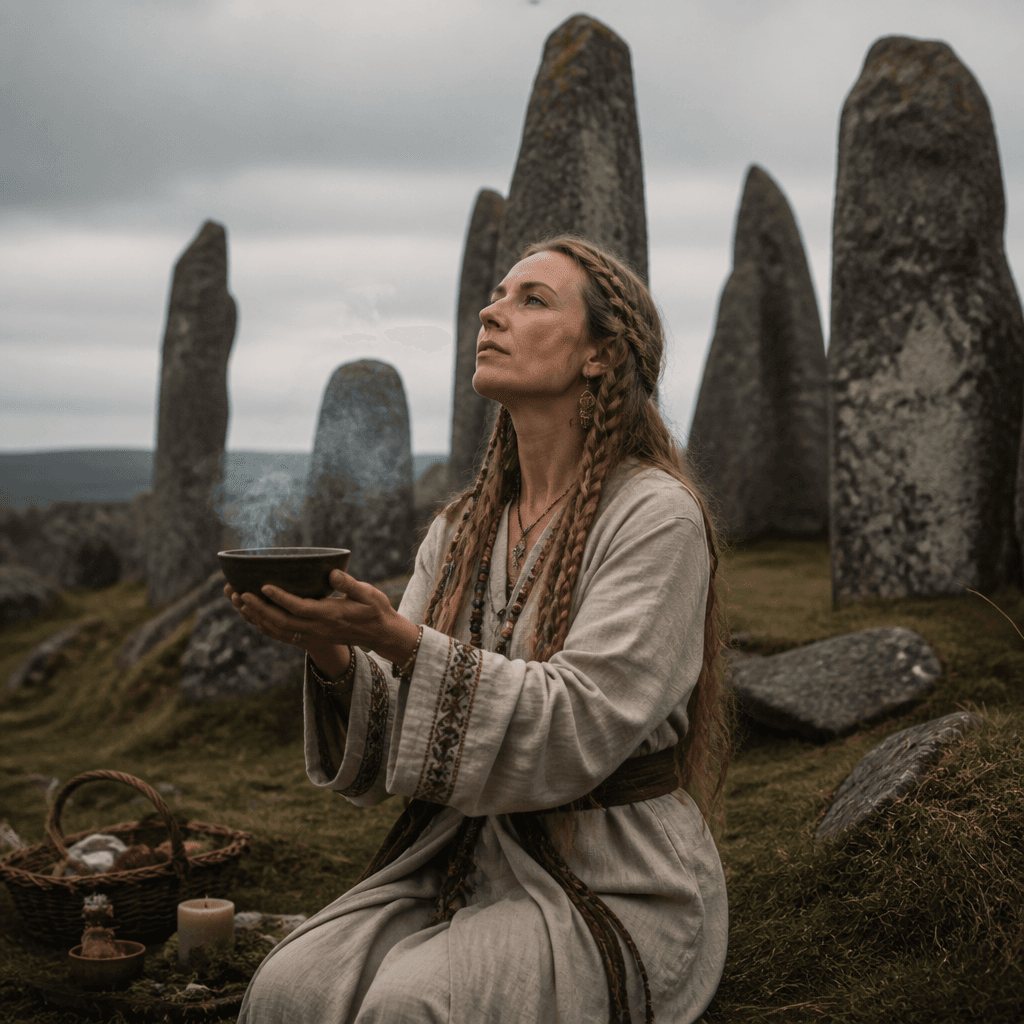
Ancient divination methods today serve as powerful bridges between our ancestors’ wisdom and contemporary spiritual needs, functioning as intuitive tools that help modern pagans navigate life’s complexities while maintaining deep connections to natural cycles and divine guidance.
Tarot and runes operate as sophisticated communication systems in modern paganism, where practitioners focus their intention on specific questions before drawing cards or casting symbols. The process involves interpreting these ancient symbols based on historical meanings, personal energy, and established spreads like past-present-future layouts. Runes, originating from the Elder Futhark alphabet of 24 symbols, carry phonetic, name-based, and energetic meanings organized into three aettir families. Modern pagans utilize them through various methods including single draws, three-rune spreads, or five-rune crosses, despite limited historical evidence for ancient divination practices. This gap is filled through rune poems, Norse mythology, and unverifiable personal gnosis that has developed over decades of modern practice.
Tarot mirrors this intuitive approach with card layouts designed for deep reflection and spiritual insight. Both systems frequently work together in Wiccan practices, supporting spellwork, meditation, and divine communication. Contemporary practitioners often enhance their connection to these tools by crafting personal rune sets from natural materials like wood or stone, then shaking and scattering them before making intuitive selections. This hands-on approach strengthens the energetic bond between practitioner and divination method, creating more personalized and meaningful readings. The integration of these ancient systems into modern spiritual routines emphasizes personal intuition over rigid interpretation, allowing practitioners to develop their own relationship with these timeless symbols while honoring their historical roots.
Roman Augury and Haruspicy
Roman augury and haruspicy represent fascinating aspects of ancient divination methods today, experiencing renewed interest among modern pagans who seek to reconnect with nature-based spiritual practices. These classical Roman techniques originally involved interpreting bird flight patterns and examining animal entrails to divine the will of the gods. Contemporary practitioners have adapted these methods for modern sensibilities, focusing on intuitive nature observation rather than literal replication of ancient sacrificial practices. Events like the 2025 Southern California Divination Conference showcase these revived arts through workshops that teach participants to read natural signs and omens in their daily environment.
Modern augury practitioners spend time observing bird behavior, flight patterns, and natural phenomena as expressions of divine communication. This practice aligns perfectly with contemporary paganism’s emphasis on nature reverence and finding sacred meaning in everyday occurrences. Rather than following rigid ancient protocols, today’s practitioners develop personal relationships with local wildlife and natural cycles, interpreting signs based on intuitive understanding and personal spiritual frameworks. The practice has evolved to include observation of various animals, weather patterns, and natural events as potential sources of divine guidance.
Haruspicy has transformed significantly for modern use, moving away from actual entrail examination toward symbolic interpretation and energy reading techniques. Contemporary practitioners might use clay models, artistic representations, or meditation visualizations to access similar divinatory insights without animal sacrifice. This adaptation demonstrates how ancient divination methods today can maintain their essential spiritual functions while adapting to modern ethical frameworks and legal constraints. Many practitioners combine these classical techniques with other divination methods like tarot or runes, creating comprehensive reading sessions that draw from multiple ancient traditions.
The revival of Roman divination techniques speaks to a broader hunger for authentic spiritual practices that connect modern pagans to pre-Christian European traditions. These methods offer unique perspectives that differ from more commonly known systems like tarot, providing practitioners with diverse tools for spiritual inquiry and personal growth. Workshops and conferences increasingly feature these classical techniques alongside more familiar forms of divination, indicating growing interest in expanding beyond traditional New Age offerings. The hands-on nature of augury and haruspicy appeals to practitioners seeking more embodied, experiential forms of spiritual practice that engage multiple senses and require active participation in the natural world.
Modern Tarot Card Reading
Modern tarot card reading has evolved into one of the most versatile and widely practiced forms of divination within contemporary pagan communities, serving as both a spiritual tool and a method for psychological self-reflection. Ancient divination methods today find their most accessible expression through tarot, which has adapted remarkably well to modern spiritual needs while maintaining its mystical essence. Unlike rigid fortune-telling approaches of the past, contemporary tarot reading emphasizes intuitive interpretation, personal empowerment, and psychological insight. Practitioners use various spreads ranging from simple three-card layouts to complex Celtic crosses, each designed to illuminate different aspects of a querent’s situation or question.
The integration of tarot into seasonal rituals and manifestation work has become particularly prominent in modern pagan practice, with manifestation being named 2024’s Word of the Year in many spiritual communities. Practitioners align their readings with lunar phases, solstices, and equinoxes to enhance the connection between cosmic energies and personal guidance. This seasonal approach transforms tarot from a simple divination tool into a comprehensive spiritual practice that honors natural cycles while providing ongoing support for personal growth and decision-making. Many pagans maintain dedicated tarot journals where they record readings, track patterns, and document their evolving relationship with the cards.

Contemporary tarot practice emphasizes personal moral autonomy and self-directed spiritual development, moving away from authoritarian interpretations toward collaborative exploration between reader and querent. This shift reflects broader changes in modern spirituality, where individuals seek tools for personal empowerment rather than external validation or predetermined fate. Live demonstrations and panels at conferences like the 2025 Southern California Divination Conference showcase this evolving approach, featuring experienced readers who emphasize intuitive development over memorized card meanings. These events provide valuable opportunities for practitioners to refine their skills, learn new techniques, and connect with like-minded spiritual seekers.
The accessibility of tarot has contributed significantly to its popularity among modern pagans, offering an entry point for those new to divination while providing sufficient depth for advanced practitioners. Unlike some ancient divination methods that require extensive historical knowledge or specialized materials, tarot cards are readily available and supported by vast amounts of educational resources. This accessibility has spawned diverse tarot traditions adapted for specific spiritual paths, from traditional Wiccan decks to Norse-inspired cards and ecological nature-based systems. The visual richness of tarot imagery appeals to practitioners who learn through symbols and archetypes, making it an ideal complement to other divination methods like runes or astrology within comprehensive spiritual practices.
Palmistry Fortune Telling Techniques
Palmistry represents one of the most ancient and personally intimate divination methods available to modern practitioners, offering insights that literally rest in the palm of one’s hand. While specific documentation of palmistry’s role in contemporary pagan practice remains limited, the technique aligns seamlessly with broader trends in ancient divination methods today that emphasize personal connection, intuitive interpretation, and accessible spiritual tools. Modern palmists focus on reading the major lines, mounts, and finger characteristics to provide guidance about personality traits, life patterns, and potential future developments. This hands-on approach appeals to practitioners who prefer divination methods that require no external tools beyond the human body itself.
Contemporary palmistry practice has evolved beyond rigid traditional interpretations toward more fluid, intuitive reading approaches that complement other divination methods commonly used in pagan circles. Many practitioners combine palmistry with tarot readings, astrological consultations, or rune castings to create comprehensive spiritual guidance sessions. The technique’s portability makes it ideal for informal readings at gatherings, festivals, and metaphysical marketplaces where practitioners can offer quick insights without elaborate setups or special equipment. This accessibility has helped palmistry maintain relevance in modern spiritual communities despite competition from more visually dramatic divination methods.
The psychological aspects of palmistry resonate strongly with contemporary spiritual seekers who appreciate methods that reveal character insights and personal growth opportunities. Modern palmists often frame their readings as explorations of potential rather than fixed destiny, aligning with current spiritual trends that emphasize personal empowerment and conscious choice-making. This approach transforms palmistry from fortune-telling into a tool for self-awareness and personal development, making it valuable for individuals seeking to understand their strengths, challenges, and natural inclinations. The intimate nature of palm reading creates unique opportunities for connection between reader and client, fostering the kind of personal spiritual relationships valued in contemporary pagan communities.
Training in palmistry typically involves studying traditional hand maps while developing intuitive reading abilities through practice with willing volunteers. Many practitioners begin by reading their own palms and those of close friends, gradually building confidence and interpretive skills through direct experience. Unlike some divination methods that rely heavily on memorized meanings or complex symbolic systems, palmistry encourages readers to develop personal interpretation styles based on observation, intuition, and client feedback. This learning approach attracts individuals who prefer experiential spiritual education over academic study, making palmistry an appealing complement to more scholarly divination methods like runes or classical astrology.
Astrology Horoscope Predictions Daily
Astrology serves as the backbone for daily spiritual practice among many modern pagans, providing consistent guidance through horoscope predictions that align personal activities with cosmic rhythms and celestial influences. Ancient divination methods today find sophisticated expression through astrological practice that extends far beyond simple sun sign readings to encompass lunar phases, planetary transits, and complex chart analysis. Contemporary practitioners track these celestial movements in personal grimoires, using astrological insights to time rituals, plan important decisions, and understand recurring life themes. The 2025 Full Buck Moon in Capricorn, for example, offers opportunities for ambition-focused work, while the New Moon in Taurus supports manifestation and grounding practices.
Daily astrological practice involves monitoring multiple celestial factors that influence personal energy and collective spiritual currents. Modern pagans often begin each day by checking lunar phases, planetary aspects, and their personal transits to align their activities with supportive cosmic energies. This approach transforms astrology from passive entertainment into active spiritual practice that informs everything from ritual timing to career decisions. Many practitioners maintain lunar calendars specifically for tracking optimal times for shadow work, manifestation rituals, and community gatherings. The concept of cosmic reciprocity operates similarly to karma in these practices, suggesting that actions taken in harmony with celestial rhythms produce more favorable outcomes.
The integration of astrology into broader pagan practice creates opportunities for deep personal and community connection through shared cosmic experiences. Workshops featured at events like the 2025 Southern California Divination Conference teach participants to interpret their birth charts, understand current transits, and apply astrological insights to daily decision-making. These educational opportunities move beyond simple horoscope reading toward comprehensive astrological literacy that empowers individuals to become their own spiritual advisors. Group activities like Full Moon circles and seasonal celebrations often incorporate astrological themes, creating shared experiences that strengthen community bonds while honoring celestial influences.
Advanced astrological practice among contemporary pagans frequently combines traditional techniques with innovative applications suited to modern life challenges and opportunities. Practitioners might use electional astrology to choose optimal timing for job interviews, relationship conversations, or creative projects, while others focus on mundane astrology to understand social and political trends affecting their communities. The accessibility of digital ephemerides and calculation software has democratized advanced astrological techniques that were once available only to dedicated scholars, enabling more pagans to develop sophisticated practices tailored to their individual needs and interests. This technological support allows practitioners to focus on interpretation and application rather than mathematical calculations, making astrology more approachable for spiritual seekers who prefer intuitive over analytical approaches.
Learning Ancient Oracle

Divination and Interpretation of Signs in the Ancient World (Oriental Institute Seminars)
View ProductLearning ancient oracle systems requires dedication, patience, and willingness to develop both intellectual understanding and intuitive abilities that complement each other throughout the learning process. Ancient divination methods today demand more than memorizing symbol meanings; they require practitioners to cultivate personal relationships with chosen systems through regular practice, study, and spiritual development. Beginning students should start with one primary method like runes or tarot rather than attempting to master multiple systems simultaneously, allowing time for deep integration and skill development before expanding their divination toolkit. Resources for learning include beginner-friendly books such as Ralph Blum’s intuitive rune guide, which introduces concepts like the modern Wyrd rune, alongside conference workshops and self-directed study using historical sources like rune poems and Norse mythology.
Practical learning begins with hands-on experience creating or selecting divination tools that resonate personally with each practitioner. For rune work, this might involve crafting a personal set from wood, stone, or other natural materials, then developing familiarity through daily handling and simple spreads. The basic three-rune past-present-future spread offers excellent starting practice, requiring practitioners to focus on specific questions, breathe deeply, scatter or draw runes, then interpret their meanings within the context of the inquiry. Regular practice with simple layouts builds confidence and interpretive skills while establishing personal traditions and preferences that enhance the effectiveness of future readings.
Combining oracle study with complementary spiritual practices significantly accelerates learning and deepens understanding of ancient divination methods. Many successful practitioners integrate their chosen divination system with meditation, altar work, and seasonal rituals that reinforce symbolic associations and strengthen intuitive connections. Modern adaptations like Galdr incorporate runes into spell work despite Christian influences present in historical rune poems, demonstrating how contemporary practitioners can honor ancient wisdom while developing personally meaningful applications. This integrated approach transforms divination from academic exercise into living spiritual practice that grows more sophisticated and personally relevant over time.
Community learning opportunities provide invaluable support for students of ancient oracle systems, offering chances to practice with experienced readers, receive feedback, and discover new techniques and interpretations. Conferences, workshops, and local pagan groups create environments where beginners can observe skilled practitioners, ask questions, and participate in group readings that build confidence and social connections. Online communities and forums extend these learning opportunities beyond geographical limitations, enabling students to connect with teachers and fellow practitioners worldwide. The key to successful oracle learning lies in balancing structured study with intuitive development, historical knowledge with personal gnosis, and individual practice with community engagement that supports ongoing growth and refinement of divination skills.
Ancient divination methods today offer modern pagans powerful tools for spiritual guidance, personal growth, and community connection that bridge millennia of human wisdom with contemporary spiritual needs. Which of these timeless practices calls to your spirit, and how might incorporating ancient oracle work transform your own spiritual journey?
Related Items:

Lilly Dupres
Owner & AuthorLilly Dupres, a lifelong practitioner of paganism, established Define Pagan to offer a clear definition of paganism and challenge misconceptions surrounding modern pagan lifestyles.