What were the most important ritual ceremonies performed by ancient Babylonian priests in their temples?
Ancient Babylonian Ritual Practices and the Sacred Akītu Festival

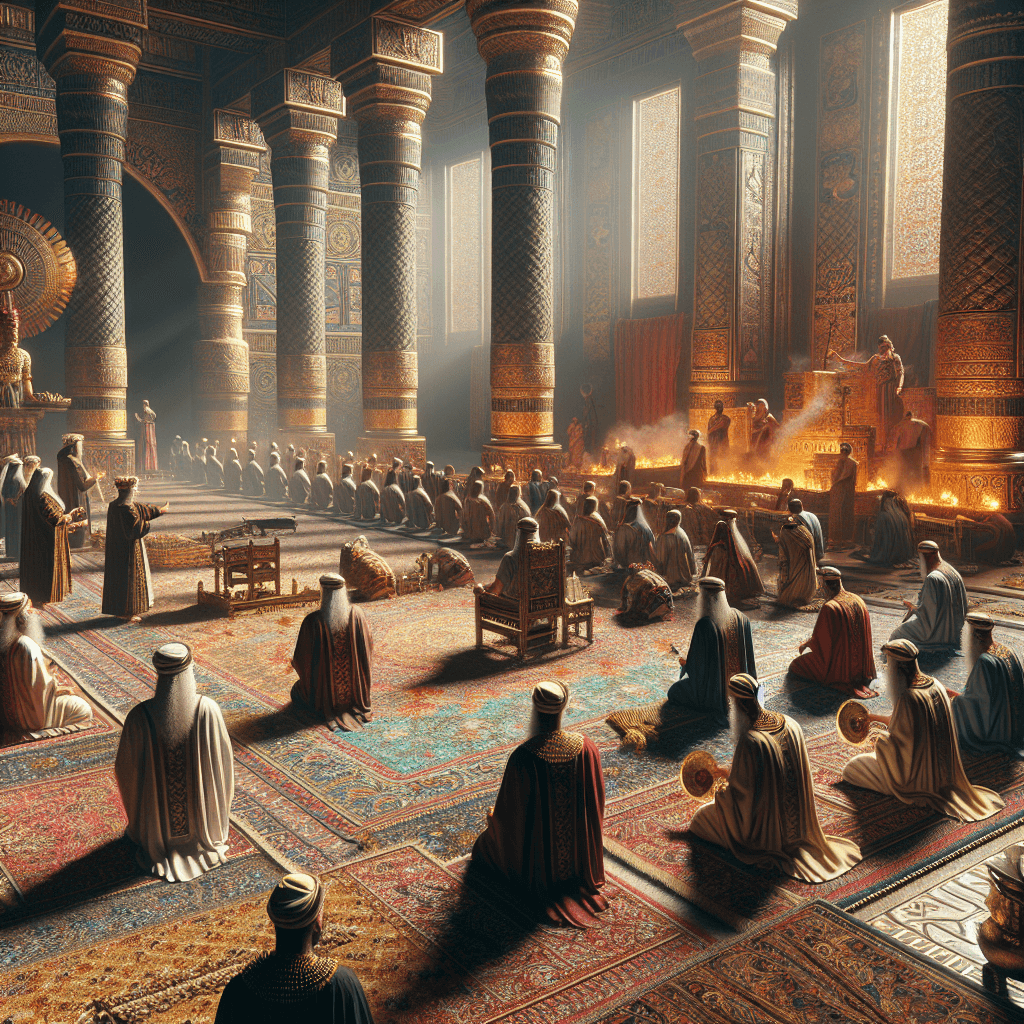
Ancient Babylonian Ritual Practices centered around the magnificent Akītu festival, which stood as the crown jewel of their sacred calendar. This wasn’t just any ordinary ceremony – it was a cosmic drama that unfolded over eleven days, featuring dramatic recitations of the Babylonian Creation Epic known as Enūma Eliš, elaborate processions where divine statues were paraded through the streets, and perhaps most remarkably, the ritual humiliation of the king himself to renew his divine mandate for another year.
The Akītu festival represented far more than religious pageantry; it was the spiritual heartbeat of Babylonian civilization. During this sacred time, the entire social order was temporarily suspended and then dramatically renewed. The king, normally considered semi-divine, would be stripped of his regalia and forced to kneel before the statue of Marduk while the high priest struck him across the face. This shocking moment of vulnerability served as a powerful reminder that even earthly rulers derived their authority from the gods. The ceremony concluded with the king’s restoration to power, symbolically reborn with fresh divine blessing for the coming year. This cycle of destruction and renewal echoed the cosmic battles described in the creation myths, making participants witnesses to the very forces that shaped reality itself.
Ancient Babylonian Ritual Practices: Sacred Tools and Magical Protections
The magical traditions of Ancient Babylonian Ritual Practices extended far beyond temple walls into the intimate spaces of daily life through remarkable artifacts known as incantation bowls. These weren’t decorative items – they were powerful magical weapons in the ongoing war against malevolent spiritual forces. Created between the fifth and eighth centuries CE, these clay vessels represented a sophisticated fusion of religious belief and practical magic that protected entire households from demonic interference. Skilled scribes, often working within Jewish Babylonian communities, would inscribe these bowls with complex Aramaic incantations that read like binding contracts with the spirit world.
The creation of these protective amulets followed precise ritual protocols that connected them directly to the broader tradition of Ancient Babylonian Ritual Practices. Each bowl became a miniature temple space where divine names held supreme power over chaotic forces. Scribes would carefully inscribe sacred phrases like the Shema Yisrael alongside curses designed to trap and neutralize demons. The visual elements were equally important – illustrations of bound demons adorned many bowls, serving as both warnings and confirmations of the magic’s effectiveness. These images weren’t mere decorations but functional components of the spell, creating visual anchors for the spiritual energies being manipulated.
The deployment of incantation bowls reveals the intimate relationship between cosmic and domestic spheres in Babylonian magical thinking. Families would bury these vessels upside down beneath their homes, creating invisible protective barriers that functioned like spiritual security systems. This practice transformed ordinary dwellings into sacred spaces, extending the protective power of temple rituals into private life. Over 2,000 examples survive today, testament to the widespread adoption of these protective practices across Mesopotamian communities. The bowls often adapted familiar religious formulae for magical purposes, including divorce ceremonies repurposed as separation spells to banish unwanted spiritual entities from the household.
Daily Religious Ceremonies and Temple Worship Traditions

The rhythm of Ancient Babylonian Ritual Practices pulsed through daily temple life with clockwork precision, creating a sacred schedule that synchronized earthly activities with cosmic movements. Unlike the dramatic annual festivals, these daily ceremonies formed the steady heartbeat of Babylonian spirituality, maintaining constant communication between the human and divine realms. Priests followed the bēru timing system, where each bēru represented exactly two hours, ensuring that offerings reached the gods at precisely the right moments. This wasn’t casual worship but a carefully orchestrated performance where timing meant everything.
The daily ritual cycle began before dawn with purification ceremonies that prepared both priests and sacred spaces for divine interaction. Incense burned continuously, creating aromatic bridges between earth and heaven while prayers rose with the smoke. The gods weren’t distant abstractions but active participants in daily life who required regular meals, entertainment, and companionship. Temple banquets treated divine statues as honored guests, with priests serving elaborate meals that were later distributed to temple personnel and worshippers. These shared meals created communion between human and divine communities, reinforcing social bonds while nourishing spiritual connections.
Temple worship traditions incorporated the dramatic elements of festivals like the Akītu into daily practice through scaled-down ceremonies that maintained connection to the greater cosmic cycles. Priests coordinated their activities using sequential markers – words like once, after, and when that synchronized multiple participants in complex ritual choreography. The washing and care of divine statues formed a central component of daily worship, treating these sacred images as living beings who required attention and respect. During ordinary days, these statues remained hidden within the temple’s inner sanctum, but during festivals, they would emerge in spectacular processions that allowed common people to witness their power firsthand.
Historical Origins of Babylonian Sacred Rituals
The deep roots of Ancient Babylonian Ritual Practices stretch back through millennia of Mesopotamian civilization, with their most detailed documentation appearing in Late Babylonian cuneiform tablets from the late first millennium BCE. These ancient texts reveal that festivals like the spring and autumn Akītu celebrations weren’t innovations but carefully preserved traditions that connected contemporary worshippers to their ancestral past. The tablets describe elaborate ceremonies where Marduk’s supremacy was celebrated through epic recitations that transformed temple spaces into cosmic theaters where creation myths came alive through ritual performance.
Archaeological evidence reveals that atonement practices formed a crucial component of Ancient Babylonian Ritual Practices, with Old Assyrian texts dating from approximately 2025 to 1364 BCE describing complex purification ceremonies that paralleled later Babylonian traditions. These ancient documents detail food prohibitions and behavioral restrictions that built toward climactic purification days, creating spiritual pressure that released through ritual catharsis. Sacrifice checklists ensured that offerings met divine specifications – bulls and male flock animals for gods like El, with each species carrying specific symbolic meanings that reinforced the ceremony’s intended effects.

SACRED ANCIENT FERTILITY RITUALS: THE MOTHER GODDESS THE SKY FATHER GOD AND THE SEASONAL SON
View Product →The integration of astronomical observations into ritual timing demonstrates the sophisticated worldview underlying Ancient Babylonian Ritual Practices. Priests tracked celestial movements to determine optimal moments for ceremonies, linking earthly activities to cosmic rhythms in ways that modern practitioners are only beginning to understand. Astrological connections to constellations like Libra during the month of Tishrei created multi-layered meaning systems where ritual actions resonated across multiple dimensions of reality simultaneously. Recent 2025 decipherments of previously unreadable Babylonian texts continue revealing new insights into these practices, suggesting that our understanding of ancient Mesopotamian spirituality remains incomplete. Temple priesthood roles evolved over centuries, blending festive celebrations with astronomical observations and sequential timing structures that created religious experiences of remarkable complexity and power.
These ancient traditions offer modern practitioners a window into sophisticated spiritual technologies that successfully maintained civilization for thousands of years. What aspects of Ancient Babylonian Ritual Practices might hold the greatest relevance for contemporary pagans seeking to deepen their own sacred work?
Related Items:

Lilly Dupres
Owner & AuthorLilly Dupres, a lifelong practitioner of paganism, established Define Pagan to offer a clear definition of paganism and challenge misconceptions surrounding modern pagan lifestyles.