How do you perform authentic Ancient Mesopotamian Deity Invocations for modern spiritual practice?
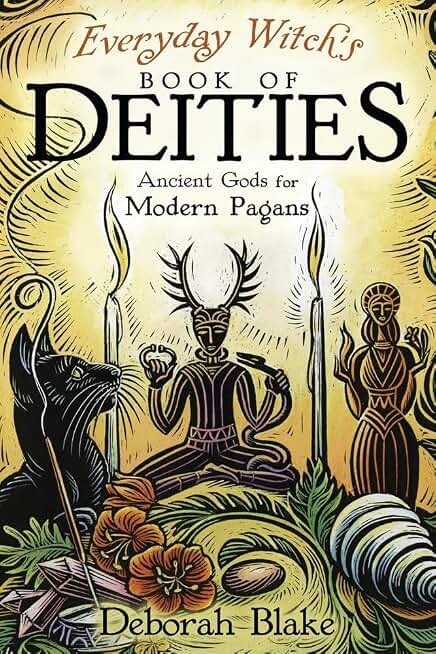
Everyday Witch's Book of Deities: Ancient Gods for Modern Pagans (Everyday Witchcraft, 8)
View Product →The answer lies in understanding that these powerful rituals were far more than simple prayers—they were sophisticated spiritual technologies developed over millennia to forge genuine connections with deities like Marduk, Ishtar, Shamash, Ea, and Nanna. Authentic Ancient Mesopotamian Deity Invocations involved precise ritual formulas, ceremonial purification, and symbolic actions meticulously documented in cuneiform texts by temple priests and ritual specialists known as āšipu and barû.
Modern practitioners can adapt these ancient methods by combining historical prayer translations with traditional purification techniques, creating sacred spaces through water rituals mixed with botanical substances like tamarisk and saffron, and incorporating protective symbols and amulets that focus divine power while guarding against negative influences. The key to successful invocation lies in understanding that these weren’t casual spiritual practices—they required formal preparation, rhythmic chanting of divine epithets and cosmic titles, and structured offerings of food, drink, and incense that mirrored the elaborate temple ceremonies of ancient times.
Specialized rituals like the nightlong Maqlu burning ceremony demonstrate the intensive nature of these practices, incorporating prayers to night deities for protection against dark magic and malevolent forces. Divinatory prayers, particularly those directed toward Shamash before seeking divine guidance, show how invocation and divination worked hand in hand to provide clarity and cosmic insight.
The beauty of adapting these practices for contemporary use lies in their inherent flexibility—while maintaining the essential structural elements of praise, purification, and petition, modern practitioners can respectfully modify the specifics to align with their spiritual needs and available resources. The foundation remains unchanged: establishing sacred space, invoking deities through their proper titles and epithets, offering genuine reverence through symbolic gifts, and maintaining the rhythmic, repetitive nature of the original chants that create the energetic bridge between human consciousness and divine presence.
Cuneiform Prayers and Sumerian Temple Rituals
The cuneiform tablets that preserve Sumerian temple rituals offer us a window into the most sophisticated spiritual practices of the ancient world, where Ancient Mesopotamian Deity Invocations formed the backbone of religious life. These temples functioned as cosmic communication centers where specially trained priests performed daily rituals designed to maintain the delicate balance between heaven and earth through constant divine dialogue.
The prayers recorded on these tablets reveal a complex theological understanding where gods like Nanna were addressed through multiple layered titles that reflected their cosmic domains and spheres of influence—Father Nanna, Lord of Ur, Silver-Bright One of the Night Sky—each epithet serving as a key to unlock different aspects of divine power and attention. What makes these invocations particularly powerful for modern practitioners is their emphasis on repetition and rhythm, creating meditative states that allowed the ancient priests to transcend ordinary consciousness and enter direct communion with their deities.
The temple rituals followed carefully structured patterns that began with elaborate purification ceremonies, progressed through specific sequences of praise and petition, and culminated in offerings that were believed to nourish and please the gods while securing their continued favor for the community. Modern pagans can adapt these practices by creating dedicated sacred spaces in their homes that mirror the function of ancient temples, establishing regular ritual schedules that honor the cyclical nature of divine communication, and learning to chant the translated prayers with the same reverent attention to rhythm and repetition that characterized the original ceremonies.
The genius of Sumerian temple practice lay in its understanding that effective invocation required not just words but the creation of a complete sacred environment where every element—from the purified water to the burning incense, from the carefully arranged offerings to the precisely pronounced divine names—worked together to create a portal for divine presence. These rituals also emphasized the communal aspect of divine relationship, recognizing that the gods were not just personal spiritual allies but cosmic forces whose favor affected entire cities and regions, making each individual invocation part of a larger web of divine-human interaction that sustained the entire cosmic order.
Babylonian God Invocation Methods
Babylonian practitioners developed Ancient Mesopotamian Deity Invocations into sophisticated magical technologies that seamlessly blended prayer, ritual action, and symbolic manipulation to achieve specific spiritual outcomes. The documented collections from around 1600 BCE reveal invocation methods that went far beyond simple petition, incorporating complex ceremonial sequences where ritual specialists like the āšipu combined spoken incantations with precisely choreographed symbolic actions designed to remove curses, heal ailments, and restore spiritual balance.

These methods show us that effective invocation required deep understanding of divine personality and cosmic function—prayers to Ishtar emphasized her dual nature as goddess of love and war, while invocations of Marduk focused on his role as divine king and cosmic order-bringer, and rituals honoring Shamash drew upon his authority as judge and bringer of justice and illumination. The Babylonian approach to invocation was notably practical and results-oriented, with different ritual formulas designed for specific life situations ranging from protection during travel to success in business ventures, from healing serious illnesses to resolving legal disputes, demonstrating that these weren’t abstract spiritual exercises but concrete tools for navigating life’s challenges through divine assistance.
One of the most fascinating aspects of Babylonian invocation practice was the nam-bur-bi ritual, where practitioners would create physical representations of negative omens or threatening situations and then ceremonially destroy them while petitioning the gods to similarly destroy the actual threats, showing a sophisticated understanding of sympathetic magic combined with divine petition. Modern practitioners can learn from this approach by recognizing that effective invocation often requires more than words alone—it benefits from physical actions that embody and reinforce the spiritual intentions, whether through the creation and destruction of symbolic objects, the performance of specific gestures during prayer, or the arrangement of ritual tools and offerings that visually represent the desired outcome.
The Babylonian emphasis on proper timing also offers valuable guidance for contemporary practice, with different deities being invoked at specific times of day, month, or year when their influence was considered strongest, and certain rituals being performed only under particular astronomical conditions that aligned with divine cosmic functions. The integration of divination into invocation practice represents another crucial element that modern pagans can adopt, using various divinatory methods to confirm divine approval before major rituals and to receive ongoing guidance about how to maintain and strengthen their relationships with their chosen deities through adjusted offerings, modified prayer formulas, or additional ceremonial actions.
Akkadian Sacred Chanting Techniques
The Akkadian mastery of sacred chanting represents one of the most sophisticated vocal spiritual technologies in human history, where Ancient Mesopotamian Deity Invocations were transformed into powerful sound currents capable of altering consciousness and manifesting divine presence through precisely calibrated vocal techniques. These chanting practices understood that the human voice, when properly trained and directed, could serve as a direct channel for divine power, with different tonal qualities, rhythmic patterns, and vocal techniques creating specific energetic effects that resonated with different deities and spiritual purposes.
The Akkadian chants often incorporated extensive lists of divine and demonic names, recognizing that correct pronunciation and rhythmic delivery of these names held the key to effective spiritual command—knowing how to properly voice the name of a deity was considered equivalent to possessing a direct communication line to that divine being, while correctly chanting the names of malevolent spirits gave the practitioner power to bind or banish them. The famous incantations of Eridu connected to the god Ea demonstrate how chanting was seamlessly integrated with other ritual elements like water purification and anointing with sacred mixtures, creating multi-sensory spiritual experiences where the vibrations of the chanted words worked synergistically with the physical sensations of purification to induce profound altered states of consciousness.
What made Akkadian chanting particularly effective was its understanding of formulaic flexibility—while the basic structure and key phrases remained consistent to maintain ritual integrity, skilled practitioners could adapt the length, intensity, and specific focus of their chants based on immediate spiritual needs and the responses they perceived from the divine realm. Modern practitioners can develop their own sacred chanting abilities by learning to work with the translated Akkadian texts, experimenting with different vocal tones and rhythmic patterns until they find combinations that produce noticeable shifts in consciousness and energy, and gradually building their capacity for extended chanting sessions that mirror the intensive practices of ancient ritual specialists.
The therapeutic applications of Akkadian chanting offer particularly valuable guidance for contemporary spiritual healing work, with specific chant sequences designed to address different types of spiritual, emotional, and physical ailments through the targeted application of divine vocal power channeled through human voice and intention. The group chanting practices preserved in some texts reveal how these techniques could be amplified through collective vocal work, with multiple practitioners joining their voices to create powerful sound currents capable of affecting entire communities, providing inspiration for modern pagan groups seeking to develop effective group ritual practices.
The integration of breath work with vocal technique in Akkadian practice also offers important guidance for developing sustainable chanting abilities, with emphasis placed on breath control, vocal preservation, and the cultivation of internal energy that could support extended periods of intensive vocal spiritual work without strain or exhaustion.
Assyrian Divine Invocations
Assyrian approaches to Ancient Mesopotamian Deity Invocations evolved into highly sophisticated divination-centered practices where the primary goal was not just communication with deities but the development of precise methods for interpreting and influencing divine will through complex ceremonial interactions. The Assyrian system placed particular emphasis on the relationship between invocation and prophecy, with ritual specialists developing elaborate techniques for combining prayer, offering, and divinatory observation to gain detailed insights into divine intentions regarding everything from military campaigns to agricultural planning, from royal succession to trade negotiations.

Pagan Portals - Gods and Goddesses of Ireland: A Guide to Irish Deities
View Product →Kings and nobles regularly consulted priestly experts who had mastered the art of invoking deities like Ashur and Ishtar specifically for divinatory purposes, using carefully structured ritual sequences that began with purification and offering, progressed through formal invocations that requested divine guidance, and culminated in various forms of divination ranging from examining animal entrails to observing celestial phenomena to interpreting the patterns of oil on water. The Assyrian understanding of cosmic balance influenced their invocation practices in profound ways, with rituals designed not just to request divine favor but to actively maintain the proper relationship between earthly events and celestial influences through regular ceremonial interventions that prevented the accumulation of negative spiritual forces.
What distinguished Assyrian invocation from earlier Mesopotamian practices was its systematic approach to building long-term relationships with specific deities through consistent ceremonial engagement, with practitioners maintaining detailed records of successful ritual formulas, divine responses, and the correlation between specific invocation techniques and particular outcomes. Modern practitioners can adopt Assyrian methods by developing their own systematic approaches to divination-centered invocation, learning to combine prayer with various divinatory tools and techniques to gain deeper insights into divine guidance, and maintaining careful records of their ritual experiences to identify patterns and improve their effectiveness over time.
The Assyrian emphasis on royal and governmental applications of divine invocation also offers valuable perspectives for contemporary practitioners involved in leadership roles or community organization, showing how spiritual practices can be effectively integrated with practical decision-making and social responsibility through regular consultation with divine sources of wisdom and guidance. The elaborate ceremonial protocols developed by Assyrian priests provide excellent models for modern practitioners seeking to create more formal and structured approaches to their spiritual work, with detailed attention paid to proper timing, correct ritual implements, appropriate offerings, and the maintenance of sacred spaces that support intensive divination and invocation work.
The integration of protective magic with invocation practice in Assyrian tradition offers particularly valuable guidance for contemporary spiritual workers, showing how regular divine communication can be combined with active measures to ward off negative influences and maintain spiritual security for both individual practitioners and their communities through the strategic application of divine power accessed through skilled invocation techniques.
The depth and sophistication of Ancient Mesopotamian Deity Invocations continue to offer modern practitioners powerful methods for establishing authentic relationships with these ancient divine forces, providing time-tested techniques that can transform contemporary spiritual practice through their emphasis on precision, respect, and genuine devotion. Which of these ancient invocation methods resonates most strongly with your own spiritual path, and how might you begin adapting these powerful practices to deepen your connection with the divine forces that shaped one of humanity’s greatest civilizations?
Related Items:

Lilly Dupres
Owner & AuthorLilly Dupres, a lifelong practitioner of paganism, established Define Pagan to offer a clear definition of paganism and challenge misconceptions surrounding modern pagan lifestyles.