What are the most important traditional Slavic ritual practices for beginners to learn?
The Pagan Book of Days: A Guide to the Festivals, Traditions, and Sacred Days of the Year
View Product →This Slavic Ritual Practices Guide will walk you through the essential ceremonies that have survived centuries of cultural change and religious transformation. For newcomers to Slavic paganism, the foundation rests on seasonal festivals, ancestor veneration, and elemental reverence. These practices include communal feasting where food is shared in honor of ancestors, ancestor rituals such as tryzna where ritual meals include portions set aside for the dead, elemental ceremonies involving fire, water, earth, and wind performed at sacred sites like groves and rivers, masked processions and effigy rituals to mark seasonal transitions, and divination using herbs, water, or fire during key festivals.
The beauty of Slavic ritual practices lies in their adaptability and deep connection to natural cycles. Unlike many ancient traditions that became rigid dogma, Slavic ceremonies evolved organically within communities, making them particularly accessible to modern practitioners. These rituals were never about perfect execution or complex theology. They were about community, connection to the land, and honoring the forces that governed daily life. Whether you live in an urban apartment or rural homestead, these practices can be modified to fit your circumstances while maintaining their essential spiritual power. The key is understanding the underlying principles rather than mimicking exact historical forms that may no longer be practical or relevant.
Traditional Spring Equinox Rituals
Spring equinox ceremonies in Slavic tradition center on the dramatic transition from winter’s grip to spring’s promise. The most powerful of these rituals involves the drowning or burning of Marzanna, a straw effigy representing winter, death, and disease. Communities would craft this figure from straw, old clothes, and whatever materials symbolized the hardships of winter. The entire village would participate in parading Marzanna through streets and fields before carrying her to a river or designated burning ground. This wasn’t just symbolic theater but a genuine communal catharsis, a collective release of winter’s accumulated suffering and stagnation.
The ritual destruction of Marzanna was immediately followed by bringing in fresh green branches, flowers, and symbols of Vesna, the spring goddess. This duality represents the core of Slavic spiritual thinking – the constant dance between opposing forces, the understanding that death enables life, that endings create beginnings. Modern practitioners can adapt this ritual by creating their own winter effigy representing personal struggles, fears, or negative patterns they wish to release. The burning or drowning becomes a powerful act of transformation, while bringing in fresh flowers, planting seeds, or decorating living spaces with green branches welcomes new energy.
These spring rituals also included specific foods and communal feasting that honored both the emerging season and ancestral spirits. Special breads were baked in bird shapes to welcome migratory birds back from their winter journey. Portions of every meal were set aside for deceased family members, acknowledging their continued presence and influence in family life. Songs and processions welcomed the return of birds, seen as messengers carrying news between the world of the living and the realm of spirits. The entire celebration emphasized renewal not just of the natural world but of community bonds and spiritual connections that winter’s isolation may have weakened.
Summer Solstice Fire Ceremonies
Kupala Night, the summer solstice celebration, represents the peak of Slavic fire and water ceremonies. This festival combines the solar power of midsummer with the purifying properties of water in rituals that are both exhilarating and deeply transformative. Communities would gather at sunset to light massive bonfires, often on hills or near bodies of water. The flames were not merely celebratory but served specific magical purposes – purification, protection, fertility enhancement, and connection to solar deities. Participants would leap over flames, with the height and grace of their jump determining their fortune for the coming year.
The water rituals of Kupala Night were equally important and often more elaborate than the fire ceremonies. Ritual bathing in rivers, lakes, or specially prepared pools was believed to wash away illness, bad luck, and spiritual impurities accumulated during the first half of the year. Young unmarried women would weave flower wreaths and float them on moving water while making wishes for love, prosperity, or guidance. Men would attempt to catch these wreaths, creating spontaneous matchmaking opportunities that combined romance with spiritual practice. The entire community understood these weren’t mere games but sacred acts that invoked the blessing of water spirits and fertility deities.
Perhaps the most intriguing aspect of Kupala Night was the search for the mythical fern flower, said to bloom only on this one night of the year. Those brave enough to venture into forests alone, avoiding the tricks of forest spirits and supernatural beings, might find this magical blossom that granted the ability to understand animal speech, locate hidden treasures, or see through illusions. While few claimed to actually find the fern flower, the tradition encouraged solitary communion with nature’s deepest mysteries. Modern practitioners can adapt this by spending solitary time in natural settings during the summer solstice, seeking personal insights or spiritual experiences that might only be available during this powerful astronomical moment.
Harvest Moon Blessing Practices

Harvest rituals in Slavic tradition go far beyond simple thanksgiving ceremonies. They represent a complex spiritual transaction between human communities and the forces that govern abundance, fertility, and survival. These ceremonies acknowledged that successful harvests required not just human labor but cooperation from weather spirits, earth deities, ancestral blessings, and cosmic forces that remained largely beyond human control. The first grains, fruits, or vegetables of each harvest were never consumed by the family that grew them but offered to these spiritual powers as payment for their assistance and insurance for future abundance.
The most elaborate harvest rituals took place at major sanctuaries like Arkona, where entire regions would gather to honor gods like Sventovit with massive communal feasts. These weren’t casual potluck dinners but carefully orchestrated spiritual events where specific foods were prepared according to ancient recipes, consumed in particular orders, and shared according to strict social and spiritual protocols. Animals were sacrificed and their meat distributed so that every participant received a portion blessed by divine contact. The entire community became a single spiritual organism, connected through shared food that had been sanctified through ritual process.
Modern harvest blessing practices can maintain this spirit of gratitude and spiritual exchange without requiring large community participation or animal sacrifice. The key principle is acknowledging that abundance flows from sources beyond personal effort and showing appreciation through meaningful offerings. This might involve setting aside the first fruits of a garden for birds and wild animals, donating a portion of income or resources to community causes, or creating seasonal altars that honor the specific forces that enabled whatever abundance you’re celebrating. The goal is maintaining awareness that personal prosperity connects to larger systems of reciprocity that include both natural and spiritual elements.
Winter Purification Sacred Rites
Winter solstice ceremonies in Slavic tradition focus intensely on purification, protection, and the mystical rebirth of solar power during the year’s darkest period. These rituals acknowledged winter not as a dead season but as a time when spiritual forces became more accessible and transformative work could be accomplished that was impossible during other parts of the year. Communities understood that the approaching darkness created opportunities for deep cleansing, spiritual renewal, and connection with ancestral wisdom that required quiet and introspection to access properly.
Mask-wearing during winter ceremonies served multiple spiritual functions beyond simple entertainment or tradition. Masks allowed participants to temporarily embody spirits, ancestors, or deities, creating direct channels for otherworldly communication and blessing. Different masks represented specific spiritual beings – some benevolent, others challenging or even frightening. By wearing these masks, community members could invoke particular spiritual energies, receive guidance or healing from ancestral spirits, or work through personal challenges by temporarily adopting otherworldly perspectives. The mask rituals also served protective functions, confusing harmful spirits who might be seeking to cause trouble during the vulnerable winter months.
The winter solstice period was considered a thin time when the boundaries between worlds became permeable and deceased family members could visit their living relatives. Families prepared special meals with extra portions set aside for these spiritual visitors, cleaned and decorated homes to welcome ancestral spirits, and visited graves to share food and drink with the dead. These weren’t somber memorial services but celebratory family reunions that happened to include participants from both sides of death. Divination practices reached their peak during winter ceremonies, with community members using various methods to gain insights about weather patterns, crop prospects, relationship outcomes, and spiritual guidance for the coming year. Fire and light played central roles in all winter rituals, not just as symbols but as active spiritual forces that could banish negative influences and strengthen the returning sun’s power.
Slavic Folk Magic and Daily Practice

Pagan Portals - The Irish Pagan Book of Rites: Rituals and Prayers for Daily Life and Festivals
View Product →The power of this Slavic Ritual Practices Guide extends far beyond seasonal celebrations into the realm of daily folk magic and household spiritual practices. Slavic traditions never separated sacred from mundane activities, instead weaving spiritual awareness into cooking, cleaning, farming, crafting, and social interactions. Every household maintained relationships with domovoi, protective house spirits who could bring good fortune or create havoc depending on how they were treated. These weren’t abstract theological concepts but practical spiritual partnerships that required regular attention, appropriate offerings, and respectful behavior to maintain household harmony and prosperity.
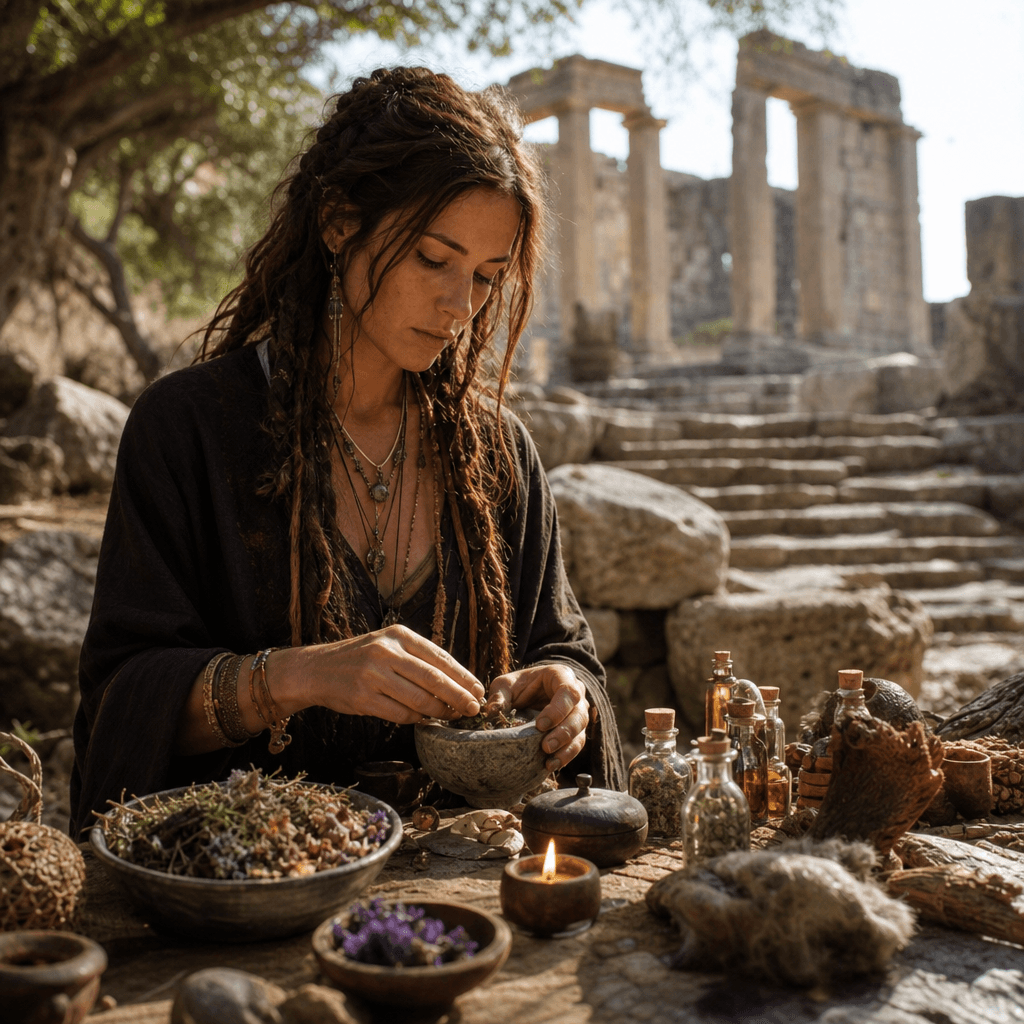
Daily Slavic magical practices included protective charms, healing remedies, weather working, and divination techniques that could be performed by ordinary people without special training or elaborate equipment. Herbs gathered at specific times and prepared according to traditional methods could cure illnesses, enhance fertility, provide protection during travel, or strengthen romantic relationships. Certain words, gestures, or ritual actions performed at appropriate moments could influence outcomes of important events, communicate with spiritual beings, or access information not available through ordinary means. These practices required understanding of natural cycles, spiritual principles, and traditional knowledge passed down through generations of practical experience.
Modern practitioners can incorporate these daily magical elements by learning traditional herb lore, developing relationships with house spirits or land spirits in their current location, practicing simple divination methods, and maintaining awareness of how spiritual forces influence ordinary activities. This might involve leaving small offerings for helpful spirits, timing important activities according to moon phases or seasonal energies, using traditional blessing methods for food preparation or home protection, or developing personal practices that honor the spiritual dimensions of daily life. The goal is creating a seamlessly integrated spiritual practice that enhances rather than complicates your regular routine while maintaining connection to authentic Slavic magical traditions.
Which of these ancient Slavic ritual practices resonates most strongly with your own spiritual journey, and how might you begin incorporating these time-tested ceremonies into your modern pagan practice?